






Spotlight
Under the Influence
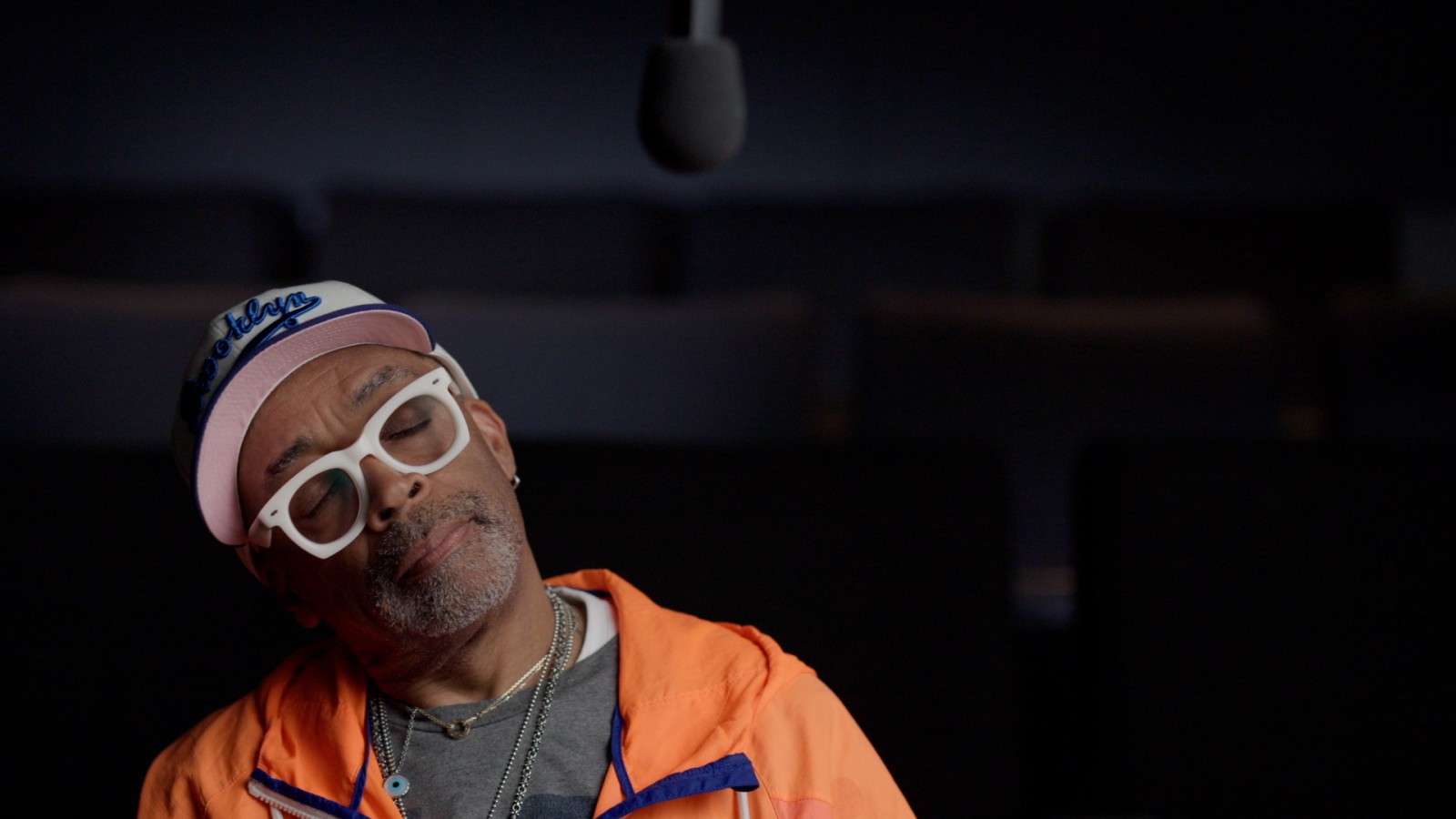
In this ongoing series of videos, contemporary filmmakers talk to us about the movies that have had a lasting impact on their work.
The Criterion Collection
An online magazine covering film culture past and present
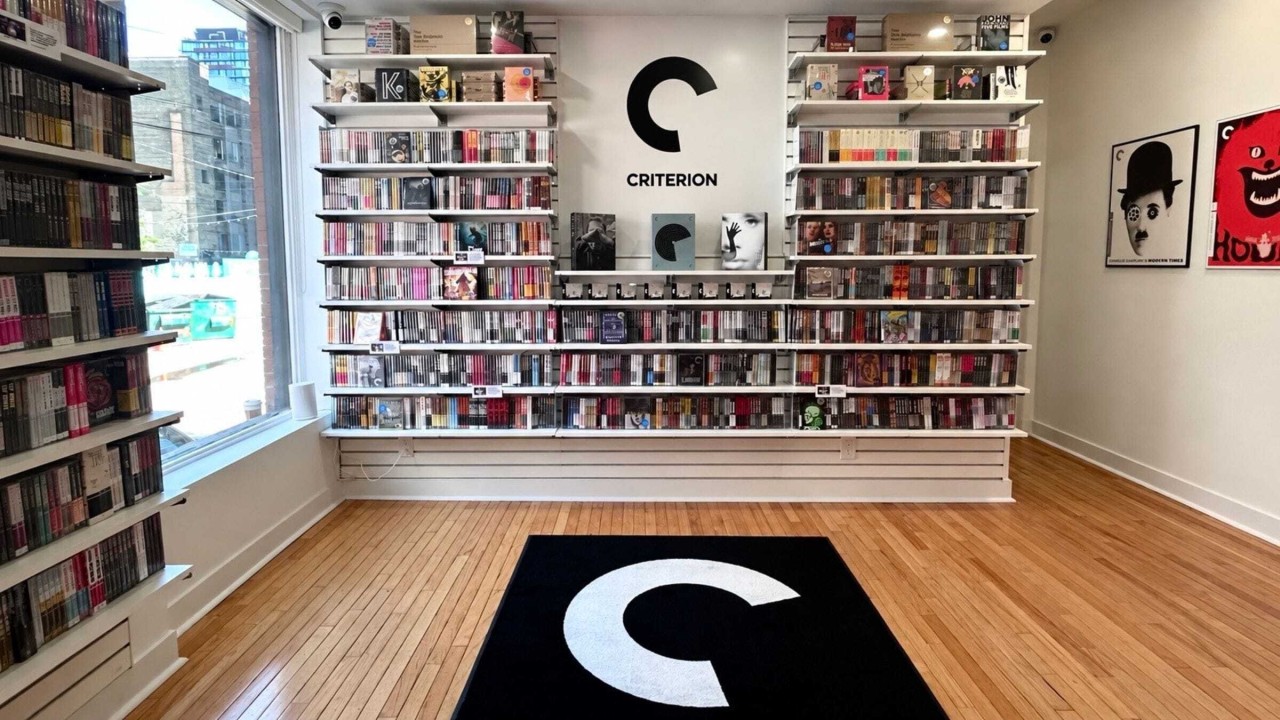
The independent home-video retailer’s first brick-and-mortar store is a new physical destination for movie lovers to discover cinema, build their collections, and connect with the community around them.

The director of Test Pattern and Dreams in Nightmares celebrates the influence that Charles Burnett has had on their work, selects a pair of favorite westerns, and praises the cinematography of Vilmos Zsigmond and Haskell Wexler.
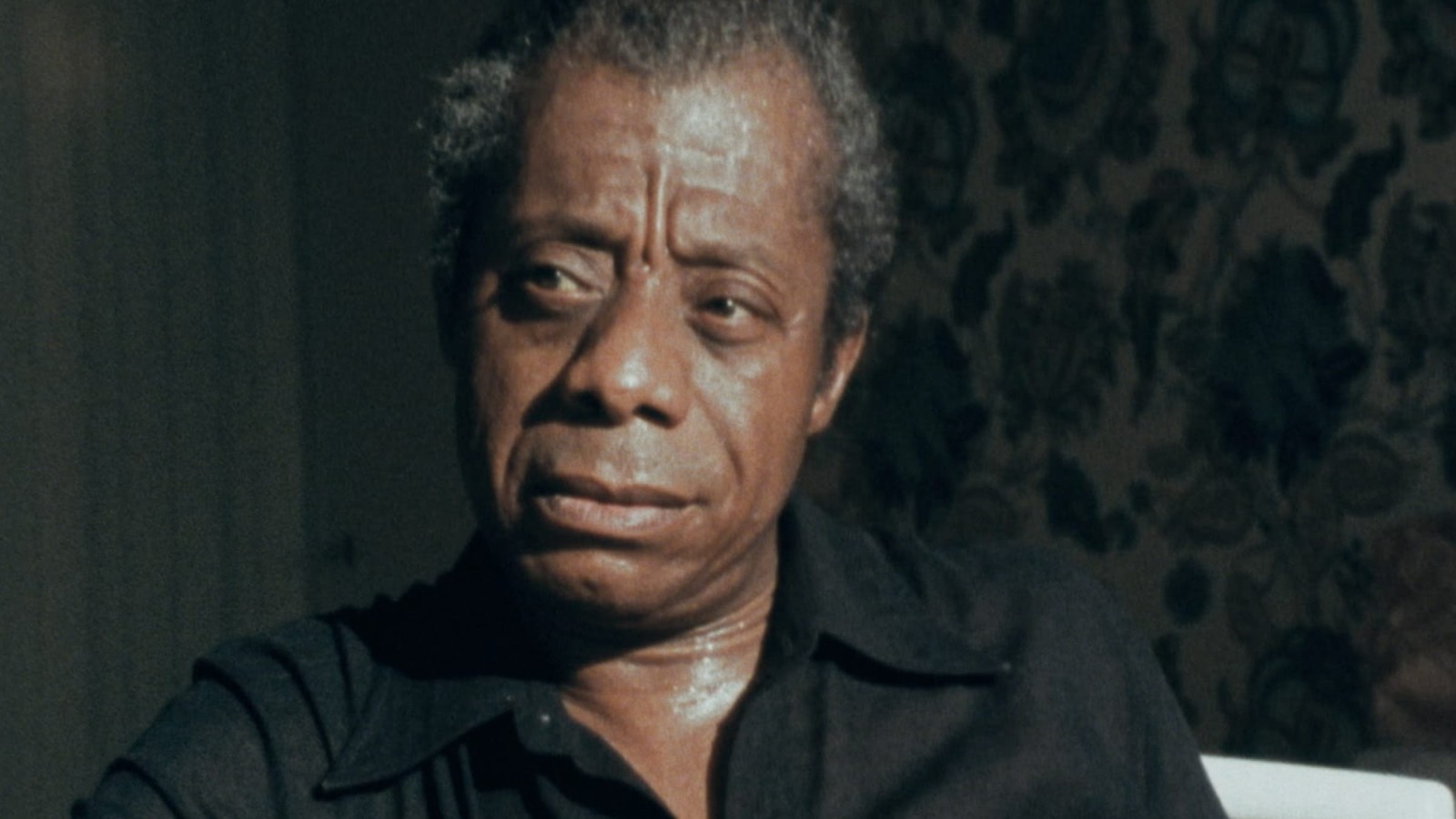
The illuminating 1982 documentary I Heard It Through the Grapevine follows the celebrated author on a journey through the American South, as he attempts to reckon with the legacy and losses of the civil rights movement.
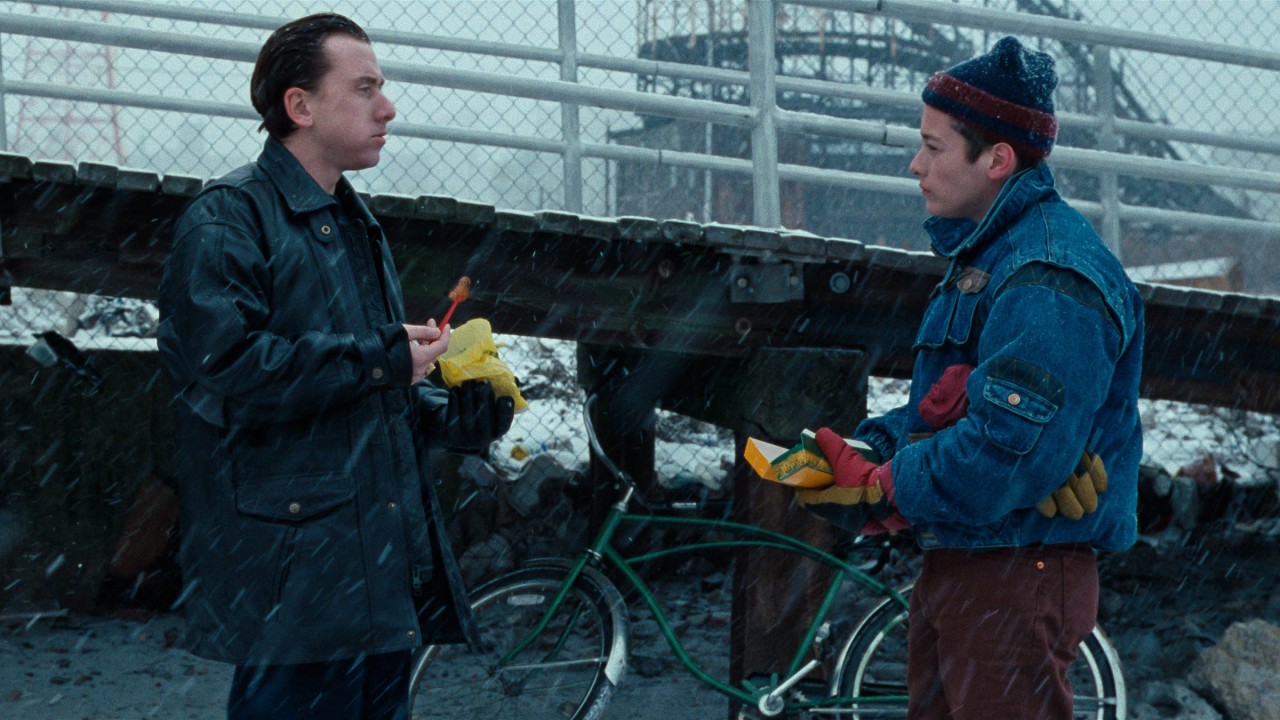
James Gray’s extraordinary debut feature is a painstakingly distilled tale of crime and family dysfunction, captured with a merciless gaze and a sharp attention to idiosyncratic detail.
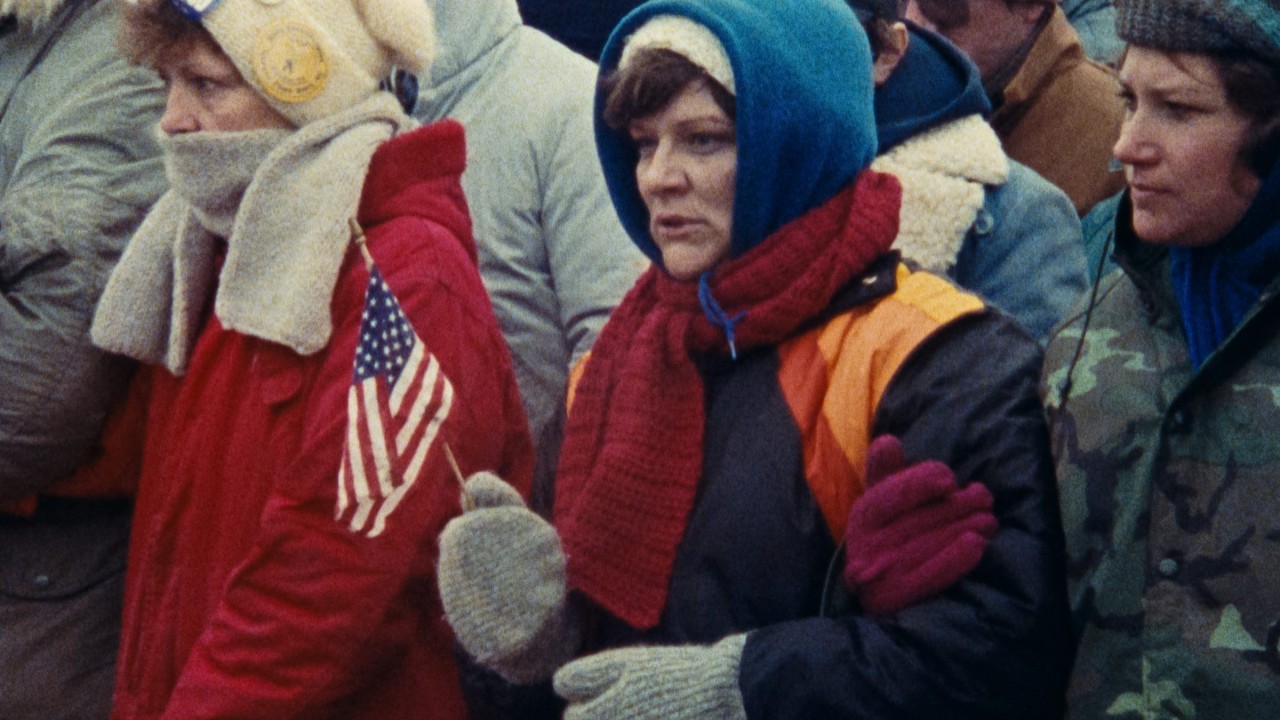
In her second film, Oscar-winning documentarian Barbara Kopple captures the anguish and perils of disunity in the labor movement and the corrosion of union power during the Reagan era.
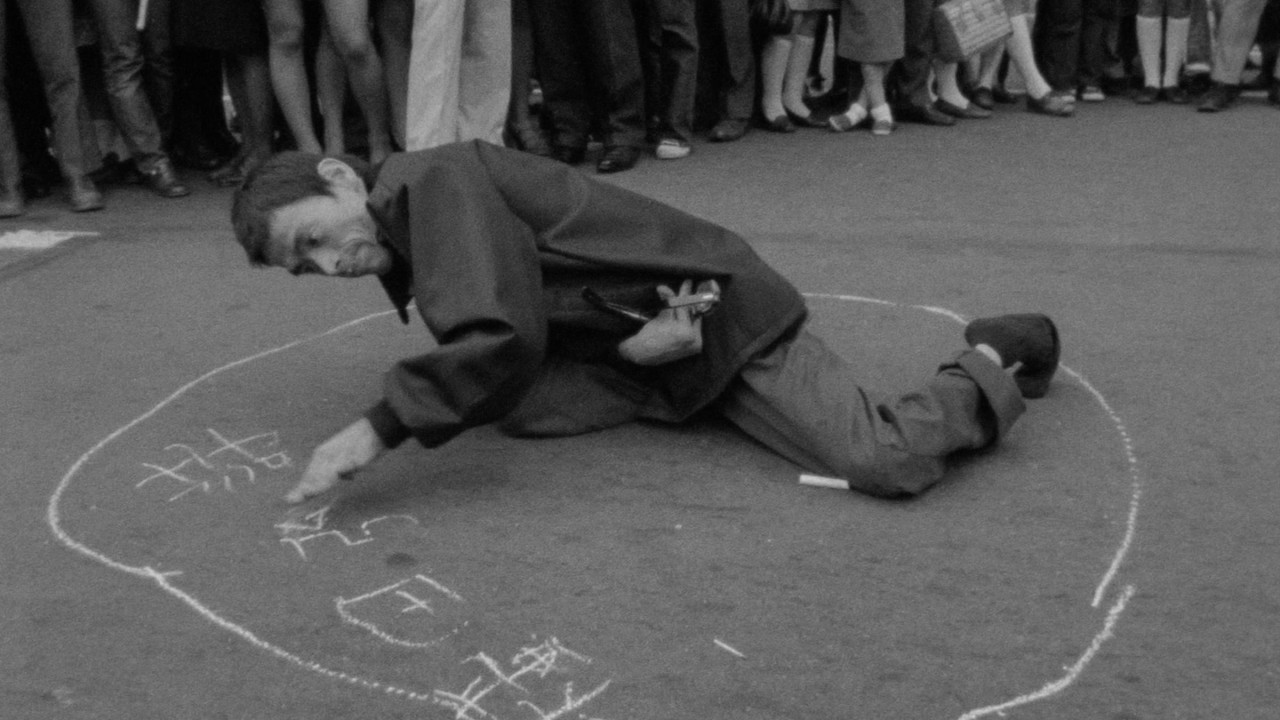
The pioneering husband-and-wife duo transformed the field of Japanese nonfiction cinema with their portraits of spectacular, edgy personalities and collectives under duress.
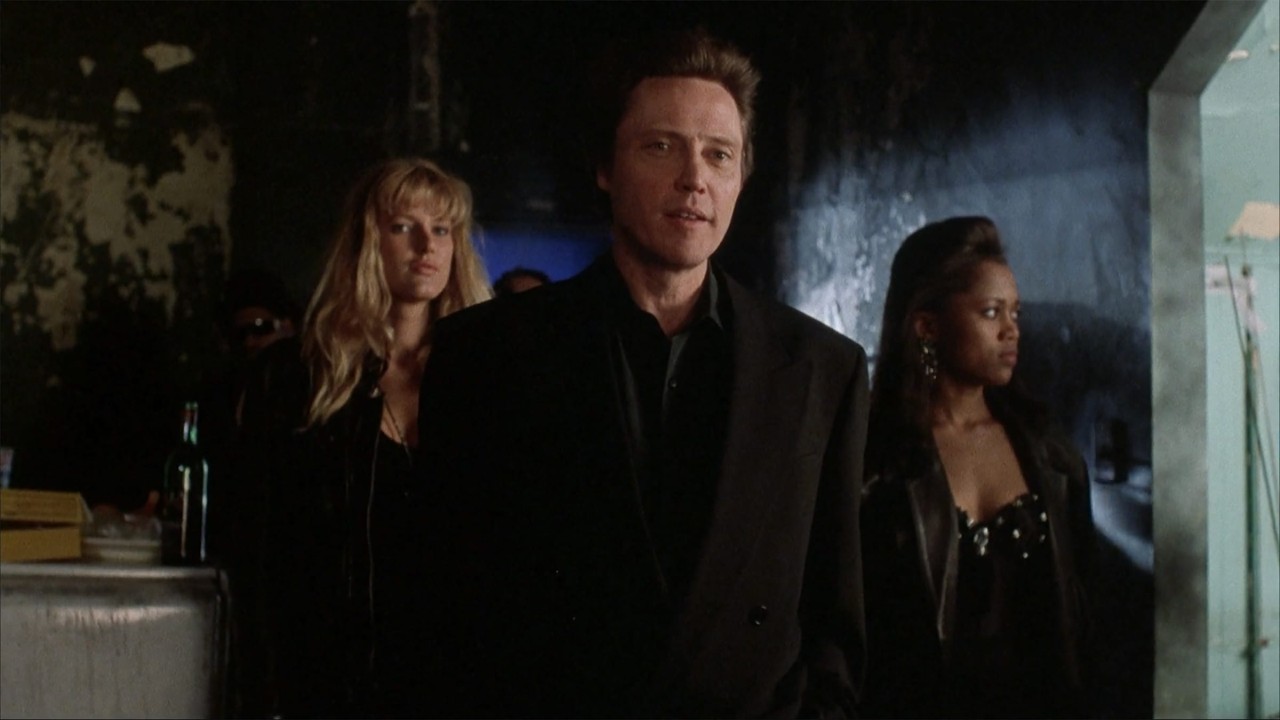
This month’s highlights include a retrospective dedicated to the always-provocative Abel Ferrara, the classic series Neon Genesis Evangelion, and a collection of high-energy tales of female rockers.
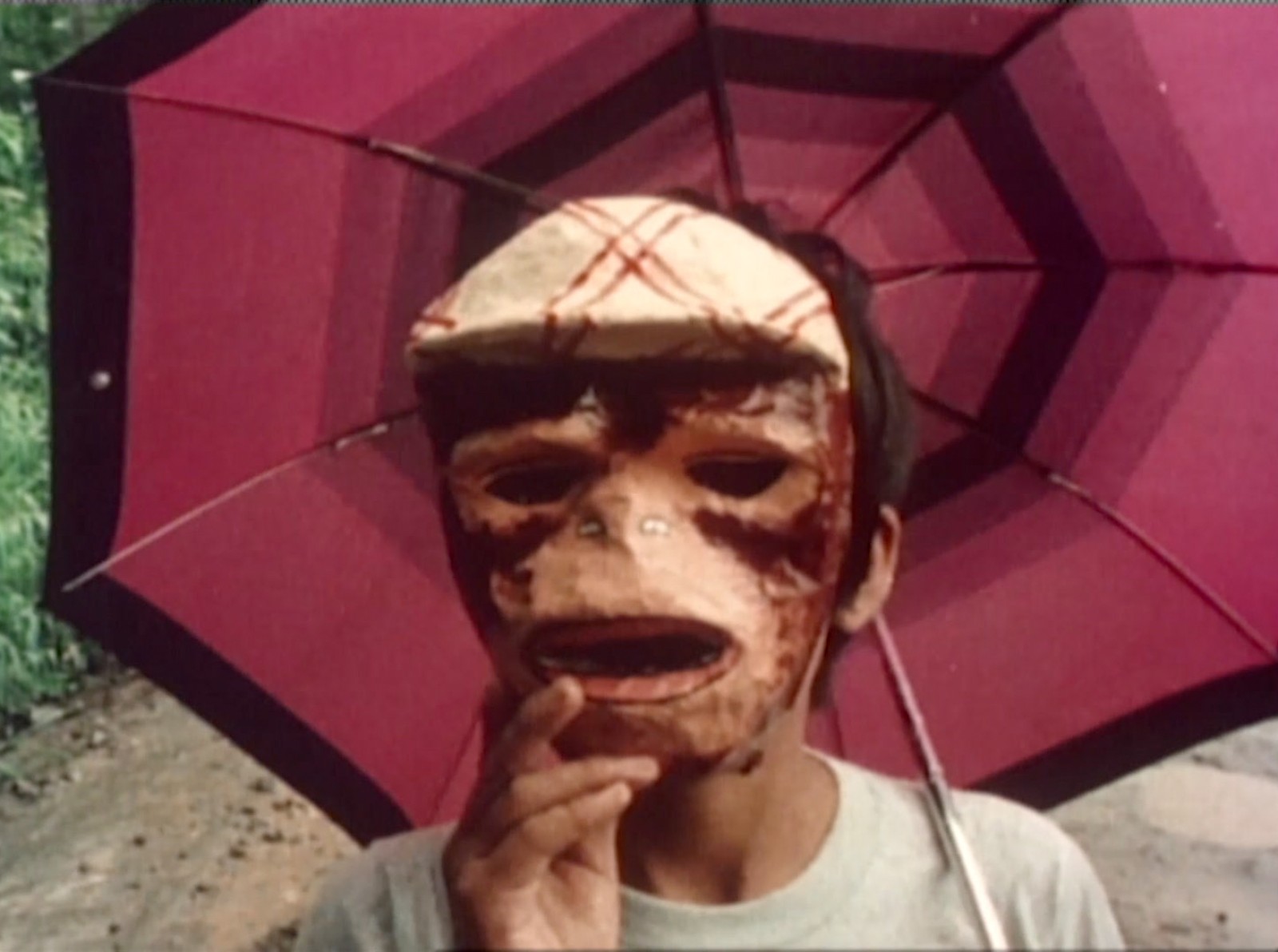
In Kidlat Tahimik’s playful and unpredictable film, a Philippine village is tasked with manufacturing thousands of figurines for the Olympic Games, upending the lives and customs of the local population.
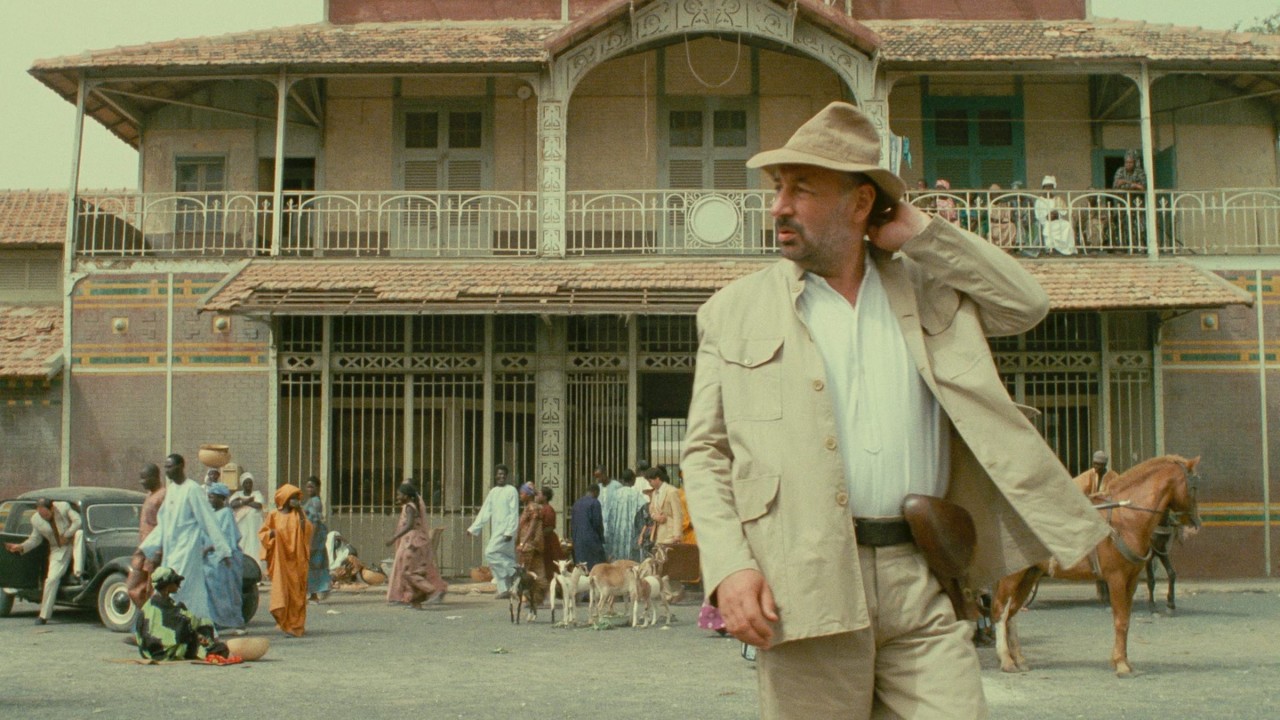
Set in 1930s French West Africa, Bertrand Tavernier’s hard-to-classify adaptation of the Jim Thompson novel Pop. 1280 offers an apocalyptic vision of a society in which institutions have abdicated their moral authority.
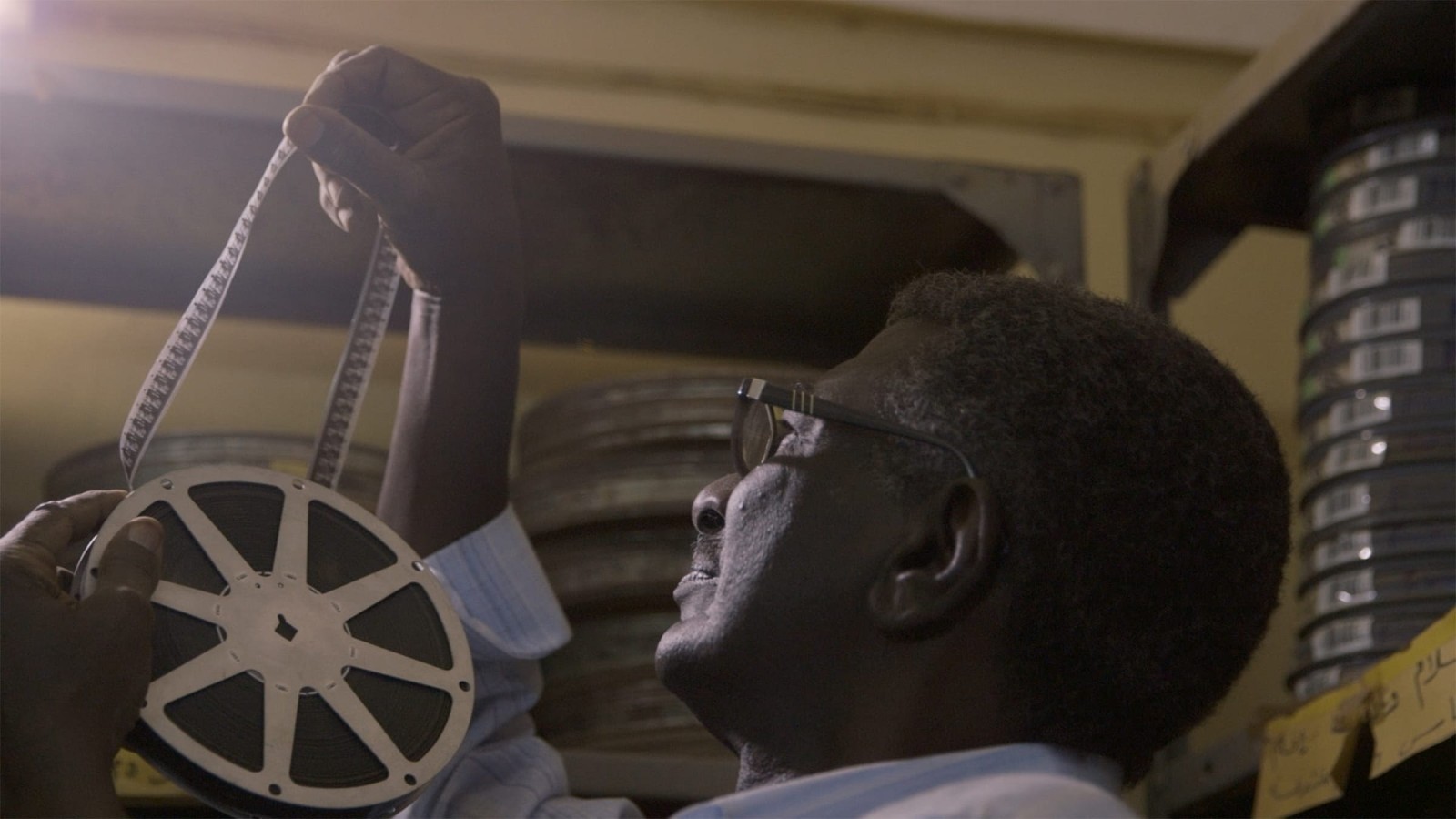
The members of this influential leftist collective created a formally adventurous body of work that examined the nation’s tumultuous history through a postcolonial lens.

The veteran critic and director of Diane and Late Fame selects favorite films by artists who work has resonated with him over his many years of cinephilia, including masterpieces by Luchino Visconti, Alain Resnais, and Charlie Chaplin.
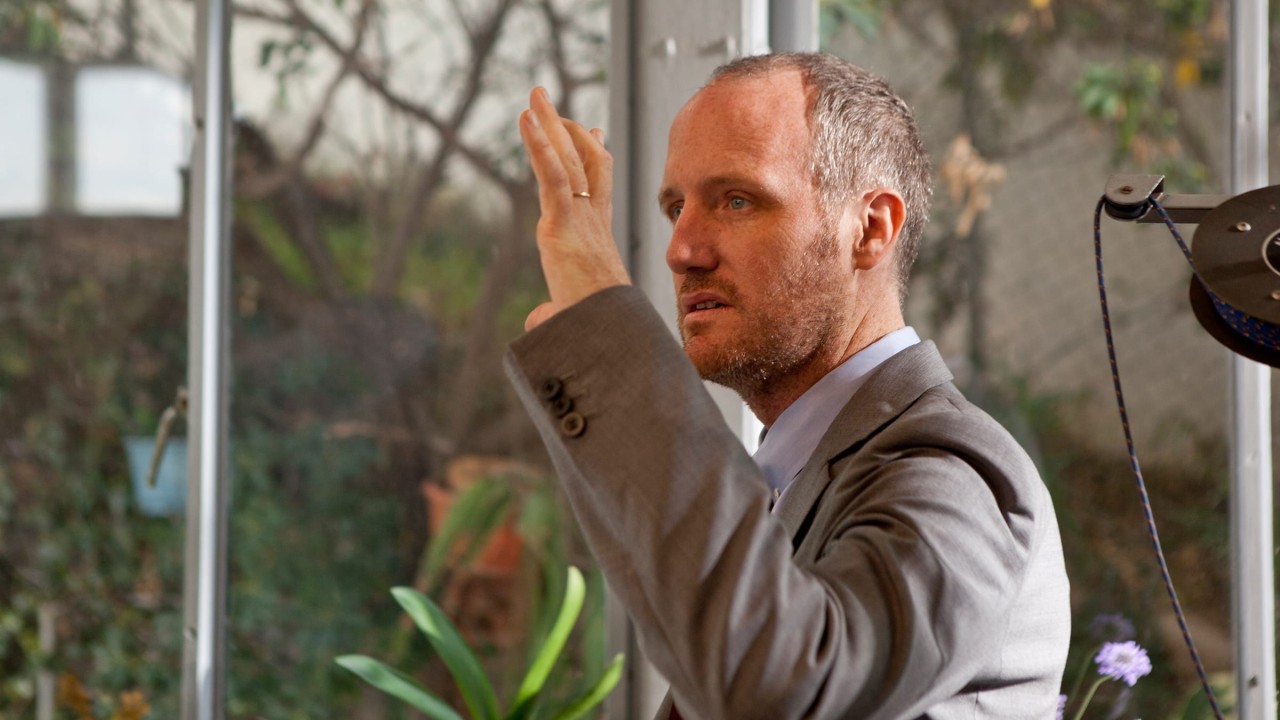
The filmmaker looks back on the experiences that have shaped his creative life, including his time in art school, his work as a graphic designer and music-video director, and his early interest in documentary cinema.
Spotlight
In this ongoing series of videos, contemporary filmmakers talk to us about the movies that have had a lasting impact on their work.


