The Crying Game’s Legacy as Transgender Representation
Share
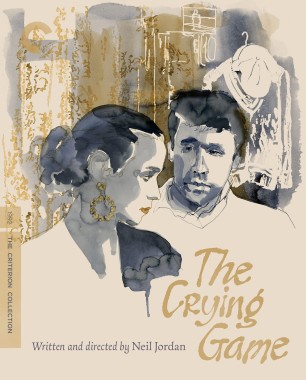
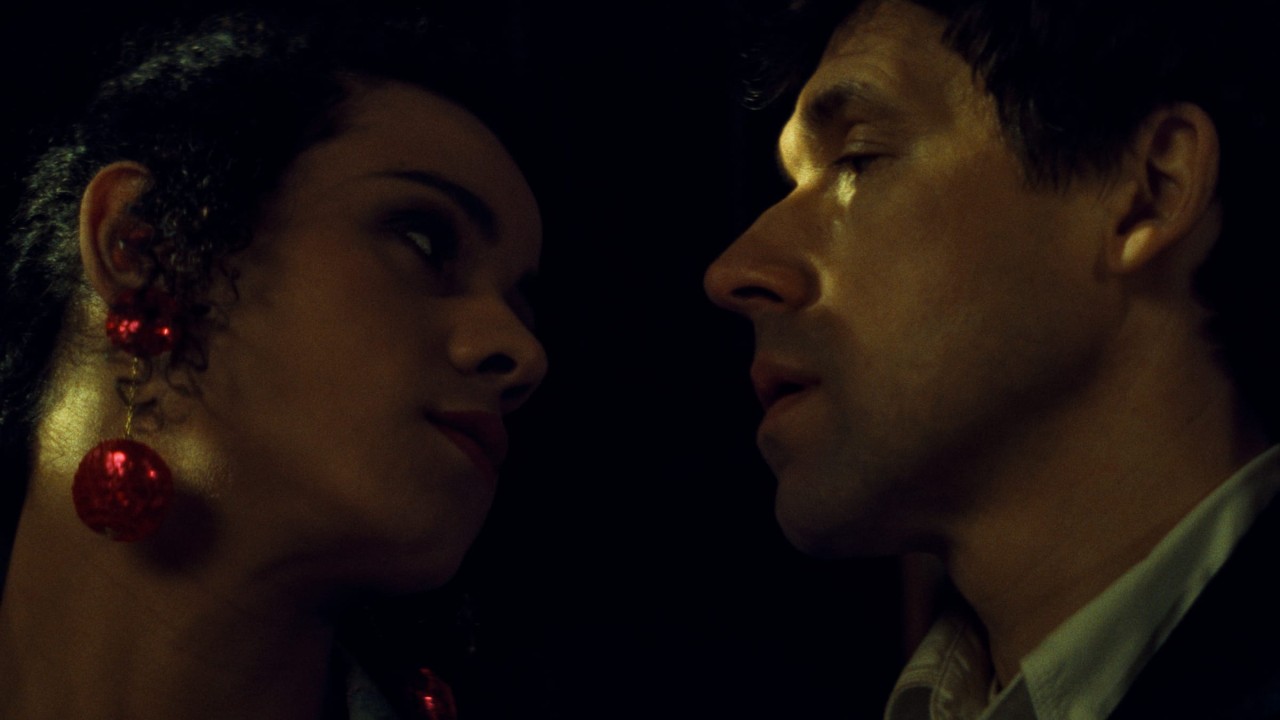
The legacy of Neil Jordan’s The Crying Game has become inextricably entangled with a defining trope of AIDS-era mainstream queer representation: the revelation that exposes the gender identity of a transgender character. By the time of the American release of Jordan’s movie by Miramax Films in late 1992, this crude device had become increasingly familiar; usually reserved for supporting characters, particularly sex workers, it was found in many genres and forms, turning up in actor Tom Cruise’s breakthrough film, Risky Business (1983); the action-comedy Crocodile Dundee (1986); and director Sidney Lumet’s crime drama Q&A (1990), among other movies. These disposable trans characters were generally either a punch line or a corpse-in-waiting, featuring in a single carnivalesque or cruel scene that robbed them of both their dignity and the possibility of an empathetic response from the audience; the films that featured them were unlikely to ask viewers to consider how these trans characters might go on living their life in the aftermath of this embarrassing or violent moment. The Crying Game’s own revelation is an exception on most of these counts, but that fact, along with the many forward-looking aspects of the film as a whole, has too often been absorbed into the transphobic cultural fixation on these lurid twists.
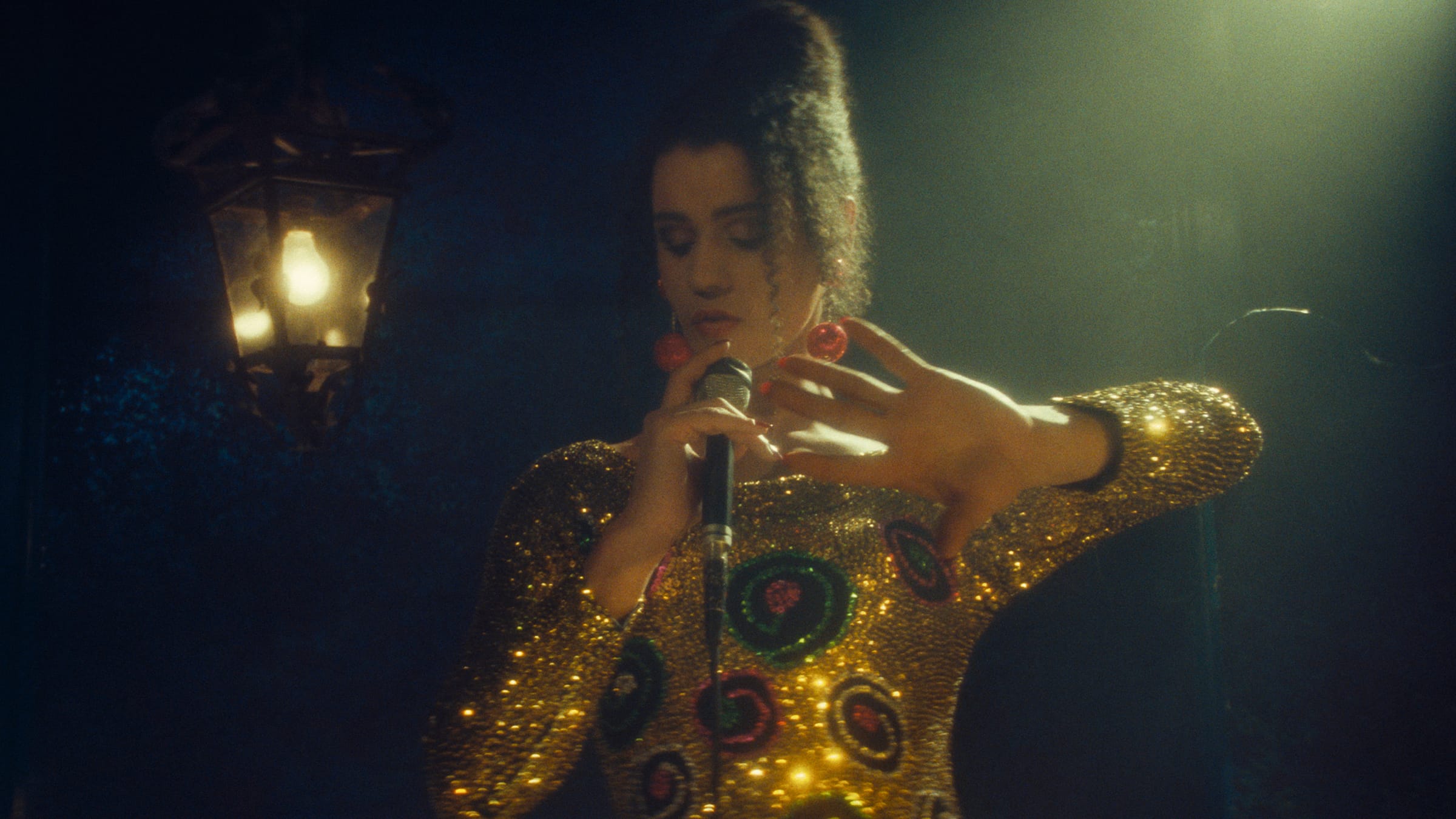
Miramax’s marketing campaign leaned heavily into the idea that the film contained a taboo twist having to do with sexuality and gender. That tactic proved to be massively successful with the moviegoing public, and the film went on to earn $71 million. The trailer featured cautionary and clichéd warnings of the kind endemic to any thriller of the era, and the glamorous Black trans woman Dil (Jaye Davidson) made her first appearance there alongside the phrase “Where nothing is what it seems to be.”
More: Essays
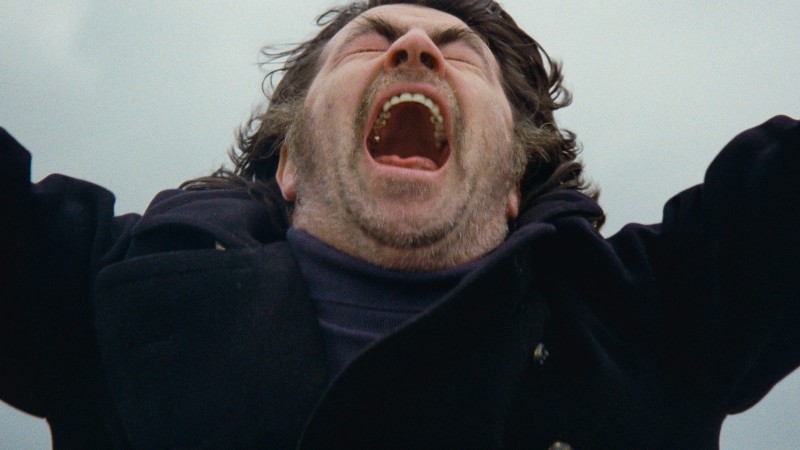
The Shout: Sound and Fury
Blending elements of psychological thriller, social satire, and psychedelic film, Jerzy Skolimowski’s Cannes-award-winning classic uses its audacious sound design to evoke the terror of English civilization.
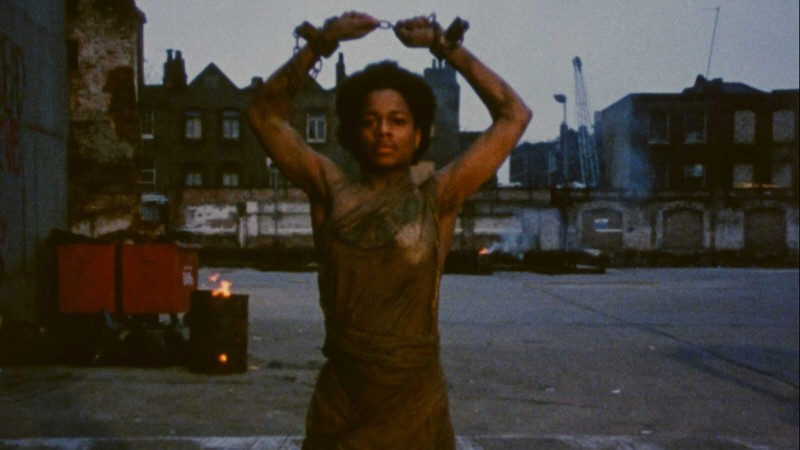
Welcome II the Terrordome: The Future Is Furious
A dystopian drama that draws on the influences of African mythology and hip-hop, Ngozi Onwurah’s debut feature uses a mix of speculative forms to expose anti-Blackness as a system that underpins the modern world.
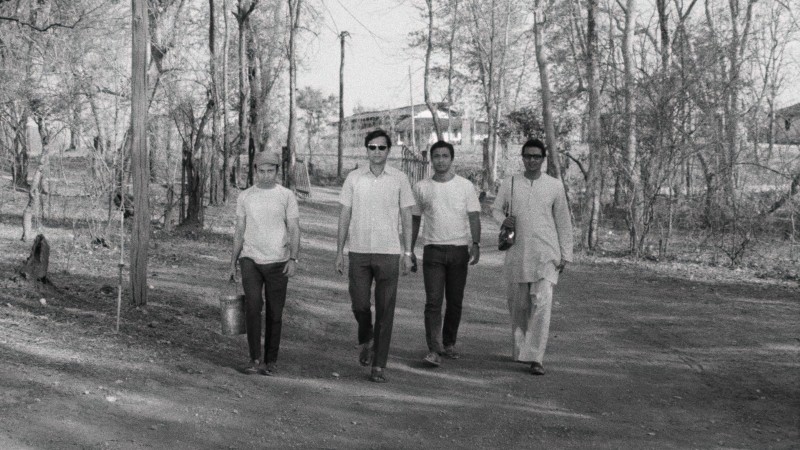
Days and Nights in the Forest: Into the Woods
In this tale of four privileged bachelors who embark on a trip to the Indian countryside, Satyajit Ray balances a biting critique of masculine fragility with splendid visual grace.
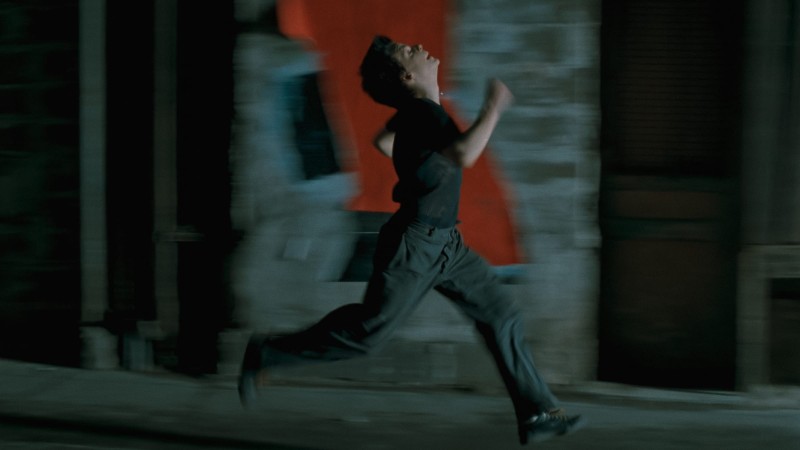
Three Films by Leos Carax: Vital Signs
With their mix of comedy, ecstasy, and aesthetic strangeness, the French auteur’s first three features grant us access to psychic states that we might not otherwise be able to enter.