Hud: No Place for Heroes
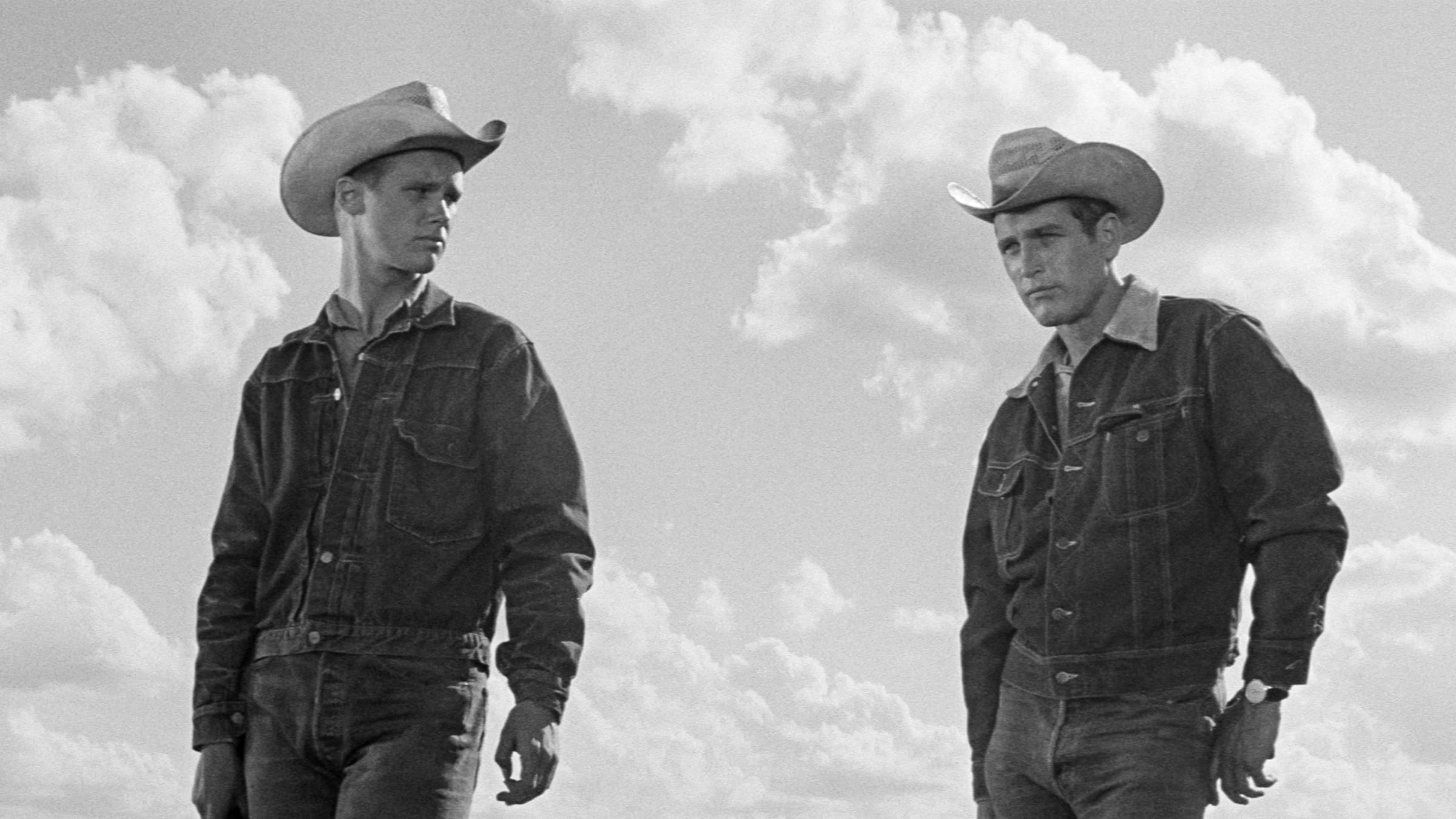
In May of 1962, when Martin Ritt arrived in the Texas Panhandle town of Claude to begin filming Hud, he may have sensed that his career was about to change. Hud would be Ritt’s ninth feature but his first personal statement, and it demonstrates a clear control over his material that he maintained throughout the rest of his work. The film would go on to earn seven Oscar nominations—including one for Ritt—and win three, for actors Patricia Neal and Melvyn Douglas and cinematographer James Wong Howe.
Hud belongs to a series of films Ritt made during the sixties that tackled major cinematic genres, often shaping their traditional motifs to suit his evolving cultural vision. In fashioning this film, Ritt displays a sharp and penetrating take on the American landscape. Unlike two revisionist westerns released the year before, John Ford’s The Man Who Shot Liberty Valance and Sam Peckinpah’s Ride the High Country, which evoke nostalgia over the passing of the Old West, Hud betrays no feelings of regret in deconstructing the western hero, instead exposing his macho persona as empty and amoral, his mythology as bankrupt.
Ritt got his start in theater and then live television during its formative period. He entered both worlds as an actor, working first for the Federal Theatre Project—an outgrowth of President Roosevelt’s Works Progress Administration—whose head, Hallie Flanagan, felt that art was integral to the fabric of communities. Her vision of theater as a social force profoundly shaped the Group Theatre, which became the definitive influence on Ritt’s career and his artistic philosophy from the time he joined in 1937. The communal spirit of the Group stayed with Ritt, who regarded filmmaking as a collective experience, rejecting the cult of the director. This was not only a working method; the creation of community also became a thematic thread running through his films. Ritt liked to surround himself with people he trusted and valued, so he would collaborate repeatedly with Howe, editor Sidney Levin, cinematographer John A. Alonzo, and production designers Tambi Larsen and Walter Scott Herndon. This attitude extended to writers as well. Ritt loved working with husband-and-wife team Irving Ravetch and Harriet Frank Jr., who together wrote the screenplays for eight of his films, including Hud, and with Walter Bernstein, who wrote two of Ritt’s most personal films, The Molly Maguires (1970) and The Front (1976).
More: Essays
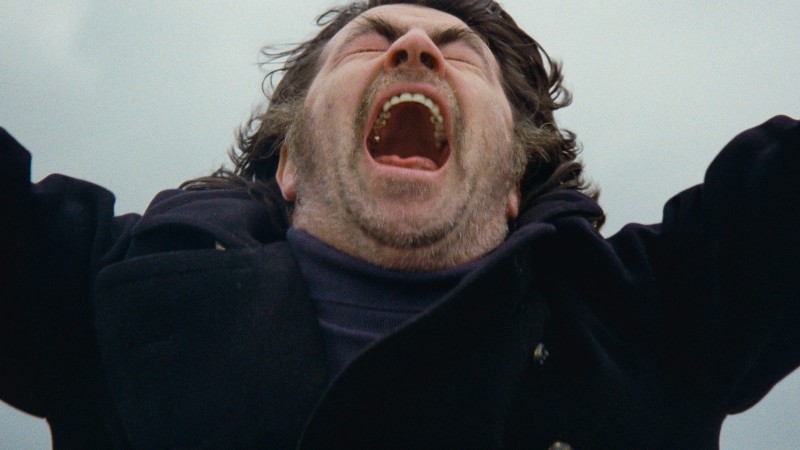
The Shout: Sound and Fury
Blending elements of psychological thriller, social satire, and psychedelic film, Jerzy Skolimowski’s Cannes-award-winning classic uses its audacious sound design to evoke the terror of English civilization.
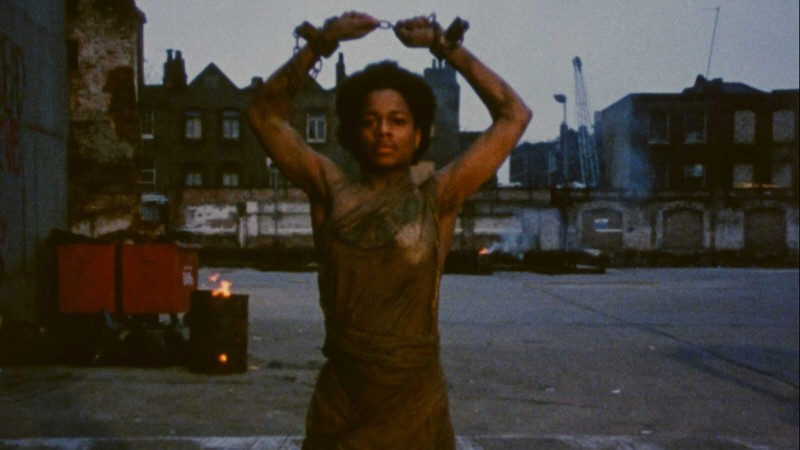
Welcome II the Terrordome: The Future Is Furious
A dystopian drama that draws on the influences of African mythology and hip-hop, Ngozi Onwurah’s debut feature uses a mix of speculative forms to expose anti-Blackness as a system that underpins the modern world.
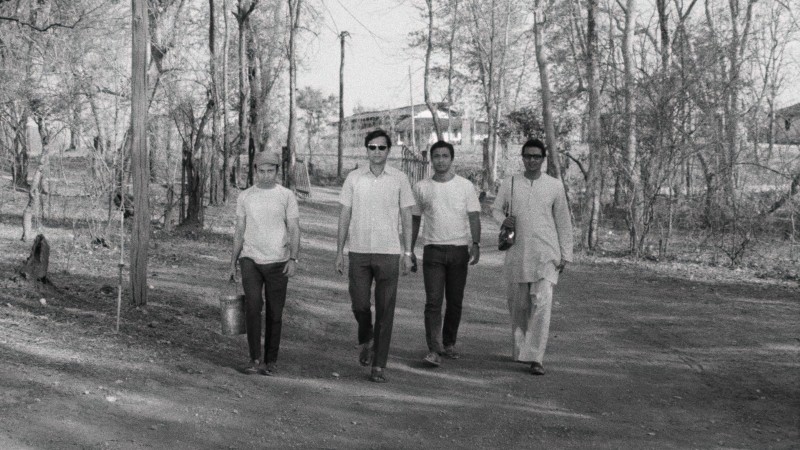
Days and Nights in the Forest: Into the Woods
In this tale of four privileged bachelors who embark on a trip to the Indian countryside, Satyajit Ray balances a biting critique of masculine fragility with splendid visual grace.
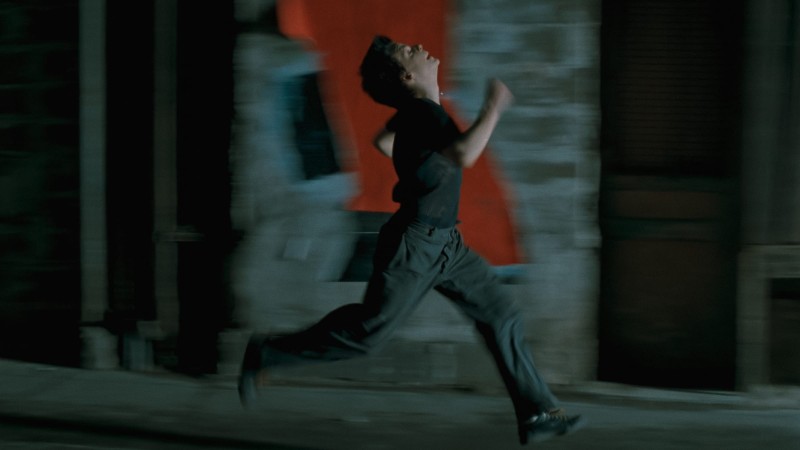
Three Films by Leos Carax: Vital Signs
With their mix of comedy, ecstasy, and aesthetic strangeness, the French auteur’s first three features grant us access to psychic states that we might not otherwise be able to enter.