“A Radical Democracy of Images”: Mike Mills on His Work Outside of Feature Filmmaking
Share
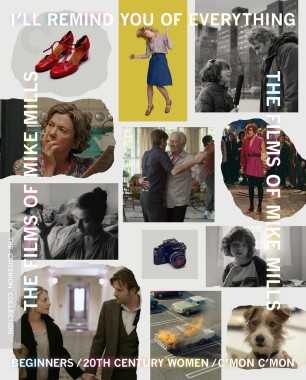
The following interview was conducted in December 2025, as Criterion Collection executive producer Kim Hendrickson and director Mike Mills were working to prepare the box set I’ll Remind You of Everything: The Films of Mike Mills.
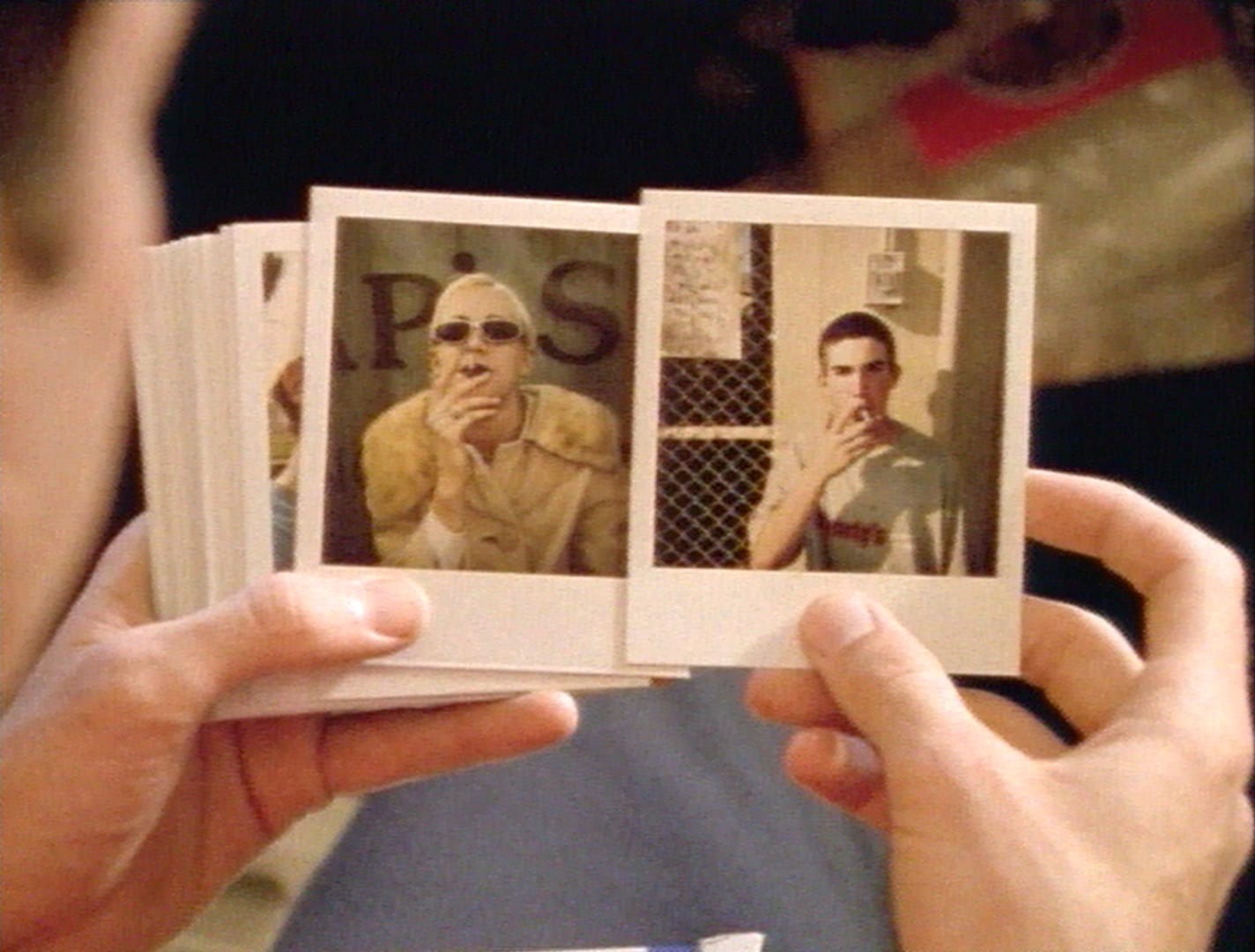
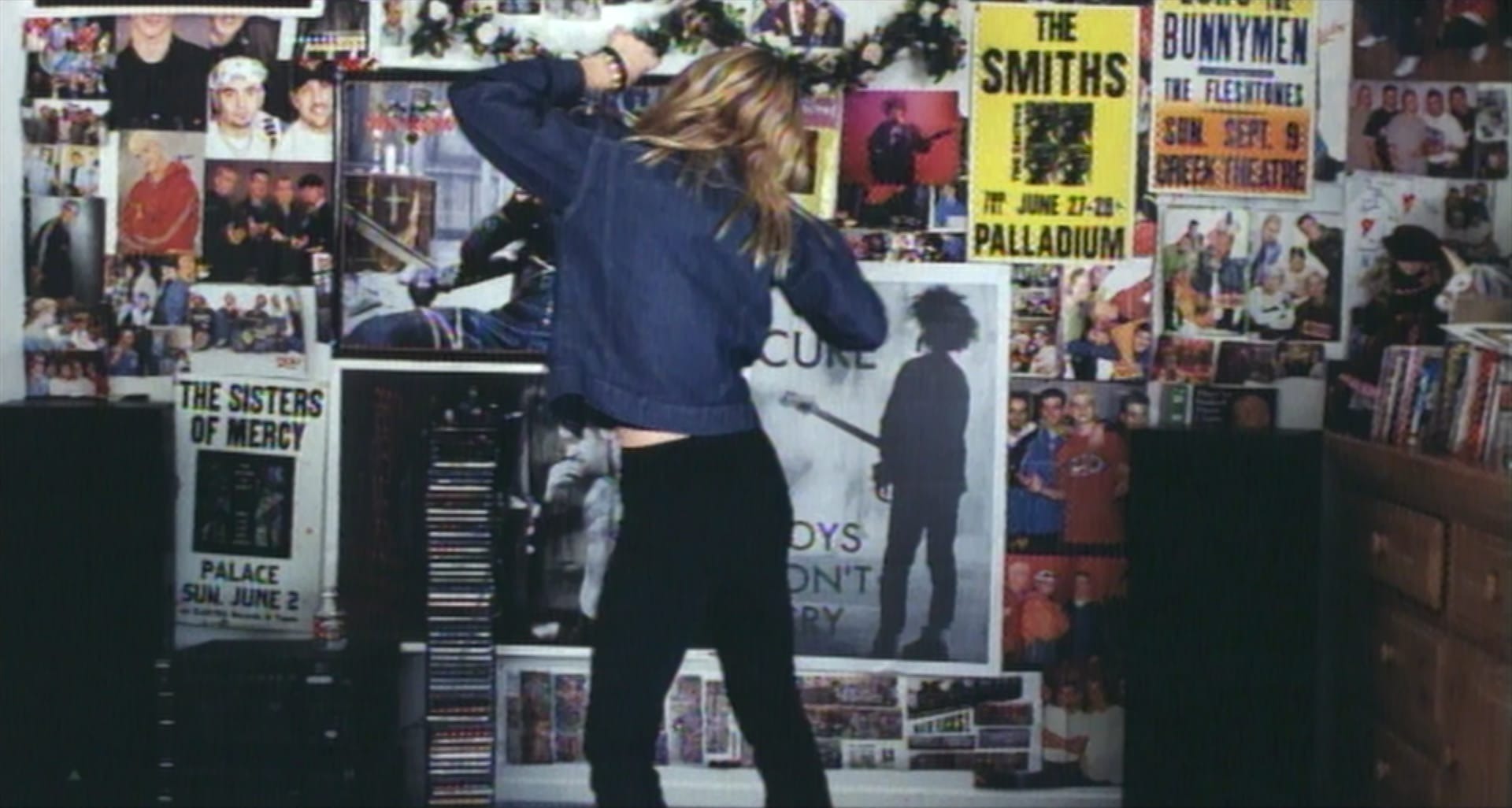
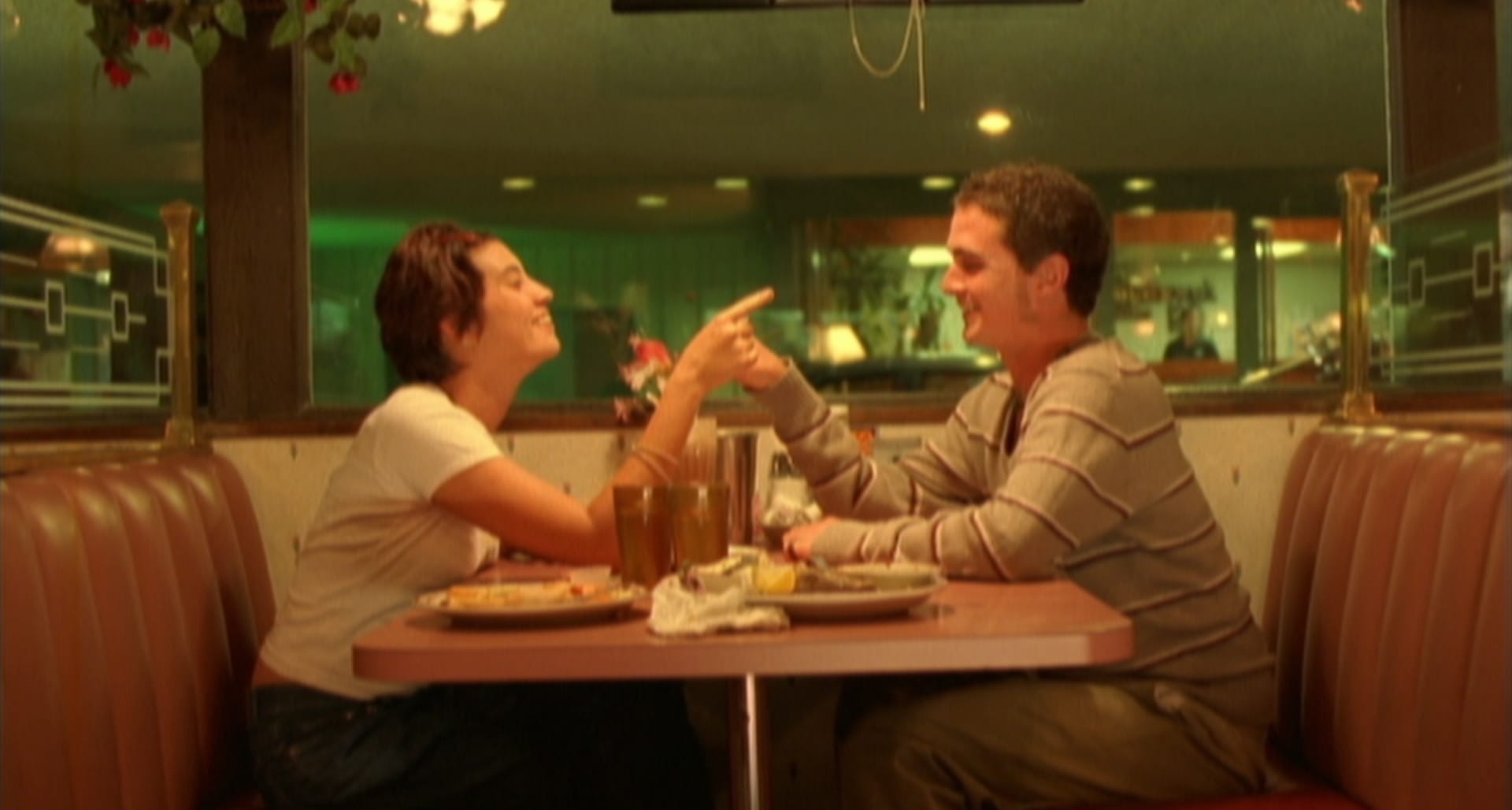
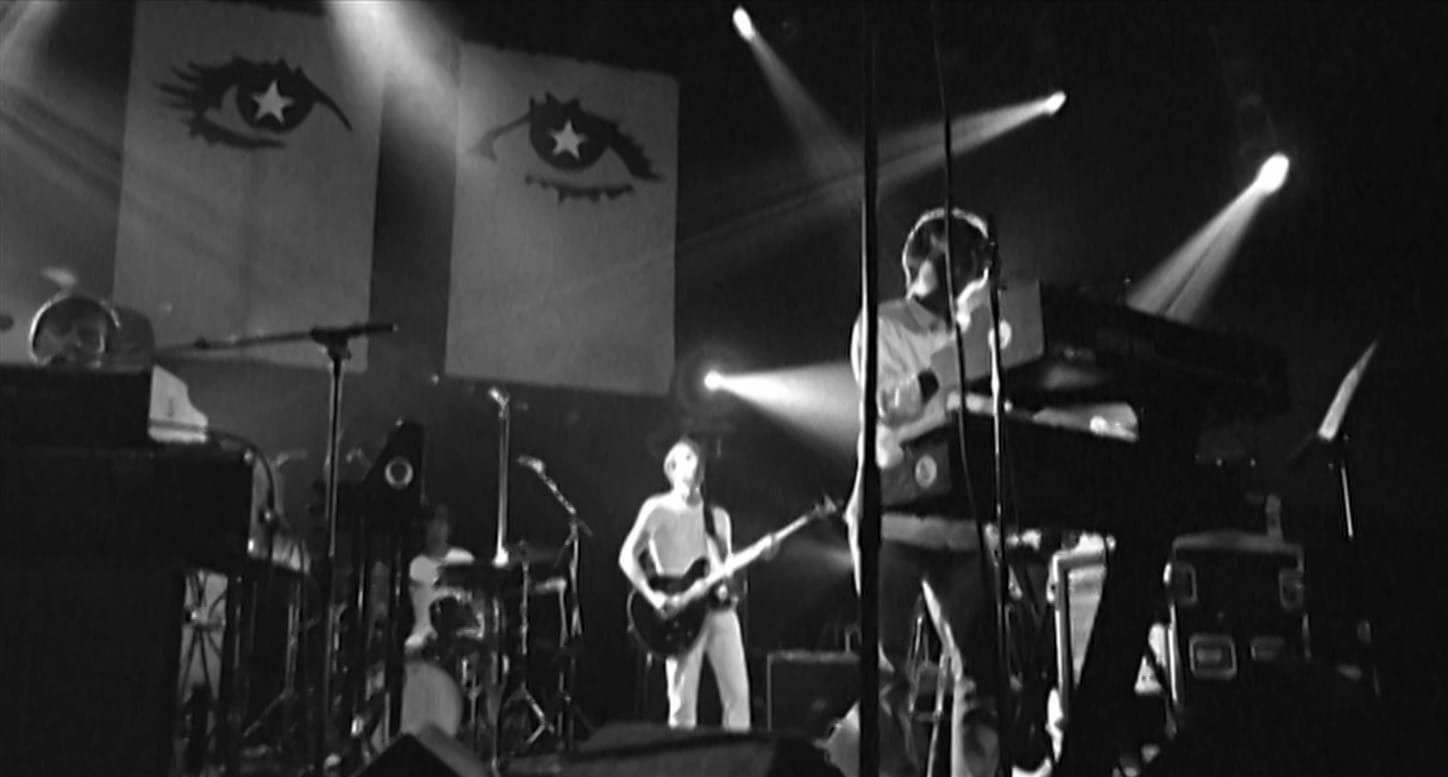
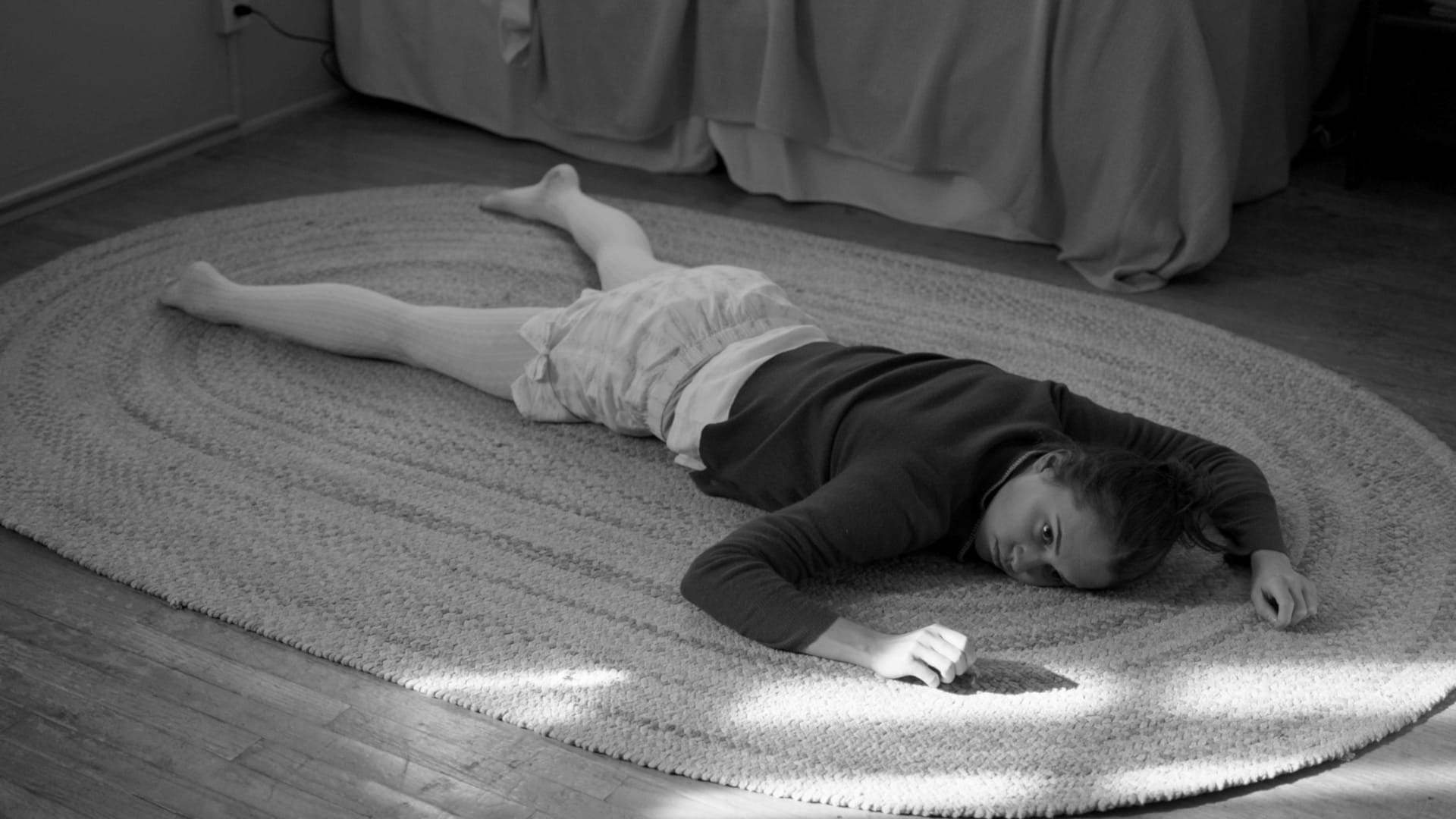

When the idea for a video for “Psycho Killer” came about, the Rhino–Warner Brothers people contacted my reps, and I knew it was going to be the typical video thing where I’m competing against five directors for the project. To me, “Psycho Killer,” like the whole 77 album, is one of the best pieces of art from the twentieth century. So, how in the hell do you come up with a video for that? I was walking around feeling grumpy and put-upon [laughs], and then the idea just came, in one stroke, mostly formed—a repetition of days, seen in the exact same twenty moments. And coming from my own therapy work, I have been very interested in emotions and how I so often don’t trust mine, or feel like I’m having the wrong emotion. I think it was from that experience that I had the urge for her to go through extreme emotions, the way they often feel on the inside, and to externalize them wildly. I thought it would be interesting if the world around her didn’t react accordingly. So we had seventeen moments done thirteen times. Each day, Saoirse Ronan played with one emotion across the whole day: “What is normal?,” people-pleasing, anxiety, loneliness, fear, sadness, disgust, anger/hate, curiosity, ridicule/rebellion, love, joy/freedom, calm/presence.
More: Interviews
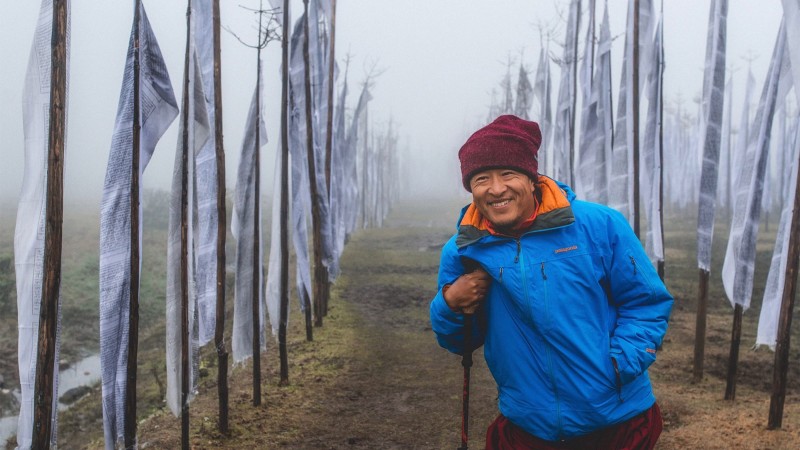
Cinema as a Buddhist Practice: A Conversation with Khyentse Norbu
The Bhutanese director and leading Tibetan Buddhist teacher talks about his wide range of aesthetic influences, his experience working with Bernardo Bertolucci, and film’s connection to meditation.
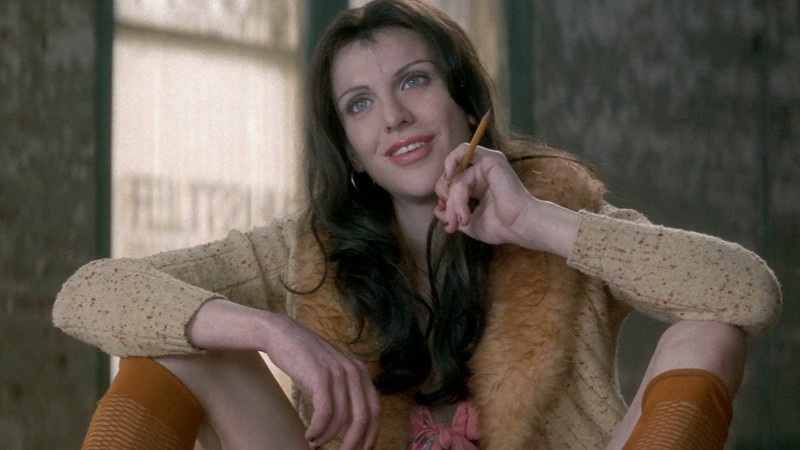
Courtney Love Looks Back on Her Life as a Movie Star
The beloved rock musician reflects on her formative experiences as an actor and her close collaborations with directors Miloš Forman and Alex Cox.
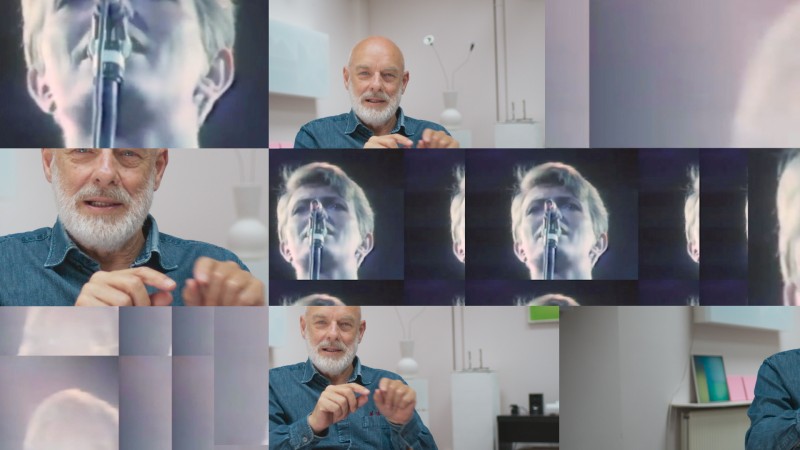
Art with a Life of Its Own: A Conversation with Gary Hustwit
The director behind such documentaries as Helvetica, Objectified, and Urbanized talks about his interest in how designers shape our world and explains the technological innovation at the heart of his new film about legendary musician Brian Eno.
Charting the Rise of Trans Filmmaking with Caden Mark Gardner and Willow Catelyn Maclay
The curators of a showcase of trans directors now playing on the Criterion Channel discuss the work of these trailblazing artists, who have brought new layers of nuance and insight to cinematic depictions of their community.