


26Sep05
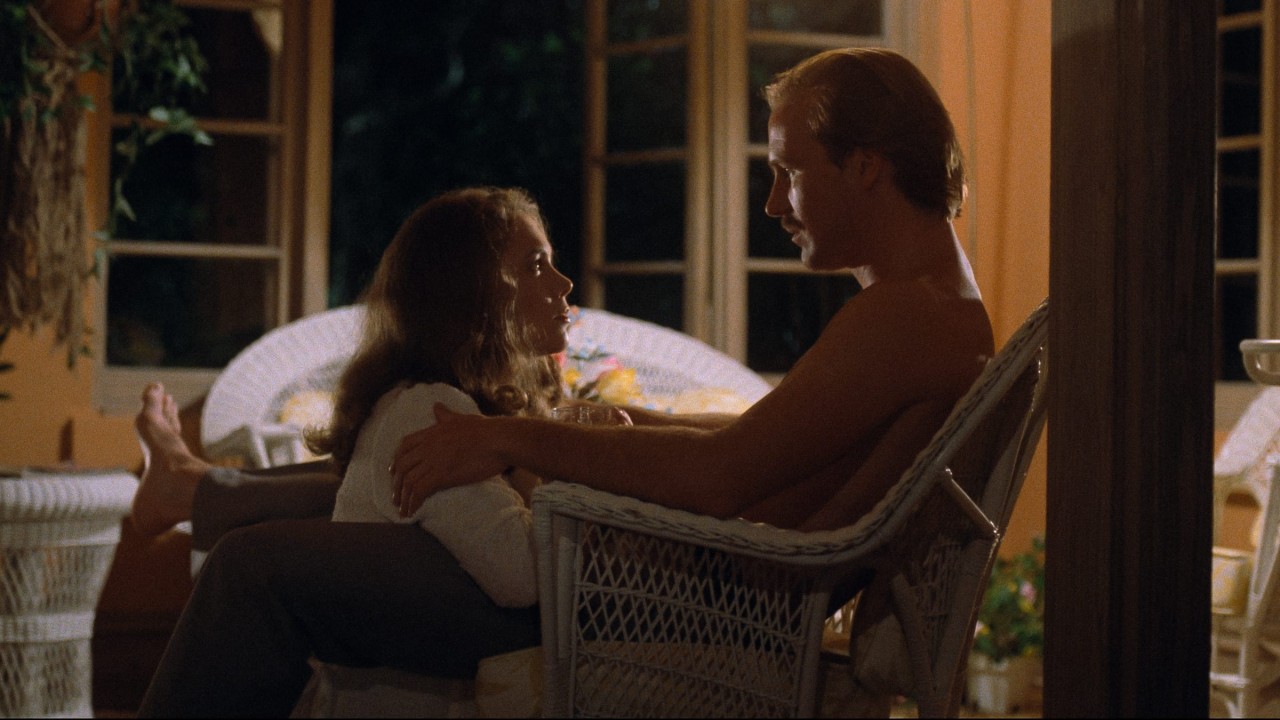
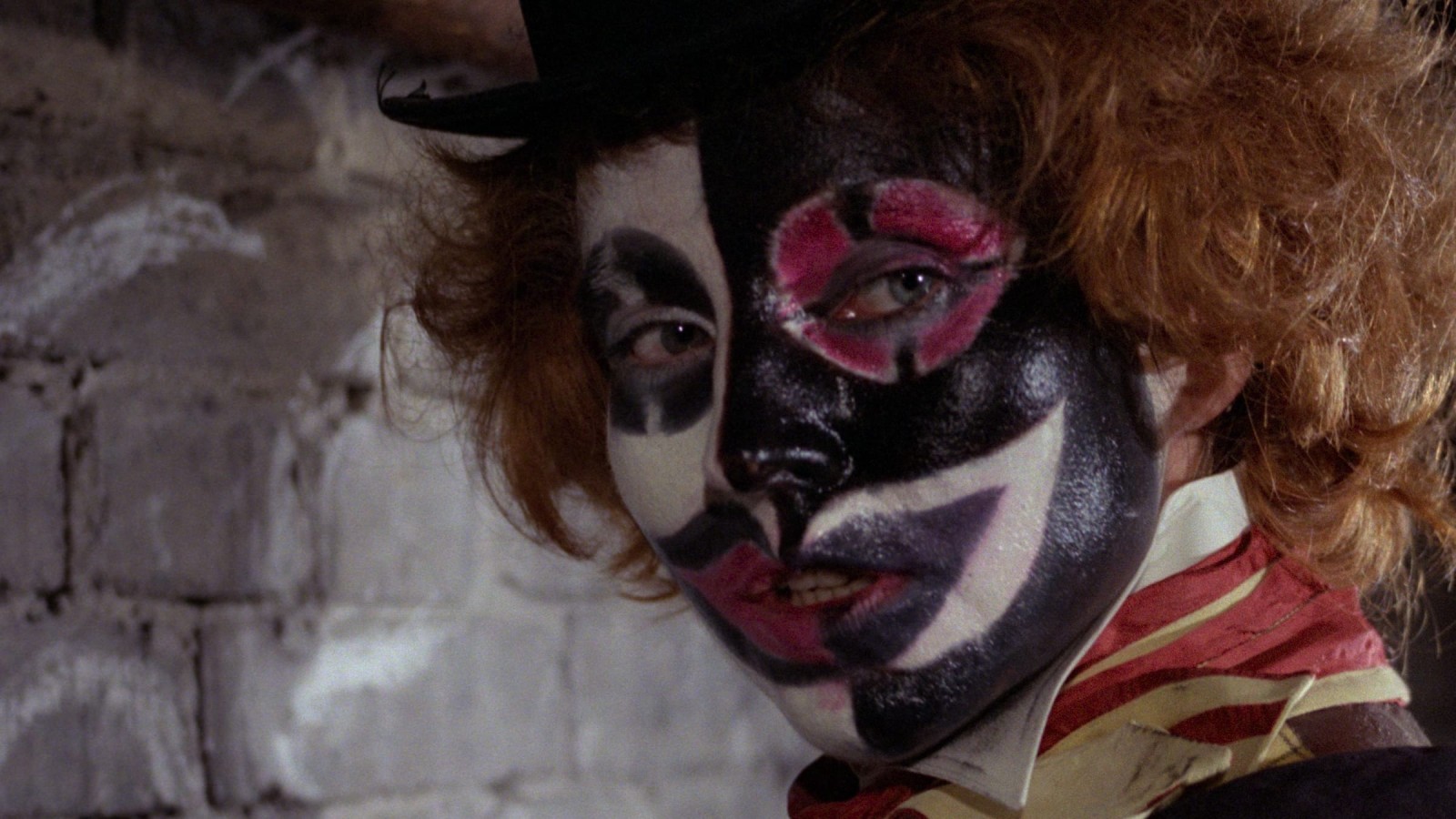
“They were down for each other.” If one wanted to pitch the concept of Bad Timing in six words, this comment by its director, Nicolas Roeg, couldn’t be bettered. “They” are two lovers who meet by chance, though it’s the kind of chance that has a strong element of psychological necessity. It’s the attraction/repulsion of complete opposites, a force that will bind them to each other even while they torture each other.
There are other ways of unpicking that phrase, of understanding what put them down for each other. It might have been a fate with a malicious sense of humor—in their blind extremes, this pair deserve each other. It might have been a kind of Gothic doom, which the film’s lighting and design gradually emphasize. It might even have been a mysterious logic in the nature of things, which the film seems to be following in the way it breaks up and rearranges everything in mosaic patterns, where details of attitude and behavior, speech and gesture, pass from character to character.
26Sep05
Science-fiction drama, western, love story, metaphysical mystery, satire of modern America—The Man Who Fell to Earth is the most beguiling of the films that, in a dozen years embracing the 1970s, established Nicolas Roeg as a mainstream heir to such 1960s experimentalists as Alain Resnais, Jean-Luc Godard, and Chris Marker. With its fragmented narrative, its genre hopping, its strategic crosscutting, and its dense tapestry of disassociative visual and musical allusions, the film was an enigma for many of the British critics who warily reviewed it in April 1976, and no less so for their American counterparts when it was released in the United States, minus twenty crucial minutes, two months later.
Indeed, it was a puzzle to many of those involved in bringing it to the screen. David Bowie, who claimed he never read the script, experienced it primarily as a love story. Buck Henry thought it might be a metaphor for the misunderstood artist. Donald Rugoff, who paid $800,000 to acquire the U.S. distribution rights to the $4 million project and then oversaw its butchering after taking advice from a psychiatry professor and college students, among others, admitted that he didn’t understand it and felt "it was one of the weirdest films I’ve ever seen."
19Sep05
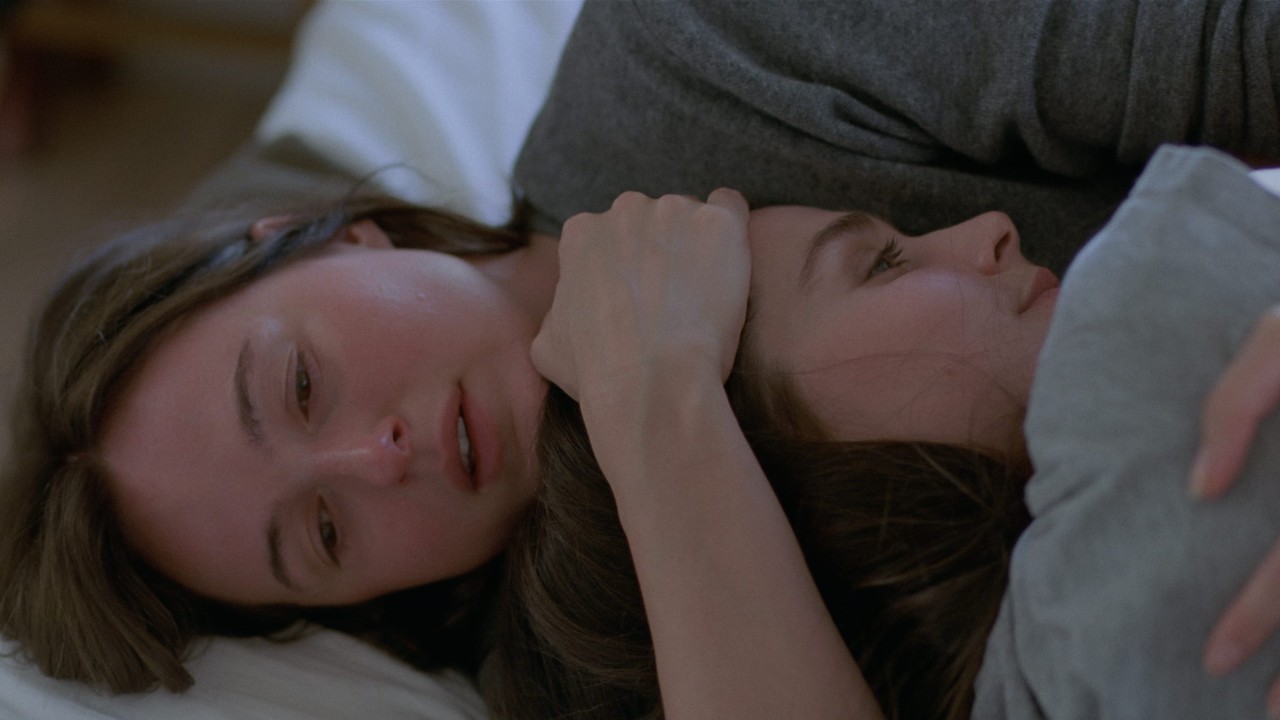
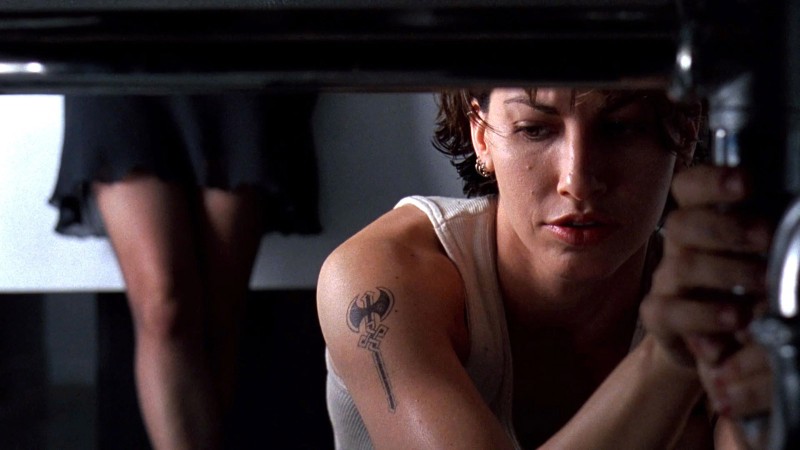
Jane Campion is a rarity, not simply because she is a world-class female director, but because she has devoted her career to exploring female subjectivity: all of her feature films and most of her early short films are constructed around female experience, female heroes, and female points of view. The New Zealand director arrived on the international stage in 1986, when she presented several short films and her first feature, Two Friends, at the Cannes Film Festival; one of the shorts won the grand prize. To date, she has made seven features, and although her heroines have enormous variety—the symbiotically attached lower-middle-class sisters of Sweetie, one of them playing the id to the other’s superego; the beautiful, impetuous Isabelle (Nicole Kidman), depicted, from beginning to end in Portrait of a Lady, Campion’s adaptation of Henry James’s novel, as a hunted animal; Frannie (Meg Ryan), the New York City college teacher in the controversial In the Cut, who nearly comes to grief because she distrusts and second-guesses her sexual desires—they share an awareness that their personal experience of the world is out of sync with social codes and norms and with the expectations of others. “I think of my heroines as going into the underworld in a struggle to make sense of their lives,” Campion told me when I interviewed her in 2003, just before In the Cut’s release. “I think the real danger is in playing safe and avoiding the truth of your imagination in your art and in your life.”
Campion was speaking mostly about Frannie, the New York sophisticate, but her words suggest why she was drawn to Janet Frame, a fellow New Zealander, whose three-part autobiography is the basis of An Angel at My Table. In interviews, Campion has described the lasting impression made on her by Frame’s novels, which she read when she was about thirteen. She was moved by their sadness and by particularly traumatic incidents, such as the death of the sister who falls onto a pile of burning trash in Owls Do Cry. Campion’s close and complicated relationship with her own sister has found its way into several of her films, and it is likely that the shocking, somewhat grotesque death of the schizophrenic sister in Sweetie can be traced back to that early encounter with Frame’s fiction. Fifteen years later, when Campion was attending film school, she read Frame’s autobiography (one volume of which is titled An Angel at My Table). Having heard rumors that Frame was mad and locked away in an asylum, she was surprised at how much the childhood Frame wrote about resembled her own and how perfectly normal the writer seemed to be. At that point, Campion had only made one or two shorts, but she knew immediately that she wanted to make a film based on Frame’s autobiography, and that the proper venue for the material was television. The kind of television experience Campion must have had in mind is the intimate one of watching a movie alone, which can produce a sense of solitude akin to that of getting lost in a book. It was only in the solitude of reading and writing, or of being alone in nature, that Frame, who was intensely shy, found pleasure in life.
19Sep05
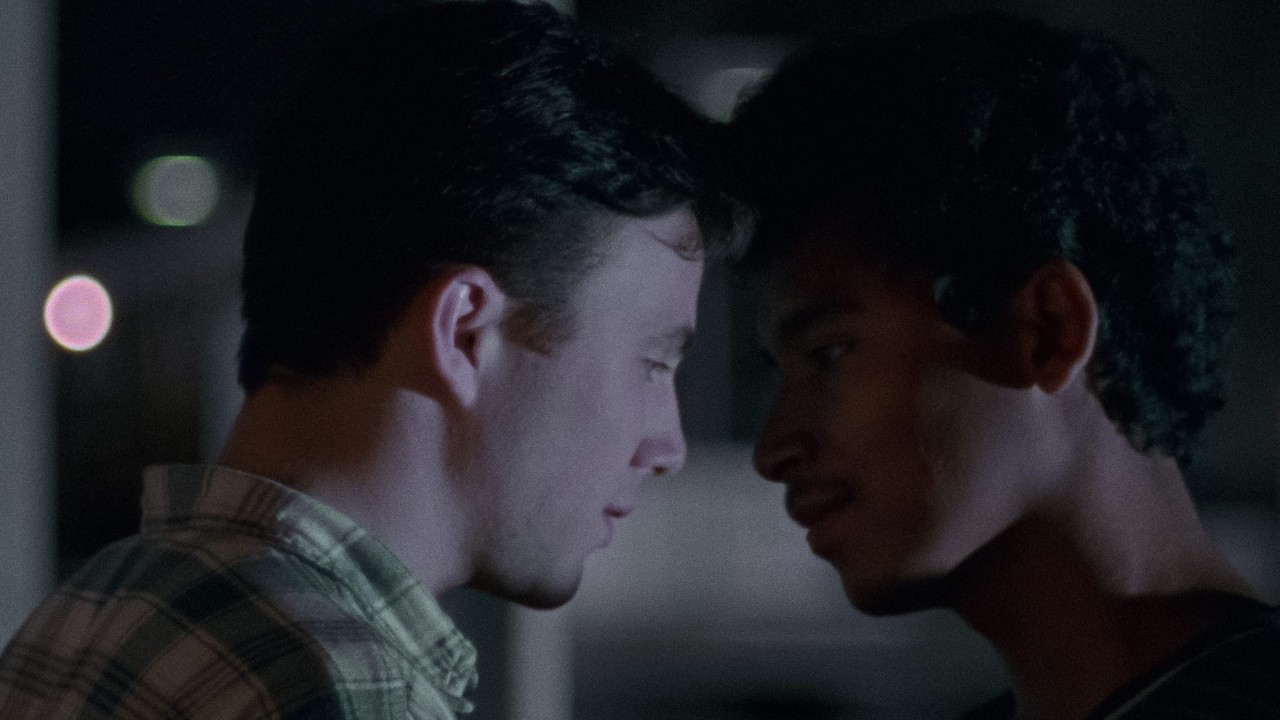
Naked is the angriest, most bitterly critical attack on the false values of society that Mike Leigh, Britain’s constant chronicler of the tragic comedy of desperate lives, has ever made. Its audacity is that the attack is mounted through a central character of whom few would approve. Johnny (David Thewlis) is, in fact, a classic antihero, who blasts away at the hypocrisy inherent in the Britain of the immediate post-Thatcher era much like a latter-day version of John Osborne’s Jimmy Porter. Yet such is the power of the film that Leigh is also able to include, without in any way seeming to placate his audience, moments of compassion, gentleness, and humor, which prevent Naked from seeming merely a bilious, if gloriously eloquent, rant. It is not just that. In fact, it is one of the greatest, most memorable, if decidedly uncomfortable, British films not only of its decade but of the entire second half of the twentieth century.
Yet there are still people who mistake it. I have heard it said that Johnny is Leigh himself in another guise, and that the film’s misogynist tone and occasional parodic elements show the flaws of the director rather than his virtues. But this is to look at the film through dark glasses, unable to see its many subtleties: the sometimes cruel but more often sympathetic comedy of characters who, unlike Johnny, cannot express what they are feeling; the way even those with the smallest parts are so precisely observed, like the weeping young woman whom Johnny virtually rapes before he sets out for London. This is undoubtedly the result of the long periods of rehearsal, during which Leigh’s actors refine their parts until a formal screenplay, written by Leigh, can be agreed.
19Sep05

When I was a teenage cinephile, in the mid-seventies, Masculin féminin was enormously significant to me. It repre-sented France’s nouvelle vague of the 1960s, with its youthful, anarchic spirit of freedom and spontaneity. It was in black and white and featured icons like Jean-Pierre Léaud, and even, fleetingly, Brigitte Bardot. It spoke of love and sex and politics and work. It captured every teenager’s dream of hanging out and fooling around in Parisian cafés. It spoke—way beyond its specific place and time of France in 1965—to the confusions of any modern generation stranded between the no-longer-workable moral values of a vanishing world and the yet-to-appear arrangements of a new order.
Masculin féminin also existed entirely in my head—as a perfectly imaginary object, a little like the ideal movie that Paul (Léaud) himself “secretly wanted to live”—thanks to the fact that my only access to it at the time was through a gorgeous fetish object published by America’s Grove Press, in 1969, a transcription of the film accompanied by many luminous frame reproductions. Perhaps I was not so far from the characters in the film, who, as Stig Björkman once wrote, live their passions and fantasize their Sartrean “engagement” in reality not just vicariously but “intravenously.” They are, after all, the “children of Marx and Coca-Cola” (as a famous intertitle describes them), carried along by the first great tidal wave of pop culture consumption.