

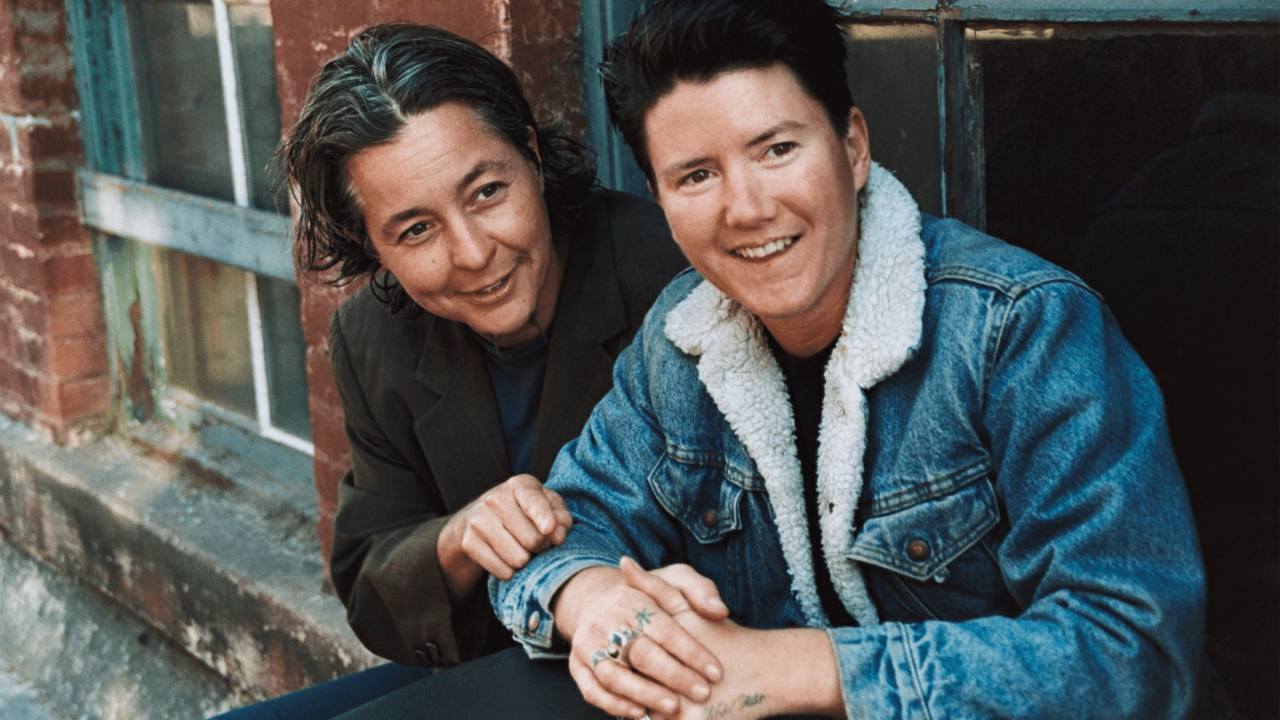
Charting the Rise of Trans Filmmaking with Caden Mark Gardner and Willow Catelyn Maclay
Share
Despite what is often assumed about the history of trans representation in cinema, it is not a simple story of marginalization and stigmatization. In their 2024 book Corpses, Fools, and Monsters: The History and Future of Transness in Cinema, critics Caden Mark Gardner and Willow Catelyn Maclay explore not just how the community has been portrayed on-screen but also how trans moviegoers have responded, passionately engaging and arguing with an art form that has not always loved them back. Drawing on their own writing, Gardner and Maclay have curated a Criterion Channel series that throws the spotlight on groundbreaking trans directors who have reclaimed the medium for themselves, and have brought new levels of nuance and immediacy to the depiction of trans lives in both narrative and documentary cinema. Recently, I spoke with the programmers about the wide-ranging selections in the lineup, as well as the innovative methods of production and distribution that have opened new doors for today’s vanguard of trans filmmakers.

More: Interviews
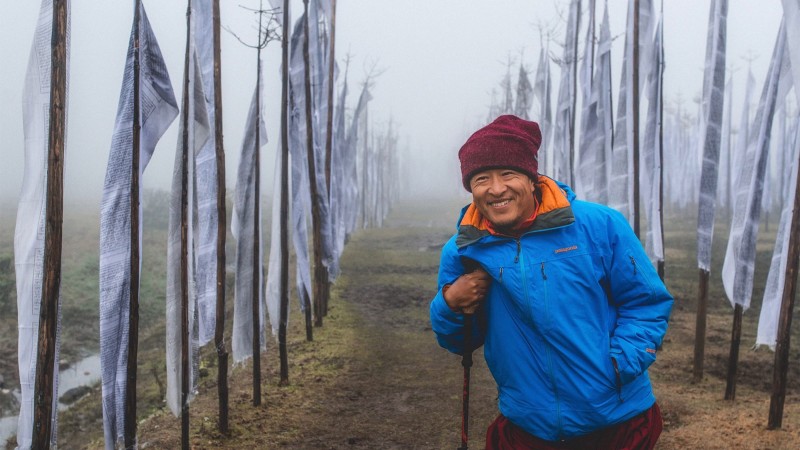
Cinema as a Buddhist Practice: A Conversation with Khyentse Norbu
The Bhutanese director and leading Tibetan Buddhist teacher talks about his wide range of aesthetic influences, his experience working with Bernardo Bertolucci, and film’s connection to meditation.
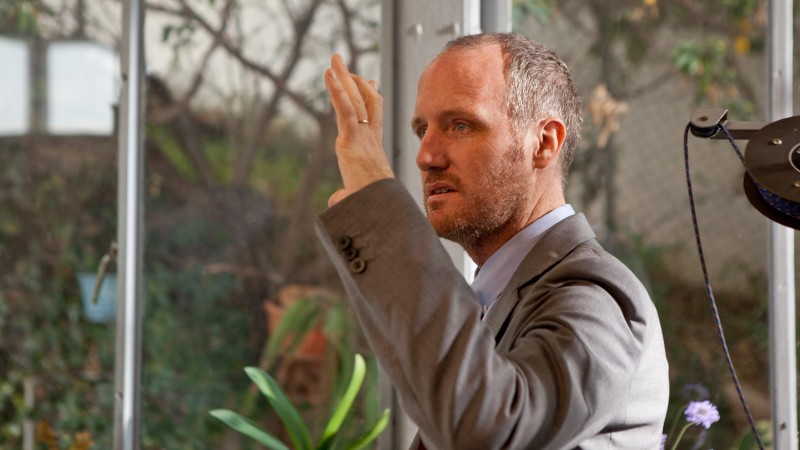
“A Radical Democracy of Images”: Mike Mills on His Work Outside of Feature Filmmaking
The filmmaker looks back on the experiences that have shaped his creative life, including his time in art school, his work as a graphic designer and music-video director, and his early interest in documentary cinema.
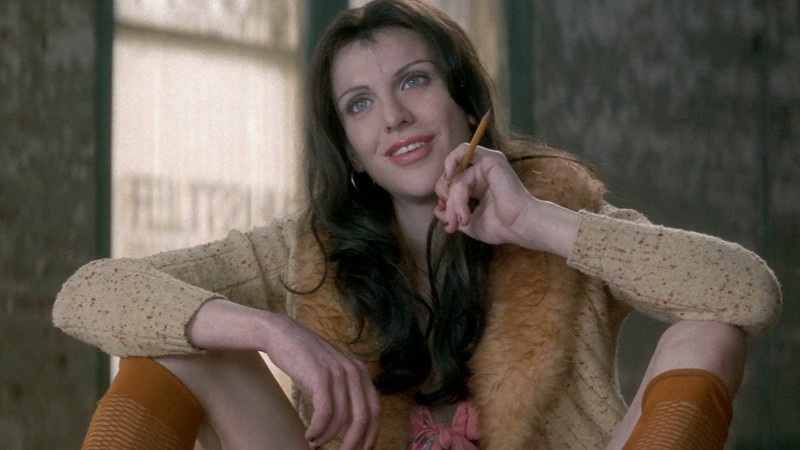
Courtney Love Looks Back on Her Life as a Movie Star
The beloved rock musician reflects on her formative experiences as an actor and her close collaborations with directors Miloš Forman and Alex Cox.
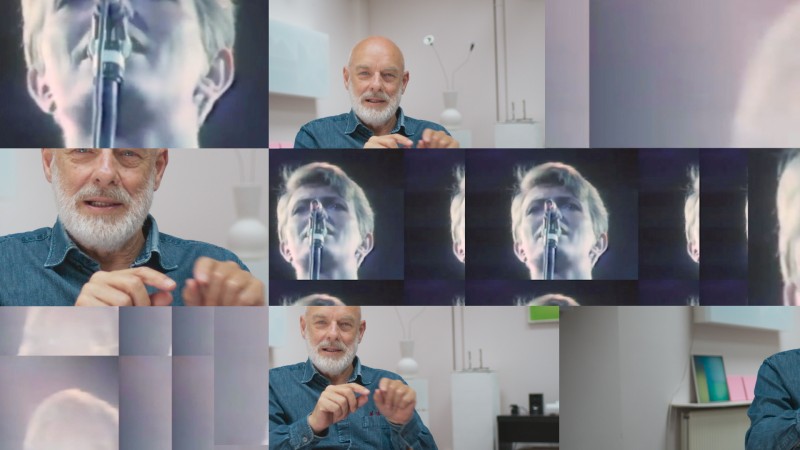
Art with a Life of Its Own: A Conversation with Gary Hustwit
The director behind such documentaries as Helvetica, Objectified, and Urbanized talks about his interest in how designers shape our world and explains the technological innovation at the heart of his new film about legendary musician Brian Eno.