





19Jun06

Dramatic Principles in Stop-Motion:
A Discussion of Animation in the Fantasy Film
BY DAVID ALLEN

This essay originally appeared in the fanzine PHOTON (issue #22), in 1972.

Stop-motion animation has been attracting a growing number of enthusiasts for about the last ten years, and though it seems the majority of these people must out of necessity be disappointed, many of them have an interest that extends beyond curiosity into a hope for professional careers. Perhaps to this group more than anyone, I would like to try to make some general remarks about the aesthetics of stop motion, and while it may be difficult to keep a particular framework intact for this, I hope that some discussion of the things that have been important to me will be of some interest to others, also.

As will be guessed from what follows, the basic inspiration for my work was provided by the 1952 re-release of King Kong. Later, of course, Ray Harryhausen’s work directed my interests into specific interests of technical study. At this point, I would like to pause and say two things. The first is that it would be difficult to give Mr. Harryhausen too much credit for the technical and stylistic advances which he has contributed to the animated fantasy film. His industry, perseverance, and artistry are apparent to anyone familiar with his career. The 7th Voyage of Sinbad alone was a revolutionary achievement, not only because of the technical challenge that color presented, but more importantly because it freed animation from the realistic—usually dinosaur-oriented—stop-motion film, opening up many more romantic possibilities. I need go no further than my own work to demonstrate his influence.  

Film_338w_equinox_w160

Equinox

Jack Woods

1970

82 min

Color

1.33:1

0 Comments

19Jun06

Backyard Monsters:
Equinox and the Triumph of Love
BY BROCK DESHANE


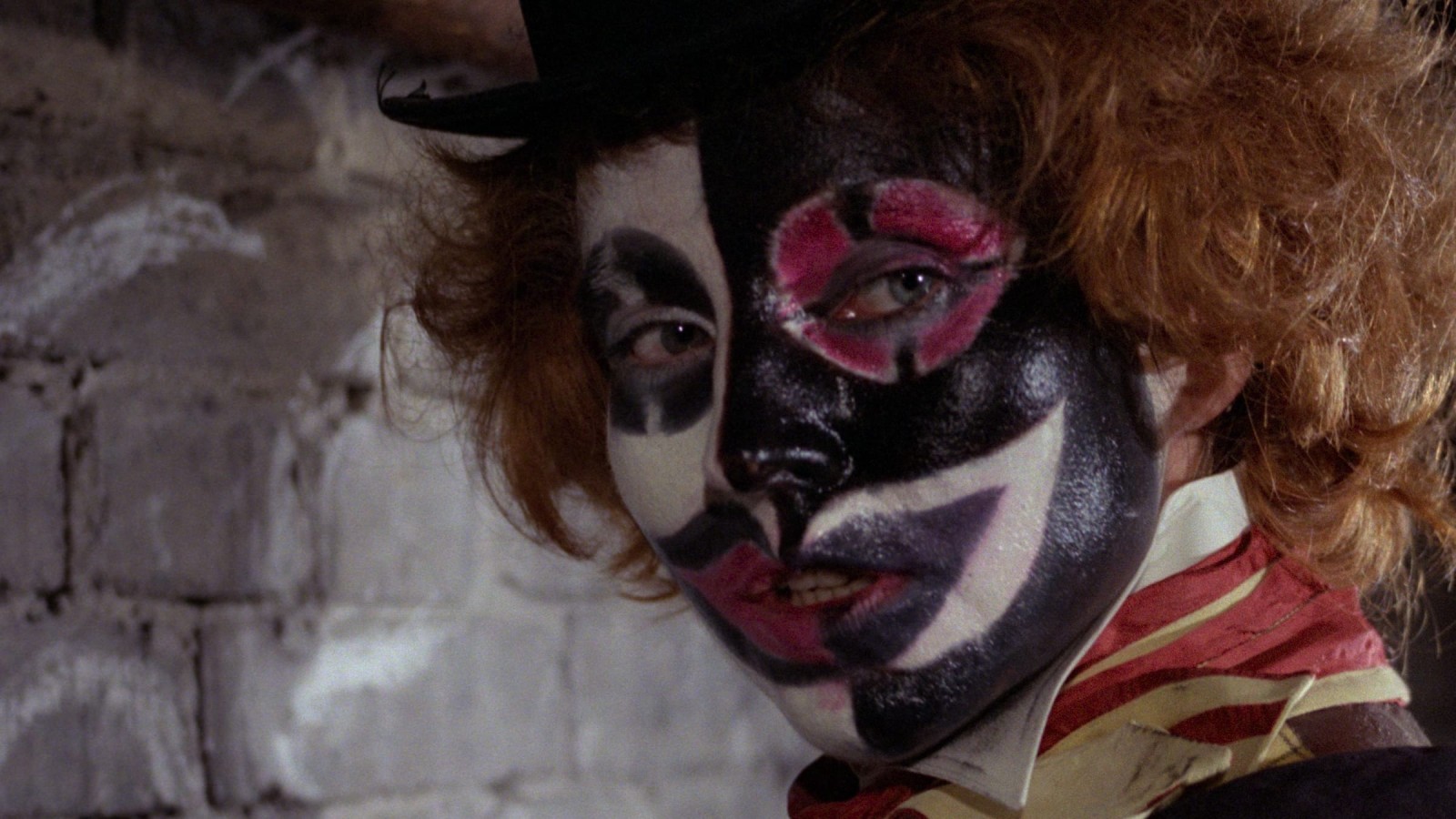
By 1965, the cinema had edged toward the brink of worldwide revolution. In France, Jean-Luc Godard was leading a new wave of critics-turned-directors, bent on the transformation of traditional production theories. High in the mountains of Colorado, film poet Stan Brakhage completed his 16mm epic The Art of Vision, a handmade declaration of cinematic independence and amateur aesthetics. Closer to the commercial industry, iconoclasts Roger Corman and John Cassavetes were sidestepping a dying studio system that had fallen out of touch with a rapidly changing culture. And in suburban Los Angeles, just a few miles from the ruins of Hollywood, three kids decided to make a monster movie.

All under the age of twenty-one, Dennis Muren, Mark McGee, and David Allen were as rabid in their cinephilia as Godard and his band of Cinémathèque outsiders. Instead of worshipping at the altar of Nicholas Ray or Jean Renoir, however, these kids found nirvana in visual-effects gurus like Willis O’Brien (King Kong, 1933), Ray Harryhausen (The 7th Voyage of Sinbad, 1958), and A. Arnold Gillespie (The Wizard of Oz, 1939). They even had their own Cahiers du cinéma, in the form of a ghoulish gazette, edited by Forrest J Ackerman, called Famous Monsters of Filmland (known as FM by aficionados). Ackerman’s influential magazine, published by James Warren, was a photo-filled, kid-friendly celebration of creature features that ran articles on amateur filmmaking and fostered interaction with, and between, its young readers. McGee sometimes wrote for FM (including a career retrospective for Harryhausen’s birthday), and in January 1962, Ackerman featured a story on Muren’s collection of monster­-movie memorabilia called “Horrors of the Muren Museum.” But it was a personal ad in the May 1962 issue, attributed to aspiring stop-motion animator David Allen (McGee says it was actually written by a friend on Allen’s behalf), that would bring these three fans together for the first time.  

Film_338w_equinox_w160

Equinox

Jack Woods

1970

82 min

Color

1.33:1

0 Comments

5Jun06

Dazed and Confused: Dream On . . . BY KENT JONES

“What did things look like back then?”

We always begin with the visible when we describe past experience. It’s safe ground, easily indexable and quantifiable. Yet we never stay there for long. “The trees were green, the sky was blue, there was a path that led to the ocean . . .” With the metaphorical employment of the verb to lead, the safety of the visible gives way to the excitement of the nonindexable and antiquantifiable. It is no longer just a matter of how things looked, but of how it felt to move among these trees, under this sky, down this path on this day.

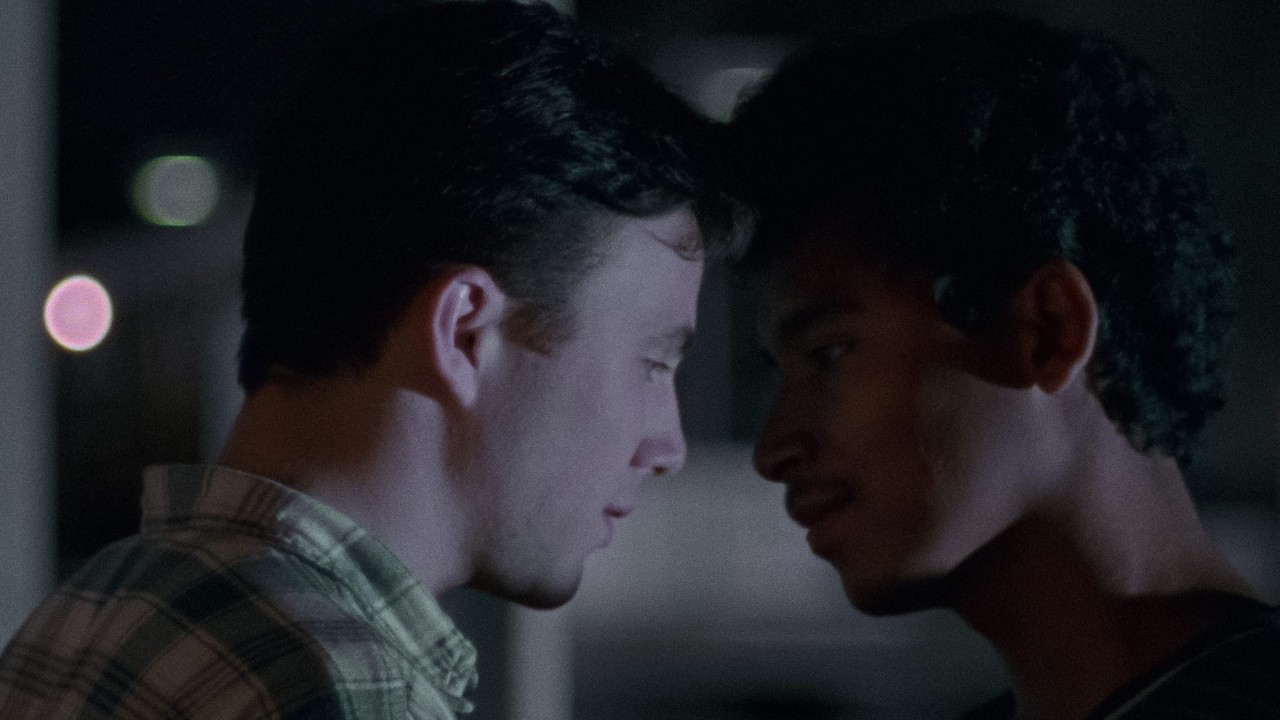
“Perhaps the immobility of the things that surround us is forced upon them by our conviction that they are themselves and not anything else, by the immobility of our conception of them.” Here is a perfect elucidation (from Proust, of course) of the pitfalls of historical filmmaking. There have been many movies, some perfectly good and some absolutely awful, that have gotten stuck in the “look” of the period they’re covering. The historical researcher, the production designer, the art director, and the dialogue coach are allowed free reign, and you wind up with a movie that starts and stops with each new shot—and completely fails to address the question of what it felt like to be alive. The right drapes and dishes will always retain the immobility with which they are imagined and remain nothing more than judicious choices if the film­makers pay no attention to how the characters around them move. In the opening moments of Goodfellas, for instance, the cars and the suits look right, but it’s the cut to a close-up of the car rising as its shock absorbers are relieved of the burden of the fat gangster in the backseat that jolts us to attention, and the period and the movie to life.  

P2_w160

Dazed and Confused

Richard Linklater

1993

103 min

Color

1.85:1

1 Comments

5Jun06

À nos amours: The Ties That Wound BY MOLLY HASKELL

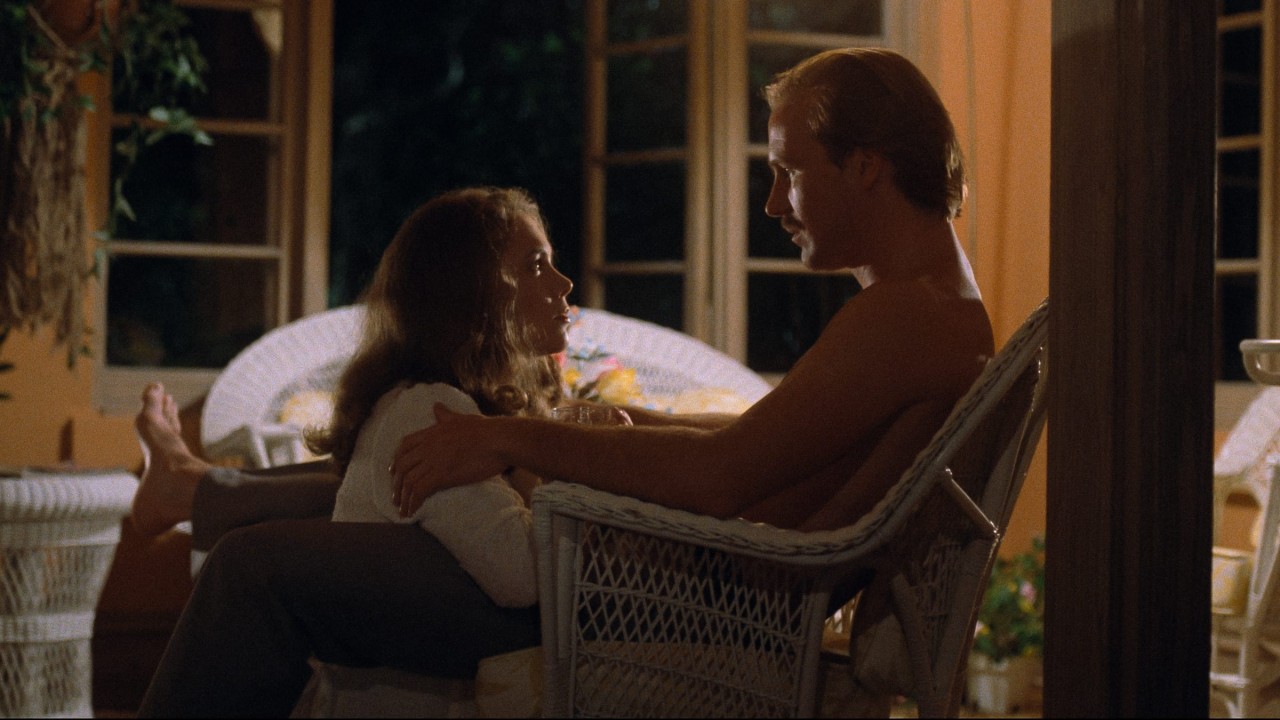
The teenage girl on the cusp of sexual awakening is a beloved icon of French cinema. Part child, part femme fatale, innocent and dangerous in equal proportions, these schoolgirl seductresses, born to blossom under the eye of the camera, have exerted a fatal fascination for Pygmalion auteurs who seek to capture and unveil this drama of unfolding. But over the years, as one transfixing newcomer after another, barely out of braces and backpacks, embarks on the vita sexualis, we have to wonder, whose sexuality is it, exactly? Is this the way they see themselves, are these their yearnings, or is this precocious sensuality a projection of the guilty desires and fears of directors old enough to be their fathers? In his 1983 masterpiece, À nos amours, Maurice Pialat confronts this powerful dilemma head-on. The dazzler here is sixteen-year-old Sandrine Bonnaire, in her first film, playing a sultry, dimpled fifteen-year-old whose sexual awakening threatens to blow the lid off her entire family.

Wondering about love, tasting the fruits of forbidden sex, wantonly disobeying rules, yet simultaneously bored and confused, a bit of a slut but a “nice girl” too, Suzanne is a study in teenage volatility and blithe provocation. As she goes through lovers like revolving doors, she is coming into her own as a wildly desirable woman under the eyes—watchful, protective, but with barely concealed yearning—of her father, played by Pialat himself. In an apartment that is also the couple’s fur workshop, the ­mother, brilliantly played by Evelyne Ker, is torn between loving concern and uncontrollable jealousy, while the no-less-ambivalent brother (Dominique Besnehard) plays his own violent part in the thermonuclear ­family romance.  

Film_337w_anosamours_w160

À nos amours

Maurice Pialat

1983

102 min

Color

1.66:1

0 Comments

2009 01 02 03 04 05 06 07 08 09 10 11 12

2008 01 02 03 04 05 06 07 08 09 10 11 12

2007 01 02 03 04 05 06 07 08 09 10 11 12

2006 01 02 03 04 05 06 07 08 09 10 11 12

2005 01 02 03 04 05 06 07 08 09 10 11 12

2004 01 02 03 04 05 06 07 08 09 10 11 12

2003 01 02 03 04 05 06 07 08 09 10 11 12

2002 01 02 03 04 05 06 07 08 09 10 11 12

2001 01 02 03 04 05 06 07 08 09 10 11 12

2000 01 02 03 04 05 06 07 08 09 10 11 12

1999 01 02 03 04 05 06 07 08 09 10 11 12

1998 01 02 03 04 05 06 07 08 09 10 11 12

1997 01 02 03 04 05 06 07 08 09 10 11 12

1996 01 02 03 04 05 06 07 08 09 10 11 12

1995 01 02 03 04 05 06 07 08 09 10 11 12

1994 01 02 03 04 05 06 07 08 09 10 11 12

1993 01 02 03 04 05 06 07 08 09 10 11 12

1992 01 02 03 04 05 06 07 08 09 10 11 12

1991 01 02 03 04 05 06 07 08 09 10 11 12

1990 01 02 03 04 05 06 07 08 09 10 11 12

1989 01 02 03 04 05 06 07 08 09 10 11 12

1988 01 02 03 04 05 06 07 08 09 10 11 12

1987 01 02 03 04 05 06 07 08 09 10 11 12

1986 01 02 03 04 05 06 07 08 09 10 11 12

1985 01 02 03 04 05 06 07 08 09 10 11 12

1984 01 02 03 04 05 06 07 08 09 10 11 12