


29Apr09

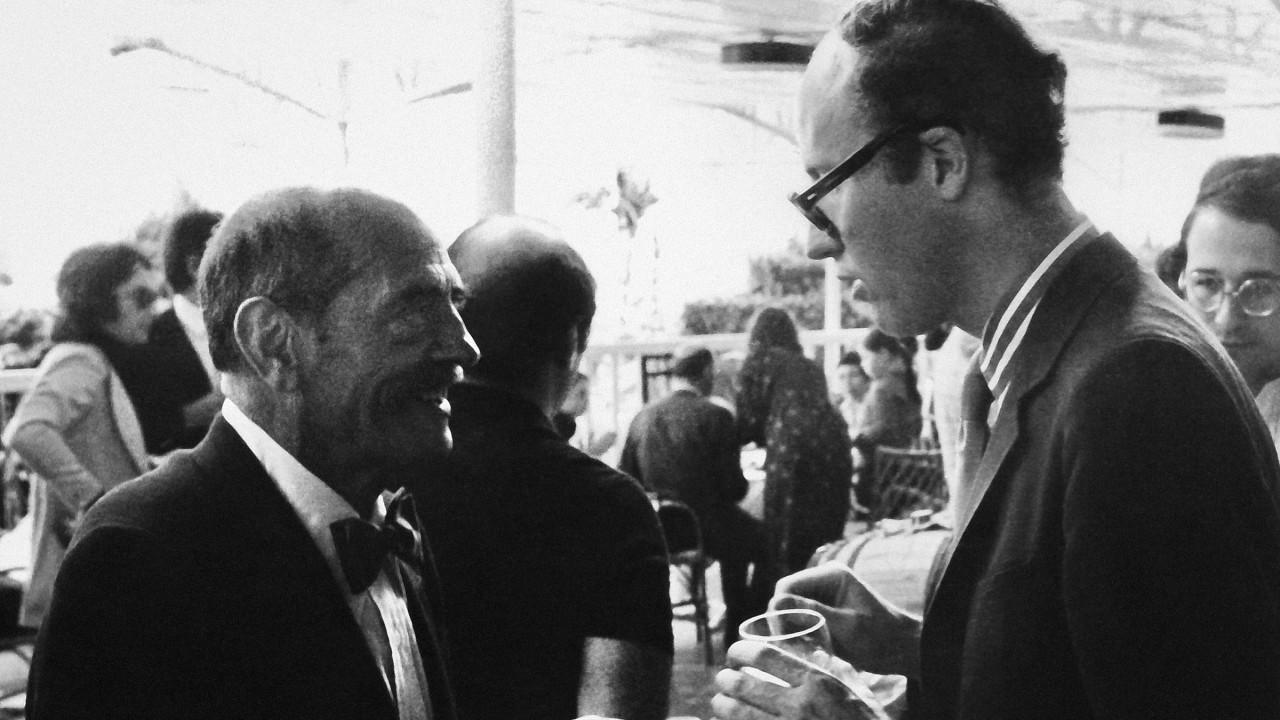
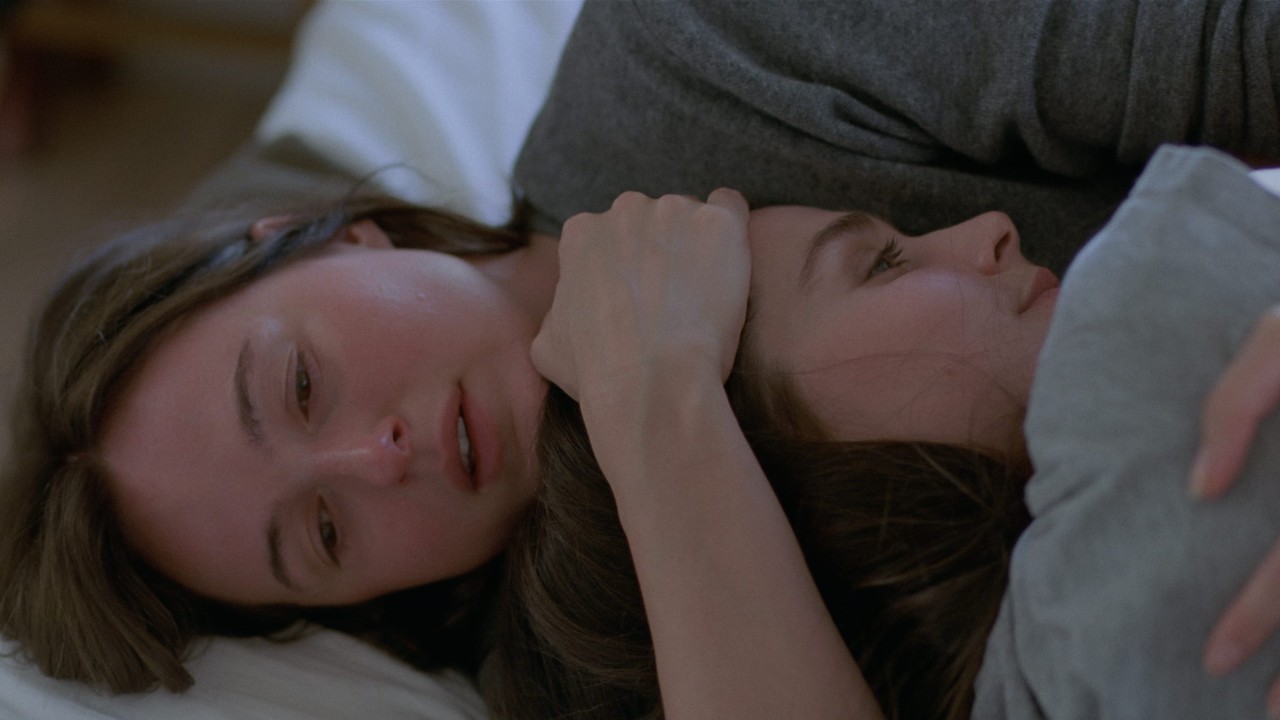
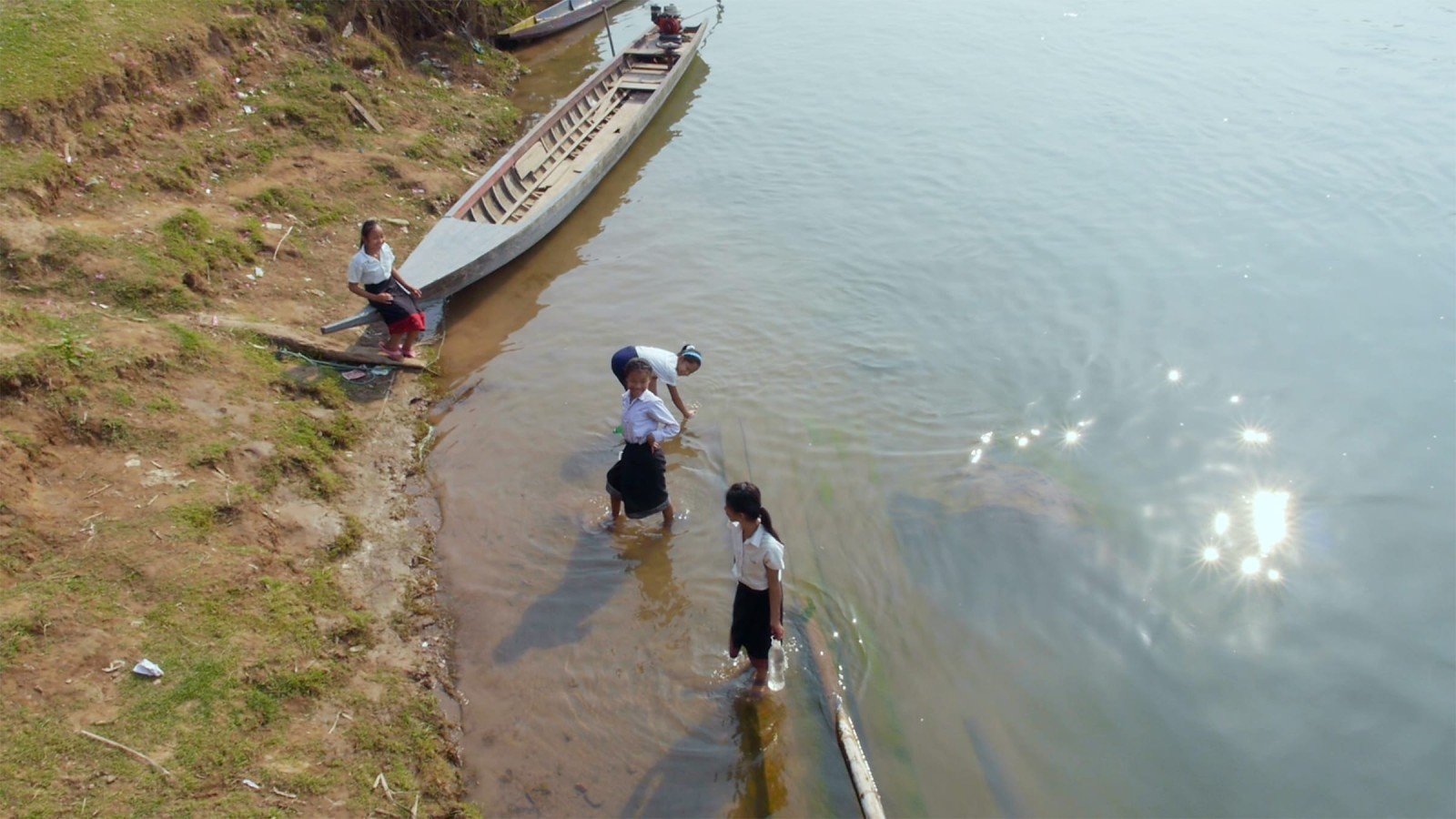
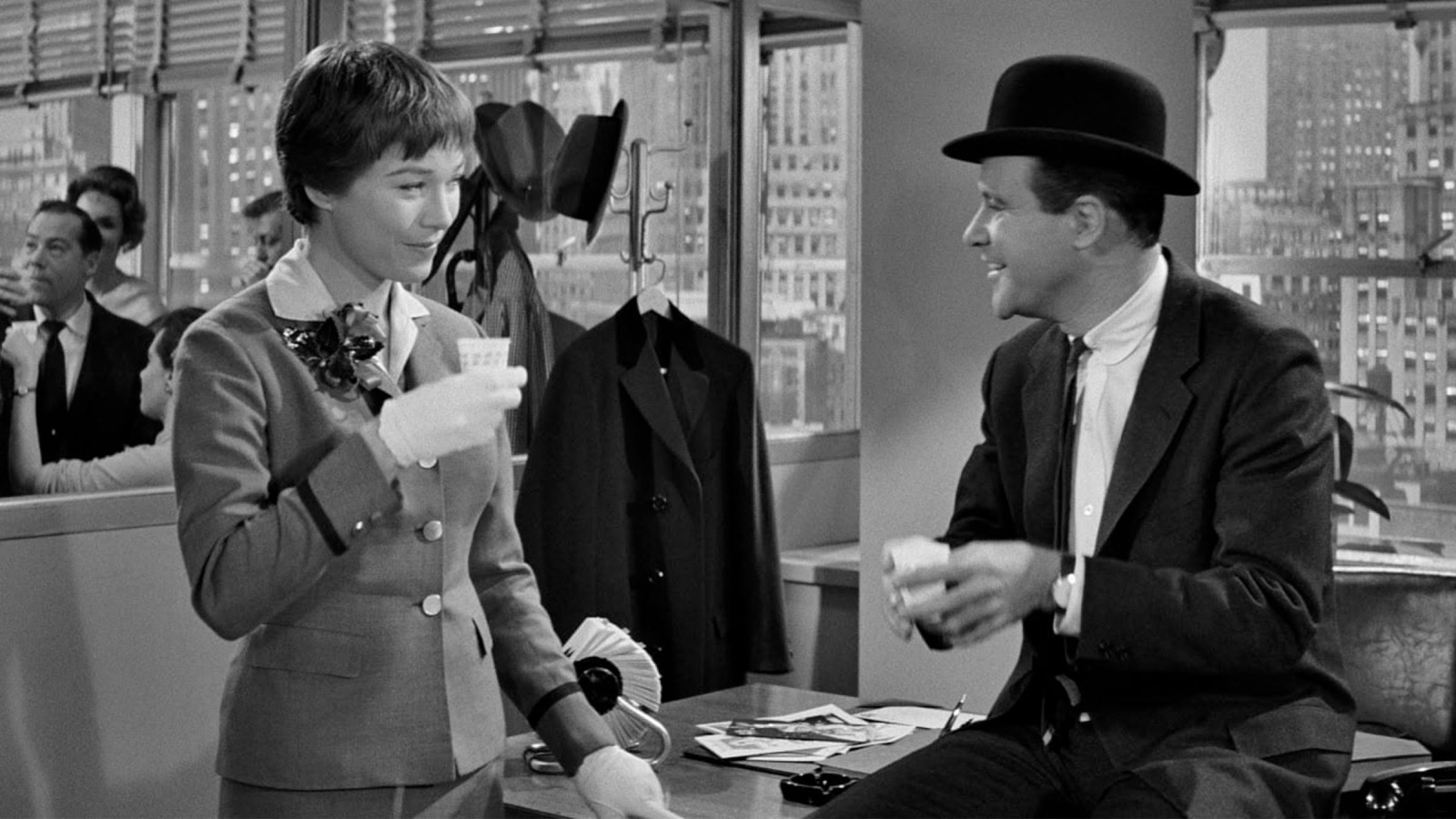
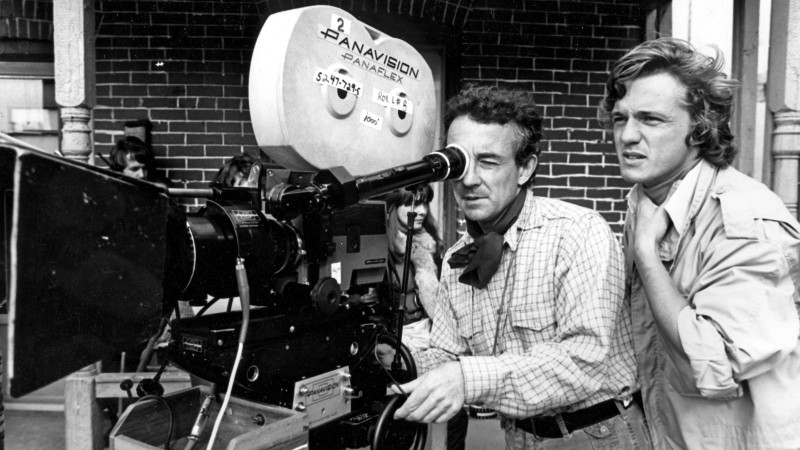
Memory is not frozen, it’s very much alive, it moves, it changes.”

– Louis Malle

0 Comments

28Apr09

THE FALL OF THE HOUSE OF ACKERMAN BY BROCK DESHANE

When science fiction guru Forrest J Ackerman died last December, he was remembered for many firsts. Born November 24, 1916, Ackerman (known as Forry by fans and friends) purchased his first science fiction magazine in 1926. He founded the first science fiction fan group (the Boys’ Scientifiction Club) in 1929, and wrote for the genre’s first fanzine (The Time Traveler) in 1932. That same year, he published the first known list of fantastic films (thirty-four titles). Forry printed Ray Bradbury’s first story in 1938, and in 1954 coined the term sci-fi. Working with publisher James Warren in 1969, Ackerman created the iconic comic book character Vampirella—a bloodsucking femme fatale from outer space.

But it was Forry’s editorship of Warren’s Famous Monsters of Filmland that knocked the earth from its axis and spun it into an entirely new dimension. Published from 1958 to 1983, “the world’s first filmonster magazine” inspired generations of young moviemakers and ushered horror fandom into the mainstream. Filled with behind-the-scenes articles, rare photos, and Ackerman’s trademark puns (“You Axed for It!” was the title of a regular feature), Famous Monsters was the Cahiers du cinéma for fright flicks. George Lucas, Steven Spielberg, and Guillermo del Toro all count the magazine as an influence, and thousands of other “monster kids” spent their adolescence experimenting with stop-motion dinosaurs and ghoulish makeup effects under Ackerman’s tutelage.

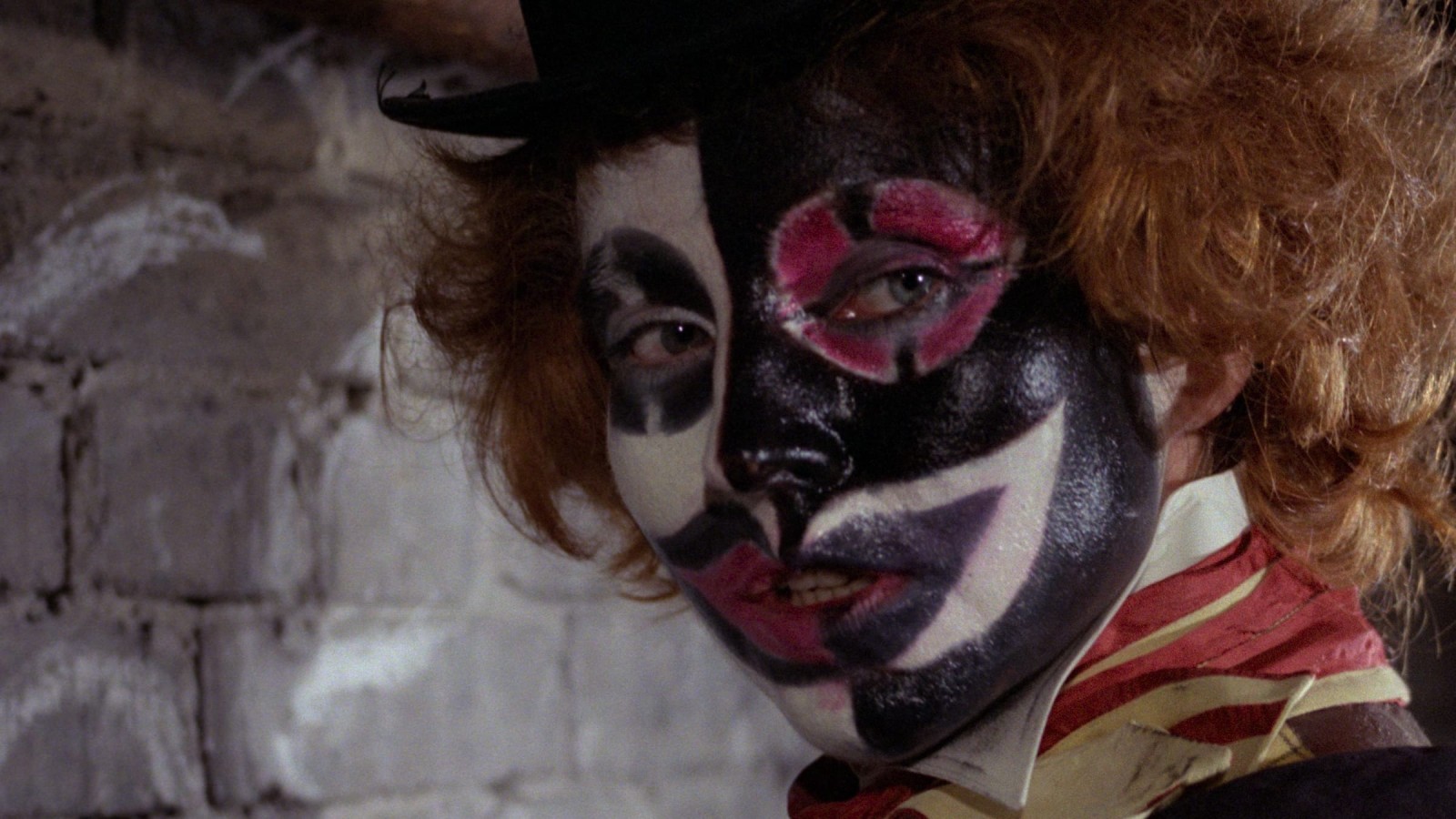
For decades, Forry gave public tours of his Los Angeles “Ackermansion”—a Taj Mahal of terror containing the world’s largest collection of sci-fi/horror memorabilia and movie props. Among his estimated fifty thousand visitors was a teenage Dennis Muren, who conspired with a group of other Famous Monsters fans to make the cult DIY creature feature Equinox (1970). Muren would later help revolutionize modern visual effects with his Oscar-winning work on films like Star Wars (1977), The Abyss (1989), and Jurassic Park (1993).

Sadly, many of Forry’s prized possessions were sold or stolen over the years, and much of what’s left will be auctioned off on April 30 and May 1. Despite his steadfast efforts to do so, Ackerman never found a permanent home for his treasure (a portion of it can be viewed at Seattle’s Science Fiction Museum and Hall of Fame). The myriad of marvels to be sold this week include a monocle worn by Fritz Lang during the making of Metropolis (1926), prosthetic teeth from Lon Chaney Sr.’s makeup kit, and a first American edition of Dracula, signed by Bram Stoker, Bela Lugosi, and Christopher Lee.

Some of these relics will find their way to fans eager to share them as Forry did. Others may vanish forever. But even as the Ackermansion slips into memory, monster kids of all ages know that Forrest J Ackerman will never die. The wonder-packed pages of Famous Monsters of Filmland—collected, studied, and adored to this day—endure as his living museum.

For more information on the Ackerman estate auction, click here. And watch a clip of Ackerman talking about Equinox, a film he championed in the pages of Famous Monsters (“because it showed the talents of young readers like Dennis Muren and Mark McGee” and “gave hope and inspiration to others to follow in their footsteps”), from an interview on Criterion’s 2006 release.

Film_338w_equinox_w160

Equinox

Jack Woods

1970

82 min

Color

1.33:1

0 Comments

28Apr09

PRESS NOTES: COME AND SEA

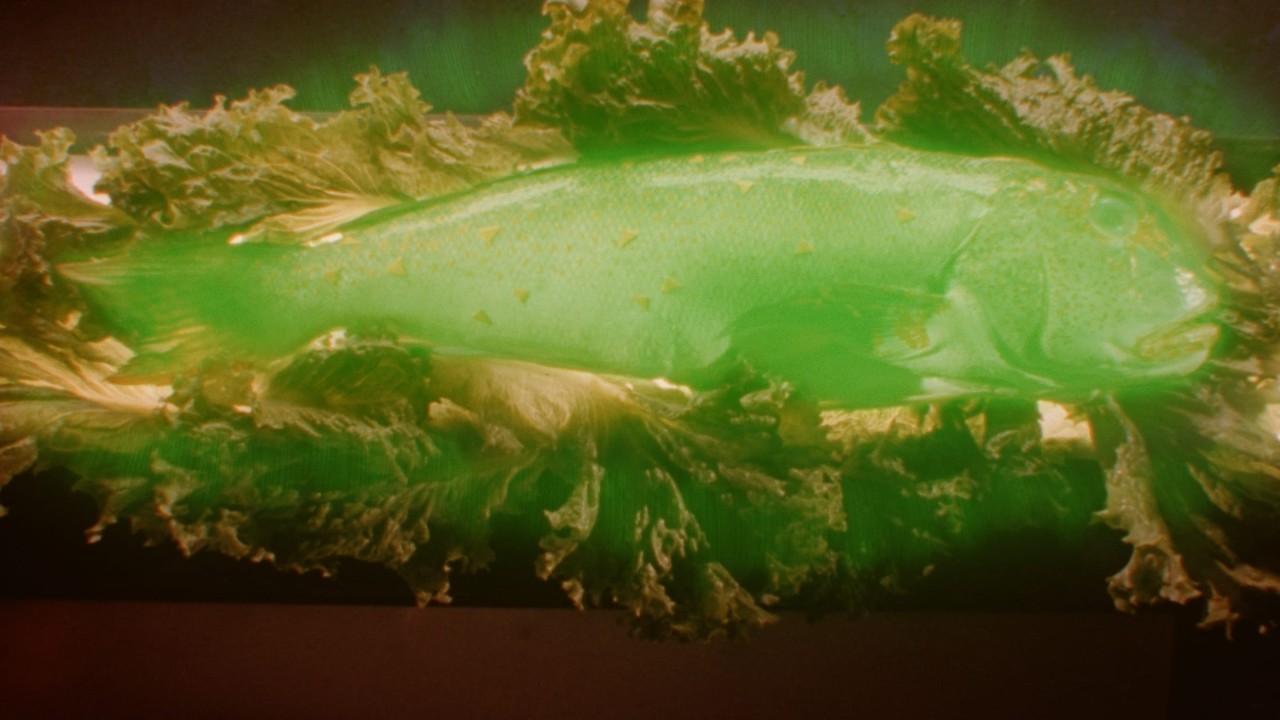
“The wonders never cease in this superb anthology,” exclaims the New York Times’s Dave Kehr in his review of the new Criterion three-disc set Science Is Fiction: 23 Films by Jean Painlevé. And other critics have been getting along with the new DVD release just as swimmingly.

Many viewers may not have heard of trailblazing underwater documentarian and avant-gardist Jean Painlevé, but, says Dennis Lim in the Los Angeles Times, his historical importance is undeniable: “Long before the high-definition panoramas of Planet Earth, before even the landmark wildlife documentaries of Richard Attenborough and Jacques Cousteau, a Frenchman named Jean Painlevé was making films that captured the natural world as it had never been seen before.” Lim also notes the inclusion of Yo La Tengo’s eight-film score, “lush, dreamy compositions that add to the amniotic vibe.” And in Artforum, Steve Erickson celebrates the introduction of this pigeonhole-defying filmmaker to a wider American audience.

Update (6 MAY 09): San Francisco Bay Guardian: “an invaluable survey of the director's most extraordinary aquacades.”

315 min

Color & Black and White

1.33:1

0 Comments

28Apr09

DONAT GETS LEGEND TREATMENT

For his ongoing series “Philip French’s Screen Legends,” begun in January 2008 on the Guardian’s website, the British film critic has been profiling the “great actors in film, choosing their key works and assessing their legacy,” in neat little encapsulations. Such luminaries as Catherine Deneuve, Michael Redgrave, Jean Gabin, Margaret Lockwood, and Celia Johnson have already received their due, and this week he adds, at number 54, the debonair Oscar winner Robert Donat. Not exactly a household name today, Donat in the 1930s was one of the “two British actors . . . most in demand by our crisis-ridden film industry,” along with Leslie Howard, writes French, and was considered by no less an eminence than Charles Laughton as “the most graceful actor of our time.” Known to Hitchcock aficionados for his sly and sarcastic leading man in The 39 Steps, Donat can also be seen in our upcoming Eclipse Series 16: Alexander Korda’s Private Lives, playing the lover of Henry VIII’s fifth wife in The Private Life of Henry VIII.

Film_56_39steps_w160

The 39 Steps

Alfred Hitchcock

1935

86 min

1.33:1

1933

96 min

Black and White

1.33:1

0 Comments

27Apr09

Empire of Passion: Love’s Phantom BY TONY RAYNS

1181_161

At the request of the author, Japanese names in this essay are given in their traditional form: surname first.

When Oshima Nagisa began making films for the French producer Anatole Dauman in the mid-1970s, his career as a filmmaker had been on hold for three years. In a sense, he’d been paying the price for his fierce independence of spirit. A nonaligned artist with clear leftist sympathies, Oshima had always placed himself at some distance from Japan’s consensus-based society; his films and essays had established him as one of Japan’s most prominent dissident intellectuals, equally critical of the country’s successive right-wing governments and of the left’s strategic failures and internecine squabbles. His exasperation with Japan’s politics and postwar culture had first led him to empathize with Japanese-Koreans, the country’s perennial victims of discrimination, and then to focus on the issues of crime and transgressive sex, which he saw as violent expressions of rebellion. If the word weren’t so hopelessly devalued these days, you’d want to call him a maverick. But by the mid-1970s, he’d lost all faith in social and political revolution. Japan seemed to him incapable of change.

Oshima had been a freelance independent director ever since he walked out of the Japanese studio system in 1961. (He had signed with Shochiku in 1954, and served time as an assistant director and screenwriter before directing four remarkable features for the company in 1959–60.) He weathered the early 1960s making documentaries for television (and taking his first trip abroad, to South Korea), seizing two chances that came up to make features for other producers while looking for ways to activate his own independent production company, Sozo-sha (Creation Company). Furiously productive in the years from 1965 to 1972, with modest funding from the newly formed Art Theatre Guild and sometimes from Shochiku, Oshima made twelve Sozo-sha features, including the titles that made his reputation in Japan and Europe: Death by Hanging (1968), Diary of a Shinjuku Thief (1968), Boy (1969), The Man Who Left His Will on Film (1970), and The Ceremony (1971). But the last Sozo-sha feature, Dear Summer Sister (1972), flopped at home and abroad, and brought this period to an abrupt end. We can only speculate what was going through Oshima’s head after eight years of making world-class films on tiny budgets; he dissolved Sozo-sha and abandoned all thoughts of making films in Japan.  

Empire_of_passion_still_resized_w160

Empire of Passion

Nagisa Oshima

1978

105 min

Color

1.66:1

0 Comments

27Apr09

The Hit: Road to Nowhere BY GRAHAM FULLER

1192-147

Before the 1980s British film renaissance was curtailed by three ruinously expensive failures—Absolute Beginners, Revolution, and The Mission—it yielded a cluster of superb smaller movies, including Letter to Brezhnev, Caravaggio, and Mona Lisa. The timeliest was My Beautiful Laundrette (1985), which married its interracial gay love story, set in South London’s Asian community, to a trenchant critique of the Thatcher era’s enterprise culture. It announced Hanif Kureishi’s screenwriting career and made a star of Daniel Day-Lewis. It was also the breakout film of the director, forty-four-year-old Stephen Frears.

Having made his feature debut with Gumshoe in 1971, Frears had been working primarily in television, directing plays and films written by the likes of Alan Bennett, Tom Stoppard, and Christopher Hampton, and characterized by adroit storytelling and visual economy. Though commissioned for TV, My Beautiful Laundrette was released theatrically, and it reestablished Frears as a man of the cinema. The year before, however, he had directed another audacious film, The Hit, which surprisingly bombed. It was a strange hybrid—a London crime drama cum Spanish road movie—possibly doomed by its dislocatedness and disregard for genre rules. Few reviewers of the time cottoned to the film’s blend of the cool and the lofty. Contemporary critics, in comparison, would appreciate such offspring of The Hit as Gangster No. 1, Sexy Beast, and In Bruges, and the stateside equivalents made by the Coen brothers and Quentin Tarantino.  

The_hit_clip_still_resized_w160

The Hit

Stephen Frears

1984

98 min

Color

1.77:1

0 Comments

26Apr09

SIGHT & SOUND RIDES THE WAVE

The British film magazine Sight & Sound dedicates its May issue to the fiftieth anniversary of the French New Wave, which it dates to the first screening of François Truffaut’s The 400 Blows (on May 4, 1959, at the Cannes Film Festival). Aware that this groundbreaking era in film history has hardly been an overlooked subject in the past, editors decided to take a slightly different approach to their celebrating, viewing the New Wave from some unusual perspectives and highlighting its more unsung aspects. The centerpiece of the issue, available online, is Ginette Vincendeau’s insightful and entertaining “The Star Reborn,” an in-depth appraisal of how the era forever altered the notion of the movie star, offering up brainy beauties like Jeanne Moreau, Delphine Seyrig, and Emmanuelle Riva and director surrogates Jean-Paul Belmondo, Jean-Claude Brialy, and Jean-Pierre Léaud in place of the classics. Also on Sight & Sound’s website is a collection of short takes on the revolution by contemporary directors, including Catherine Breillat, Charles Burnett, and Hou Hsiao-hsien. Rounding out the print edition’s special section are articles by Jonathan Romney on Alain Resnais’ Muriel, Nick James on the legacy of legendary critic André Bazin, David Thomson reassessing Pierrot le fou, and Geoffrey Nowell-Smith discussing some of the New Wave’s lesser-known titles, such as Georges Franju’s Eyes Without a Face.

P_w160

The 400 Blows

François Truffaut

1959

99 min

2.35:1

0 Comments

23Apr09

Empire of Passion:
Interview with Nagisa Oshima

1181_008

This interview, conducted by Michael Henry, first appeared in the May 1978 issue of Positif.


What were the circumstances that brought you to the project Empire of Passion?


This film is very tightly linked to Senses. Isn’t it the fate of a creator to respond, through a new work, to the sympathy previously bestowed on him by critics, and maybe even to try to surpass the previous work? In truth, at the end of 1976, the year I dedicated myself entirely to In the Realm of the Senses, an unknown person, Itoko Nakamura, sent me her book. I get a lot of publications this way—new books that someone asks me to review and unbound manuscripts from unknown authors. I often spend entire days leafing through them. But when I’m working on a specific project, I will open the envelope out of compulsion but put off reading what’s inside until later. As I was starting to write the script for my next film, I was just about to put Nakamura’s book aside when its title suddenly captured my attention—Takashi Nagatsuka: Three Generations to Fertilize the Soil. For many months, I had kept Nagatsuka’s novel, The Soil, which I consider a masterpiece, in a drawer. And this unknown correspondent had enclosed a letter in her package, from which one sentence stood out: “I’m certain that the director of In the Realm of the Senses will understand: even in this dark period of Japanese history, the era of the Meiji, love did exist.” She added: “This book has many misprints, but it would have never seen the light of day without the help of a network of friends generous with their time and advice.” The message touched me deeply, and I immediately took the privilege of being the first to read the manuscript.

How did this manuscript influence or inspire the screenplay that you were working on at the time?

Itoko Nakamura wanted first of all to convey in writing a true image of Takashi Nagatsuka. She said, “If I don’t write it, who will?” Of course she’d never met the great writer, who lived from 1879 to 1915, but her grandfather and father knew him well. They had recounted numerous anecdotes about his life to her in great detail. The stories that connect the three generations of Nagatsuka and Nakamura would make for a real saga. And from that saga, the character of Takashi [Nagatsuka] stands out as a sympathetic man rather than an abstract genius. You can only share in the warm feelings Nakamura expresses toward her character, Nagatsuka.  

Empire_of_passion_still_resized_w160

Empire of Passion

Nagisa Oshima

1978

105 min

Color

1.66:1

0 Comments

23Apr09

IN THE REALM OF THE SENSES: TWO WOMEN BY DONALD RICHIE

These profiles of the real-life Sada Abé and the actress who portrayed her in Nagisa Oshima’s In the Realm of the Senses first appeared in Donald Richie’s 1987 book Different People: Pictures of Some Japanese, and can also be found in the 2006 Japanese Portraits: Pictures of Different People. They appear here with the author’s permission.

1180_100

SADA ABÉ

After the war, released from prison, she got herself a job in Inari-cho, in downtown Tokyo: at the Hoshi-Kiku-Sui—the Star-Chrysanthemum-Water—a pub.

There, every night, workers of the neighborhood—for it was a taishu-sakaba, a workingman’s pub—would gather to drink sake and shochu and nibble grilled squid and pickled radish. And every night around ten, Sada Abé would make her entrance.

It was grand. She descended the staircase—itself a large affair that ended right in the middle of the customers. Always in bright kimono, one redolent of the time of her crime, early Showa, 1936, Sada Abé would appear at the head of the stairs, stop, survey the crowd below, and then slowly descend.  

1976

108 min

Color

1.66:1

0 Comments

22Apr09

APRIL IN TATIVILLE BY ALEXANDRE MABILON

Some of you might have seen the news item on our website regarding the Jacques Tati “centennial-plus” and the exhibits around Paris paying homage to the inventive filmmaker. I had the good fortune to be in the City of Lights on official Criterion business last week and made a couple of excursions to check it all out.

The first was to Le104, an impressive art space in the nineteenth arrondissement, a district I seldom go to. I took the metro there and got off one station too early by mistake, which made for a lovely walk through this ethnically diverse neighborhood. Nothing could have prepared me for Le104’s massiveness, much less for the re-creation of Tati’s Villa Arpels from Mon oncle. It was much more impressive than I had imagined: the squares of colorful gravel seemingly splashing off the sides of the modern white villa as the fish-sculpture centerpiece spouted water just like in the film. I stood there awestruck for a while, seeing this amazing ahead-of-its-time invention life-size before me, and then walked around it. You weren’t allowed to go in, but the many windows let you see that every little detail of the interior had been meticulously reproduced, from the (post)modern appliances in the kitchen to the seemingly uncomfortable furniture of the living room.  

Film_110w_mhulot_w160

M. Hulot’s Holiday

Jacques Tati

1953

87 min

Black and White

1.33:1

Playtimew_w160

Playtime

Jacques Tati

1967

124 min

Color

1.85:1

Film_111w_mononcle_w160

Mon oncle

Jacques Tati

1958

116 min

Color

1.37:1

Film_478_lastyearmarienbad_w160

Last Year at Marienbad

Alain Resnais

1961

94 min

Black and White

2.35:1

2 Comments

2009 01 02 03 04 05 06 07 08 09 10 11 12

2008 01 02 03 04 05 06 07 08 09 10 11 12

2007 01 02 03 04 05 06 07 08 09 10 11 12

2006 01 02 03 04 05 06 07 08 09 10 11 12

2005 01 02 03 04 05 06 07 08 09 10 11 12

2004 01 02 03 04 05 06 07 08 09 10 11 12

2003 01 02 03 04 05 06 07 08 09 10 11 12

2002 01 02 03 04 05 06 07 08 09 10 11 12

2001 01 02 03 04 05 06 07 08 09 10 11 12

2000 01 02 03 04 05 06 07 08 09 10 11 12

1999 01 02 03 04 05 06 07 08 09 10 11 12

1998 01 02 03 04 05 06 07 08 09 10 11 12

1997 01 02 03 04 05 06 07 08 09 10 11 12

1996 01 02 03 04 05 06 07 08 09 10 11 12

1995 01 02 03 04 05 06 07 08 09 10 11 12

1994 01 02 03 04 05 06 07 08 09 10 11 12

1993 01 02 03 04 05 06 07 08 09 10 11 12

1992 01 02 03 04 05 06 07 08 09 10 11 12

1991 01 02 03 04 05 06 07 08 09 10 11 12

1990 01 02 03 04 05 06 07 08 09 10 11 12

1989 01 02 03 04 05 06 07 08 09 10 11 12

1988 01 02 03 04 05 06 07 08 09 10 11 12

1987 01 02 03 04 05 06 07 08 09 10 11 12

1986 01 02 03 04 05 06 07 08 09 10 11 12

1985 01 02 03 04 05 06 07 08 09 10 11 12

1984 01 02 03 04 05 06 07 08 09 10 11 12