

20Nov09
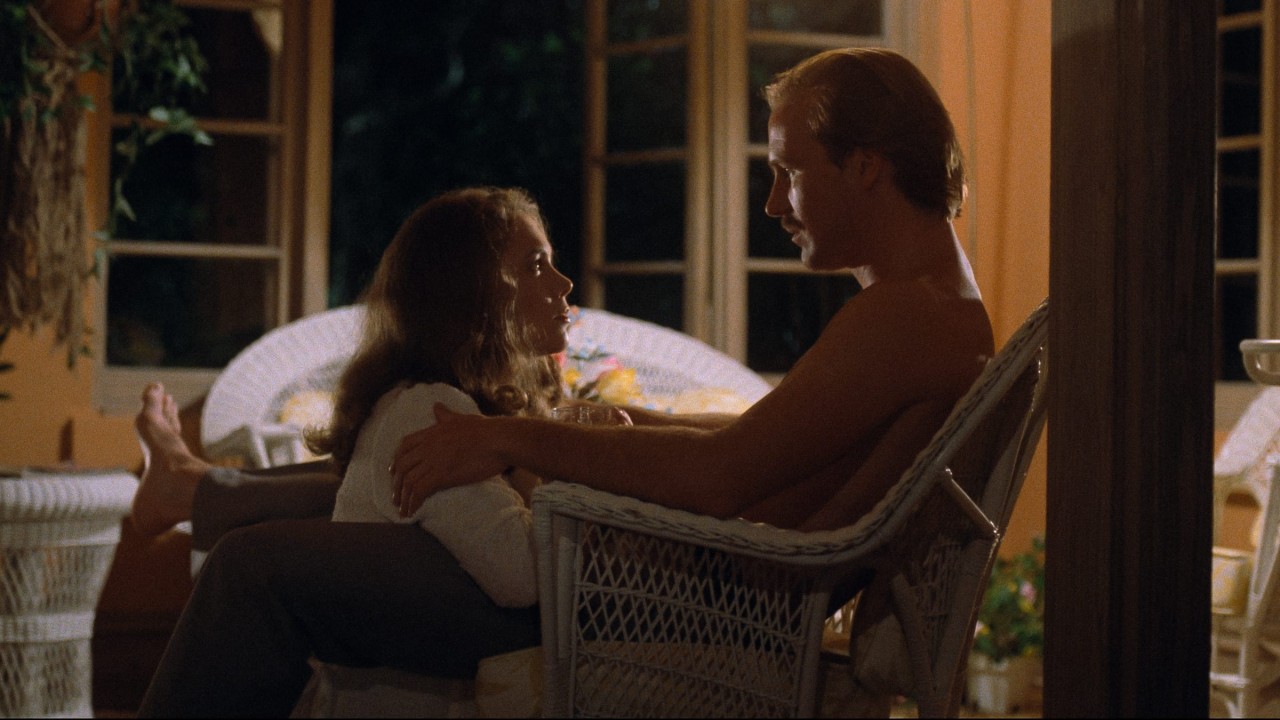
The Academy Award–winning Howards End, starring Emma Thompson and Anthony Hopkins, is back in the spotlight, thanks to Criterion’s new Blu-ray disc. “Pure artistry defines this 1992 film from director James Ivory,” writes Amanda Mae Meyncke in a review for Film.com, “which is as beautiful and timely seventeen years later as the day it was released.” And according to the home-video experts, Howards End has never looked better; it has a restored visual richness to match its emotional lucidity. DVD Talk commends the “immensely vivid presentation” of this “sumptuous, meaningful drama,” while DVD Verdict praises this “involving and rewarding literary adaptation that deserves to be in your collection.”
0 Comments19Nov09
It’s well known that Alain Resnais’ beautiful New Wave puzzle Last Year at Marienbad was as fashion-forward as it was artistically progressive. But it surprised us to learn that this high-concept masterpiece was on the cutting edge in another respect. A 1962 Life magazine article recently brought to our attention demonstrates that the hairdo worn by Delphine Seyrig in the film set its own trend. This “comfortable, easy-to-keep summer style” called, appropriately, the Marienbad, was, as the piece describes, “cut straight and short with back ends pushed forward under ears and a deep diagonal bang on the forehead.” The entire article is featured on Kimberly Lindbergs’s blog Cinebeats, in case you want to print it out and bring it with you to the salon. Thanks to Girish for the Facebook tip.
0 Comments18Nov09

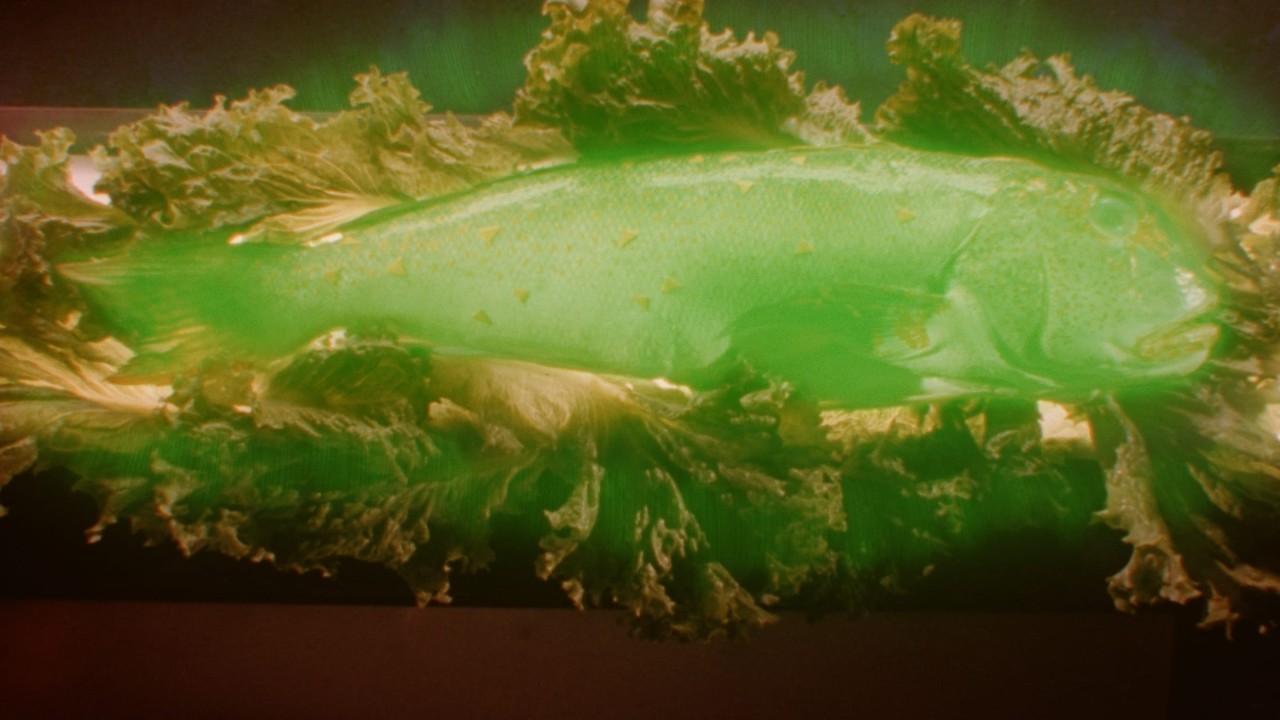
Wes Anderson’s surprising latest endeavor, the stop-motion Roald Dahl adaptation Fantastic Mr. Fox, is out in theaters now and garnering terrific reviews. We thought we’d catch up with our friend and ask him some questions about this charming labor of love, which he answered while shuttling by train between New York and Boston to promote the film.
The Life Aquatic with Steve Zissou incorporates animation, and others of your films (Rushmore, The Royal Tenenbaums) have the texture and framing of comic strips come to life. What made you turn to all-animation now?
Well, I’ve been thinking about doing an animated movie for about ten years—since before we made The Life Aquatic or The Royal Tenenbaums, in fact. Henry Selick was the animator of the stop-motion sequences in Life Aquatic because he and I were already working on putting together Fantastic Mr. Fox. We met when I approached him about that film. Stop-motion has always had a special, sort of magical appeal for me. There is nothing else quite like it. The form itself has enormous charm. I was looking for material to do in stop-motion, sort of like the way you might want to find certain material that would allow you to work with a certain actor.
8 Comments17Nov09
From Austin to Australia, there’s a wealth of film retrospectives playing all over the globe this week, featuring Criterion titles on the big screen. So depending on where you are, you may want to check one out—or pick up some home-viewing tips.
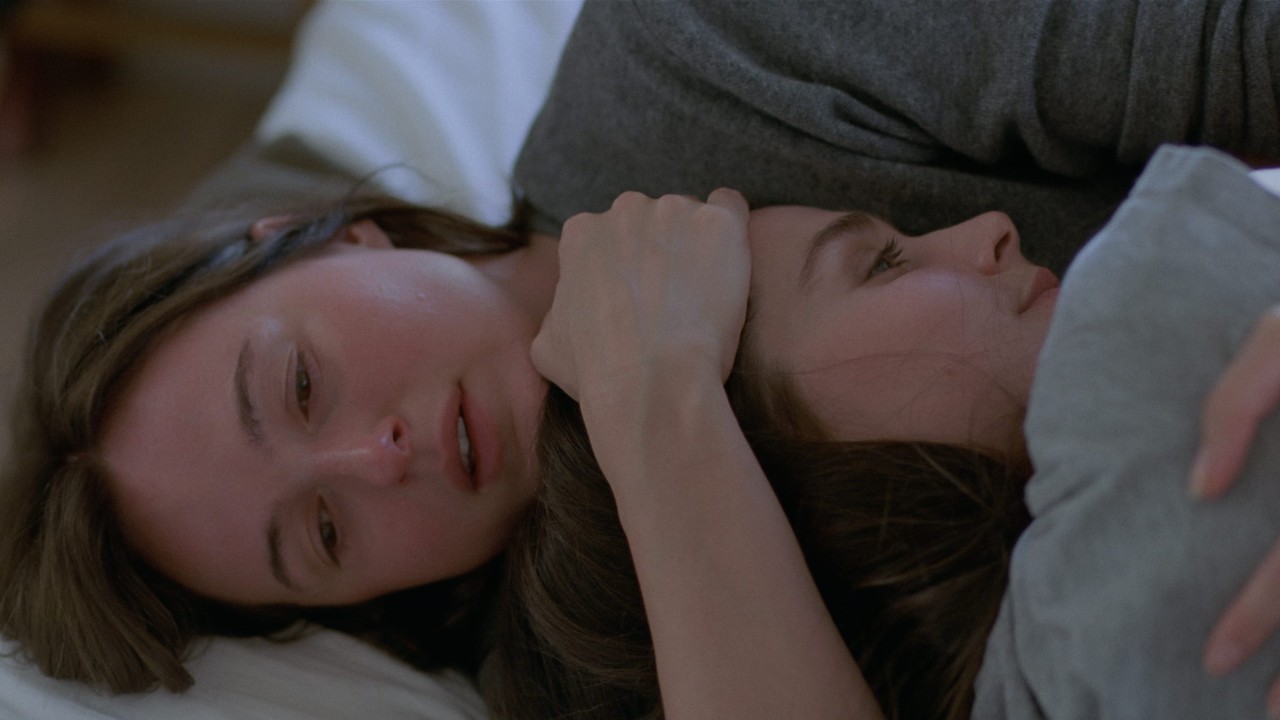
Currently ongoing in Taiwan (through November 28), as part of Taipei’s annual Golden Horse Film Festival, which showcases new and classic international films, is a special sidebar devoted to the imagery of cinematographer Mark Ping-bing Lee. This world-class DP has shot such films as Hou Hsiao-hsien’s Goodbye South Goodbye and Flight of the Red Balloon and Anh Hung Tran’s The Vertical Ray of the Sun but is perhaps best known for his work on Wong Kar-wai’s lush In the Mood for Love. Moving south, the Queensland Art Gallery in South Brisbane, Australia, is running a series called Living in the ’70s: Counter Culture Remixes French Cinema (November 18–29), which pays tribute to the nonconformist cinema of that decade: post–French New Wave, progressive, often independently produced films. They’re showing Chantal Akerman’s Les rendez-vous d’Anna and Eric Rohmer’s Love in the Afternoon, as well as works by Jacques Rivette, Alain Tanner, Marguerite Duras, and Jean-Luc Godard.
Here in the United States, things are a little more traditionally auteur-oriented, as the Austin Film Society turns its eye on that fantastically grim Finn Aki Kaurismäki with its series The Chilly Humorist of Finland, running from November 17 to December 15, and featuring all the films in his Proletariat Trilogy, plus some others, including his most recent film, Lights in the Dusk. And the up-and-running Los Angeles County Museum of Art film programmers are giving viewers a treat: a series of eight thrillers that Alfred Hitchcock made between 1930 and 1939, before he came to Hollywood, including, of course, the masterpieces The 39 Steps and The Lady Vanishes. Hitchcock: The British Thrillers runs from November 20 to November 28.
0 Comments17Nov09

“Well, this isn’t exactly a team sport,” assistant coach Mayo quips sarcastically to star skier Johnny Creech after overhearing him complain about renegade team member David Chappellet. It has been argued for quite a few decades now—and to the point of tedium—whether filmmaking is a team sport or, in the end, essentially an individual event. But in the case of Downhill Racer, one of the best of the many adventurous, probing, and bracing films Hollywood made (sometimes in spite of itself) from roughly 1967 to 1975, it was the fortuitous combination of contributions by three singular talents—actor (and uncredited producer) Robert Redford, director Michael Ritchie, and writer James Salter—that shaped the picture’s flinty personality, questioning nature, and striking physicality.
Downhill Racer is the story of a determined loner from Colorado who, having earned a spot on the American ski team upon the injury of another athlete, single-mindedly pursues the goal of winning, with a total disregard for protocols and personal niceties. David Chappellet is a heel, a good-looking backwoods hick who hides his ignorance and social unease with a defiant impenetrability. In real life, he’d just be a prick; in the film, he joins the plentiful ranks of antiheroes who helped define American movies of the era. Even forty years ago, Chappellet seemed like an icy, recalcitrant character, and his clamped-down, emotionally inaccessible nature no doubt played a part in the film’s commercial failure. But his stubborn antiauthoritarianism was standard-issue equipment at the time—think Warren Beatty in Arthur Penn’s Bonnie and Clyde, Dustin Hoffman in Mike Nichols’s The Graduate, Peter Fonda and Dennis Hopper in Hopper’s Easy Rider, Jack Nicholson in Bob Rafelson’s Five Easy Pieces, Elliott Gould and Donald Sutherland in Robert Altman’s M*A*S*H—so while his attitudes were purely selfish rather than intellectually worked out, his instinct to buck the system and go his own way did not then seem as extreme as it does today.
0 Comments16Nov09
Interview magazine’s Darrell Hartman is just one of many critics heralding the release of Wings of Desire in Criterion Blu-ray and DVD special editions: “Rilke-inspired interior monologues; Henri Alekan’s gorgeous black-and-white cinematography; a glorious score, rich with cellos and angsty choral music—Wim Wenders mixed these ingredients together for Wings of Desire, his 1987 art-house classic about heavenly creatures keeping grim watch over late-communist-era Berlin.” For Paste, Tim Regan-Porter sings the film’s praises, calling it “a masterful work that’s part tone poem, part philosophical treatise, and part love story—not a dramatic tale of love writ large but an exploration of the tiny things that can make life worth loving.”
Time Out New York’s Joshua Rothkopf reminds us, in a four-star review, of the film’s importance to a generation of soon-to-be cinephiles: “Wim Wenders’s 1987 angels-over-Berlin fantasy was a gateway drug to the pleasures of art cinema, a gorgeous reverie.” Of course, Slant’s Bill Weber says, Criterion’s release of this “cultishly adored fantasy” is not just for the already converted: “Even for non-fanatics, this packaging of perhaps the most beloved European film of a generation is heaven-sent.”
0 Comments13Nov09
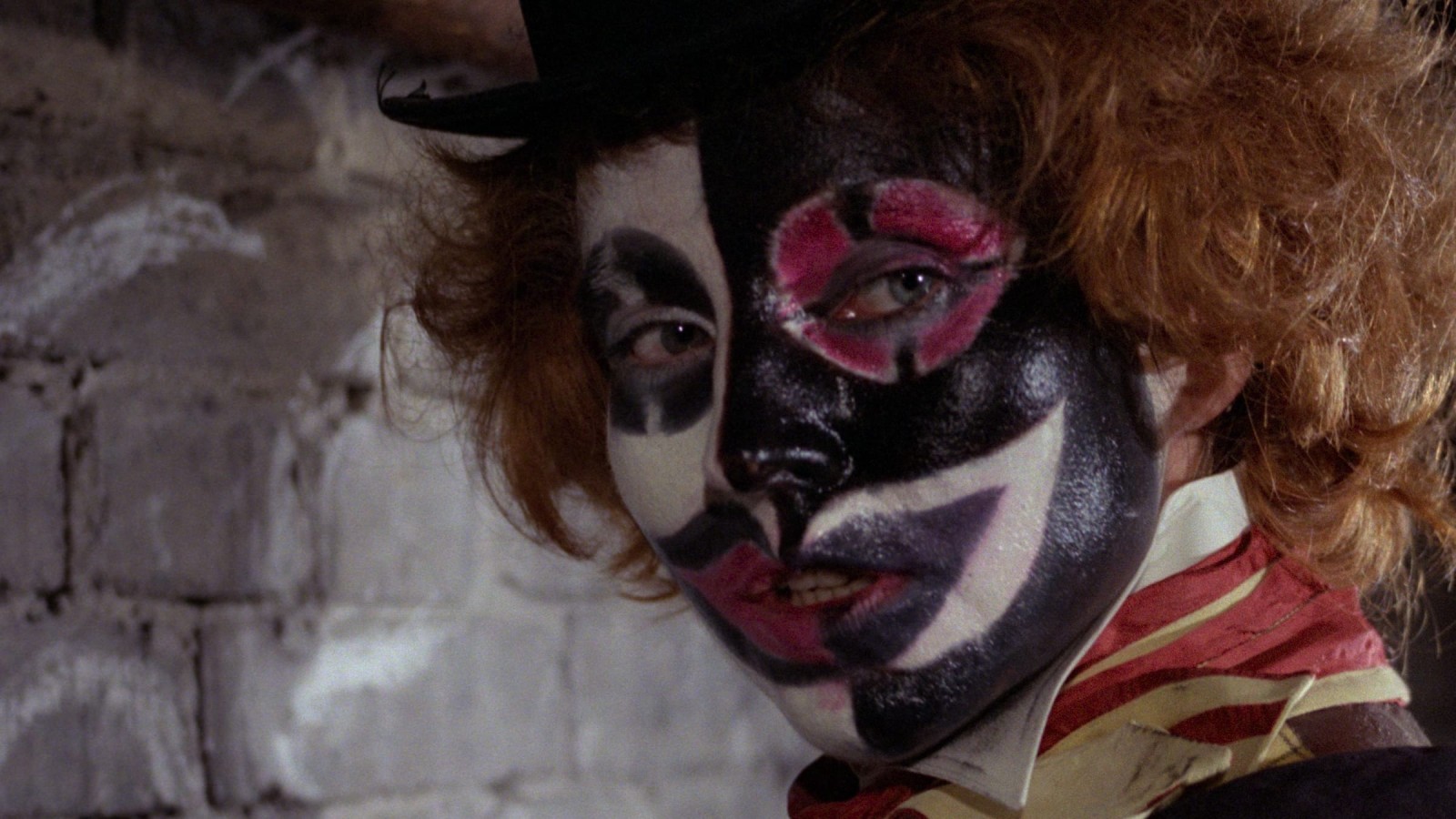
Japanese director Nobuhiko Obayashi, who made the utterly bonkers 1977 kinda-horror film House, currently getting a first-time American theatrical run from Janus Films, is profiled by Paul Roquet in a new essay for Midnight Eye. One of the few pieces that’s been written on Obayashi in English, Roquet’s essay presents a fascinating overview of his career, following him from his early experimental films to his work as an artist for Dentsu, Japan's largest advertising firm, where he became a stylistic innovator. This led to his making his first film for Toho Studios, House, based on, as Roquet lovingly calls it, “his own completely incomprehensible script.” Roquet goes on to detail Obayashi’s many formal experiments and contributions to Japanese cinema in this invaluable piece.
0 Comments12Nov09
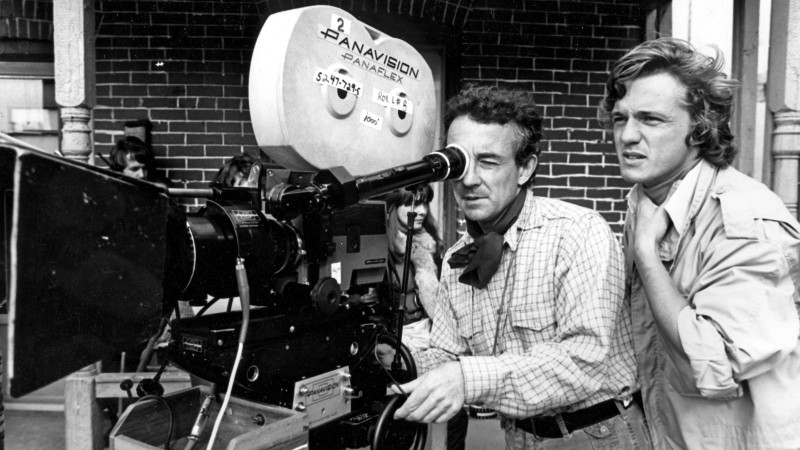
Louis Malle’s shadowy Paris comes to our nation’s capital on November 12 and 19, when the HR-57 Center for the Preservation of Jazz & Blues in Washington, D.C., will host special live performances of Miles Davis’s evocative music for Malle’s moody 1957 noir, Elevator to the Gallows. The score, which was famously recorded in a single, impromptu session, will be played by the Thad Wilson Big Band (whose namesake is a mainstay in the city’s U Street jazz clubs). The performance will be accompanied by a screening of the film, which concerns an adulterous couple whose nefarious plans go very wrong. Visit HR-57’s website for pricing and showtime info.
0 Comments12Nov09
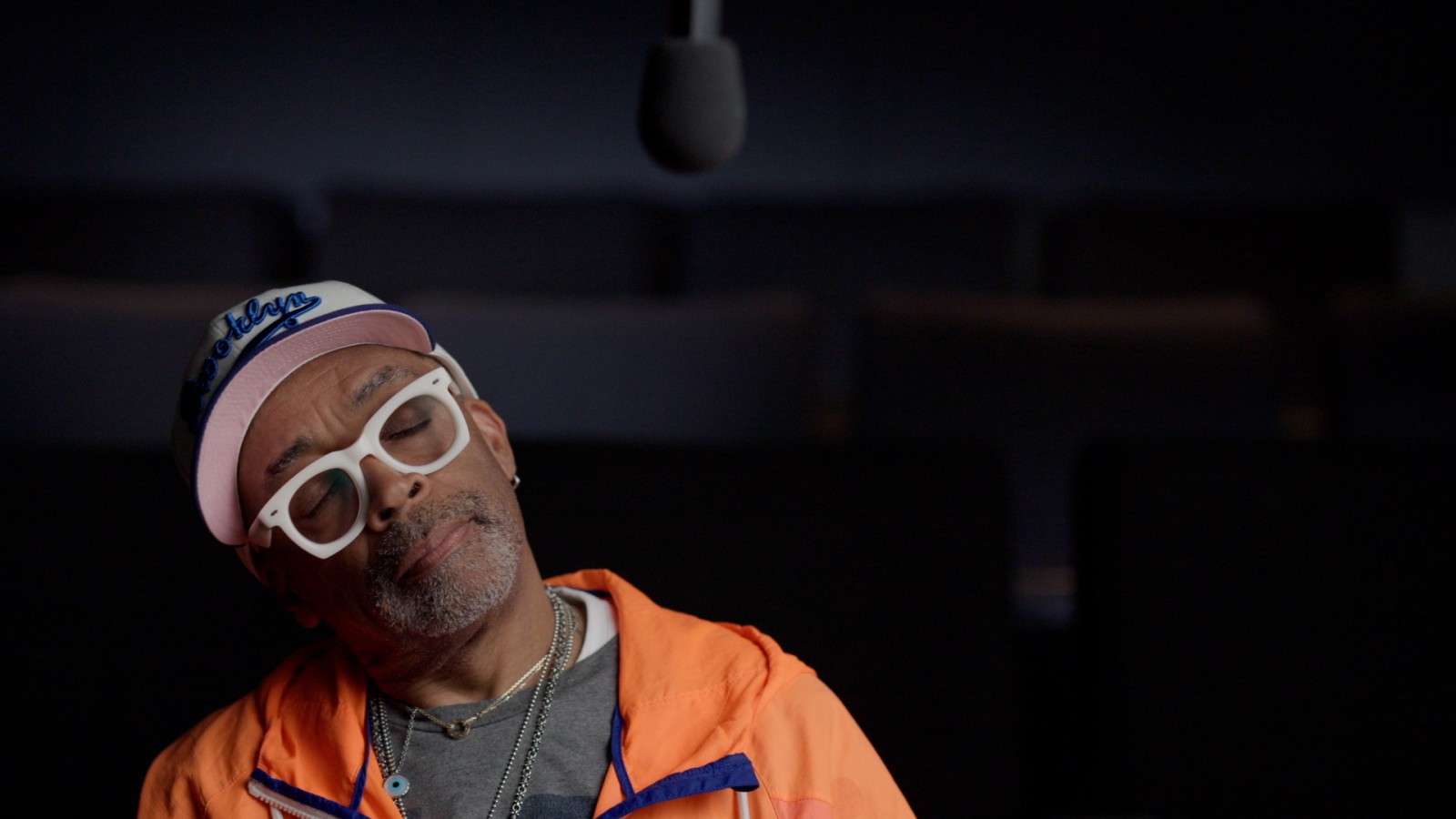
Ever wonder how a gem like Downhill Racer, which Roger Ebert called “the greatest sports movie ever made,” could get lost in the Hollywood shuffle? In an interview for our release of the film (out next week), the star of and force behind it, Robert Redford, spoke frankly about the trials he faced getting his project made—and seen (including a mortifying, though very humorously recounted, screening experience with his friend Natalie Wood). The excerpt is presented here exclusively.
2009 01 02 03 04 05 06 07 08 09 10 11 12
2008 01 02 03 04 05 06 07 08 09 10 11 12
2007 01 02 03 04 05 06 07 08 09 10 11 12
2006 01 02 03 04 05 06 07 08 09 10 11 12
2005 01 02 03 04 05 06 07 08 09 10 11 12
2004 01 02 03 04 05 06 07 08 09 10 11 12
2003 01 02 03 04 05 06 07 08 09 10 11 12
2002 01 02 03 04 05 06 07 08 09 10 11 12
2001 01 02 03 04 05 06 07 08 09 10 11 12
2000 01 02 03 04 05 06 07 08 09 10 11 12
1999 01 02 03 04 05 06 07 08 09 10 11 12
1998 01 02 03 04 05 06 07 08 09 10 11 12
1997 01 02 03 04 05 06 07 08 09 10 11 12
1996 01 02 03 04 05 06 07 08 09 10 11 12
1995 01 02 03 04 05 06 07 08 09 10 11 12
1994 01 02 03 04 05 06 07 08 09 10 11 12
1993 01 02 03 04 05 06 07 08 09 10 11 12
1992 01 02 03 04 05 06 07 08 09 10 11 12
1991 01 02 03 04 05 06 07 08 09 10 11 12
1990 01 02 03 04 05 06 07 08 09 10 11 12
1989 01 02 03 04 05 06 07 08 09 10 11 12
1988 01 02 03 04 05 06 07 08 09 10 11 12
1987 01 02 03 04 05 06 07 08 09 10 11 12
1986 01 02 03 04 05 06 07 08 09 10 11 12
1985 01 02 03 04 05 06 07 08 09 10 11 12
1984 01 02 03 04 05 06 07 08 09 10 11 12