




Spotlight
Under the Influence
In this ongoing series of videos, contemporary filmmakers talk to us about the movies that have had a lasting impact on their work.
The Criterion Collection
An online magazine covering film culture past and present
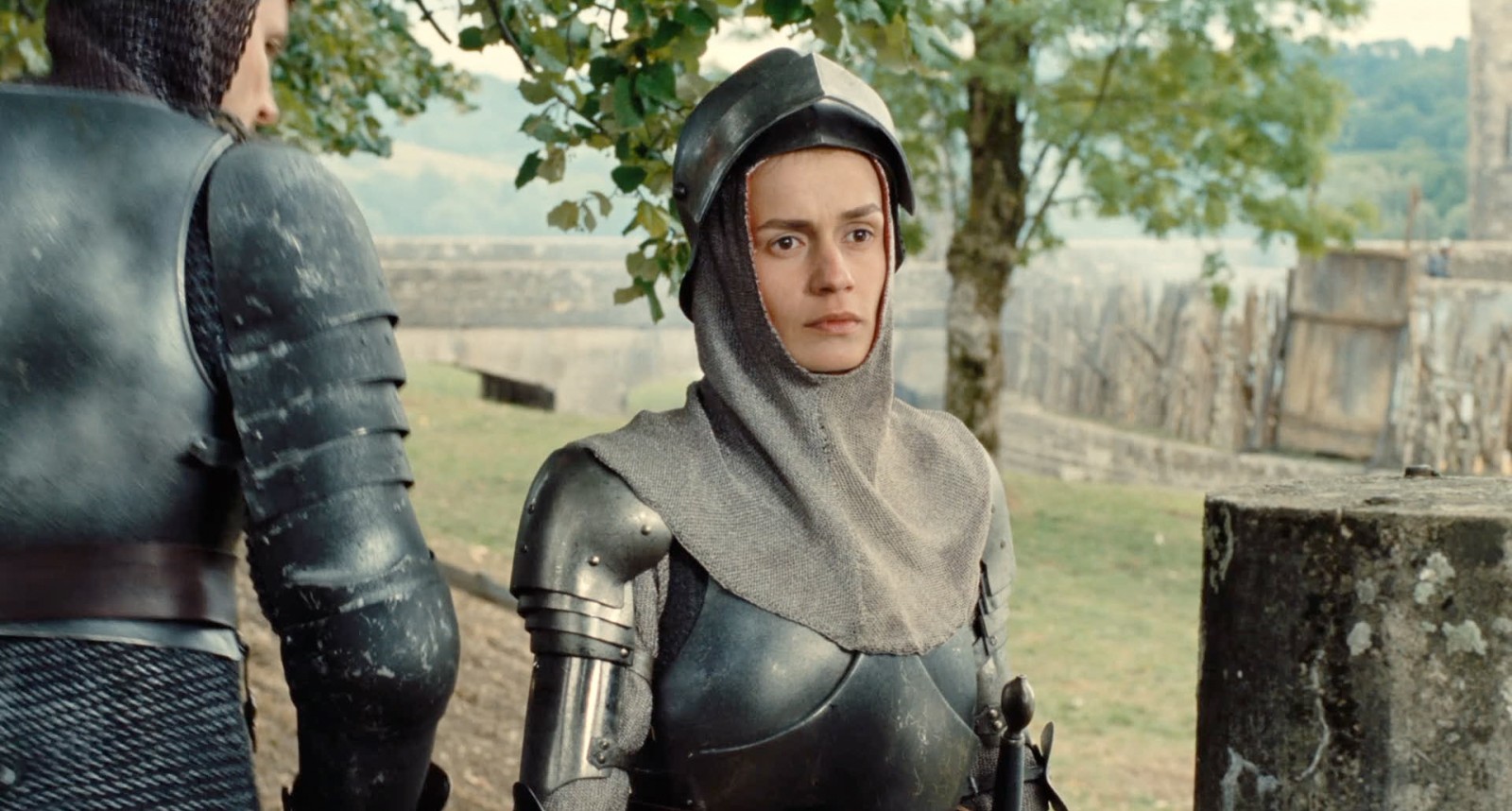
Anchored by an extraordinary performance from Sandrine Bonnaire, the epic historical drama Joan the Maid strips away its saintly protagonist’s mythic aura and gives us a humbler, more intimate version of her life story.
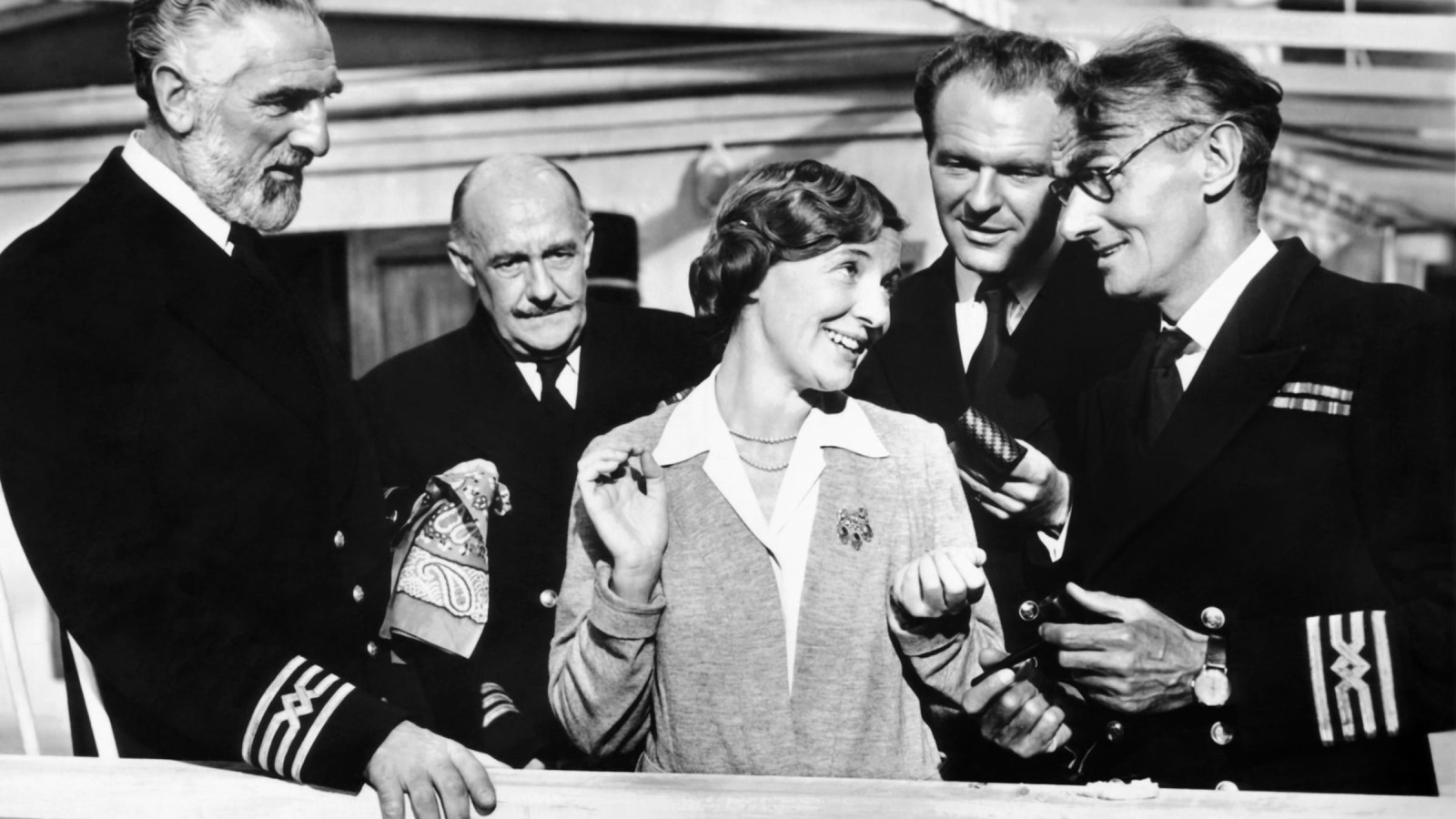
The elegantly crafted portmanteau films Quartet, Trio, and Encore adapt twelve spellbinding tales of deception and passion from one of the best-selling authors of the twentieth century.
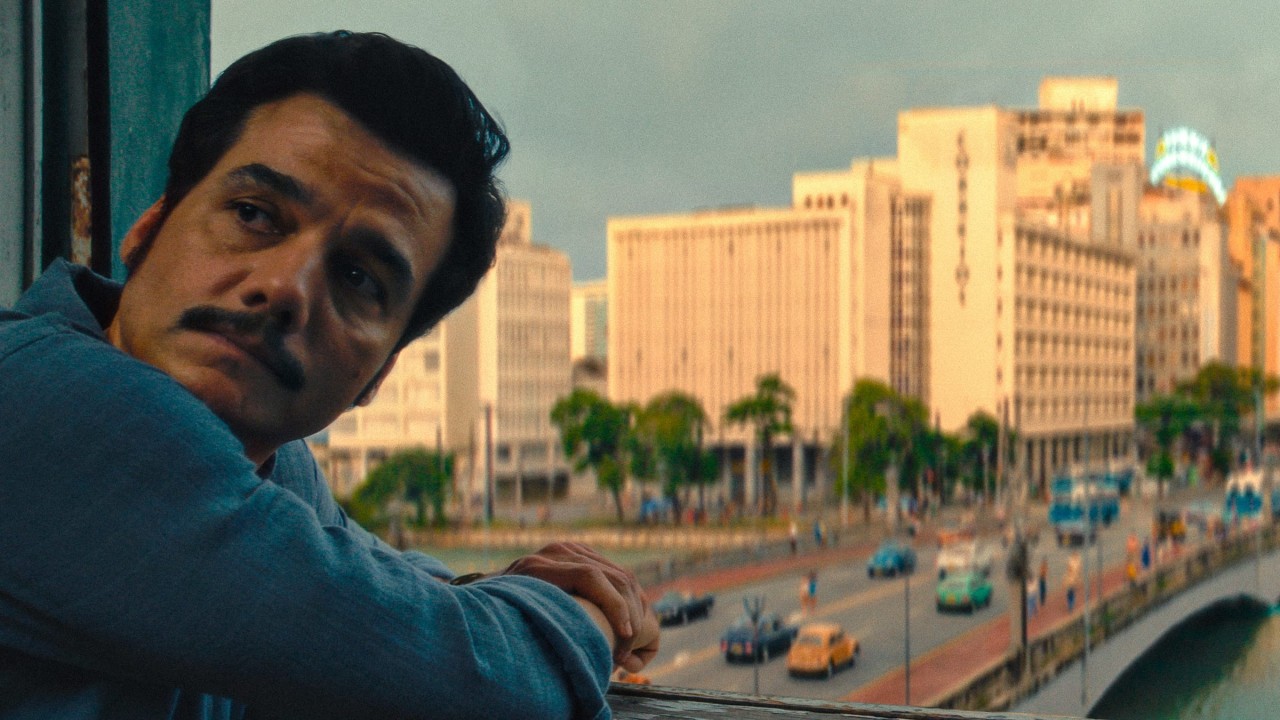
Kleber Mendonça Filho explores the elisions of history and memory in this splendidly polymorphous thriller about a man on the run in 1977 Brazil.
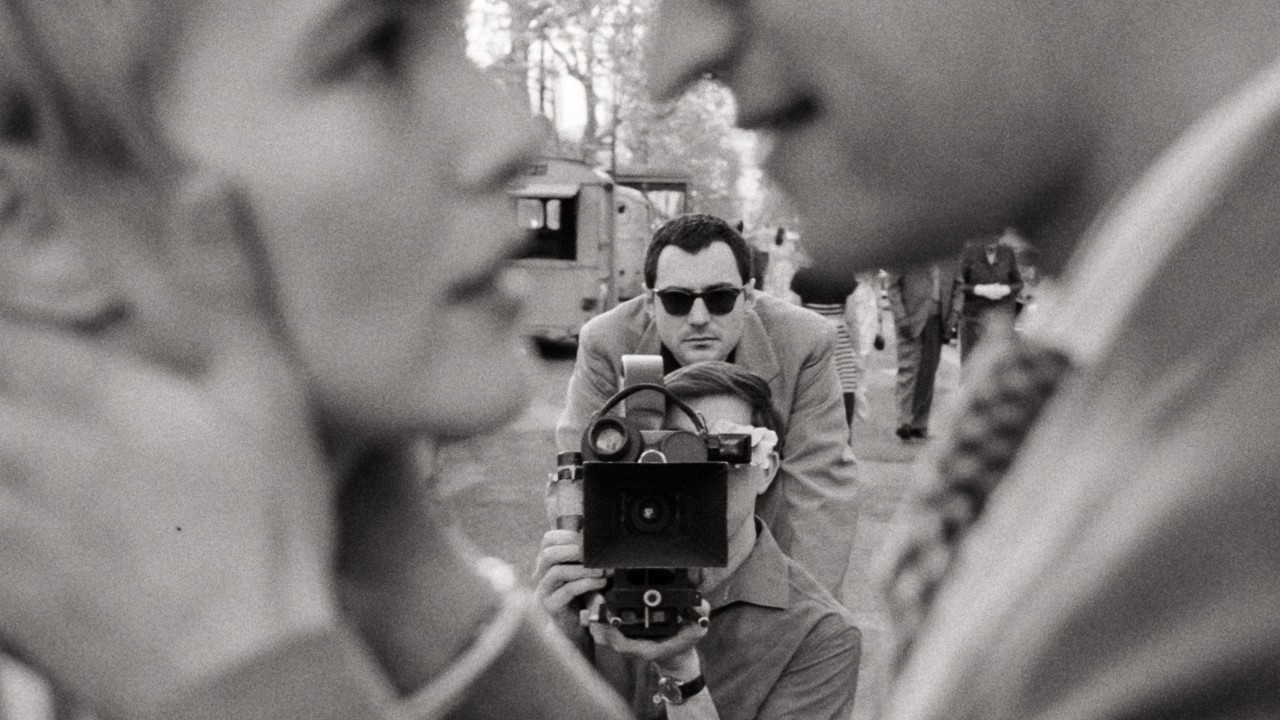
In this exhilarating account of the making of Jean-Luc Godard’s Breathless, Richard Linklater lovingly reconstructs the vanished world of late-fifties Paris and the cinephilic culture surrounding the French New Wave.

A Japanese-television phenomenon that sparked a boom in anime production and fandom, Hideaki Anno’s magnum opus is a mind-bending mix of kinetic action, sci-fi spectacle, and introspective human drama.
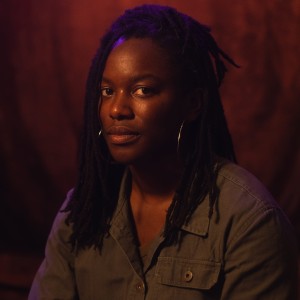
The director of Test Pattern and Dreams in Nightmares celebrates the influence that Charles Burnett has had on their work, selects a pair of favorite westerns, and praises the cinematography of Vilmos Zsigmond and Haskell Wexler.
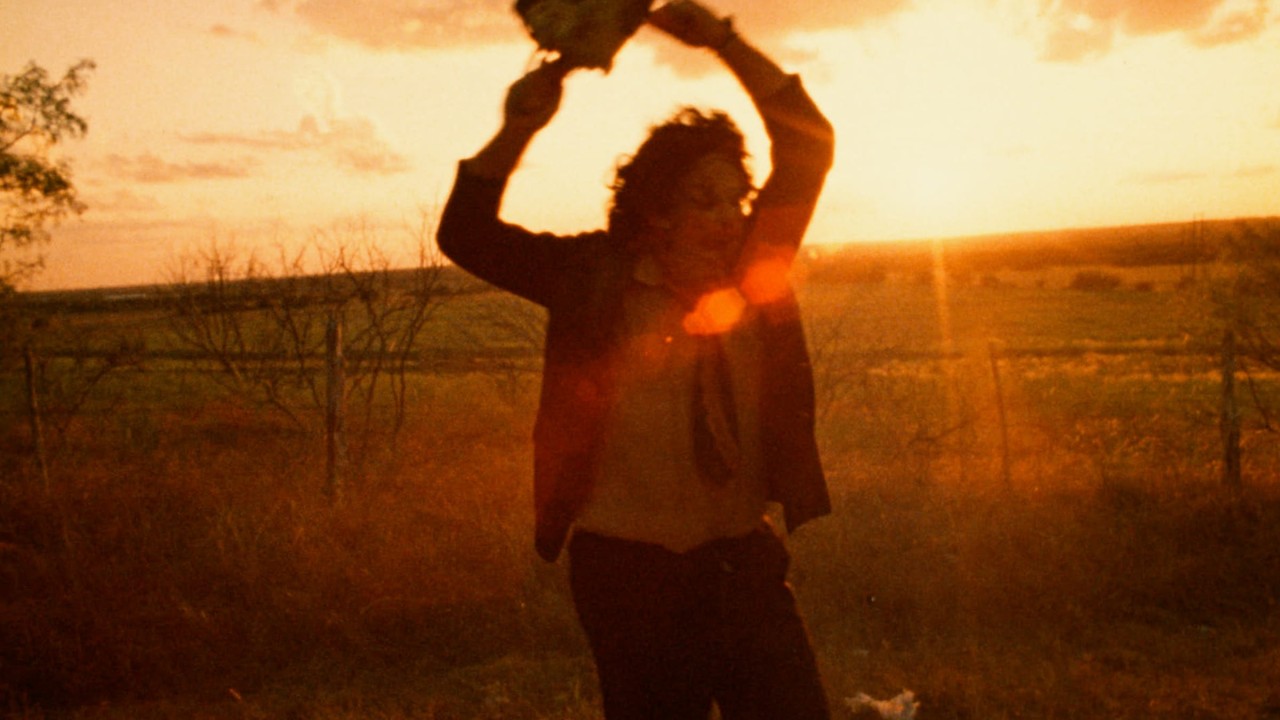
Our Halloween programming includes a tour of cinema’s scariest road movies, an anthology of TV-movie nightmares, and collections built around our fears of sinister intruders and mysterious possessive forces.
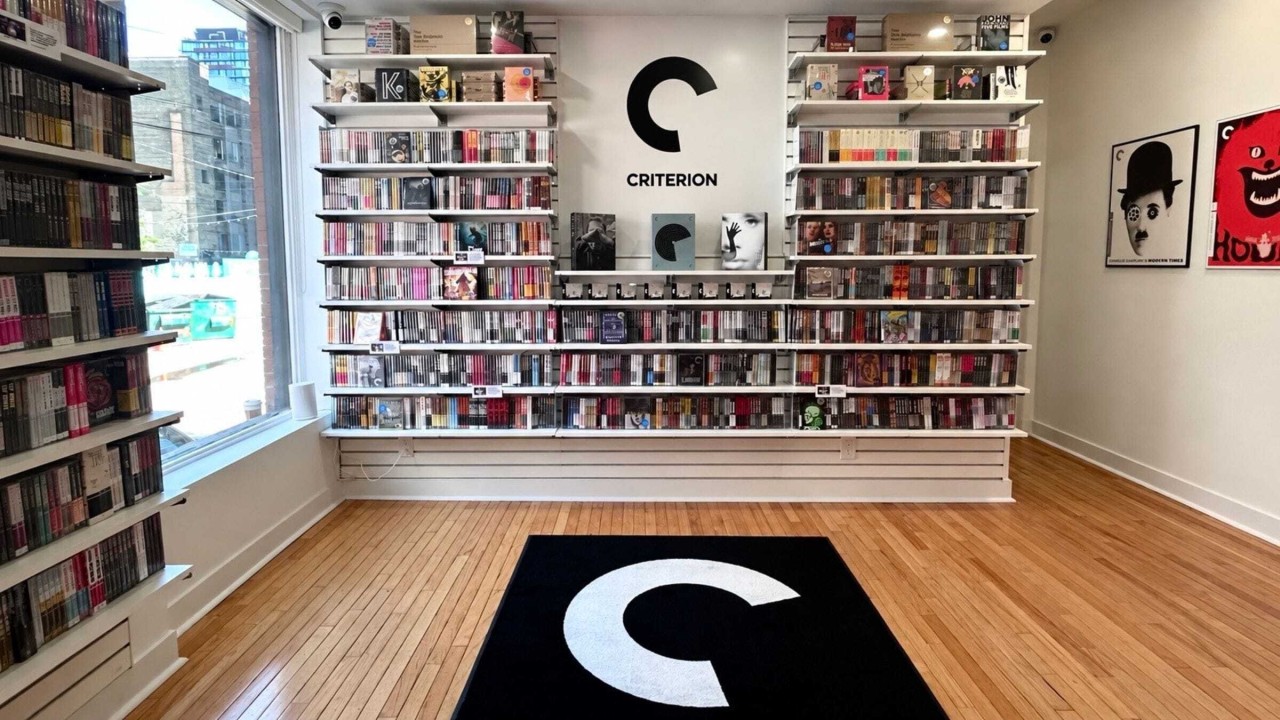
The independent home-video retailer’s first brick-and-mortar store is a new physical destination for movie lovers to discover cinema, build their collections, and connect with the community around them.
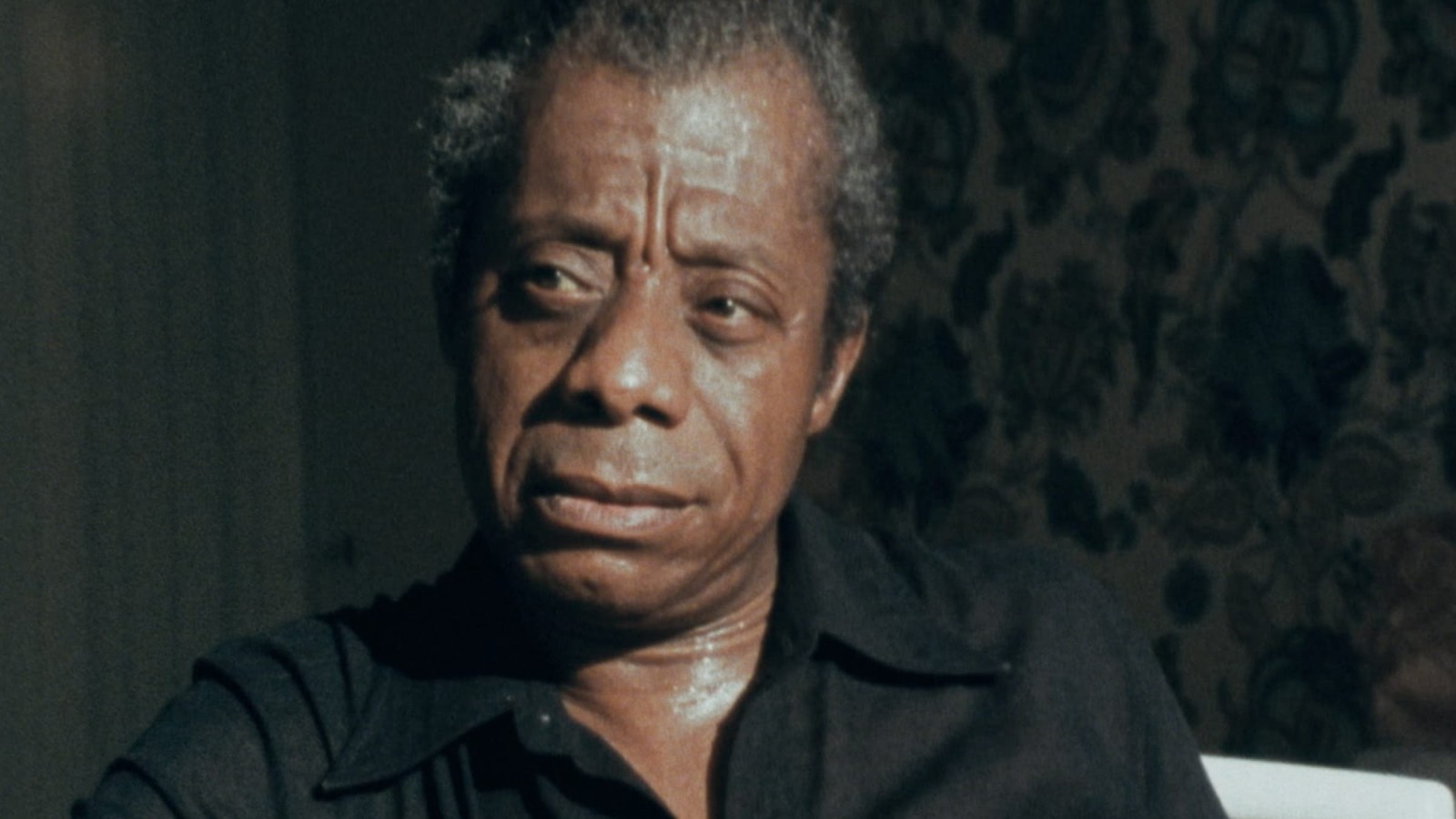
The illuminating 1982 documentary I Heard It Through the Grapevine follows the celebrated author on a journey through the American South, as he attempts to reckon with the legacy and losses of the civil rights movement.
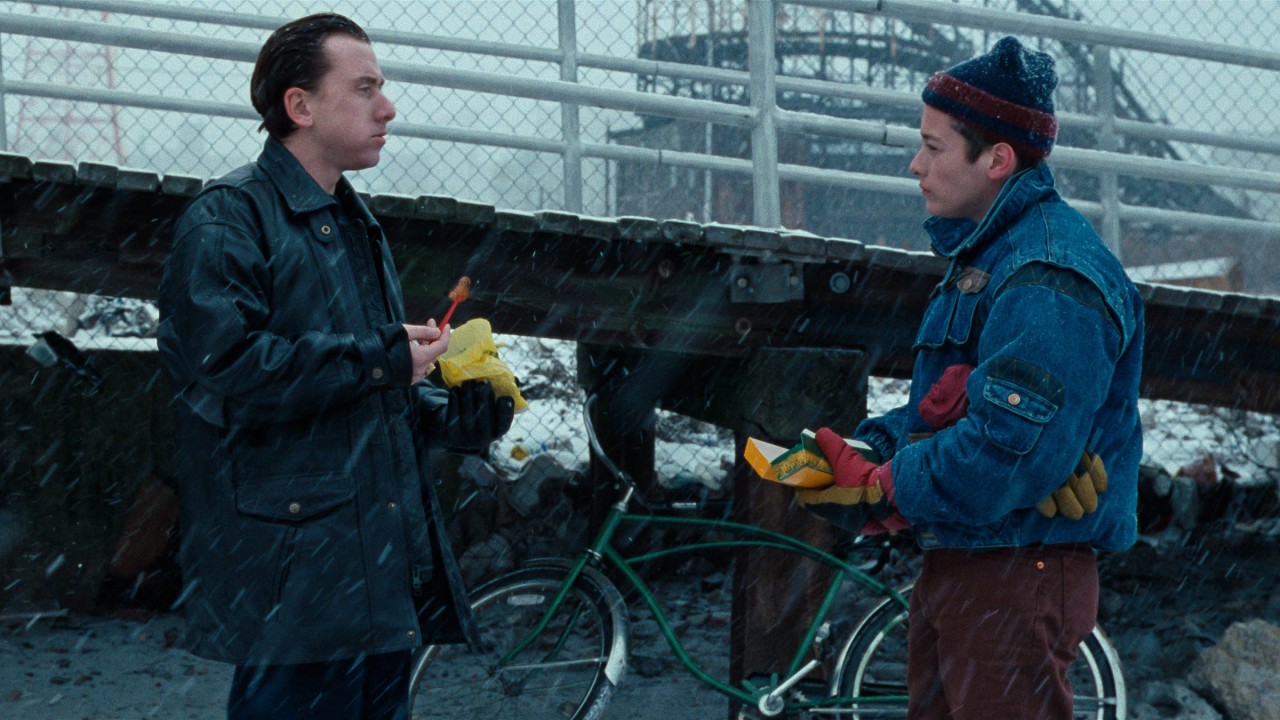
James Gray’s extraordinary debut feature is a painstakingly distilled tale of crime and family dysfunction, captured with a merciless gaze and a sharp attention to idiosyncratic detail.
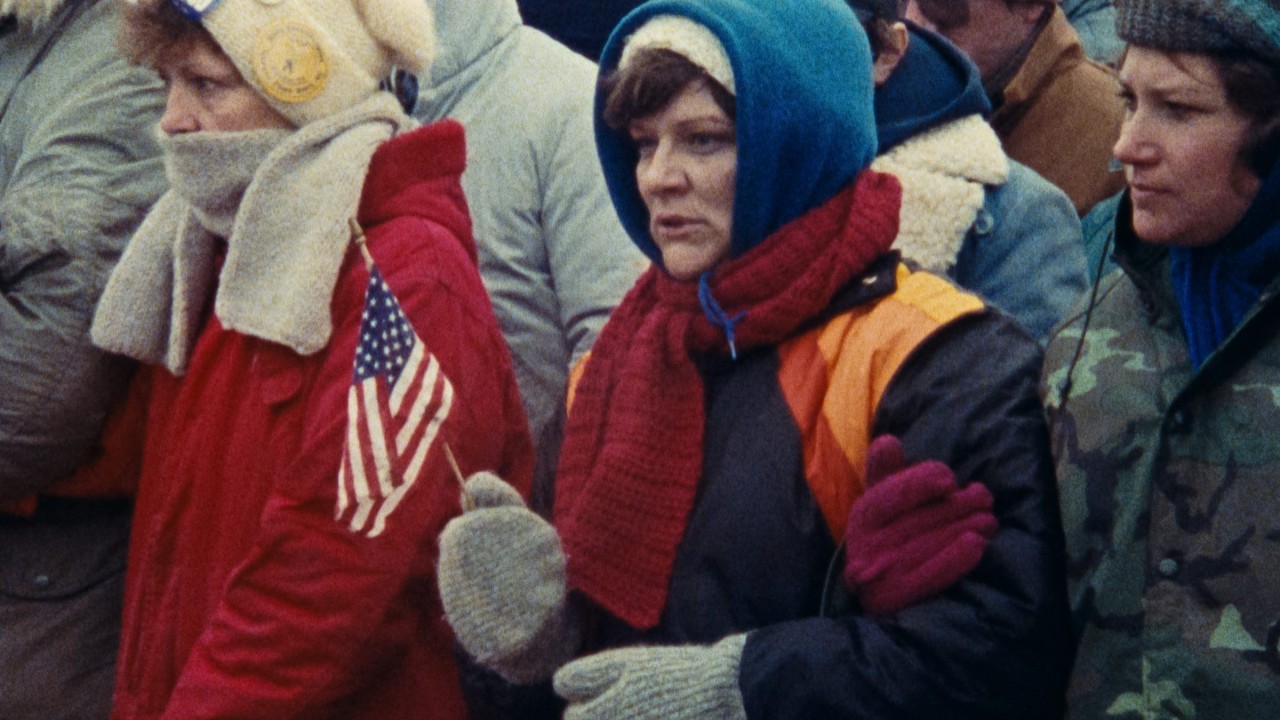
In her second film, Oscar-winning documentarian Barbara Kopple captures the anguish and perils of disunity in the labor movement and the corrosion of union power during the Reagan era.
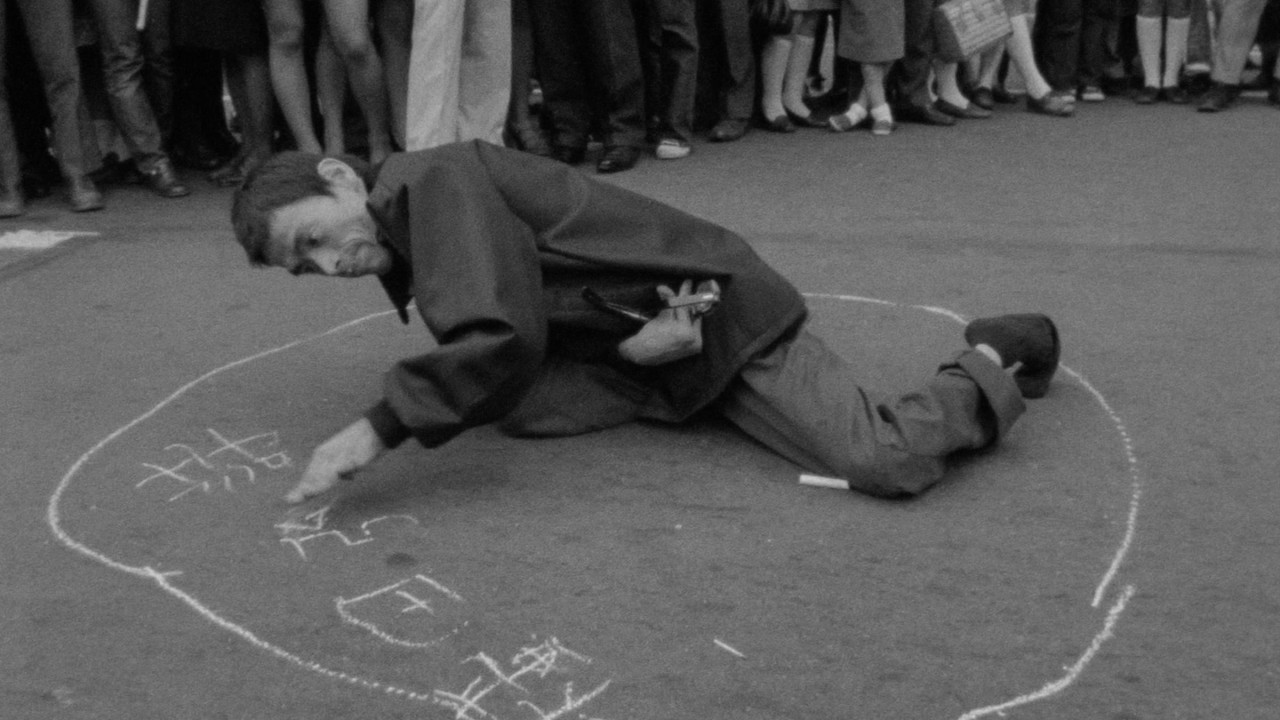
The pioneering husband-and-wife duo transformed the field of Japanese nonfiction cinema with their portraits of spectacular, edgy personalities and collectives under duress.
Spotlight
In this ongoing series of videos, contemporary filmmakers talk to us about the movies that have had a lasting impact on their work.


