




Spotlight
Under the Influence
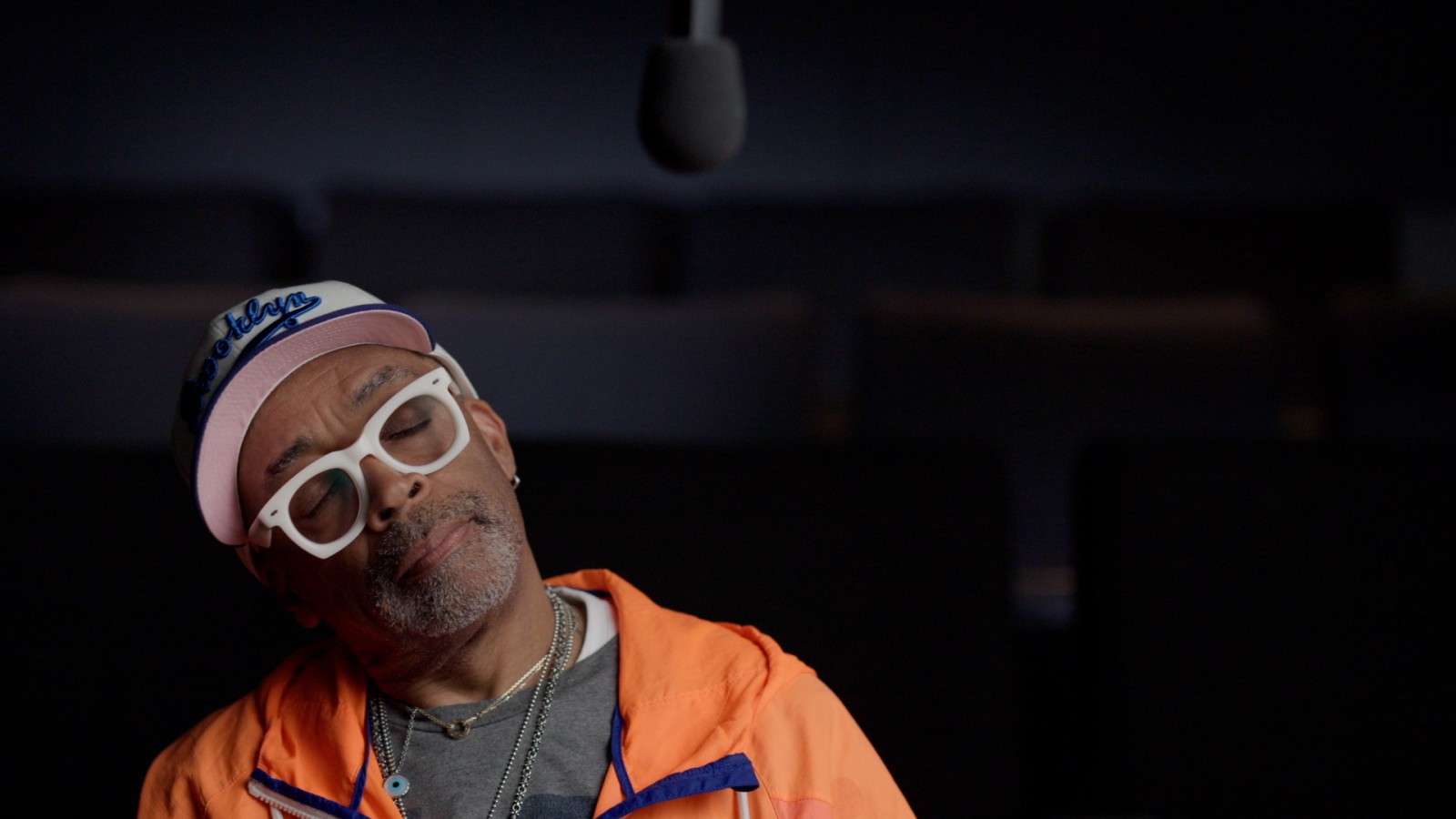
In this ongoing series of videos, contemporary filmmakers talk to us about the movies that have had a lasting impact on their work.
The Criterion Collection
An online magazine covering film culture past and present
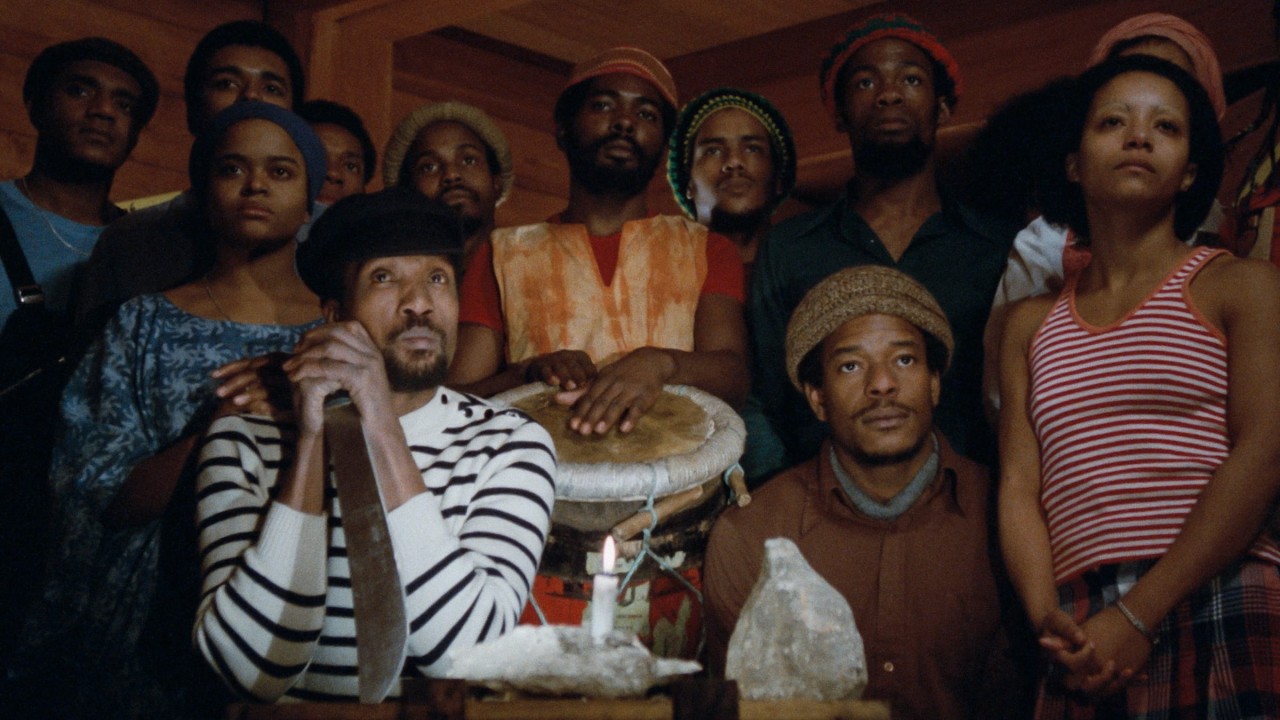
Unfolding in a blaze of vivacious color, Med Hondo’s musical masterpiece is a wildly ambitious exploration of the history of French colonial aggression, the enslavement of African peoples, and their subsequent liberation struggles.
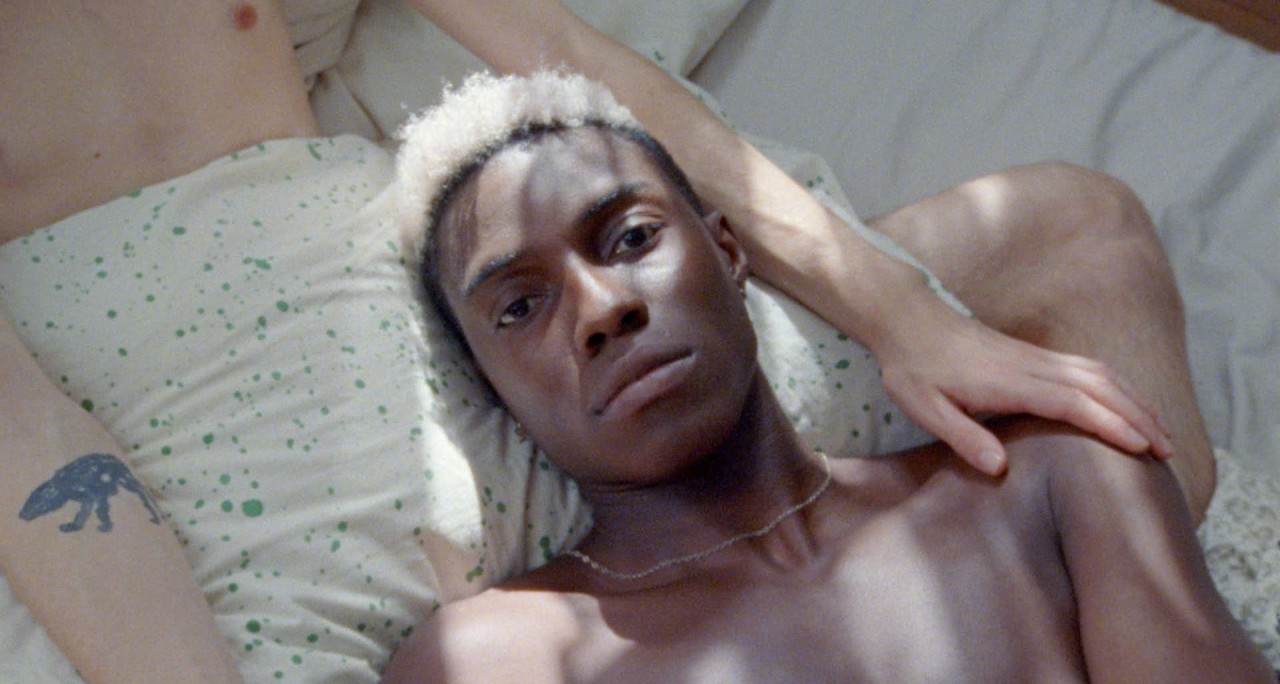
The curators of a showcase of trans directors now playing on the Criterion Channel discuss the work of these trailblazing artists, who have brought new layers of nuance and insight to cinematic depictions of their community.
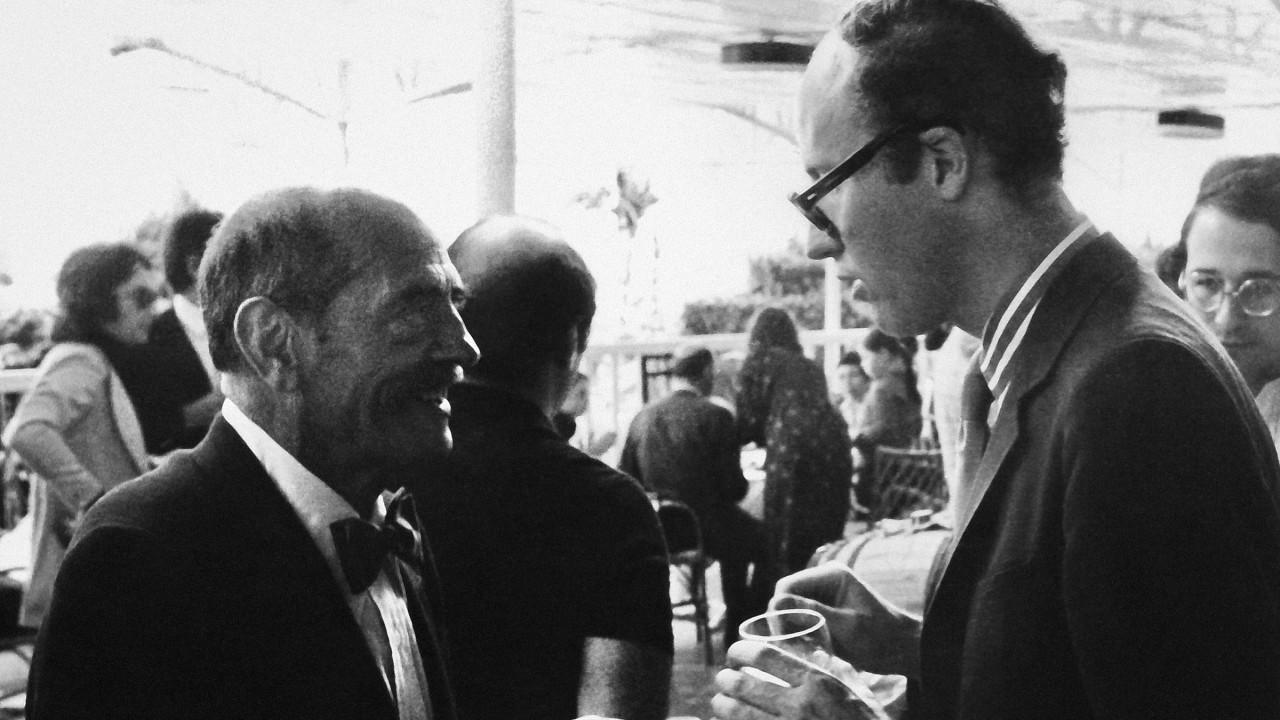
The longtime Criterion Collection and Janus Films contributor reflects on his role in the golden age of art-house cinema and his life as a film critic, historian, publisher, and festivalgoer.

In this powerful drama about family and memory, Joachim Trier explores how the past lives on in us, shapes us, and partly determines who we are and how we feel.
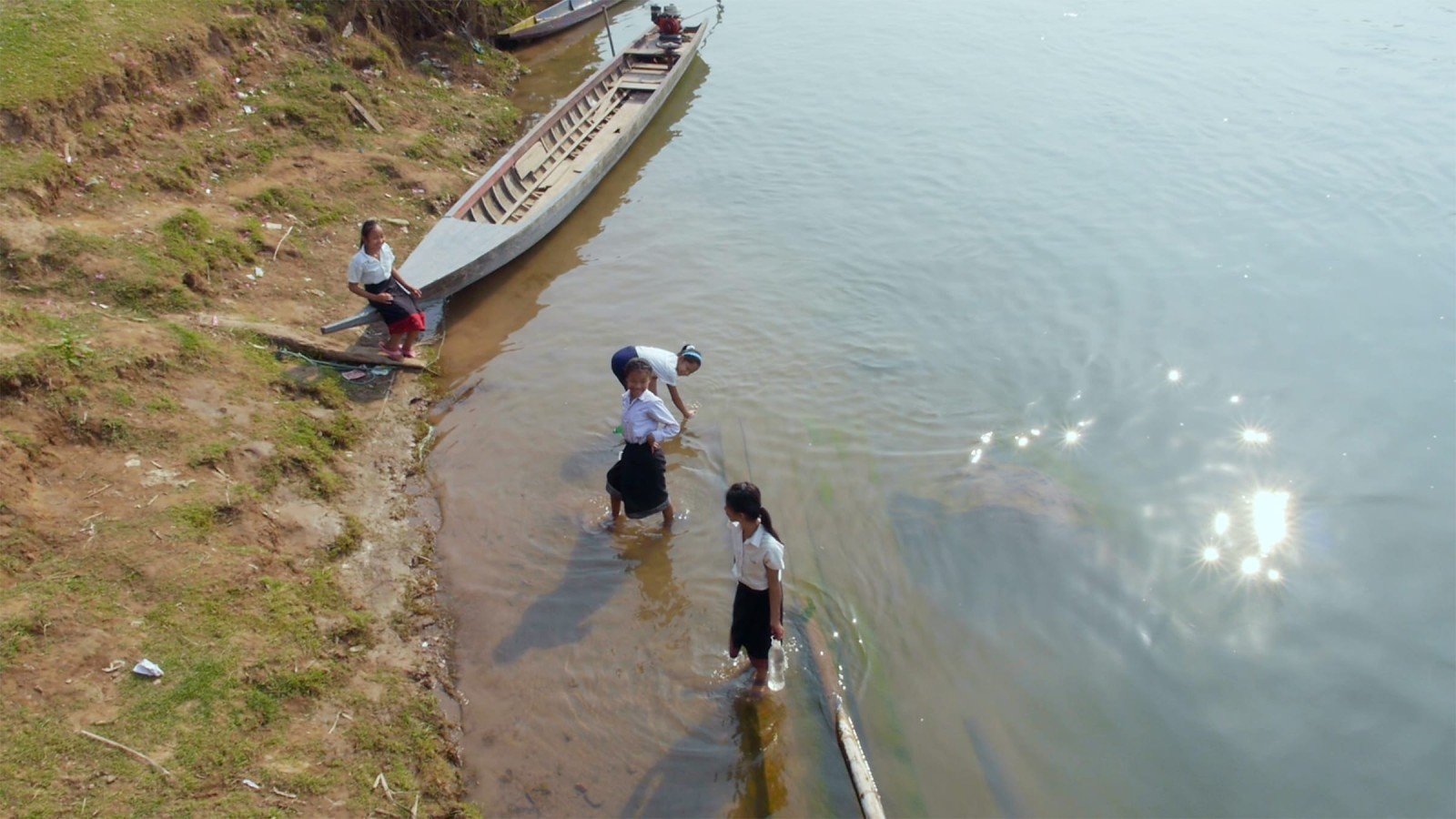
A keen and patient observer who has taken her camera to such far-flung destinations as Peru, Laos, and Uganda, the acclaimed filmmaker immerses viewers in unfamiliar situations that highlight the fluid dynamics of human interaction.
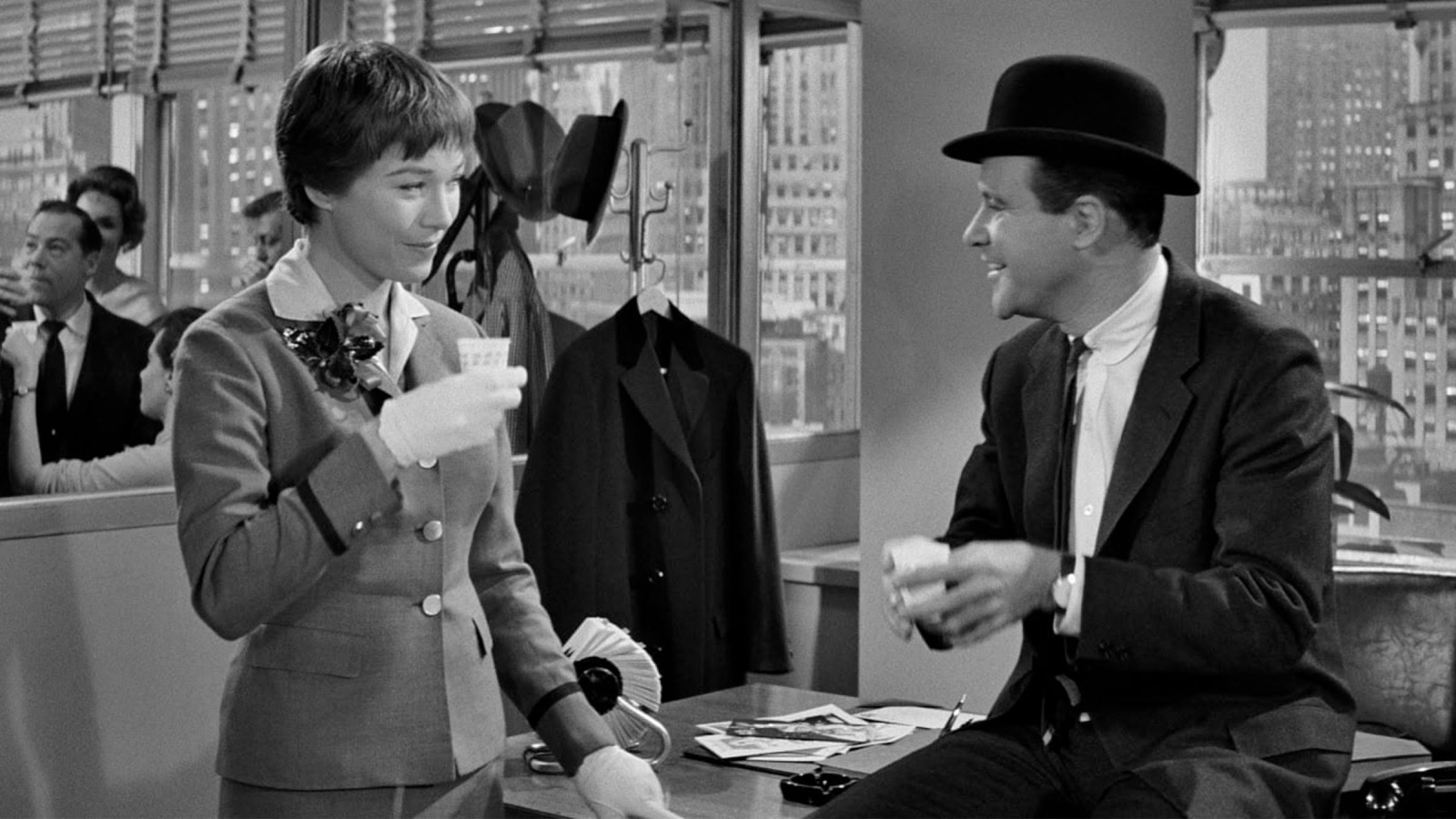
In His Girl Friday, The Apartment, and other classic films about love in the workplace, Hollywood grappled with the evolution of American sexual politics and the glories and pitfalls of professional achievement.
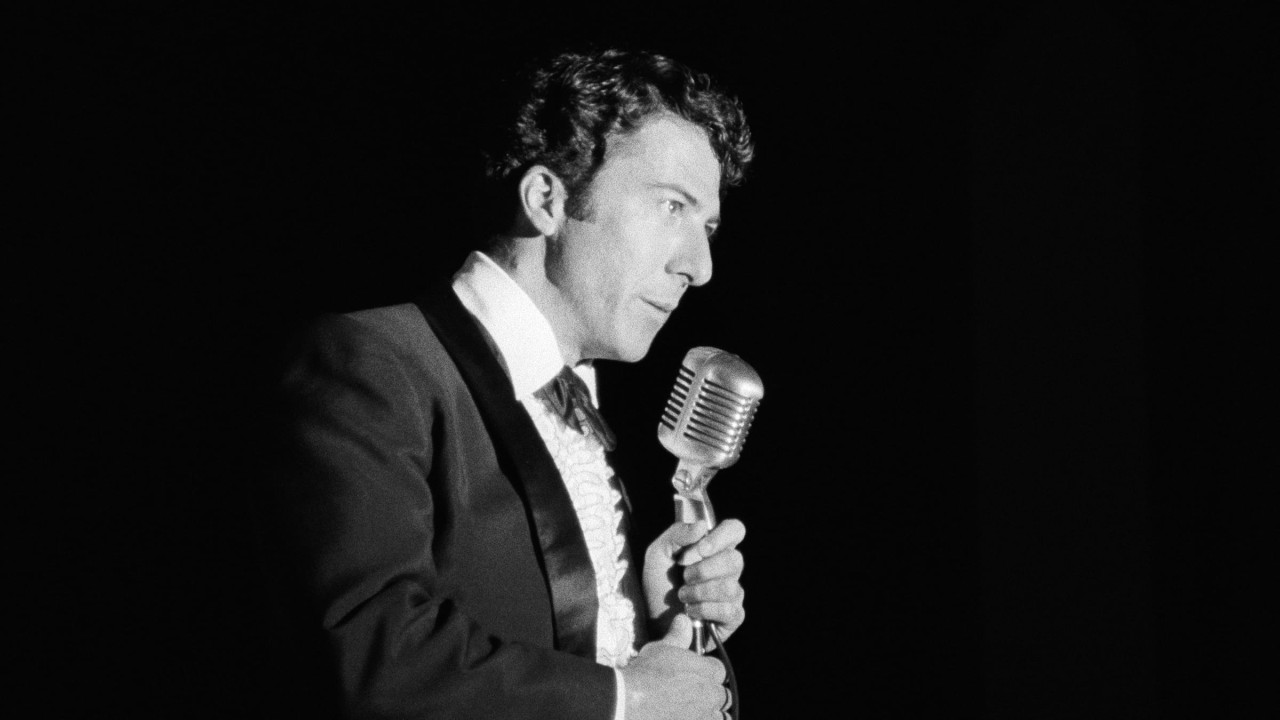
Featuring a quasi-documentary format that was innovative for its time, Bob Fosse’s complex portrait of stand-up comedian Lenny Bruce is a gesture of postmortem outreach from one prickly, jagged-edged artist to another.
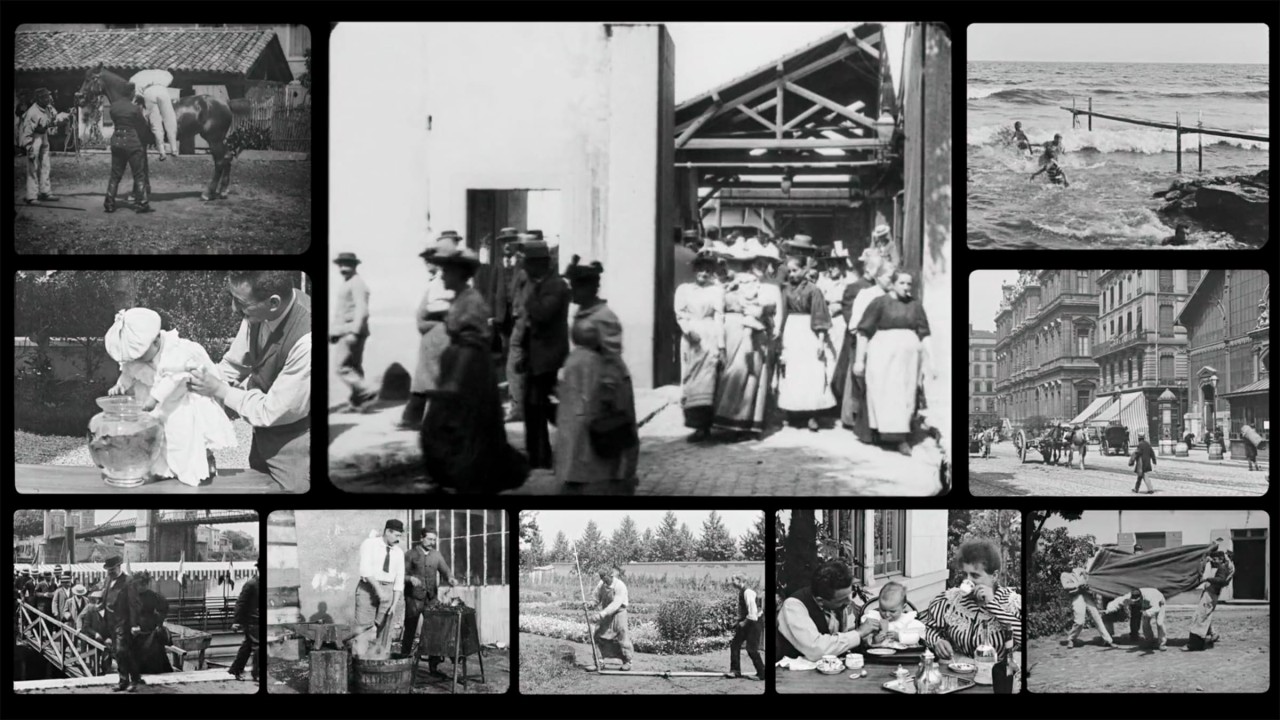
The Lumière brothers were not just inventors who brought about major advancements in motion-picture technology, they were also cinema’s first artists, capturing modern life with dynamic compositions and ingeniously choreographed action.
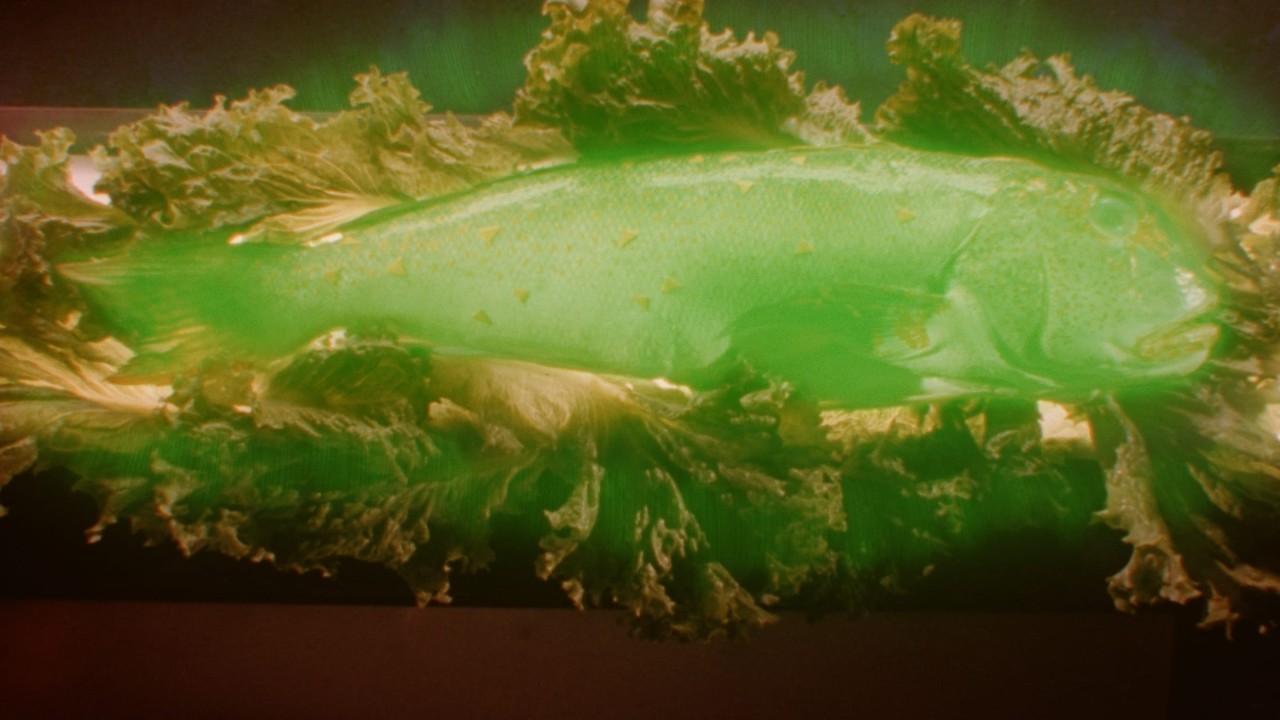
New-media pioneer Shu Lea Cheang’s astonishingly prescient dystopian vision takes place in a world where technology feels sticky and bodily, and where networks seep into food, water, and flesh.
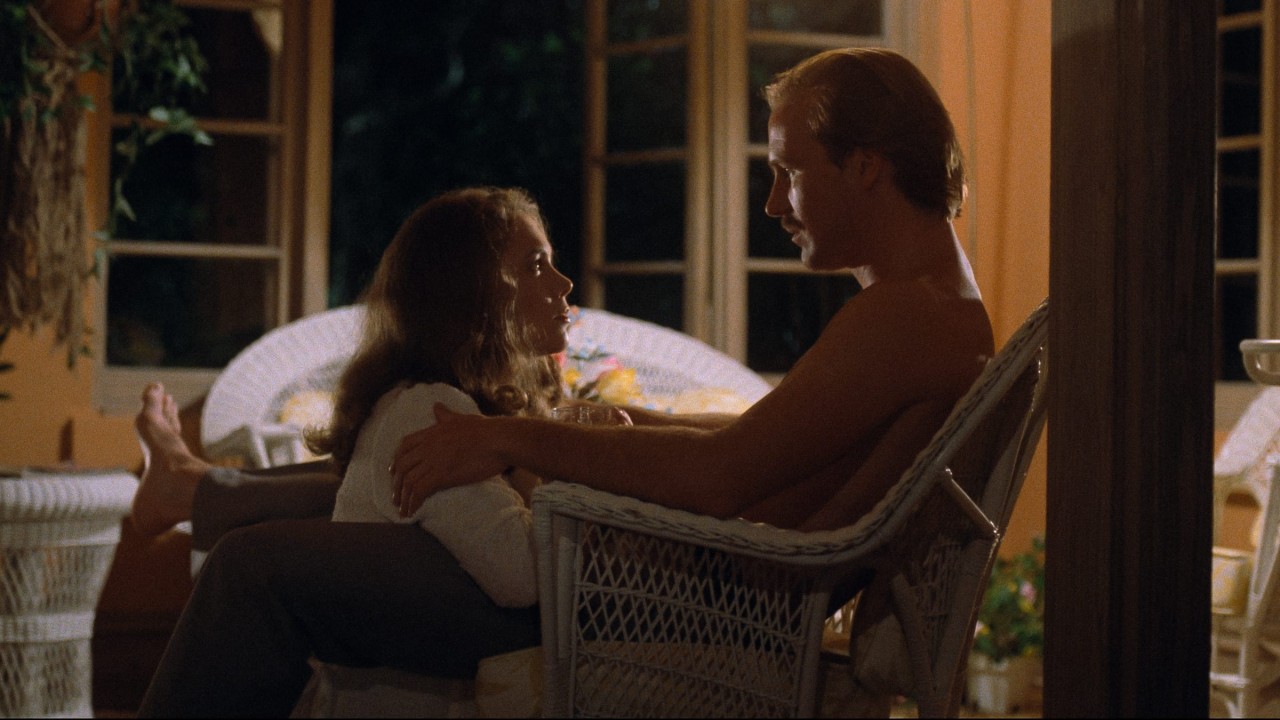
In his stylish and provocative directorial debut, Lawrence Kasdan uses the vehicle of a sex-and-murder plot to explore the film’s historical moment, which gave rise to the greed and amorality of the Reagan era.
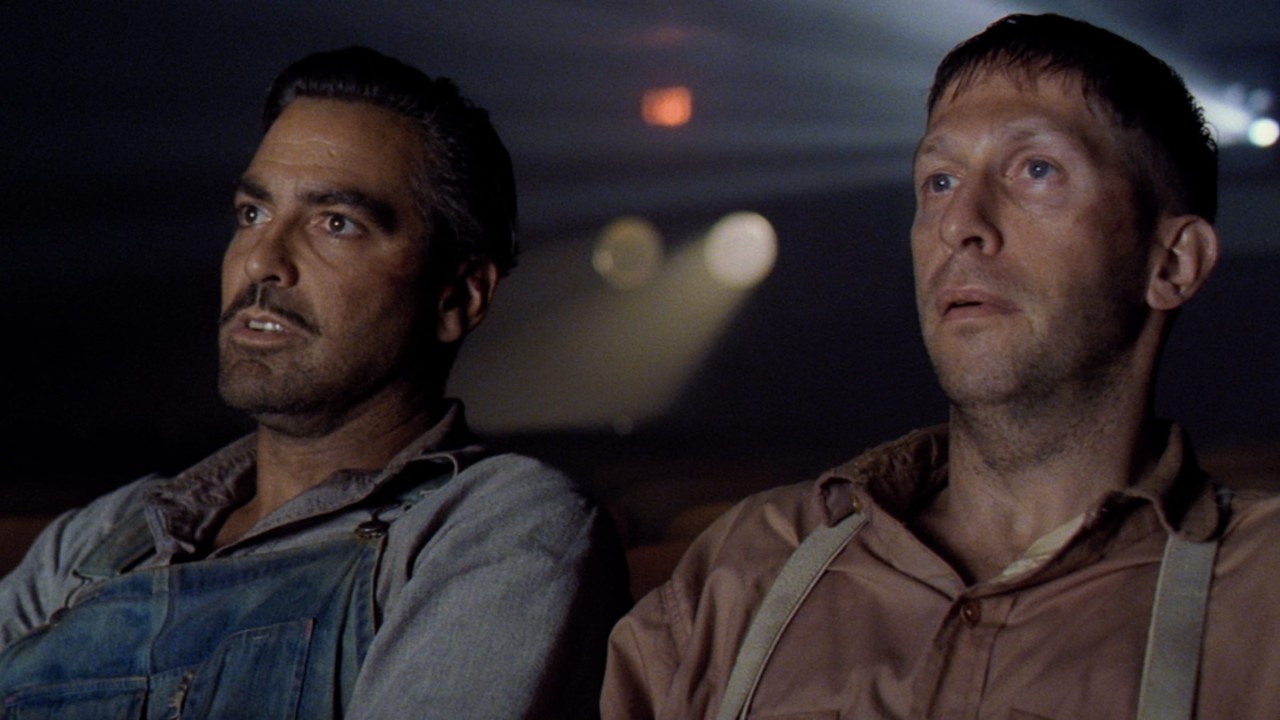
Set out on an epic journey with our Odysseys collection, revisit the foundational Bond classics that introduced the silver screen’s most iconic superspy, and dive into a selection of Courtney Love’s greatest performances.
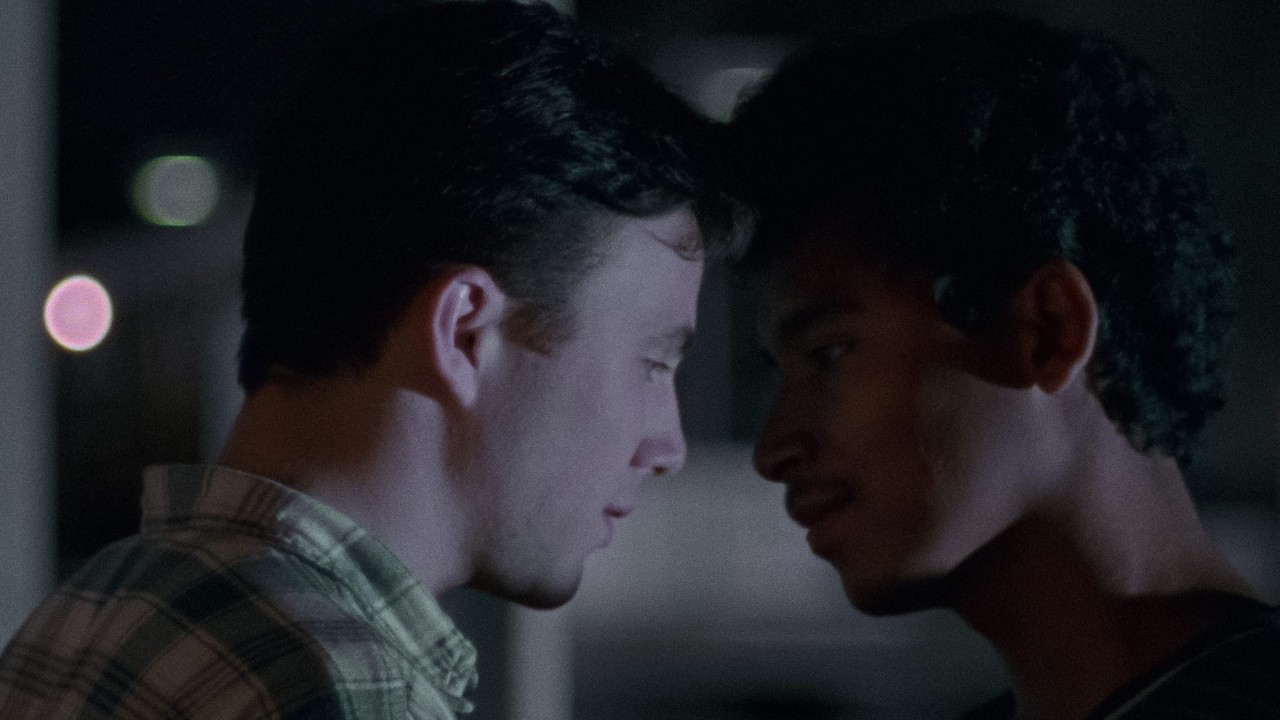
In the landscape of gay-themed cinema, which often focuses on positivity and pride, Ira Sachs’s debut feature stands out for asking unsettling questions about the limits of queer connection across socioeconomic and racial divides.
Spotlight
In this ongoing series of videos, contemporary filmmakers talk to us about the movies that have had a lasting impact on their work.


