Cinema Rediscovered 2026
Share
Premiering new restorations of enduring and endearing films would be more than exciting enough, but Bristol’s Cinema Rediscovered is an annual festival that offers even more. There are cinema-themed walks through the city, improv workshops, a quiz, and this year, a free interactive BFI National Archive exhibition. Marking the festival’s tenth anniversary, founder Mark Cosgrove will open the 2026 edition on Wednesday evening with chat with Ehsan Khoshbakht, one of the codirectors of Il Cinema Ritrovato, moderated by Pamela Hutchinson.
Cinema Rediscovered will celebrate another anniversary as well. Aardman, the Bristol-based animation studio best known for its Wallace & Gromit features and shorts, is turning fifty. Cofounders Peter Lord and David Sproxton will be on hand to talk about some of the studio’s early groundbreaking work such as the 1986 video for Peter Gabriel’s “Sledgehammer,” a collaboration with the Brothers Quay. And Cracking Exhibition, Gromit! 50 Years of Aardman in Bristol is on view at M Shed through September 13.
Most screenings will roll out in four of the six thematic strands. Comics Come Alive, for example, will offer the UK premiere of a restoration of Mario Bava’s Danger: Diabolik (1968), based on the comic series by sisters Angela and Luciana Giussani. Writing for the A.V. Club in 2014, Ignatiy Vishnevetsky called Bava’s film “one of the definitive touchstones of Euro pulp, a decadently silly movie crammed with miniatures, op art, bachelor-pad lairs, less-than-convincing rear projection shots, and suspiciously colorful nighttime scenes, all soundtracked by Ennio Morricone’s lush exotica score.”
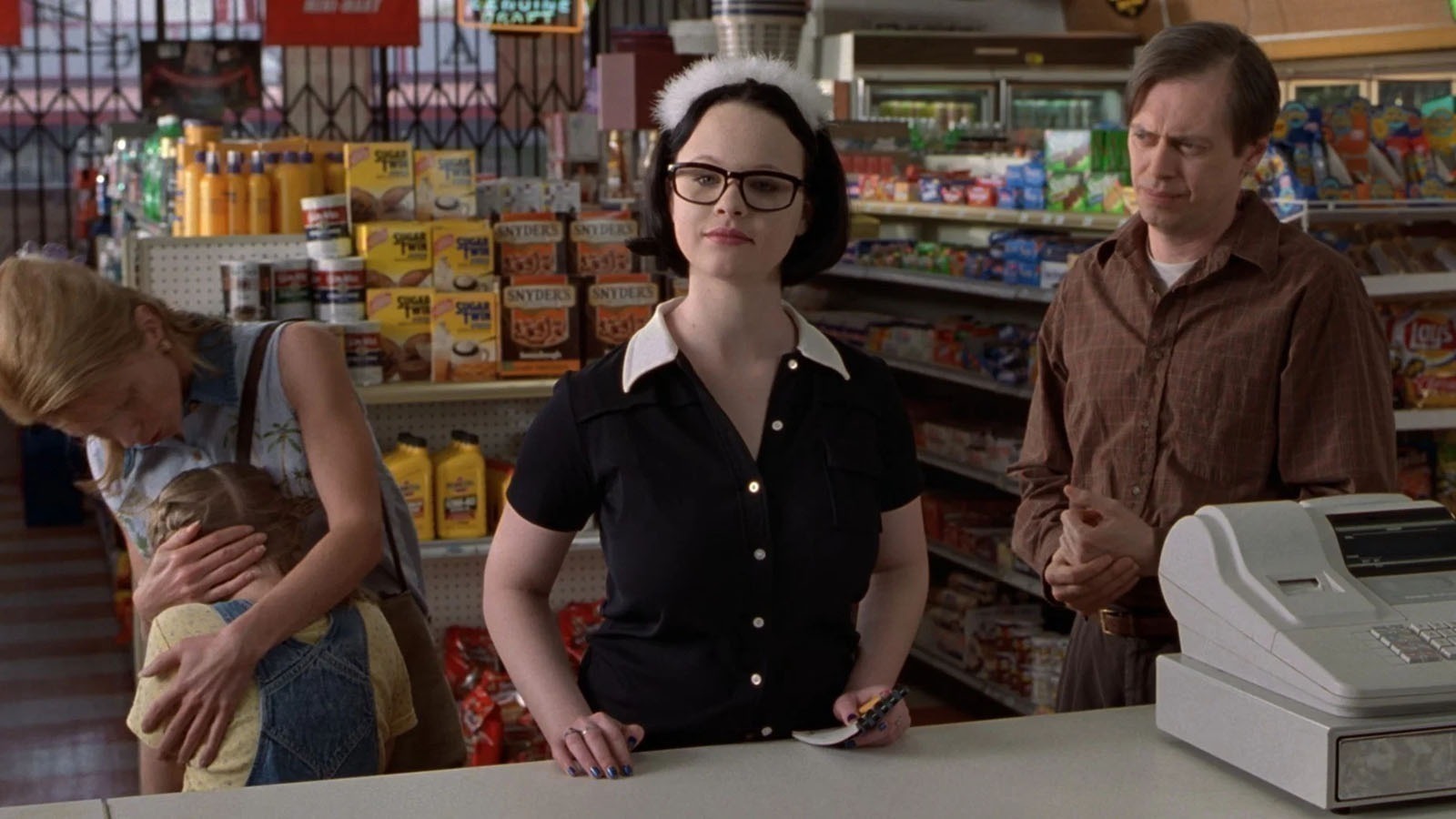
To mark the screening of Ghost World (2001), Terry Zwigoff and Daniel Clowes’s adaptation of the latter’s 1997 comic book starring Thora Birch and Scarlett Johansson as graduating high schoolers, Sight and Sound has republished S. F. Said’s report from his visit to the set. “I’m trying to make a film the way I see the modern world,” Zwigoff told Said. “It’s very colorful, but also very empty and grim. It’s like a modern American strip-mall wasteland—they’re painted bright, shiny colors but they all sell the same crap. It’s cheery on the outside but if you look closely it’s depressing.”
“Audiences in 2001 had never seen such a tonally jousting, pinwheel immersion in late-adolescent ennui,” wrote Howard Hampton in 2017, “and it struck a quotidian, satiric-poetic underground-comix chord—and nerve. Honoring Daniel Clowes’s poker-faced, weird-out comic book while folding Zwigoff’s own neurotic baggage into the mix, Ghost World made desperation not only morbidly funny but also cheekily enigmatic, moving, and sort of heroic, in a Sisyphus-goes-to-the-convenience-store way.”
The Rogue Hollywood program features fiftieth-anniversary screenings of Elaine May’s Mikey and Nicky and Martin Scorsese’s Taxi Driver, and with Vive le Cinema!, the festival aims to “celebrate that place where we come together to share the emotional thrills and magic that only film can deliver.” Before Friday’s screening of Giuliano Montaldo’s Closed Circuit (1978)—in which a man is shot dead in a movie theater and the police lock the doors, trapping the audience inside until they find the killer—Cinema Rediscovered will an invite viewers to take part in helping to solve the festival’s own staged murder mystery.
The Vive le Cinema! strand also includes Tsai Ming-liang’s Goodbye, Dragon Inn (2003), Joe Dante’s Matinee (1993), and Luc Moullet’s Les Sièges de l’Alcazar (1989), a send-up of Parisian cinephilia in the 1960s. A critic for Cahiers du cinéma suspects that he’s being spied on by a critic for the rival journal Positif. “Frequently funny, and just as affectingly nostalgic, the film is also an ode to those legendary years of criticism,” writes Toronto programmer Andréa Picard.
Restored & Rediscovered is a program of more than two dozen features, including two by Claude Chabrol—The Unfaithful Wife (1969) and The Butcher (1970)—and the world premiere of a new restoration of John Schlesinger’s Billy Liar (1963), which is set in Yorkshire and stars Tom Courtenay as an undertaker’s assistant with an overactive imagination and Julie Christie as an old flame who breezes in from London.
As John Naughton wrote in the New York Times in 2000, “to dismiss Billy Liar as just another kitchen-sink drama is to miss the point of a movie that undoubtedly owed a debt to such class-conscious New Wave fare as Saturday Night and Sunday Morning (1960) but that is blessed with an altogether different agenda. From its opening breakfast-table confrontation between Billy and his bewildered parents as he outlines his plans to move to London and become a comic writer, this is a movie stamped with a youthful, irreverent anarchism more akin to Lennon than Lenin.”
Don’t miss out on your Daily briefing! Subscribe to the RSS feed.