Japan Cuts 2026
Share
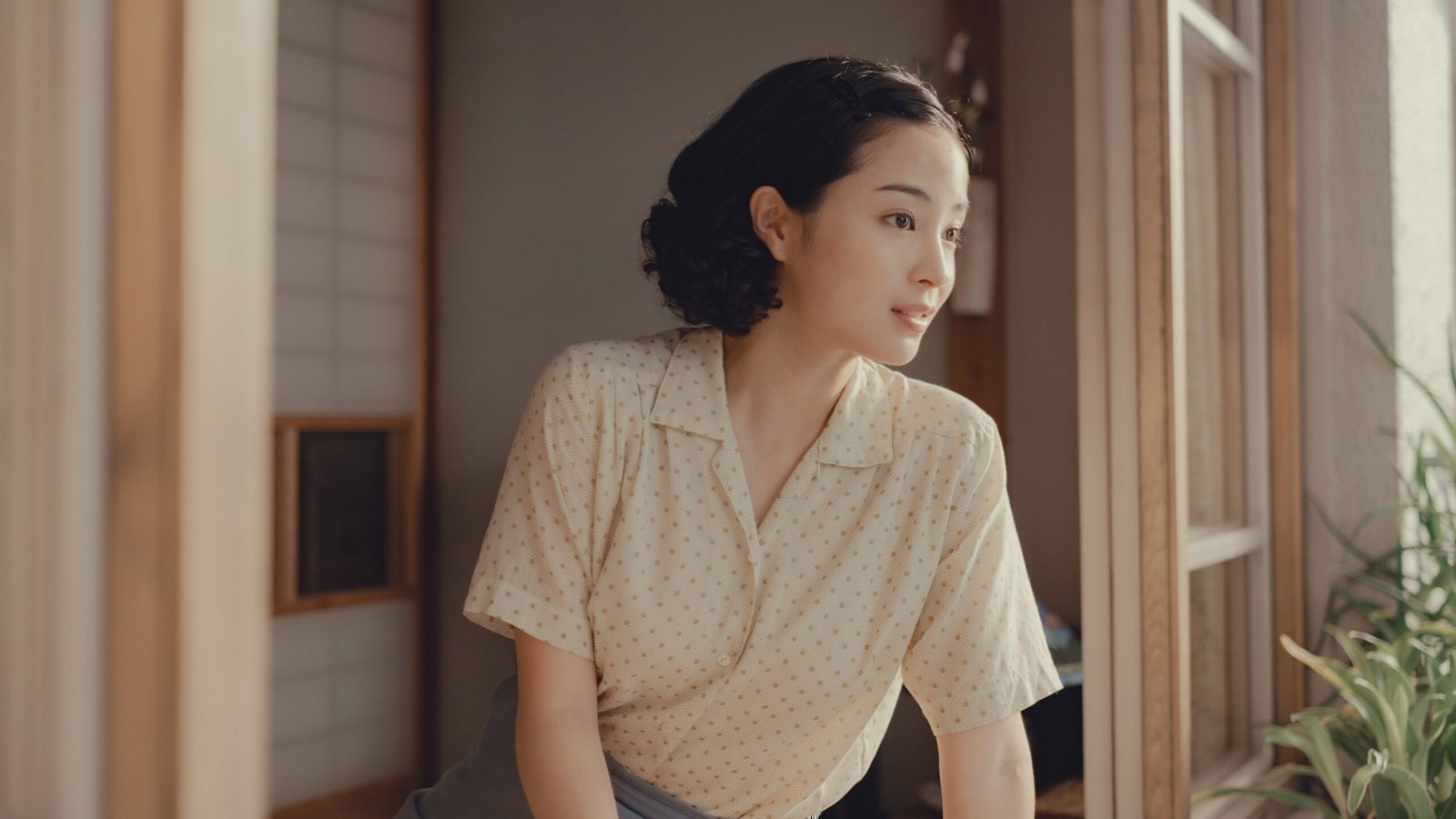
Suzu Hirose was sixteen going on seventeen when her career took off. She’d done some modeling and appeared in a few films that didn’t make much of a splash before Hirokazu Kore-eda’s Our Little Sister premiered in competition in Cannes. Hirose played the title character, a thirteen-year-old who has cared for the dying man who fathered her and, by another mother, three half-sisters she has never met. After their father dies, these three young women take in their “new” younger sister.
Kore-eda’s tenth feature went on to score four Japanese Academy Awards, including Picture of the Year, Director of the Year, and a Newcomer of the Year award for Hirose. Our Little Sister “may not have the power of Kore-eda’s earlier movie I Wish,” wrote the Guardian’s Peter Bradshaw, “but it is sure-footed in the way his child-swap drama Like Father Like Son was not. It is impossible not to be touched and beguiled by it.”
Hirose will introduce a screening of Our Little Sister in New York on Sunday during the nineteenth edition of Japan Cuts, which opens tomorrow and runs through July 19. Japan Society will present a Cut Above Award to Hirose, who will introduce this year’s Centerpiece Film on Monday. Kei Ishikawa’s A Pale View of Hills (2025) is an adaptation of Kazuo Ishiguro’s 1982 debut novel, “and quite a good one,” finds Mark Schilling in the Japan Times. At first, Schilling wondered “why it had taken so long” to turn this story into a film, but then “third-act developments made it clear that this would be no conventionally weepy drama about mother-daughter reconciliation.”
Kore-eda will be in town as well to take part in a Q&A following the presentation of the festival’s Closing Film, Sheep in the Box, the director’s latest Cannes competition entry. Initial critical response was not great back in May, but not everyone is ready to unceremoniously dismiss this story of Otone (Haruka Ayase) and Kensuke Komoto (Daigo Yamamoto), parents who have lost their young son and sign up to take on a substitute, an AI-powered “humanoid.”
“Sheep in the Box isn’t blazing new territory here in terms of premise,” writes Vulture’s Alison Willmore. “The difference is that, due to . . . the Kore-eda of it all, Sheep in the Box exudes a melancholy resignation about the idea that humanity is going to do this rather than being driven to explore whether humanity should. It’s a movie that, in terms of sentiment, feels of a kind with his past work about abandoned children living on their own in Nobody Knows, a ragtag found family in Shoplifters, and an inflatable doll that comes to life in Air Doll. In other words, Sheep in the Box regards AI creations as just more things for society to fail, even if the Komotos do their best to be kind.”
Japan Cuts 2026 will open with Tokyo Taxi (2025), the ninety-first feature from ninety-four-year-old director Yoji Yamada. As Jordan Mintzer points out in the Hollywood Reporter, Yamada and eighty-five-year-old Chieko Basho have made “dozens upon dozens of Tora-san comedy movies” together, and their “century-and-a-half of combined experience is certainly on display in this slick, senior-skewed crowd-pleaser, about a beleaguered cabbie taking an aging passenger on one last ride through her hometown metropolis, during which she reflects on her long and sometimes shocking life.”
More than thirty features are screening in this year’s program, and at the Film Stage, Soham Gadre and Nick Newman have written up notes on fifteen of them. Gadre recommends Yukari Sakamoto’s White Flowers and Fruits, a debut feature that “transfers the elements of horror into adolescent drama à la Peter Weir’s Picnic at Hanging Rock.” For Newman, Ryuichi Iwakura’s first feature, Brand New Love, is “a mini-masterpiece of mise-en-scène,” while Yutaro Seki and Kentaro Hirase’s Sai: Disaster is “an everything-at-once cross-cut nightmare, foregrounding both the killer initially revealed after the first hour and a detective narrative.”
But Shinichiro Sawai’s W’s Tragedy (1984) just might be “the best film in Japan Cuts’ 2026 lineup,” suggests Newman. This film is “terror-tinged in its depiction of a performer’s life mirroring their art; the stage has rarely proven a more malevolent site in cinema. For those who know it, W’s Tragedy has long seemed just two steps from cult canonization. This world premiere of a 4K restoration is at least the first.”
Don’t miss out on your Daily briefing! Subscribe to the RSS feed.