Fall Books
Perhaps the only thing cinephiles enjoy more than watching movies is reading about movies. Every couple of months or so, I put together an overview of book reviews and excerpts, interviews with authors, and news of forthcoming releases, and this round offers a mix as eclectic as any that’s come before it.
Titans
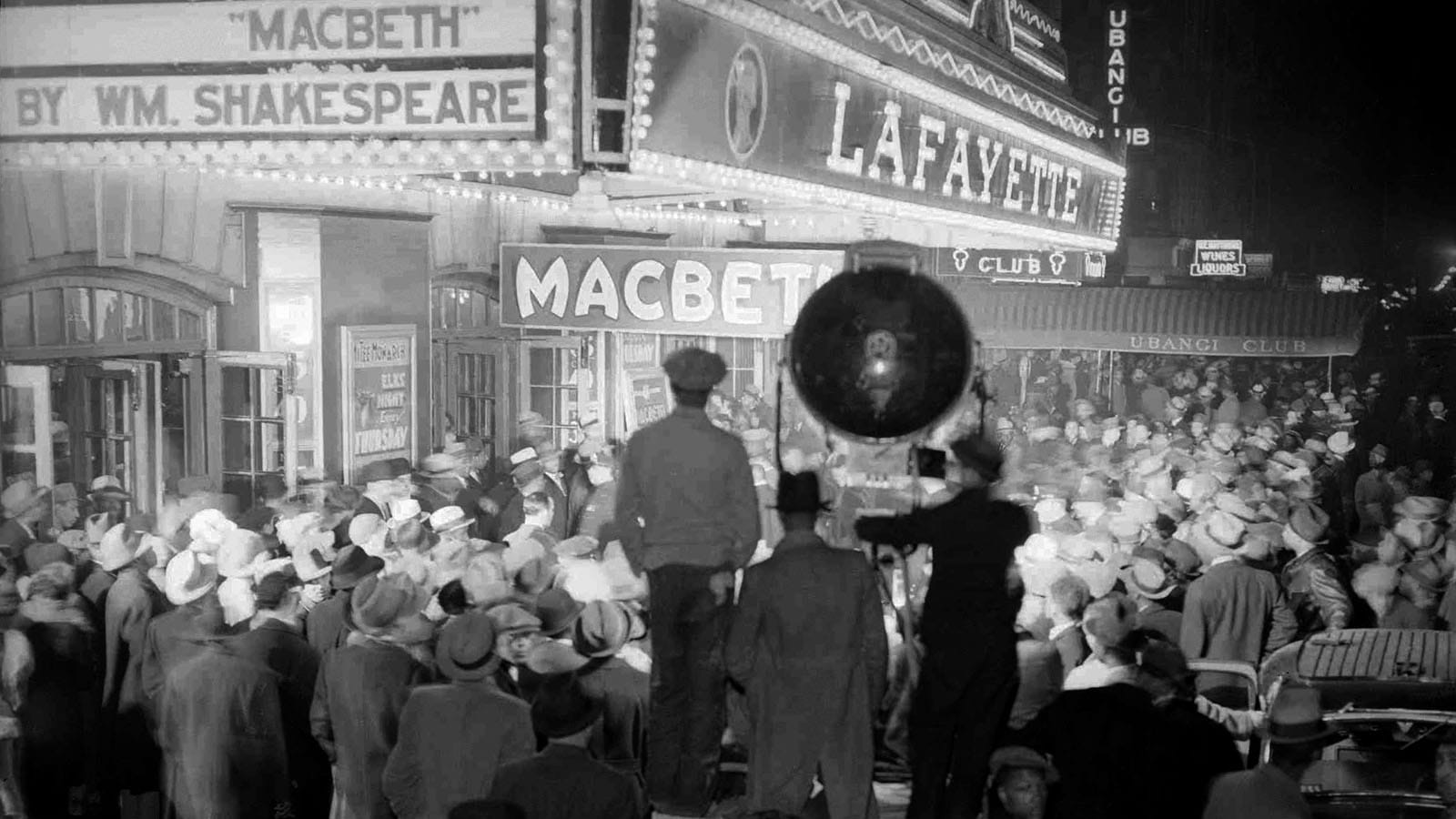
With the theatrical release and online premiere of The Other Side of the Wind just weeks away now, interest in Orson Welles is as high as it’s been since 2015, the year we celebrated the 100th birthday of the man of whom Jean-Luc Godard once said, “All of us, always, will owe him everything.” 2015 was also the year a centenary conference was held at Indiana University, and the papers delivered there have been collected and edited by James N. Gilmore and Sidney Gottlieb. Orson Welles in Focus: Texts and Contexts will be of interest for those eager to learn more about the lesser known work such as Welles’s journalism, the television series Around the World with Orson Welles, a 1936 theatrical production of Macbeth, even his letters. Writing for Film International, Tony Williams walks us through each of the entries, quibbling a bit here and there, but ultimately recommending the volume as “a fascinating collection, several of the contributions making the reader wish for more.”
Reviewing How Did Lubitsch Do It?, Jan-Christopher Horak, director of the UCLA Film & Television Archive, notes that author Joseph McBride “analyzes the German and American periods in relation to each other, rather than as whole separate phases of his career.” McBride further distinguishes his book from most Lubitsch biographies in that he “doesn’t bifurcate the comedies and the more famous historical dramas, seeing strong doses of irony in the latter, which would become part and parcel of the ‘Berlin style’ that would characterize his American work.”
In the Washington Post, Mark Jenkins recommends Miyazakiworld: A Life in Art, a study of the work of the legendary animator Hayao Miyazaki. Though author Susan Napier teaches in the Japanese program at Tufts University, Jenkins finds the book “blessedly free of lit-crit and cultural-studies jargon. The professor is above all a fan.”
Overlooked and Underappreciated
Anticipating “a slew of events celebrating silent cinema comediennes coming up soon,” Pamela Hutchinson has posted two reviews she’s written for Sight & Sound. “For those who would like to see Marie Dressler and Marion Davies, let alone Flora Finch and Anita Garvin, as celebrated as their male peers, Steve Massa’s Slapstick Divas: The Women of Silent Comedy will be a welcome resource,” she advises. “Even for a silent film aficionado there will be unfamiliar names here. Massa’s rigorous research leaves no comedienne behind.” And Maggie Hennefeld’s “rich and provocative book, Specters of Slapstick and Silent Film Comediennes, carries us several steps further in our understanding of a pivotal period in cinema history.”
Back in Film International, Alex Brannan reviews The Films of Jess Franco, a collection of essays edited by Antonio Lazaro-Reboll and Ian Olney: “Formal analysis, plot segmentation, analyses through LGBT or feminist lenses, industrial contextualization, and auteur theory are all methods by which the contributors situate Franco and his films in contrast to the common perception that his work is mere sleazy, soft-core pornography.”
Excerpts
Last month saw the publication of The Coen Brothers: This Book Really Ties the Films Together by Adam Nayman, a widely published film critic and a contributing editor for Cinema Scope. Over the past few weeks, excerpts have been popping up all over, wherein we can sample Nayman’s thoughts on The Big Lebowski (1998), The Man Who Wasn’t There (2001), and Burn After Reading (2008). Nayman has also recently taken part in a conversation about the Coens with K. Austin Collins, Michael Koresky, and Aliza Ma on the Film Comment Podcast. And for TIFF, he talks about why audiences seem more drawn to Fargo (1996) than probably any other film in the brothers’ oeuvre: