Alex Gibney’s Musk
Share
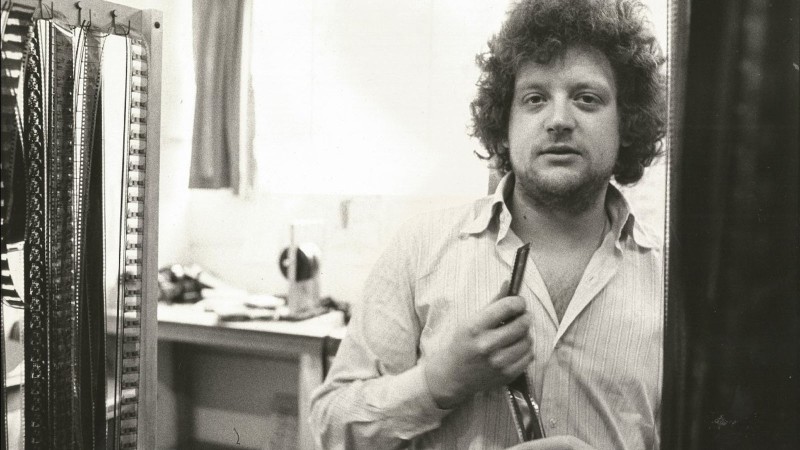
In a recent cover story for the Hollywood Reporter, Steven Zeitchik calls documentary filmmaker Alex Gibney “the closest the current film world has to a Bob Woodward.” Gibney won an Oscar for Taxi to the Dark Side (2007), an investigation into the CIA’s use of torture, and he’s won Emmys for Mea Maxima Culpa: Silence in the House of God (2012), which traces the history of clerical sexual abuse in the Catholic Church, and Going Clear: Scientology & the Prison of Belief (2015).
In 2022, Gibney and his team began working on a film about Elon Musk for HBO. Within two years, they had what they considered to be a pretty solid account of the South African–born software engineer who developed an uncanny talent for turning money-losing companies into personal cash cows before cofounding PayPal (and then stepping away), founding SpaceX, taking over Tesla and the satellite network Starlink, cofounding OpenAI (and then stepping away), and taking over Twitter and rebranding it as X, where his own account is boosted while others—particularly those expressing views he disagrees with—are throttled.
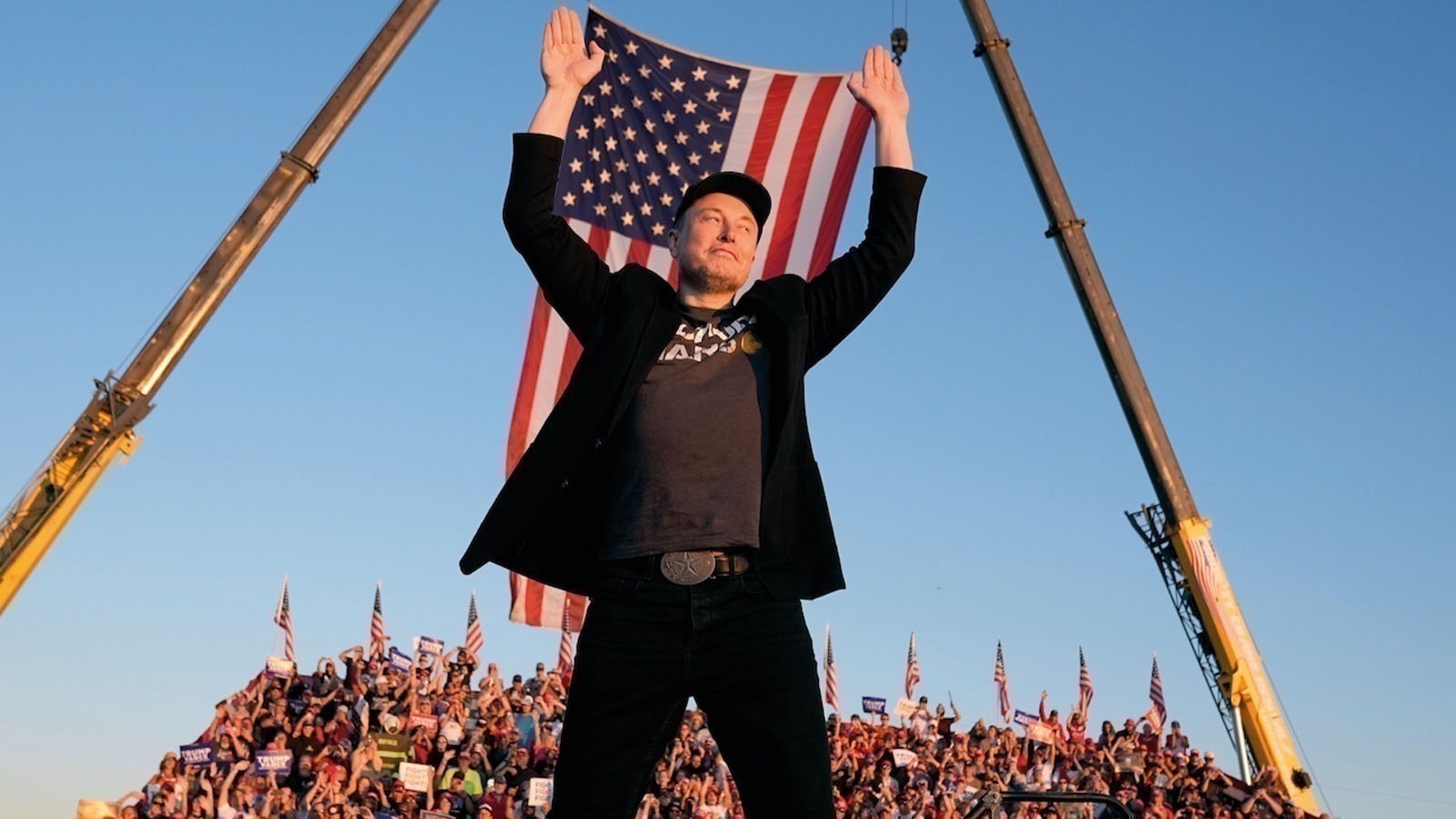
By 2024, though, Musk was actively campaigning for—and to a considerable degree, helping to finance—the reelection of Donald Trump. Dressed in black and describing himself as “dark, gothic MAGA,” Musk joined the second Trump administration as the overseer of the newly launched Department of Government Efficiency (DOGE), whose dismantling of the United States Agency for International Development (USAID) is widely believed to have led to the deaths of hundreds of thousands around the world.
HBO encouraged Gibney to carry on working on Musk, whose running time swelled from two hours to six before being whittled back down to around four. Immediately after the film’s premiere in Venice, Alex Spiro, an attorney acting on behalf of Musk, issued a legal threat. Gibney was not fazed. He’s been down this particular road many times before. But as THR’s Etan Vlessing reports, Gibney is worried about the eventual fate of his film.
It’s screening this month in Toronto and is slated for a theatrical release next month, but Paramount’s eventual takeover of Warner Bros. may lead to a dead end at HBO Max. “Larry Ellison, who is cited in the film, is one of Elon’s friends and one of the investors in his takeover of Twitter,” noted Gibney on Sunday. “And his son David Ellison,” the current CEO of Paramount Skydance, “has shown he’ll twist whatever facts are at his disposal in order to please the Capo dei Capi who happens to be the President of the United States. So that is a deep concern. But so far, so good.”
If the Ellisons turn out to be a roadblock, reviews will certainly not be. “If most of what [Gibney] presents here about Musk isn’t particularly new,” writes Beatrice Loayza in the New York Times, “there is a fearsome power to the way the director brings it all together. Musk isn’t just a pesky fixture in the news cycle. Gibney’s mega-portrait asks us to look at the sum of his actions and take him seriously as a threat to democracy.”
“None of what we have seen and thought about Musk can fully ready us for what the filmmaker has done here,” writes Steven Zeitchik. Musk is “an adventurous but methodical movie grounded in the thesis that, as he sees it, a dangerous huckster is stealthily aggregating power to exploit us, primarily by centralizing and controlling massive amounts of data. Gibney’s basic take on Musk is that he’s a confidence man whose power comes only from the stock market and disappears the minute we see through the facade of sales pitches—but [he] can do a whole lot of damage until that happens.”
“Predictably,” writes Leonardo Goi in his Notebook dispatch from Venice, “Gibney could not land a tete-à-tete with his subject, leaving Musk to summon a second-hand portrait sketched by reformed disciples and longtime skeptics. It also resorts to deep-fake technology to stage talking head–style segments where a digitally created Musk spouts some of the deranged stuff he’s said in public, a choice that befits the fake persona he’s nurtured and opportunistically tweaked through the years.”
Addressing Musk’s hard swerve to the right—especially during and after the pandemic, Musk established close ties with Argentina’s Javier Milei, Brazil’s Jair Bolsonaro, and the ascendant right-wing parties in France, Germany, and the UK—Slate’s Sam Adams points out that Gibney shows how Musk “found on Twitter an endless stream of pseudo-information to rationalize his own biases, the ultimate resource for a man who had come to believe that his own gut was the most reliable source of all. He discovered that his most unrestrained statements—which is to say, often, his most racist or sexist or simply cracked—got the biggest response, and he followed the trail his followers laid out for him.”
Ultraconservative and anti-trans influencer Ashley St. Clair, who has had a child with Musk, is one of Gibney’s interviewees, and as Vulture’s Bilge Ebiri notes, she “utters the film’s most terrifying line when she discusses the danger that Musk represents through his collusion with the government and his harnessing of the satellite technology that now effectively runs much of the world: ‘Elon is a nuke,’ she says.”
“This declaration comes near the end,” writes Rolling Stone’s David Fear, “and by that time, there’s more than enough evidence from the prosecution to suggest St. Clair’s sentiment should be taken very, very seriously. It’s not just that Musk has amassed a staggering amount of money, power, and influence. By this point, he seems to be all in on using these things to push an agenda that goes beyond self-preservation and enrichment, and now flirts with annihilation. Most portraits simply give you a sketch of the subject. This one gives you existential chills. It’s designed to scare the living shit out of you.”
Don’t miss out on your Daily briefing! Subscribe to the RSS feed.