Vital Signs in Oakland
Share
Back in May, critic and filmmaker Jonathan Kiefer (Woodshedders, Around the Sun) launched the Vital Signs Film Series at Shapeshifters Cinema, an artist-run space in Oakland, California, with a forty-seat theater and a café serving house-made beer. Programs at Shapeshifters lean toward the experimental, but Kiefer is bringing a monthly event featuring what he describes to KQED’s Sarah Hotchkiss as “adventurous stuff that is kind of indie, art-house, slightly strange, noncommercial, very boutique offerings. Maybe if you’re lucky, they’ll wind up on the streaming platforms. But then with this type of film especially, it’s not as good just to watch it at home as it is to be in even a small room with just a few people.”
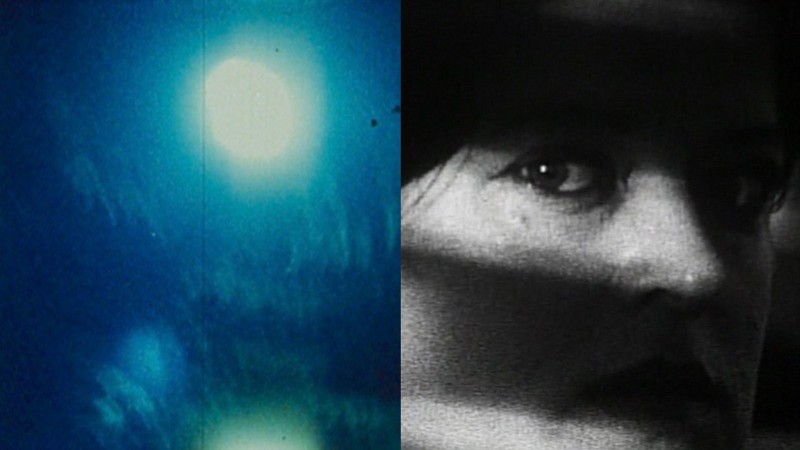
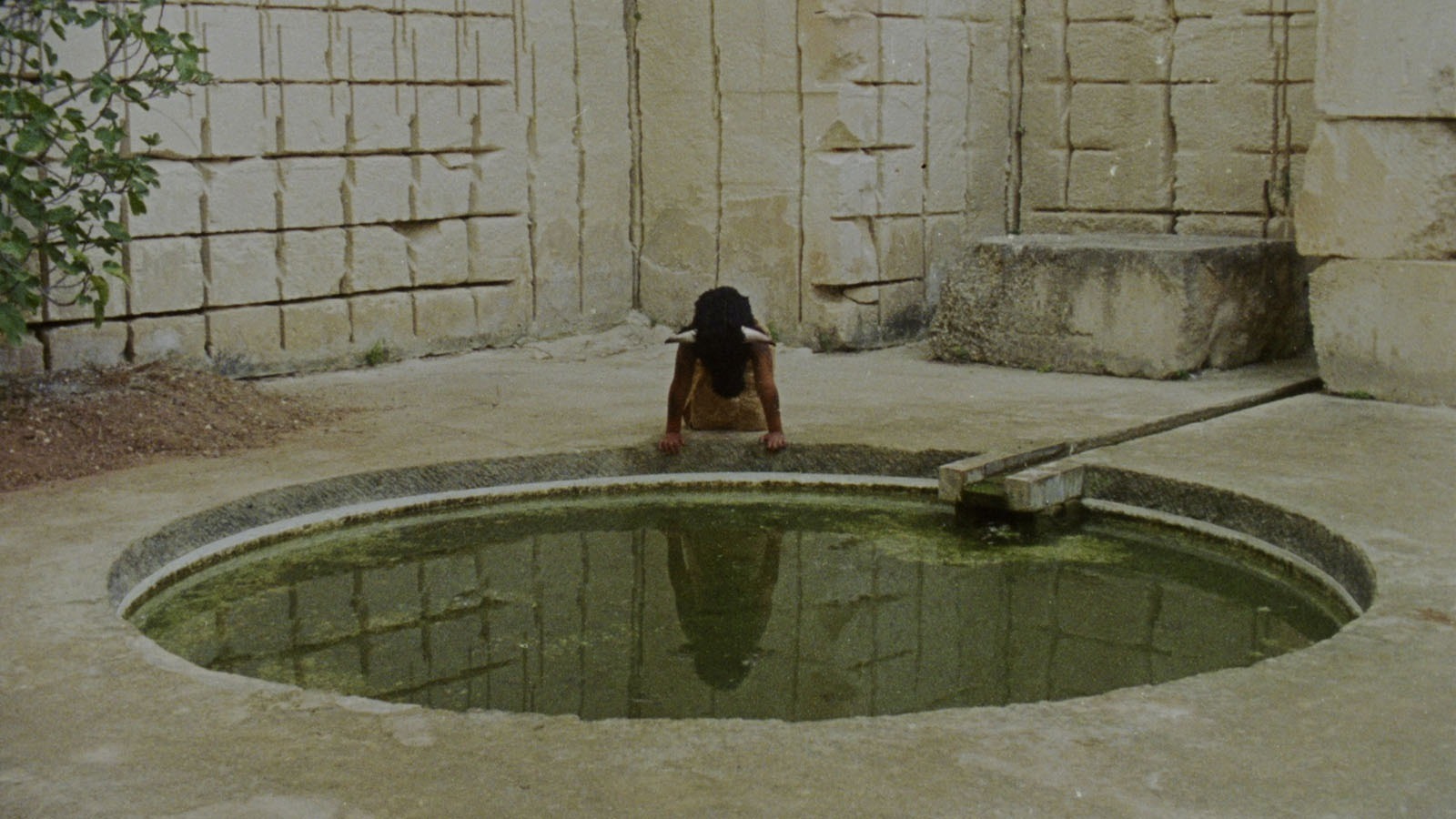
Hong Sangsoo’s What Does That Nature Say to You (2025) opened the series, and June’s selection was Caroline Golum’s Revelations of Divine Love (2025). July 5 brings Ben Rivers’s Mare’s Nest (2025). It’s a vision of a postapocalyptic world in which the only survivors are children and a road movie following nine-year-old Moon (Moon Guo Barker, the daughter of novelist and filmmaker Xiaolu Guo) over the course of eight chapters.
In one of those chapters, a cluster of children deliver a faithful rendering of The Word for Snow, a one-act play by Don DeLillo—a fan of Rivers’s work, as the filmmaker was surprised to discover a few years ago. As Rivers tells Steve Rose in the Guardian, DeLillo wrote a note of appreciation after seeing The Sky Trembles and the Earth Is Afraid and the Two Eyes Are Not Brothers (2015), and the writer and director have kept up an occasional correspondence ever since.
DeLillo had no idea how Rivers would handle The Word for Snow, but he gladly gave the go-ahead. The children deliver their lines “with such straight faces, all you’re paying attention to is the words,” says Rivers. “They’re nine years old. I didn’t expect them to understand everything. But then again, I don’t understand everything either. I read it many times over and it still remains kind of abstract and sometimes absurd.” DeLillo “said he was impressed with what I did with it—that was a huge relief.”
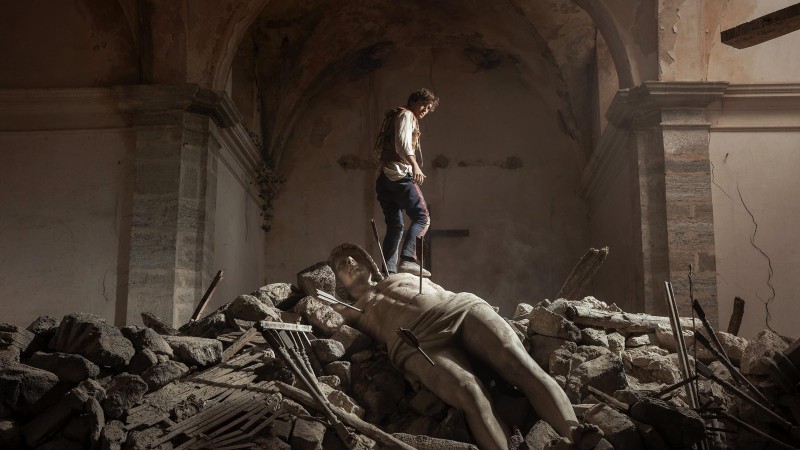
Patrick Wang’s A. Rimbaud screens on August 2. Starring Blake Draper as the restless French poet, the film “inspires the attentive viewer to find different ways to tell the history of a people, a movement, poetry, memory, and the intersection between colonialism and the emergence of the individual,” writes Carlos Valladares at the top of his interview with Wang for BOMB.
Auditioning the relatively unknown Draper, Wang found that “he had focused on what I think is maybe the most narratively interesting part of my script: not ‘Why did Rimbaud stop writing poetry?’ but ‘Did he ever stop being a poet?’ He saw that. He saw it in the ending. I think that’s why the ending means a lot to him as an actor, and why it shows in the final portrayal.”
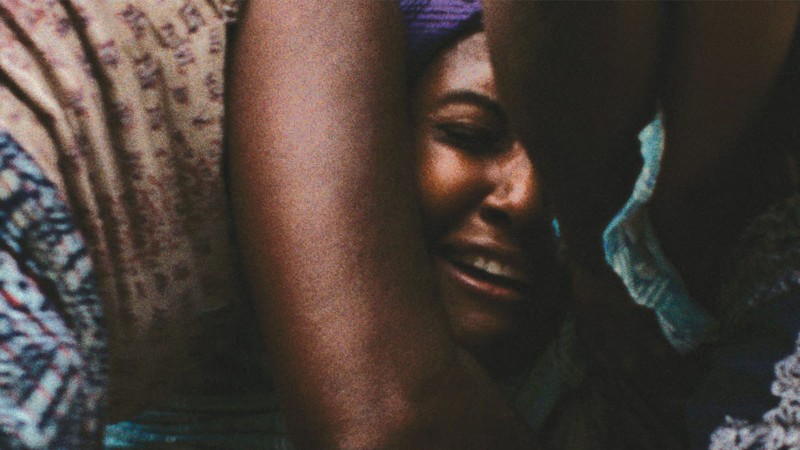
Artemis Shaw and Prashanth Kamalakanthan’s Removal of the Eye (2024), screening on September 6, stars the directors as Kallia and Ram, a couple coping with a new baby and Kallia’s Greek mother, who has set out to protect the family from the evil eye. “Building on the absurdist tone and improvisatory style of New Strains [2023],” writes Caroline Golum for Screen Slate, “Shaw and Kamalakanthan pull no punches skewering the millennia-old business of care and feeding, plus our own twenty-first-century obsession with ‘Building a Better Baby’ (to borrow from the film’s creepy fake publication). This ripe satire of the nanny state offers a bit of nap-time solace to the screaming, teething toddler in all of us.”
Don’t miss out on your Daily briefing! Subscribe to the RSS feed.