Mark Jenkin’s Rose of Nevada
Share
Mark Jenkin had been making films for seventeen years when his 2019 feature Bait won a BAFTA for Outstanding Debut. Centering on clashes between tourists and locals in a village on the rocky coast of Cornwall, the county that juts out from the southwest of England toward the Atlantic, Bait was written, directed, edited, and scored by Jenkin—who also shot the film with a clockwork Bolex H16 that allows a maximum run time of twenty-eight seconds per take.
No sound. Jenkin recorded, layered, and mixed dialogue, effects, and ambience in postproduction. The critical success of Bait—and that BAFTA—led to Jenkins being invited to join the College of Bards of Gorsedh Kernow, the organization founded nearly a hundred years ago to celebrate Cornish culture. Growing up in Cornwall, “I never thought about being Cornish,” Jenkin tells the Hollywood Reporter’s Georg Szalai. “And as soon as I left Cornwall, crossed the border, and went to college in England, suddenly I was the most Cornish person in the world, and when I moved home, I kept that with me.”
Jenkin processed the black-and-white footage of Bait by hand, but when he turned to richly saturated color for his folk horror homage Enys Men (2022), he realized that hand-processing would be “just too difficult,” as he tells Leonardo Goi in Filmmaker, “because the chemistry must be kept at thirty-seven degrees, and it would require a lot of rushes.” Otherwise, he has stuck to his one-man-band approach right on up through his latest feature, Rose of Nevada.
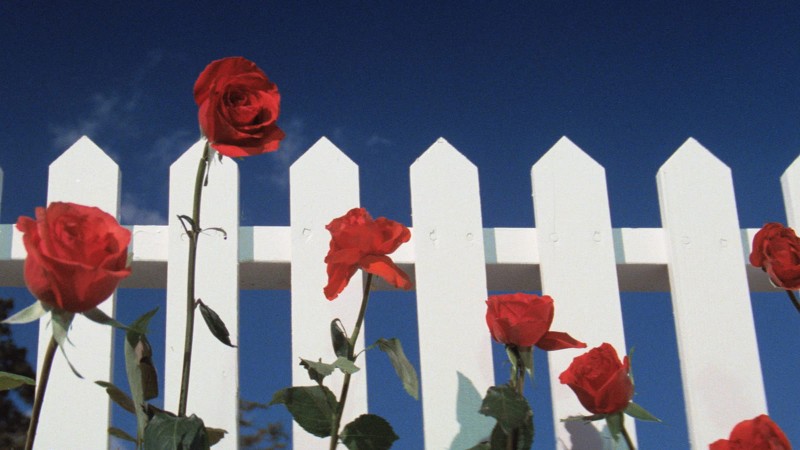
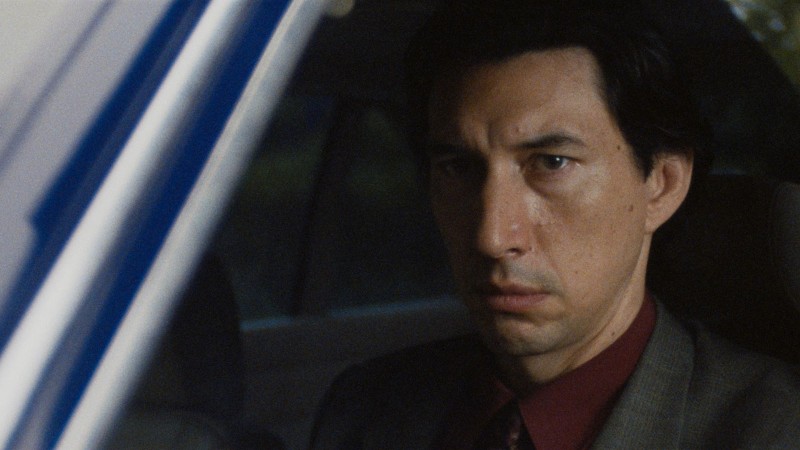
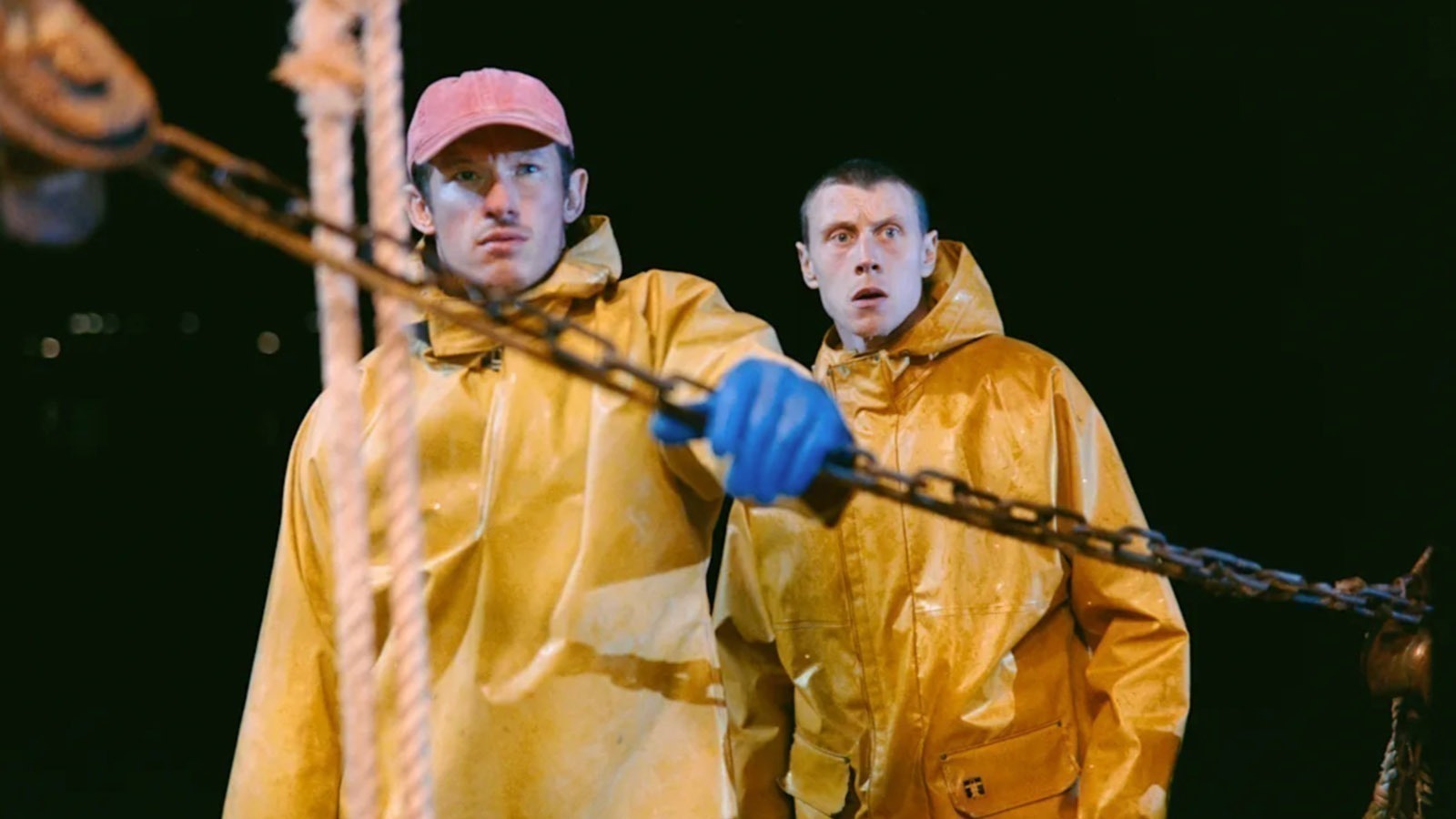
In a Cornish fishing village that has known better days, a boat that went missing decades ago, the Rose of Nevada, mysteriously reappears without its crew. The owner (Jenkin regular Edward Rowe) decides that sending it out again with a fresh crew could lift the town’s spirits. Family man Nick (George MacKay) and drifter Liam (Callum Turner), both in dire need of work, sign up and are joined by the grizzled skipper Murgey (Francis Magee). On board, Nick discovers a message carved next to his bunk: “Get off the boat now.”
“In early scenes,” writes Imogen Sara Smith for Film Comment, “the mood is so portentous that the film almost verges on a parody of horror, all thudding chords and ominous warnings—but the supernatural twist, when it came, was nothing I expected.” If you’re planning on going in as fresh as Smith did—Rose of Nevada screens once more in New York on Thursday and three afternoons next week in London—don’t dive too deep yet into the reviews rounded up here.
“Jenkin makes speculative fiction out of what could otherwise be the lyrics to a sea shanty,” writes Maxwell Paparella for Notebook. Rose of Nevada is a story “told mostly in close-ups: weather-cracked faces, work-hardened hands, feet on solid ground or a shifting deck. A tolling synth score, composed by Jenkin, seems to submerge into whalesong when we are asea, accompanying the men’s grunts, the gull’s cries, the motor’s thrum, and the ship’s wooden complaints.”
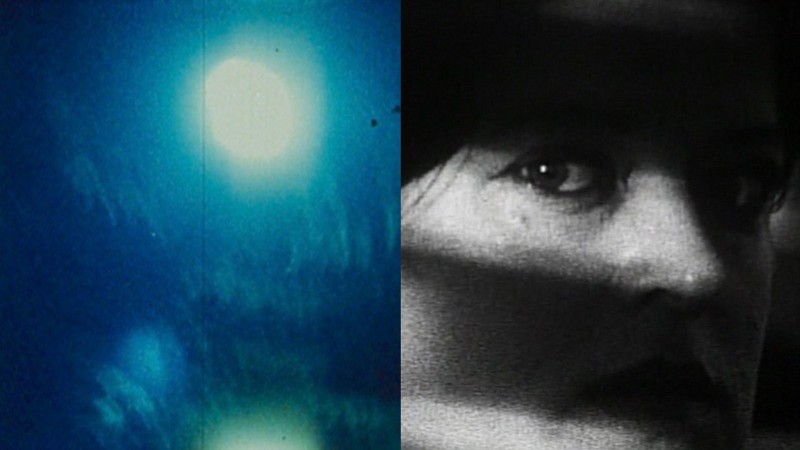
“Not since Derek Jarman has a director so lovingly explored the extraterrestrial beauty of England’s liminal coastal landscapes,” writes Stephen Dalton at the Film Verdict. Writing for the Film Stage, Leonardo Goi finds the images “rife with scratches and red-light leak flashes. To call those aberrations, however, would be grossly misleading; these irregularities define Jenkin’s aesthetic, the main reason why his films feel so mysteriously alive.”
Rose of Nevada is “a tale of the fantastic, but rooted in the bleak political realities of 2020s Britain,” writes Jonathan Romney for Sight and Sound. “Ethereal, enigmatic, and unsettling,” writes Nick Schager at the Daily Beast, “it’s part ominous science fiction, part melancholy memory piece, and—as is true with all of Jenkin’s work—unlike just about anything else in contemporary cinema.”
Don’t miss out on your Daily briefing! Subscribe to the RSS feed.