The Vanishing
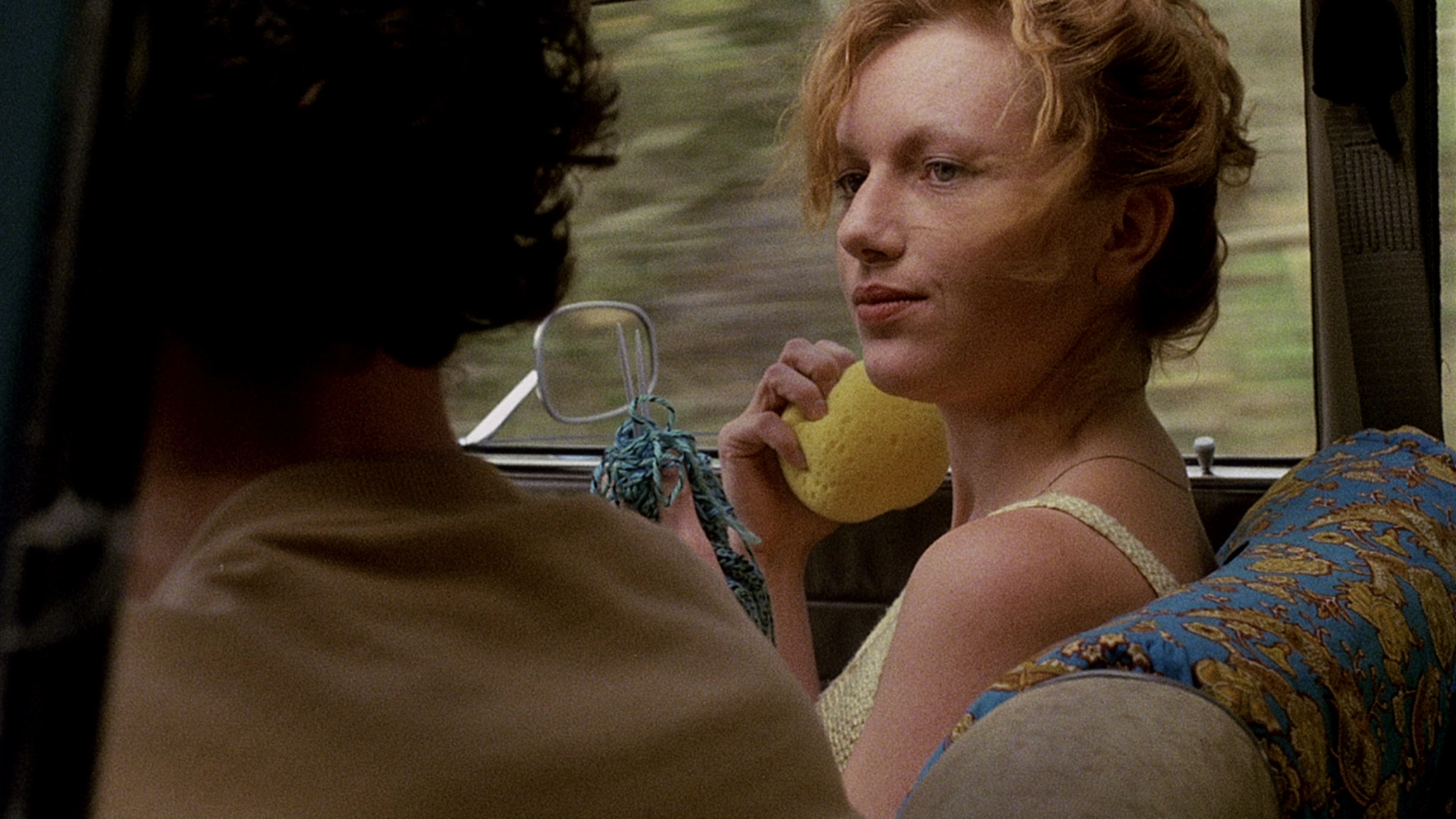
The central situation of The Vanishing is a mystery archetype: a couple is on holiday in a foreign country when one disappears, and the other searches for the missing person. Witnesses claim to have seen nothing unusual, and authorities question even the existence of the absent partner. Rooted in the uneasiness we all feel when we’re off our home turf, this familiar nightmare is embodied in an urban legend about the Paris exposition of 1901, which inspired the novel filmed by Alfred Hitchcock as The Lady Vanishes (1938). Explicitly dramatized in Terence Fisher’s So Long at the Fair (1950), the central idea has also been examined in films as varied as Robert Fuest’s And Soon the Darkness (1970), Philip Leacock’s Dying Room Only (1973), and Roman Polanski’s Frantic (1988).
Usually, these plots offer sustained suspense but quickly deliver a solution that finds the couple reunited and the villains exposed. Indeed, Dutch director George Sluizer and writer Tim Krabbé, adapting Krabbé’s novel The Golden Egg, open The Vanishing—a Dutch-French co-production with the Hitchcockian French title of L’Homme qui voulait savoir (The Man Who Wanted to Know)—as if the “lady vanishes” rerun will be all their story has to offer. But they soon take a very unusual approach to their central mystery, which is explored from several angles. We follow Dutch couple Rex (Gene Bervoets) and Saskia (Johanna ter Steege) as they enter France for a cycling holiday, bickering in a manner that establishes how impulsive Saskia is, making it credible that she might just up and leave Rex at any moment. But we also track Raymond Lermorne (Bernard-Pierre Donnadieu), the middle-class psychotic behind the vanishing, as he sets up his abduction. Having revealed the identity of the kidnapper—thus daringly defusing the most obvious point of suspense—the film then goes even further, and gives the audience intimate access to his life.
Saskia sets out to buy some cold drinks at a service station and never comes back. Sluizer shows the bustling, impersonal, sunstruck, middle-of-nowhere European location as a sinister, uncaring limbo where everyone is too intent on the radio commentary on the Tour de France to pay attention to a crazy foreigner whose girlfriend has left him. In an audacious and jarring move, the film then skips three years during which no leads have borne fruit and Saskia has not turned up dead or alive. We pick up Rex with Lieneke (Gwen Eckhaus), his new girlfriend, and discover how an obsession with learning what happened to Saskia is poisoning his whole life. Rex chillingly admits that, given the choice between knowing the details of Saskia’s death or remaining oblivious to her survival, he would prefer the first option. An astonishing moment, it adds a darker shade to the traditional figure of the concerned hero who will never give up on a mystery. Rex’s revelation also indicts the audience’s culpability—after all, we too want above all to learn the answer, even if it is truly appalling.
The Vanishing is a study in everyday madness, rooted in the specifics of the Dutch and French landscapes and character (the bearded, jolly Raymond is every inch the French bourgeois, a wistful psychotic imp of the perverse), with acute performances from its four leads. There’s an obvious contrast between Bervoets and Donnadieu, with the hero seeming more driven and obsessive than the deceptively-calm villain, echoed in the mirroring of the flaky, captivating, maddening ter Steege with the calm, down-to-earth, long-suffering Eckhaus. Though Donnadieu has played supporting roles in French films, from Le retour de Martin Guerre (1982) to Max, mon amour (1986), and ter Steege followed The Vanishing with strong English-language roles in Robert Altman’s Vincent and Theo (1990) and István Szabó’s Meeting Venus (1991), this is a film that gains strength from the relative unfamiliarity of its cast, making it hard for an audience to fix on a degree of sympathy with or fear of the characters.
George Sluizer had worked in the cinema since 1958, beginning as an assistant to documentarian Bert Haanstra. After his first film as director, De Lage landen (Hold Back the Sea, 1960), a documentary about land reclamation, he spent ten years on similar projects before making his fiction debut with the Brazilian-shot Joâo (1972). He continued to alternate between fiction and documentary before making an “experimental” American picture, Red Desert Penitentiary (1985). Although The Vanishing alone made his name as an international director, its methodical deliberation and ruthless spurning of convention can be seen as a culmination of Sluizer’s previous work.
Still, he has had a hard time reprising its success—literally so in the case of The Vanishing (1993), a Hollywoodized remake scripted by Todd Graff (Coyote Ugly, 2000) with an upbeat ending as “wrong” as the one imposed by Jeremiah Chechik on the 1996 remake of Diabolique. Unlike Hitchcock, whose American The Man Who Knew Too Much (1955) is at once a remake and a development of his 1934 British film of the same title, Sluizer struggled when presented with the material a second time around. Talented players Kiefer Sutherland, Jeff Bridges, Nancy Travis, and Sandra Bullock fail to match the icy understatement of the original cast.
It may be that The Vanishing is a one-off: a film so original, so effective, so surprising and so ruthless that it represents a single, perfect coming-together of director, writer, subject, and cast. It delivers a shattering twist ending, but has a depth and lasting creepiness that makes it repay repeat viewings. Hitchcock always argued for suspense over surprise, but The Vanishing delivers both: the first time you see it, the mystery is intriguing and the solution horrible; the second time, when you know what’s coming, it takes on a more tragic, even more horrifying dimension.

More: Essays
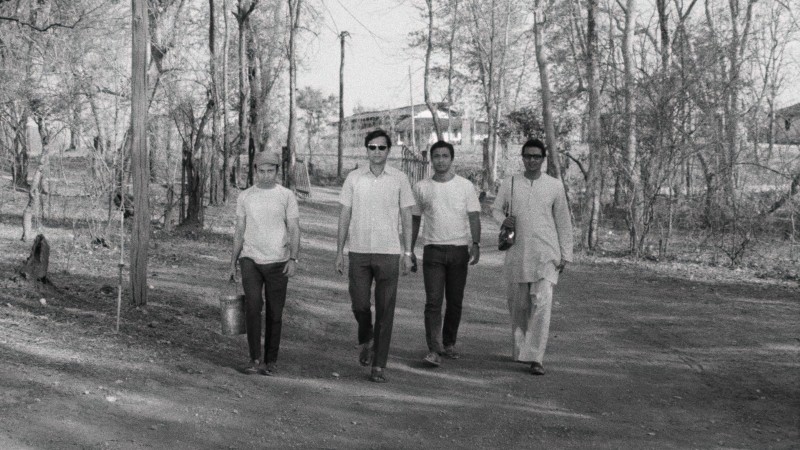
Days and Nights in the Forest: Into the Woods
In this tale of four privileged bachelors who embark on a trip to the Indian countryside, Satyajit Ray balances a biting critique of masculine fragility with splendid visual grace.
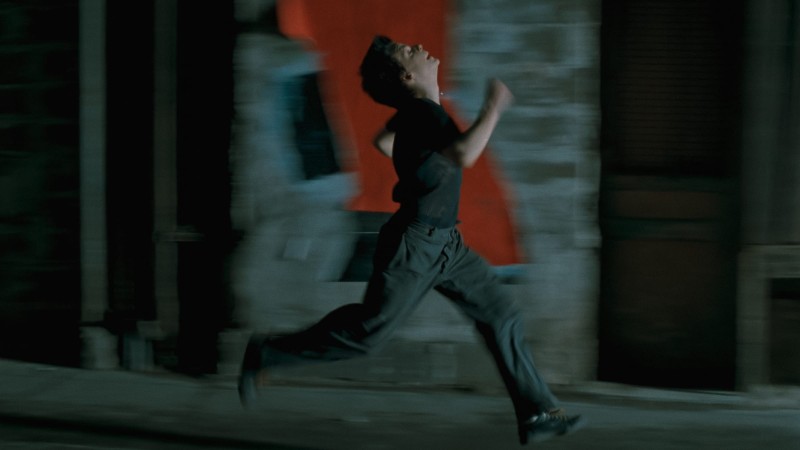
Three Films by Leos Carax: Vital Signs
With their mix of comedy, ecstasy, and aesthetic strangeness, the French auteur’s first three features grant us access to psychic states that we might not otherwise be able to enter.
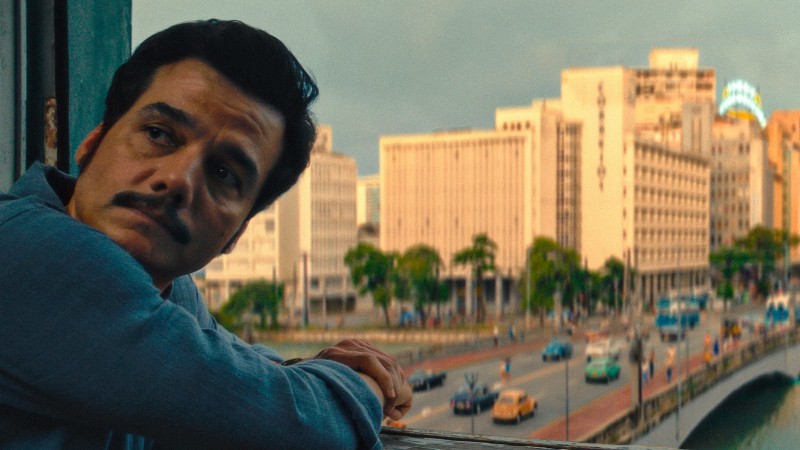
The Secret Agent: Left Out of History
Kleber Mendonça Filho explores the elisions of history and memory in this splendidly polymorphous thriller about a man on the run in 1977 Brazil.
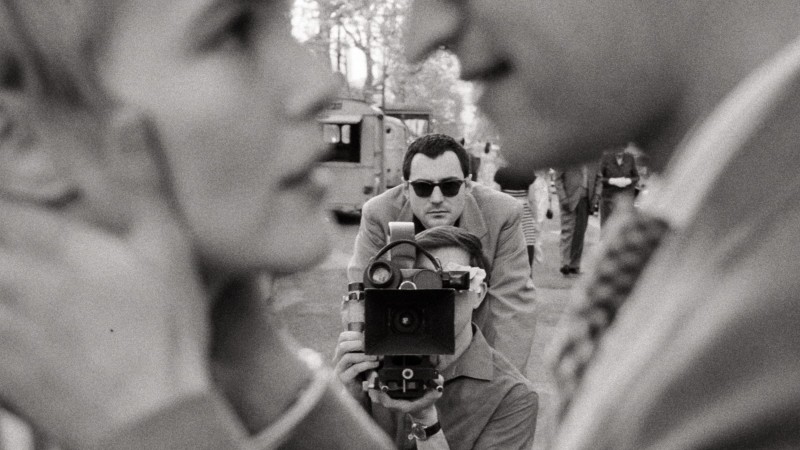
Nouvelle Vague: Insolent Like No One Else
In this exhilarating account of the making of Jean-Luc Godard’s Breathless, Richard Linklater lovingly reconstructs the vanished world of late-fifties Paris and the cinephilic culture surrounding the French New Wave.