High Art: Photo Finish
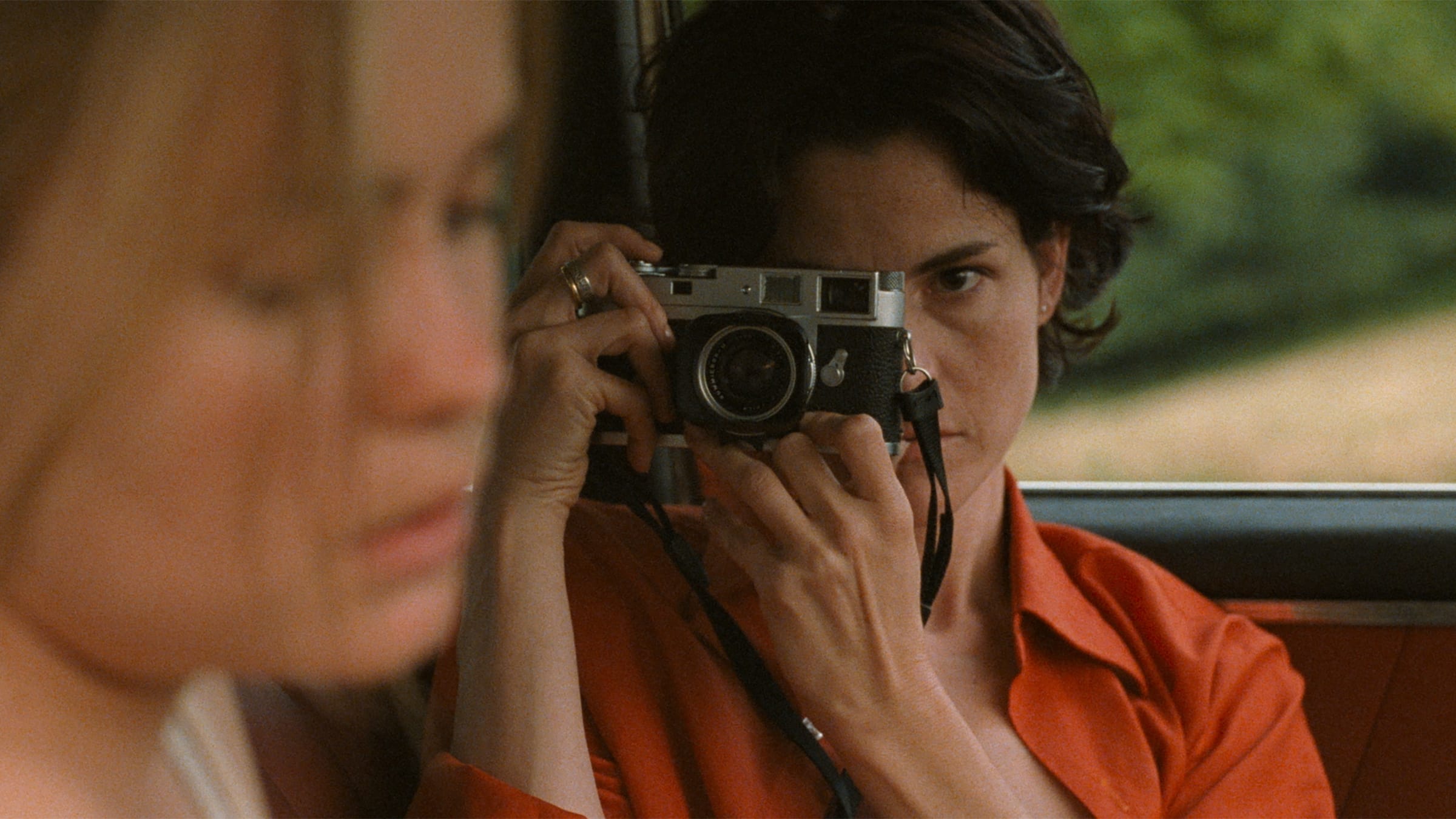
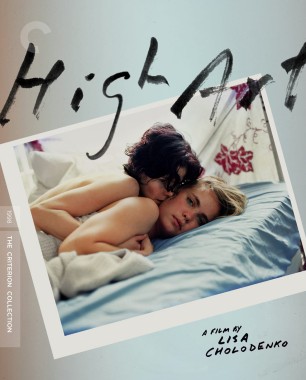
The debut in 1998 of Lisa Cholodenko’s first feature film, High Art, was a triumph. The intense mastery of its form and the freshness of its narrative created waves of excitement—from the Sundance Film Festival, where it won the Waldo Salt Screenwriting Award, to its appearance in the prestigious Directors’ Fortnight at the Cannes Film Festival. By the time it opened the Frameline Film Festival in San Francisco, in June, its fame was assured. The screening in the grand Castro Theatre, with more than a thousand seats full of cheering lesbian viewers, merely confirmed what was already known: High Art was something special, groundbreaking in the issues it took up and the confidence with which it created its universe, as well as utterly unexpected in its mix of romance and darkness. Today, it feels equally classic and brand-new, a testament to an East Village demimonde that shaped a generation of artists and writers—and photographers, as it happens.
High Art arrived at an interesting cultural moment. Throughout the nineties, the movement known as the New Queer Cinema had been delivering genre-defying films filled with daring camera work and story lines that defied political correctness. Initially shaped by the shock of AIDS and the fury over governmental inaction and punishment of gay and lesbian communities, the field broadened over the decade, with successive “generations” responding with new hybrids that attracted wider audiences. Once made possible simply by technological advances (camcorders, cable TV), friendship networks, and big cities’ temporarily low cost of living, the NQC began to grow up—and get bigger budgets—as filmmakers started playing with traditional film narratives that had previously been rejected.
As creative filmmaking was fomented, queer storytelling expanded into new nooks and crannies—and sexiness. The rise of Sundance as tastemaker and deal-broker was not incidental, for it had been there that the movement was announced, in 1992, with the legendary Barbed Wire Kisses panel (chaired by this writer). Soon, Sundance was the marketplace where the next steps would be taken: previously unthinkable sales and bidding wars for queer films. However improbably, Park City became a hotbed of a new queer cinema that was integral to the new American independent cinema being fashioned there.
More: Essays
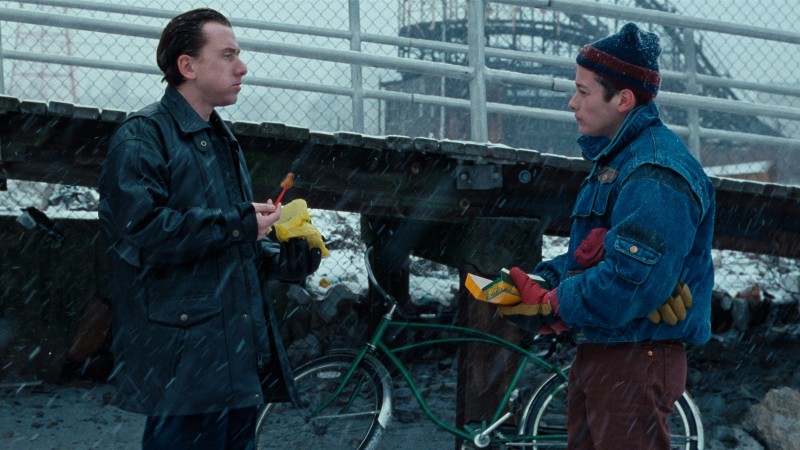
Little Odessa: He Ain’t Heavy, He’s My Brother
James Gray’s extraordinary debut feature is a painstakingly distilled tale of crime and family dysfunction, captured with a merciless gaze and a sharp attention to idiosyncratic detail.
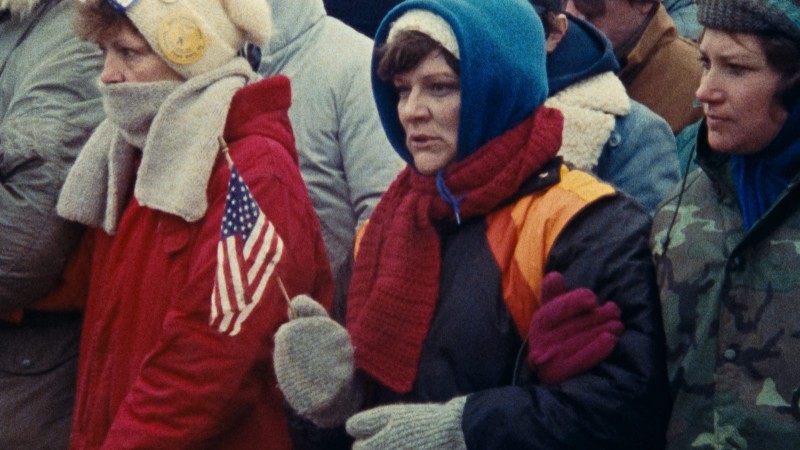
American Dream: The Time Is Right
In her second film, Oscar-winning documentarian Barbara Kopple captures the anguish and perils of disunity in the labor movement and the corrosion of union power during the Reagan era.
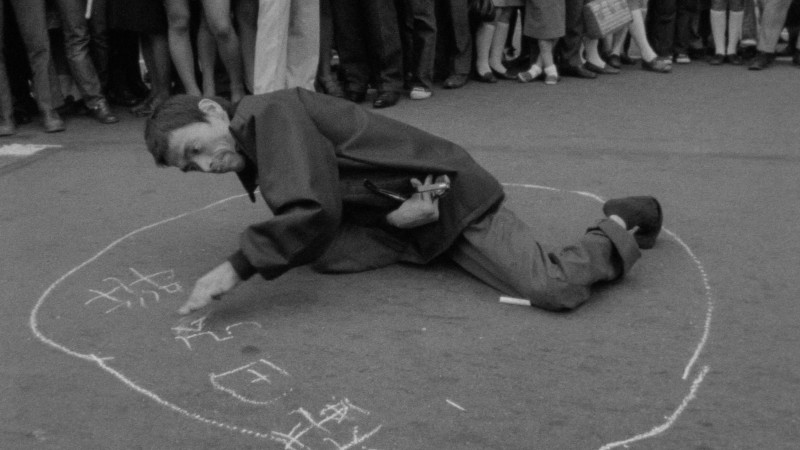
Five Radical Documentaries by Kazuo Hara and Sachiko Kobayashi: Restlessness Refusing Resolution
The pioneering husband-and-wife duo transformed the field of Japanese nonfiction cinema with their portraits of spectacular, edgy personalities and collectives under duress.
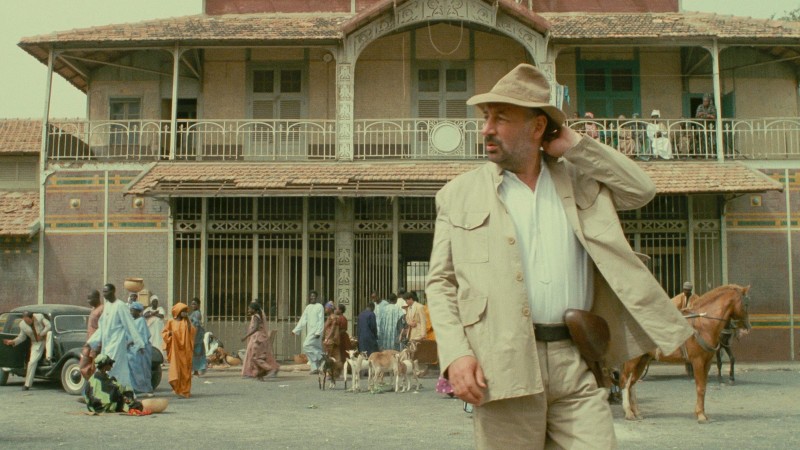
Coup de torchon: “All Crimes Are Collective”
Set in 1930s French West Africa, Bertrand Tavernier’s hard-to-classify adaptation of the Jim Thompson novel Pop. 1280 offers an apocalyptic vision of a society in which institutions have abdicated their moral authority.