The Sword of Doom
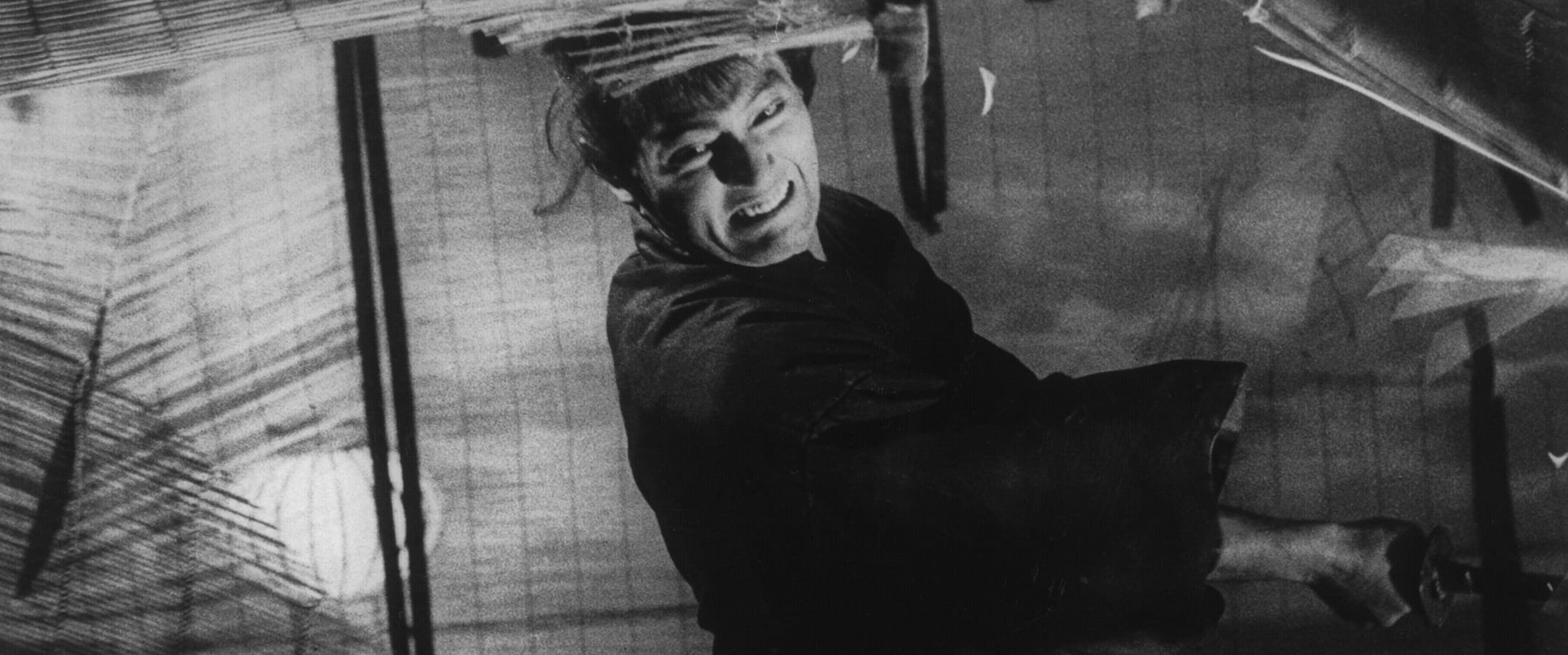
If Akira Kurosawa is the John Ford of Japanese samurai dramas, then The Sword of Doom director Kihachi Okamoto is the samurai film’s Sam Fuller.
A specialist in action films, with a particulat accent on violence and raw characterizations, Okomoto made his name in the late 1960’s with Samurai Assassin (1965), Kill! (1968), and Zato Ichi Meets Yojimbo (1970). These movies, and The Sword of Doom, all featured Toshiro Mifune, who had appeared frequently in the films of Akira Kurosawa. But like Sam Fuller, Okamoto (who spent three years in a uniform during the Pacific War) specialized in blood-and-guts World War II battle films.
The Sword of Doom is considered Okamoto’s masterpiece, but when it opened here in 1967, it had the effect of separating the sheep from the goats. Perhaps western critics expected a more lyrical drama in the manner of Kurosawa, or a thoughtful examination of bushido (samurai chivalric code). They were aghast at Sword‘s ballet of violence in two bravura and gory martial arts pieces that climax in the film’s first and second thirds (neatly dividing it into “acts”), not to mention the finale, one of the most violent in cinema history.
The plot at first look was simpler than those of most Japanese films that have been received as classics (Seven Samurai, The 47 Ronin, Samurai Rebellion, etc.). Set in the 1860s, it’s the story of Ryunosuke Tsukue, a samurai who is hated for his savagery and disregarded for the law. Ryunosuke is an outcast, surviving as a hired assassin of political figures. He also lives in fear of the revenge set in motion by his late father and the brother of his first samurai victim, as well as the enemy of Toranosuke Shimada (Toshiro Mifune), the only samurai who might best him as a swordsman.
If this seems superficial, it’s supposed to be—Okamoto is less interested in philosophy than in entertainment. And as to narrative, Okamoto looks to the Western for his characterizations. The portrayal of madness embodied in Ryunosuke Tsukue (Tatsuya Nakadai, another Kurosawa alumnus from Yojimbo and Sanjuro) evokes, to this writer, the Stephen McNally or Dan Duryea characters in Anthony Mann’s Winchester ‘73, men who kill for the pleasure of it.
The Sword of Doom took years to achieve critical acceptance, but audience members not wedded to scholarly pretensions immediately seized upon the vitality of Okamoto’s direction and Nakadai’s performance. His Ryunosuke (“a man from hell,” as one character puts it) is one of the screen’s more memorable psychopaths, a passive-aggressive whose bloodlust is portrayed with dead calm, revealed by the tiniest motion of an eye, the trace of a smile, or the tense position of his body as he ponders killing.
For lack of a full-fledged opponent to Ryunosuke, Okamoto establishes Shimada as Ryunosuke’s moral opposite, a thoughtful, introspective samurai—the film’s conscience. He tells Ryunosuke, “The sword is the soul. Study the soul to study the sword,” after regretfully dispatching two dozen samurai for an assassination attempt. In a flurry of savage action (including several hands and blood splattering on newly fallen snow) every single samurai falls by the wayside. As Ryunosuke watches Shimada in action against his cohorts, the barest flicker of an expression indicates that he has been shaken by this sight. One has the chilling sense of a man who has seen the means of his own demise.
Okamoto and cinematographer Hiroshi Murai (Samurai Assassin, The Emperor and the General, The Submergence of Japan, a.k.a. Tidal Wave) make splendid use of the 2.35:1 aspect ratio. The close-ups are never artificially imposing, and the action scenes, almost all involving dozens of combatants, are dazzling in their complexity and scope. The finale, one of the longest, bloodiest samurai duels in history, makes incredibly evocative use of shadow and space. Impressive, also, are the little details, such as the samurai practicing with his sword, his blade interposed against shafts of sunlight that seem almost solid.
The Sword of Doom doesn’t pretend to be anything more than a study of madness and violence at the extreme edges. It is the finest movie from a filmmaker who deserves to be more widely known in America.

More: Essays
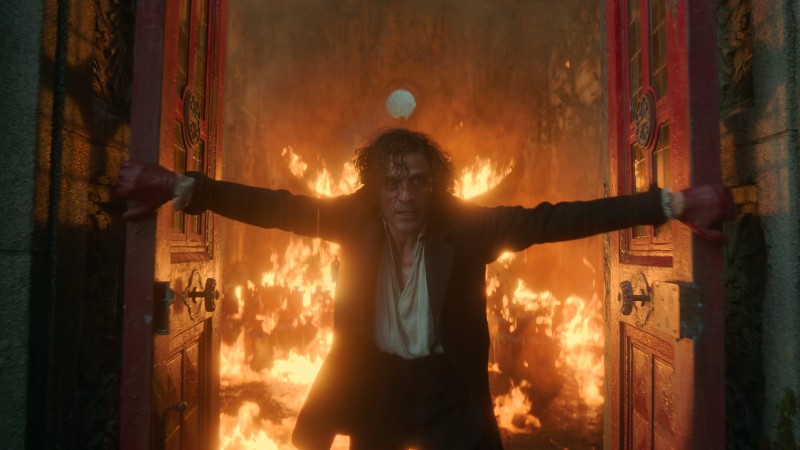
Guillermo del Toro’s Frankenstein
In one of his most personal films, the Oscar-winning director imbues Mary Shelley’s gothic tale with elements of family melodrama and traces of his own Catholic upbringing.
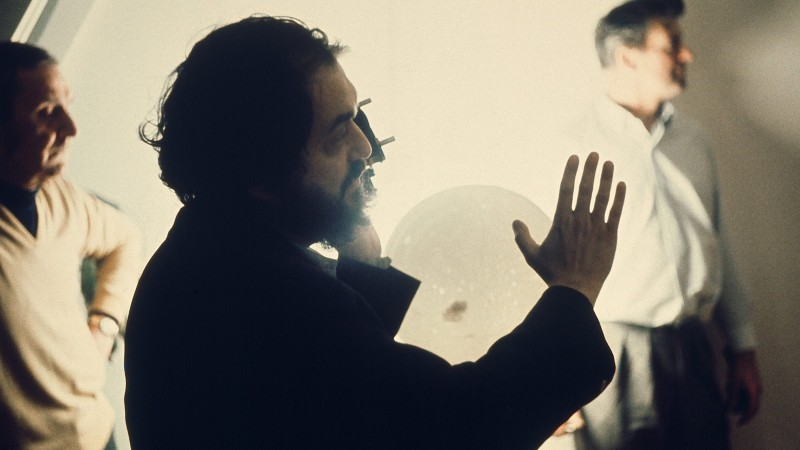
God Laughs: Stanley Kubrick’s Cinema
Throughout his enormously influential body of work, the great director explored the conflict between humankind’s obsession with control and our capacity for error and failure.
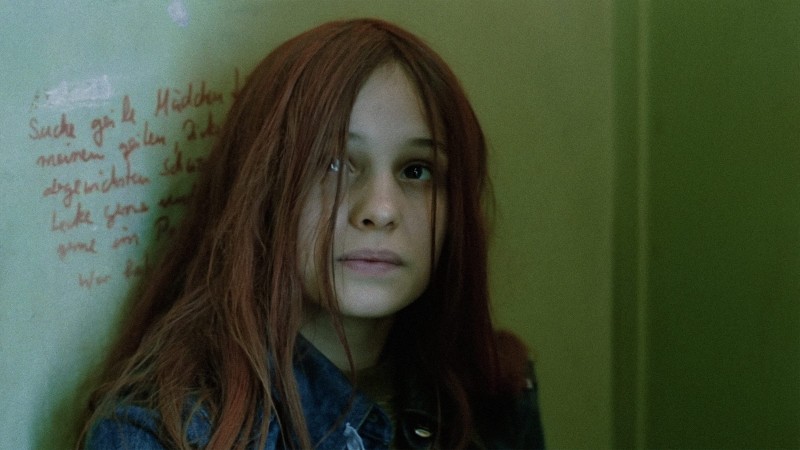
Christiane F.: Up Against the Wall
Uli Edel’s harrowing tale of youth rebellion is one of cinema’s greatest Berlin films, a visceral urban portrait that captures the city’s doom and decadence during the Cold War era.
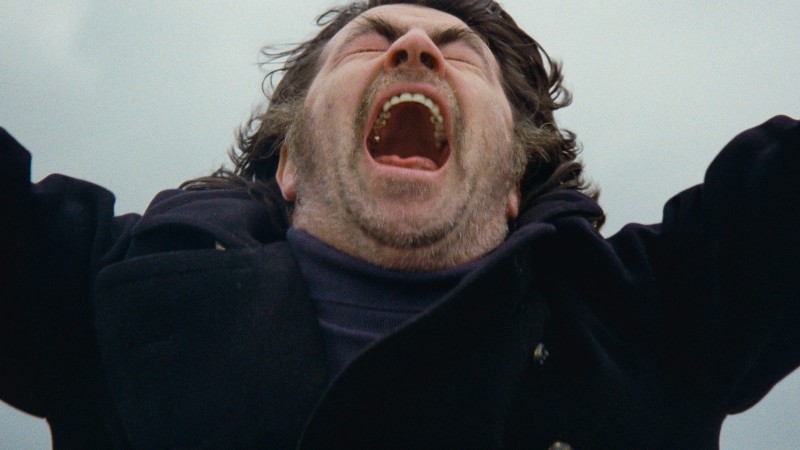
The Shout: Sound and Fury
Blending elements of psychological thriller, social satire, and psychedelic film, Jerzy Skolimowski’s Cannes-award-winning classic uses its audacious sound design to evoke the terror of English civilization.