Black Narcissus
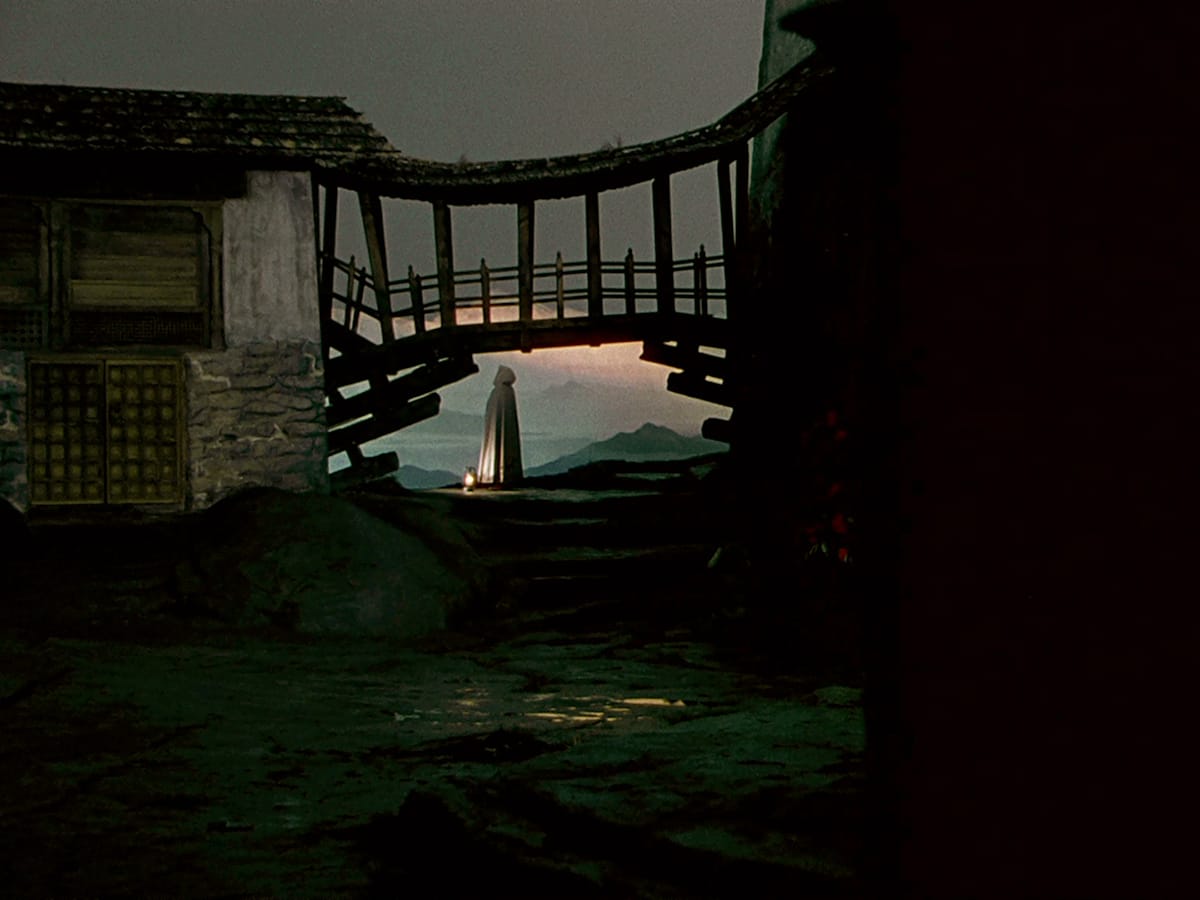
Black Narcissus was the sixth production from that remarkable pair of artists Michael Powell and Emeric Pressburger, collectively known as The Archers, who dominated the creative side of the British film industry from 1943 through 1956.
Based on Rumer Godden’s 1939 novel, Black Narcissus tells the story of five nuns of the Anglo-Catholic faith who are dedicated to work and welcome the assignment to open a school and hospital in remote Hindustan. Under the newly appointed Sister Superior Clodagh, the group journeys to an old castle formerly used by an Oriental potentate to house his harem. The palace stands atop a Himalayan mountain 9,000 feet high and is constantly swept by the unceasing winds. In the high, rarefied, vast and lonely spaces, the nuns strive, by hard labor, to erase their memories of the world. But the altitude and exotic atmosphere begin to take their psychological toll.
Into their cloistered lives creep uncertainties about the infallibility of their work, their order, their mission, sometimes even about their faith and its relative merits as compared with the barbaric faith of the people around them: the silent pagan “holy man” forever seated on the mountain, eternally gazing at the peaks; the toothless, eccentric, screeching servant Ayah; the exotic, sensuous young native girl Kanchi; and the young General with his regal robes and his Black Narcissus perfume are all distracting influences; but the most disturbing is the frequent presence of Mr. Dean, a drunken, cynical ne’er-do-well British agent who insists that the nuns won’t last till the rainy season starts. His overt masculine sexuality is the catalyst that eventually causes the nuns to start coming apart. Sister Superior Clodagh is defeated by her youth, her uncontrollable feeling of superiority and recurring memories of her girlhood in Ireland when she was in love. Sister Philippa finds herself so lost in memories of the past and a desire for beauty that she plants flowers instead of the vegetables they need. Sister Briony is overcome by the superstitions of the natives who are willing to accept her medicine as a kind of magic. Sister Honey mistakenly gives a desperately ill baby castor oil, causing its death, which alienates the natives. Sister Ruth, a borderline neurotic, goes berserk, abandons her vows, dresses in provocative clothing and tries to seduce Dean.
To attempt to film such a subtle, delicate story called for imagination, restraint and artistry in writing, directing and art direction. Emeric Pressburger’s screenplay was civilized, worldly, daring and obliquely discreet in conveying the gradual disintegration of the nuns’ psyches. But it was Michael Powell’s direction that managed to achieve a perfect fusion of all the elements of cinematic art—art direction, cinematography, performances and music are all integrated so gracefully and with such exquisite taste and sense of style that the resulting film was hailed as having “an almost breathtaking sense of beauty.” Black Narcissus abounds in unforgettable images: a ghostly Indian palace perched on the edge of a precipice; the dreamlike strangeness of the eerie moonlight in the palace rooms; the flowing off-white robes of the nuns contrasting with the wild unearthly beauty of their surroundings; the misty dawn and the flaring sunsets stylized almost to the point of unreality. Black Narcissus is one of the high points of Technicolor photography; Jack Cardiff’s work on the film as well as Alfred Junge’s production design won Academy Awards, and the film is used even today as a textbook example of how color and design should be used to suggest psychological moods and to create dramatic atmosphere.
The rich exotic tapestry of Black Narcissus is splendidly conveyed in this Criterion laserdisc edition. Michael Powell and Martin Scorsese comment individually on the film on the disc’s second audio track—Powell on the production techniques used to film this spectacular story entirely in a London studio, and in an English garden, while Scorsese points out the innovative technique and how the interaction of performance, music and photography combine to create in Black Narcissus one of the most perfectly realized of all the Powell-Pressburger films and indeed one of the most superb films ever made by anyone anywhere.

More: Essays
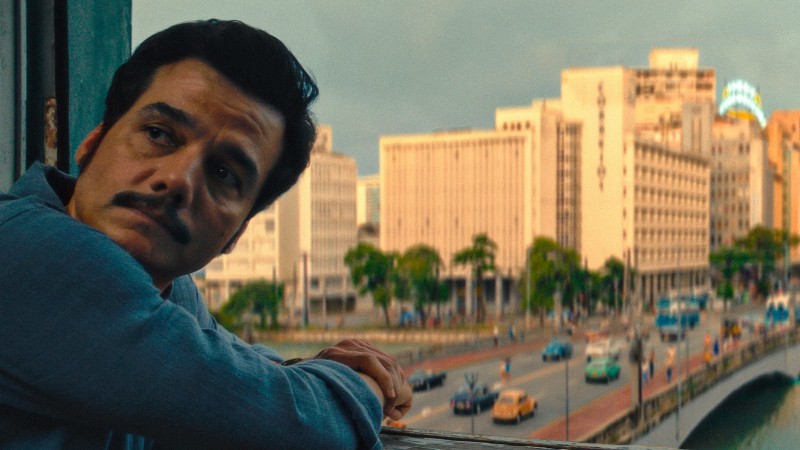
The Secret Agent: Left Out of History
Kleber Mendonça Filho explores the elisions of history and memory in this splendidly polymorphous thriller about a man on the run in 1977 Brazil.
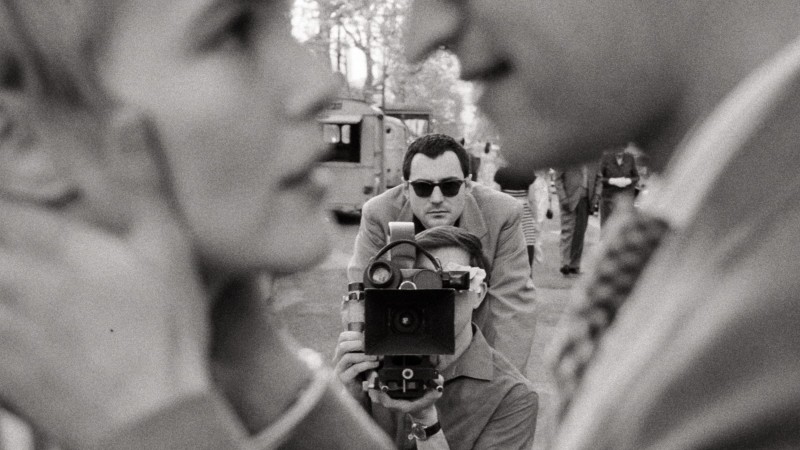
Nouvelle Vague: Insolent Like No One Else
In this exhilarating account of the making of Jean-Luc Godard’s Breathless, Richard Linklater lovingly reconstructs the vanished world of late-fifties Paris and the cinephilic culture surrounding the French New Wave.
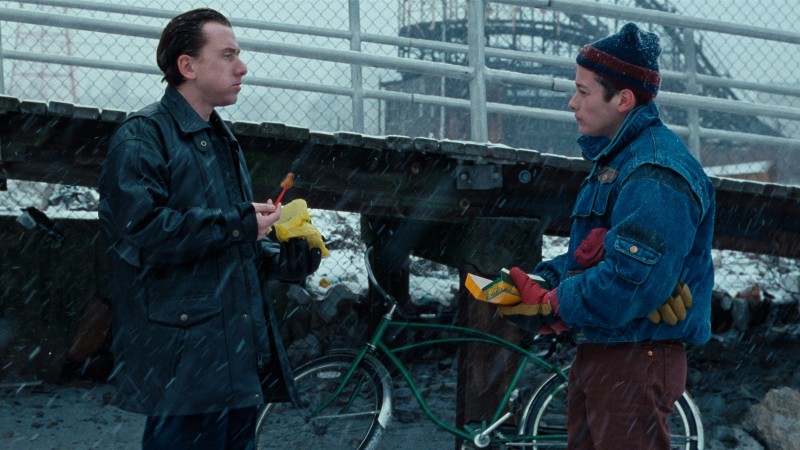
Little Odessa: He Ain’t Heavy, He’s My Brother
James Gray’s extraordinary debut feature is a painstakingly distilled tale of crime and family dysfunction, captured with a merciless gaze and a sharp attention to idiosyncratic detail.

American Dream: The Time Is Right
In her second film, Oscar-winning documentarian Barbara Kopple captures the anguish and perils of disunity in the labor movement and the corrosion of union power during the Reagan era.