Bob le flambeur

The French have made some first-class crime pictures, which Americans have been given too few opportunities to see. Luckily, we have Bob le Flambeur (Bob the Gambler), one of the greatest caper movies in any language. Non-Francophones might not understand its crackling and untranslatable slang dialogue by Auguste le Breton, who also wrote the incomparable Rififi, but they will feel its rhythm, which is sufficient. And the picture was directed by Jean-Pierre Melville, who might as well have invented the French crime movie. Melville—his real last name was Grumbach, his pseudonym an homage to the author of Moby Dick—started making films right after World War II, independent of the studios, working on a shoestring, on location and without stars. Alone of all the French filmmakers of the 1950s, he made pictures entirely on his own terms. His example let the incipient New Wavers know that such a thing was possible.
But Melville, despite his working methods, was a classicist. Bob le Flambeur may be the most elegantly rigorous movie ever made about a cockeyed heist. It is also one of the most elegiac, with a twilight mood about it. Bob, as courtly and dignified as any all-night gambler ever was but willing to risk his serenity for one last big score, is in Melville’s view a relic of a bygone, pre-war world, when crooks had an independence and integrity not unlike Melville’s own. (The milieu lost much of its charm as a consequence of its collaboration with the German invaders.) Roger Duchesne, who inhabits the role of Bob with equal measures of panache and pathos, was in fact a survivor of that Edenic era.
The movie, while impeccably hard-boiled, is a valentine to a romantic Paris now two or three times removed from our own purview. It all takes place at night, and mostly in Montmartre and Pigalle. The former—the age-old bohemian district on the heights at the top of the city—can be seen to its best advantage framed by the huge window of Bob’s studio apartment. The latter, the hub of strip-tease and whoredom and back rooms and dark alleys, appears here as gallant and swashbuckling a neighborhood as it once perhaps was. The context allows Melville to retail a story that might derive from the troubadour songs of the Middle Ages—a last joust by an aging knight.
Even if you allow for the Frenchness of the enterprise, what you have here is an underworld bearing about the same relation to historical reality as the settings of most Westerns—a place that came into fully-imagined being only in retrospective view. And as with the top rank of Westerns, you’d be a fool to quibble. Its story, setting, and characters may have been shaped by fond and wishful recollection, but there is not a breath of falsehood about Bob le Flambeur. Its tenderness is every bit as strong as its dramatic irony, and its romance can outshoot any lesser picture’s cynicism.

More: Essays
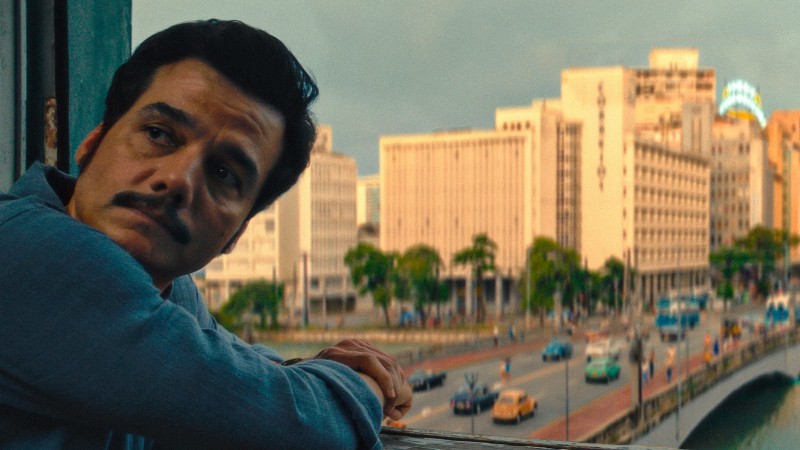
The Secret Agent: Left Out of History
Kleber Mendonça Filho explores the elisions of history and memory in this splendidly polymorphous thriller about a man on the run in 1977 Brazil.
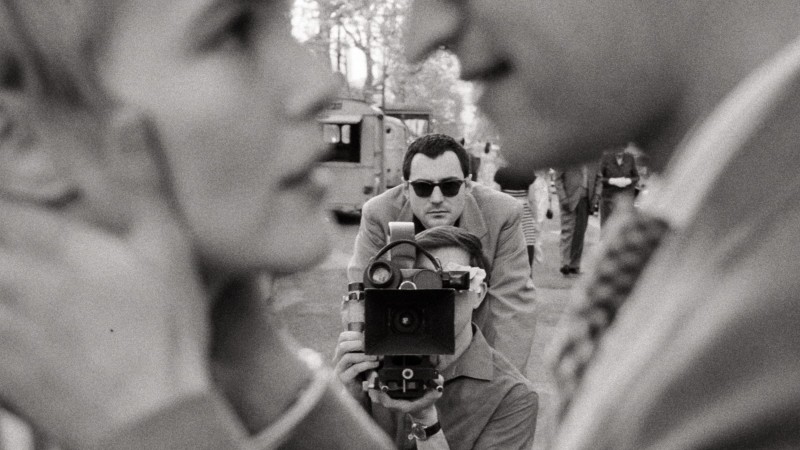
Nouvelle Vague: Insolent Like No One Else
In this exhilarating account of the making of Jean-Luc Godard’s Breathless, Richard Linklater lovingly reconstructs the vanished world of late-fifties Paris and the cinephilic culture surrounding the French New Wave.
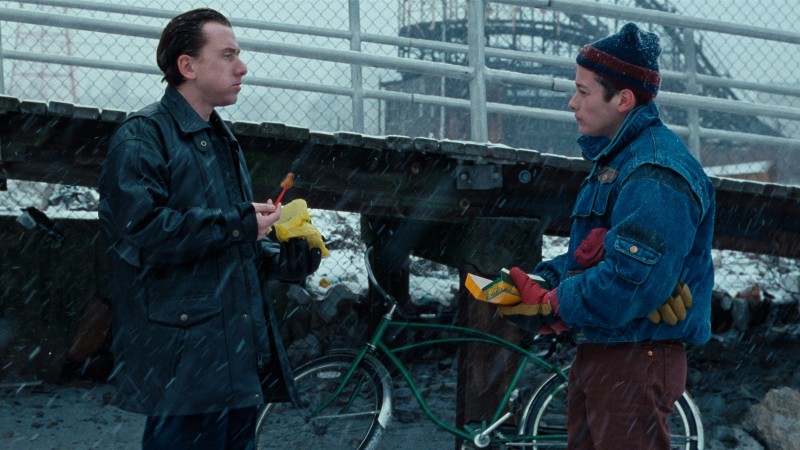
Little Odessa: He Ain’t Heavy, He’s My Brother
James Gray’s extraordinary debut feature is a painstakingly distilled tale of crime and family dysfunction, captured with a merciless gaze and a sharp attention to idiosyncratic detail.
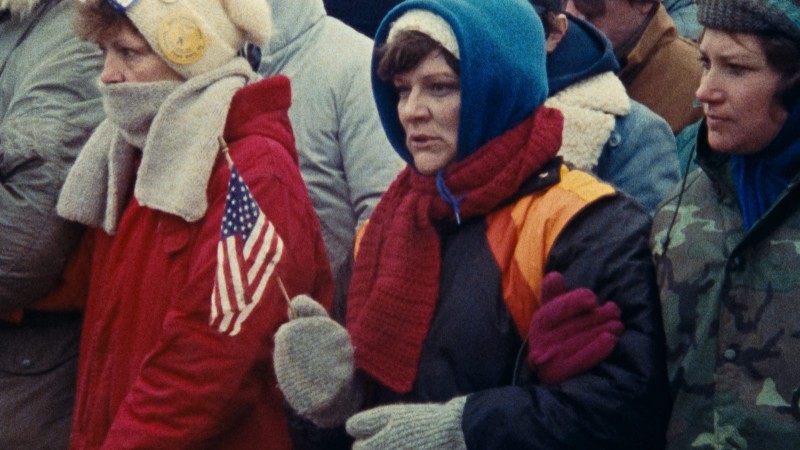
American Dream: The Time Is Right
In her second film, Oscar-winning documentarian Barbara Kopple captures the anguish and perils of disunity in the labor movement and the corrosion of union power during the Reagan era.