The Right Stuff: Out of This World
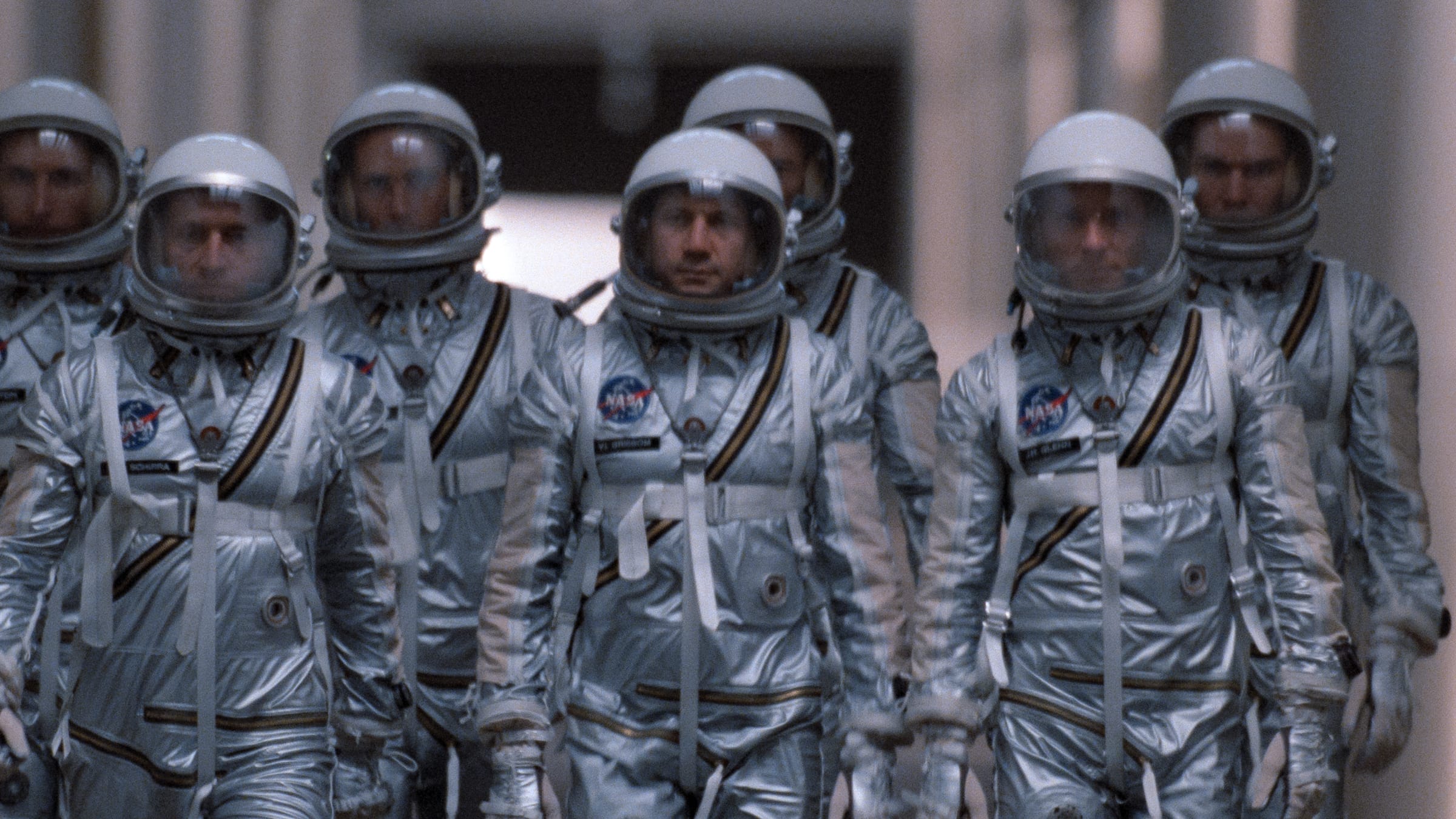
When he signed on to write and direct a film adaptation of Tom Wolfe’s 1979 nonfiction extravaganza The Right Stuff, Philip Kaufman refused to Hollywoodize it into a rah-rah astronautic spectacle or good-natured docudrama about the Mercury man-in-space program. After all, Wolfe’s book didn’t just chronicle how NASA caught up with the Soviets in the space race and planted seeds for the Apollo moon landings. It also reintroduced readers to old-style American prowess in all its modesty, quirkiness, and glory while lampooning the media-fed boosterism that packaged astronauts as white-bread heroes, ignoring their cocky rivalries and gritty esprit de corps.
In notes to producers Robert Chartoff and Irwin Winkler and to the original screenwriter, William Goldman, Kaufman articulated his aim to create “a Search film” about “a quest for a certain quality that may have seen its best days.” He observed that such movies—including La dolce vita, Grand Illusion, and, naturally, The Searchers—“are episodic. ‘Truth’ is found along the way.” His quotation marks around truth tell us that if he’s going to seek profundity, he’s going to be playful about it. And in The Right Stuff (1983), he finds a lot more “along the way”—free-spirited satire, marital tragicomedy, robust derring-do, and aesthetic bliss.
Kaufman was being true to Wolfe and to himself. Starting with his mystical indie explosion Goldstein, released in 1964, Kaufman spent most of his first two decades as a filmmaker embedding elusive quests within adventurous, genre-busting forms. Inside the rambunctious outlaw Americana of The Great Northfield Minnesota Raid (1972), the hypnotic Arctic culture clash of The White Dawn (1974), and the exuberant gang battles of The Wanderers (1979), he interrogated what it meant to be an American boy or man in wildly different places and eras. In his 1978 remake of Don Siegel’s Invasion of the Body Snatchers, he broadened that question to ask, How do we hold on to our humanity? He restates this on an epic scale and with a panoply of textures in The Right Stuff.
More: Essays
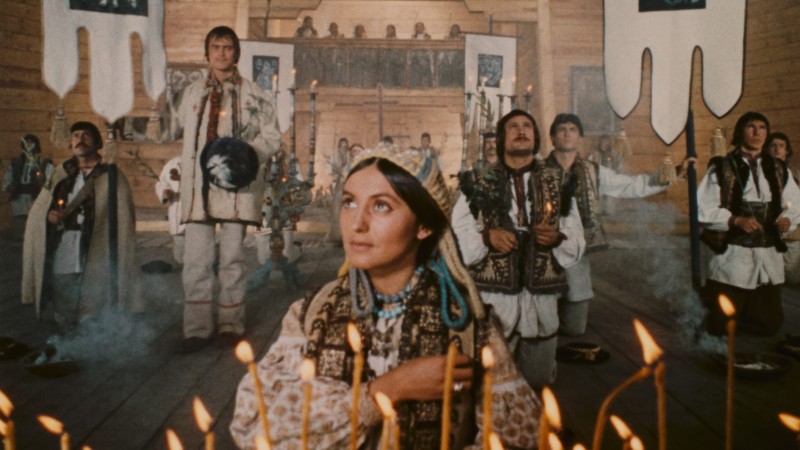
Shadows of Forgotten Ancestors: Echo of the Axe
In one of the few solely Ukrainian-language Soviet films of its time, visionary auteur Sergei Parajanov uses stylized performances, hypnotic imagery, and elements of folkloric tradition to tell a tragic story of grief and love.
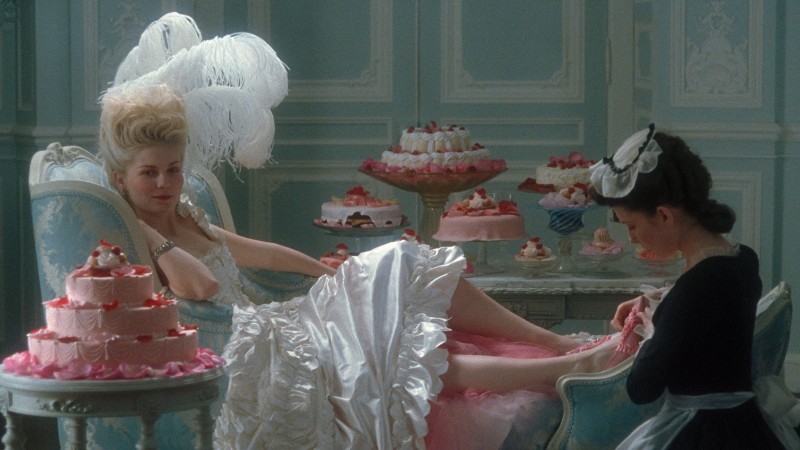
Marie Antoinette: Girlhood in the Hall of Mirrors
Sofia Coppola’s opulent, richly detailed portrait of the ill-fated French royal takes the iconography of the protagonist’s historical moment and makes it resonate with girls’ lives, as they are now and as they have always been.
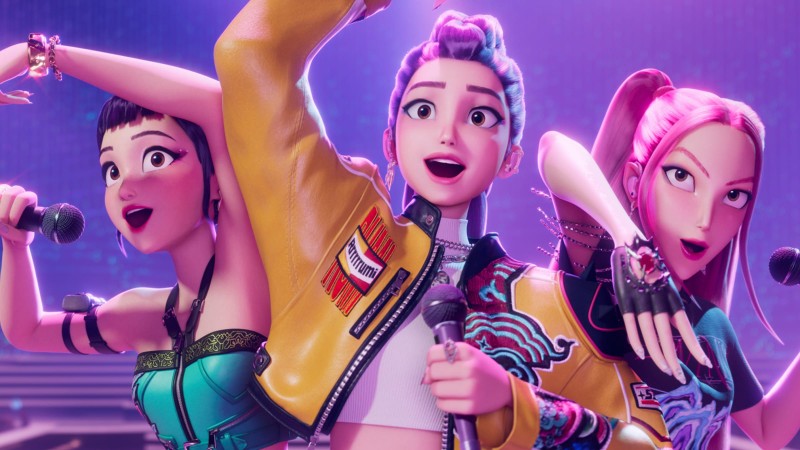
KPop Demon Hunters: Born to Be
Maggie Kang and Chris Appelhans’s seismic pop-culture phenomenon is a colorful, musical twist on a classic coming-of-age story, featuring a young protagonist reckoning with the contrast between who she really is and who she’s expected to be.
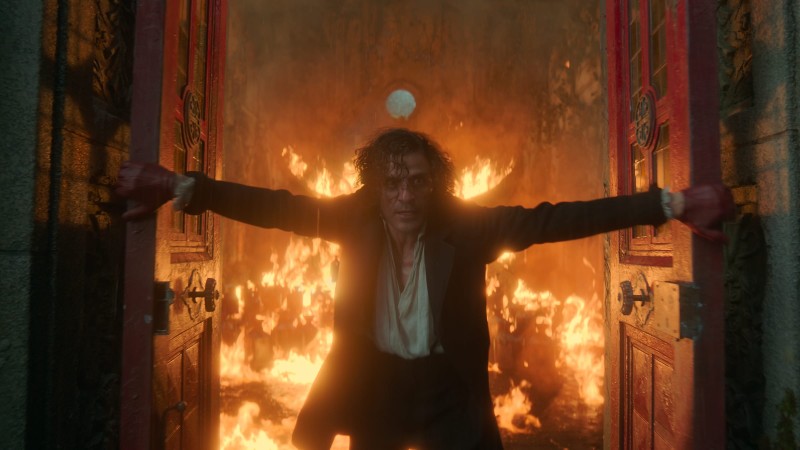
Guillermo del Toro’s Frankenstein
In one of his most personal films, the Oscar-winning director imbues Mary Shelley’s gothic tale with elements of family melodrama and traces of his own Catholic upbringing.