Marie Antoinette: Girlhood in the Hall of Mirrors
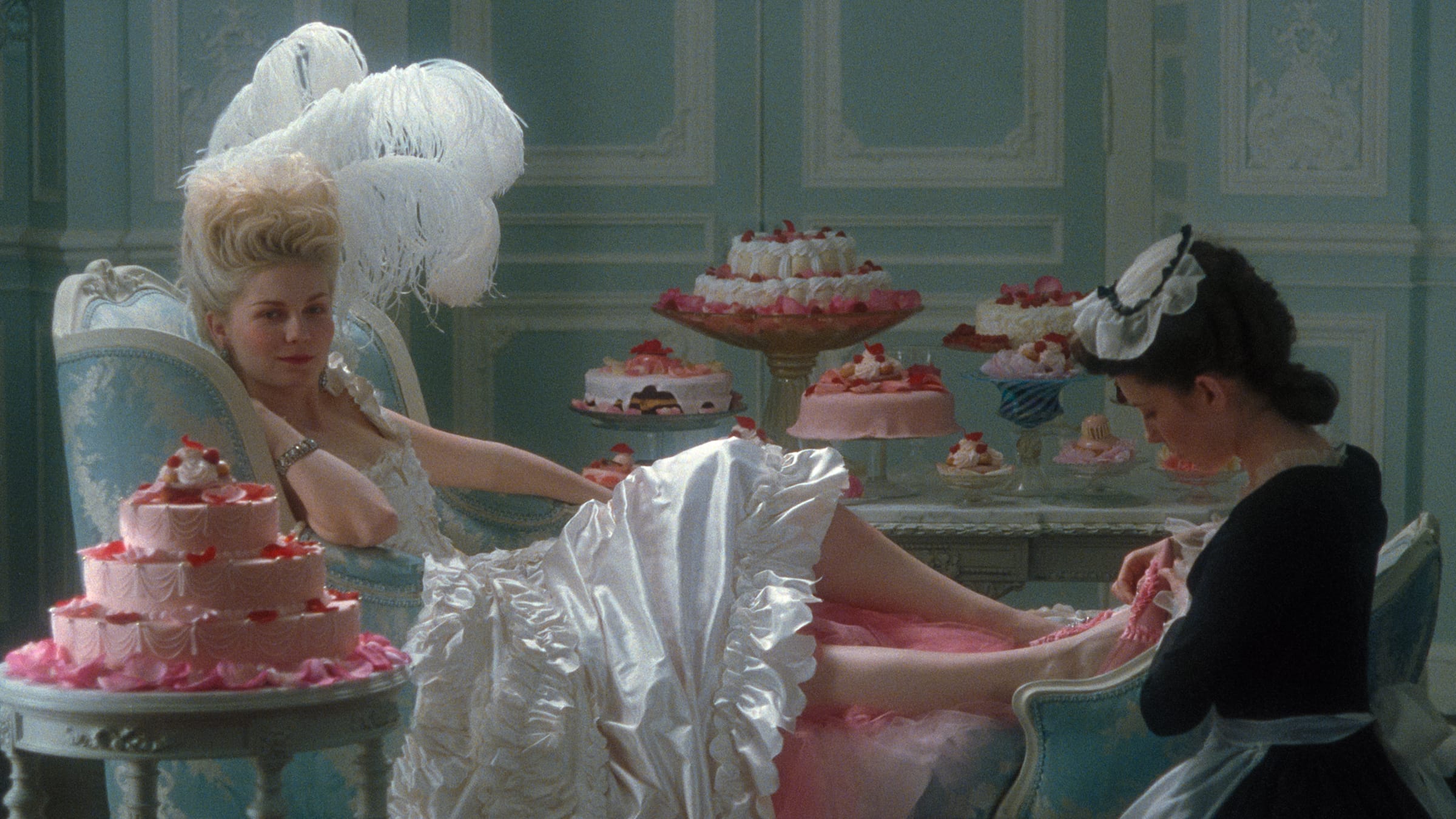
I remember the fever inside which my fourteen-year-old friends and I first saw Sofia Coppola’s Marie Antoinette, her third feature film, in 2006. I even remember walking into the small-town cinema—in Essex, England—with some eight girls. (I believe a single boy was in attendance, no doubt wearing the same hangdog expression Jason Schwartzman does as Louis XVI here.) The first thing we heard: Gang of Four, spiky. The first thing we saw: pink type, hot. Sudden flash on the figure of Kirsten Dunst, resplendent on a chaise longue, licking icing off her fingers while a maid adjusts her slippers. She looks down the camera as though to ask the oldest question in girlhood: What?
By the way, I lead with adolescent girls to seal this film’s significance, not to—never to—detract from it.
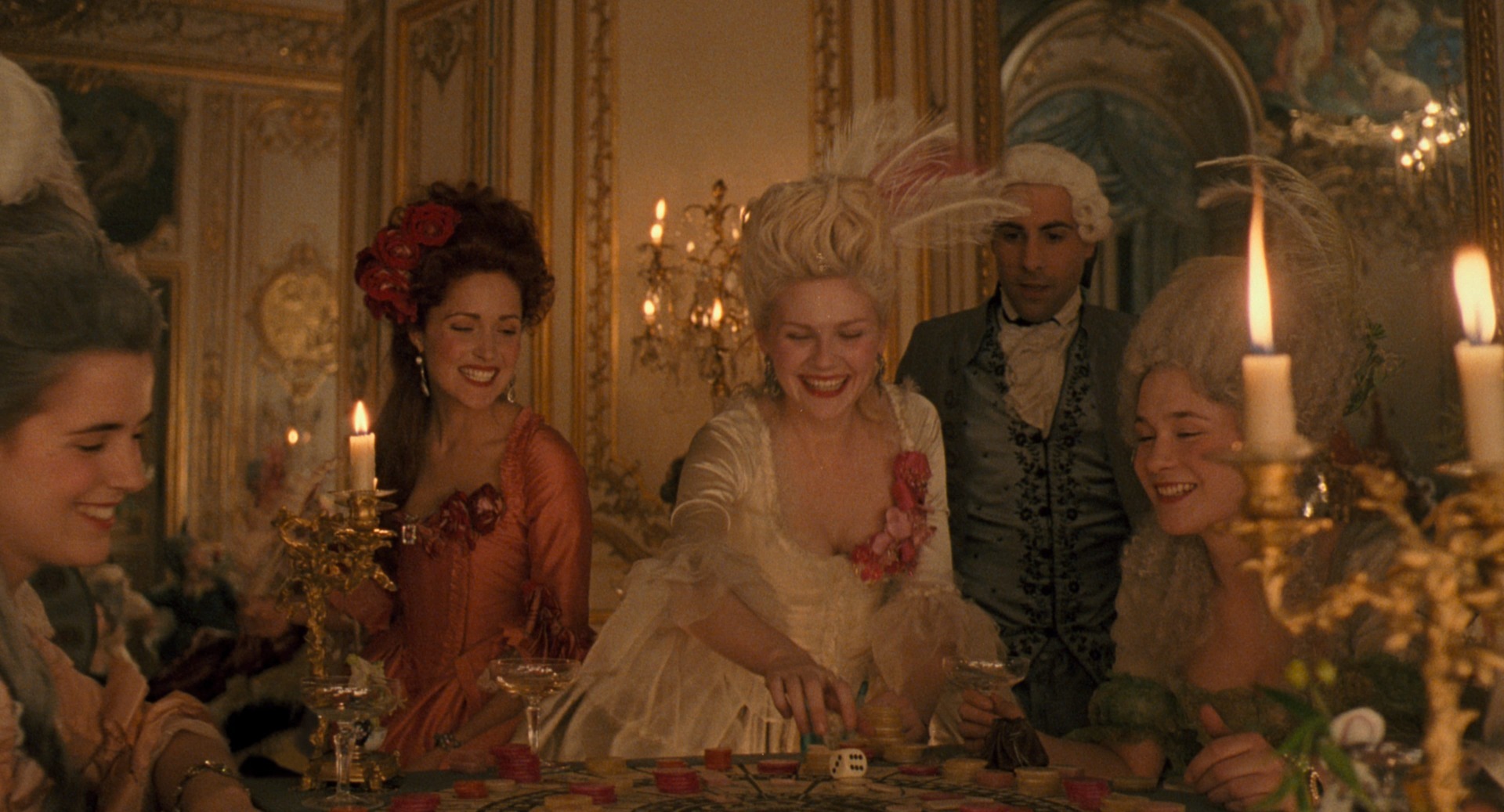
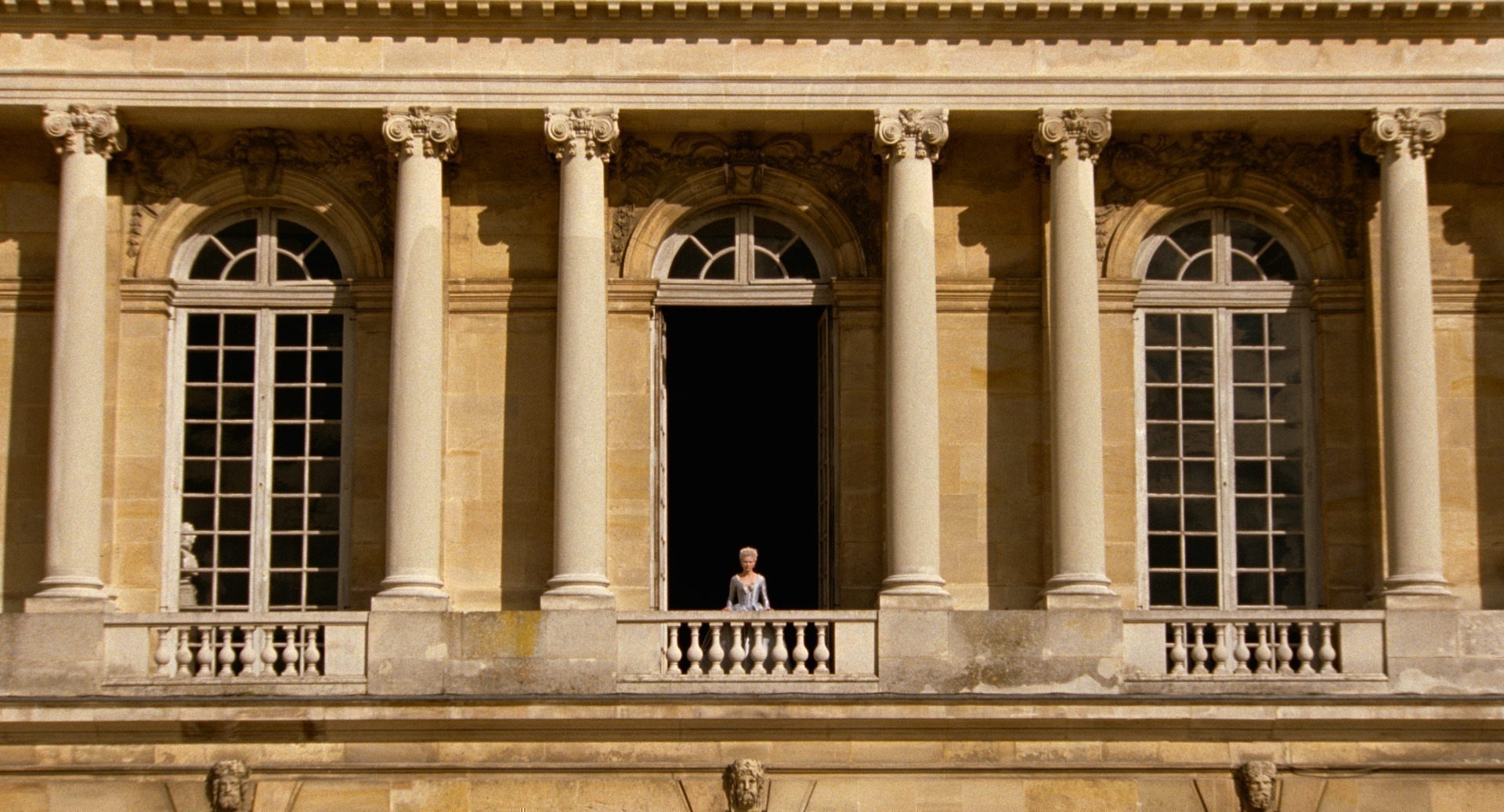
Several comings of age take place in Marie Antoinette, in which Coppola charts the life of France’s ill-fated royal from her marriage to the dauphin at fourteen through her years as queen at Versailles, concluding with her forced departure from the palace during the French Revolution. There is her eighteenth birthday party. There is the first time she has sex, after years of her marriage remaining unconsummated, swiftly followed by her first real crush, on a swashbuckling Jamie Dornan. There is the first time she realizes that she is being talked about.
Even among such familiar rites of passage, the opening handover ceremony presents a before-and-after that is unusually explicit. The marriage of Antoine—as Marie’s mother, Empress Maria Theresa of Austria (Marianne Faithfull), calls her—to the dauphin has been arranged to strengthen the alliance between Austria and France. We witness her long journey, Coppola emphasizing Marie’s youth all the while: she giggles with her maids over her husband-to-be’s portrait; she blows condensation onto the carriage window and draws shapes in it with her fingers. Here, before the powdered wigs to come, she is styled as an archetypal Alice, complete with headband ribbon, as though to suggest the Wonderland she is about to fall into. During the ceremony, which takes place inside a velvet-dark tent erected in an ashy forest at the border between the two monarchies, Marie is undressed by silent attendants and re-dressed in the finery of a dauphine. As a chemise is lifted over her head, the camera lights on a hardened look on Marie’s face before lingering on her small, naked body, framed from behind. For me, that expression is always a shock: how old she suddenly looks.
More: Essays
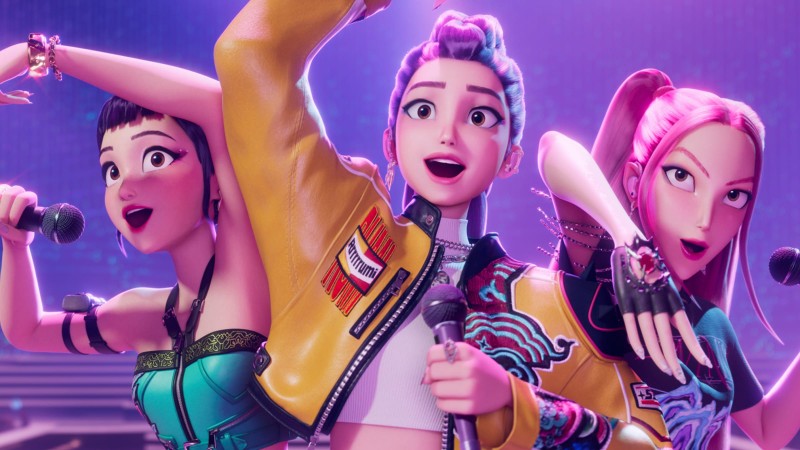
KPop Demon Hunters: Born to Be
Maggie Kang and Chris Appelhans’s seismic pop-culture phenomenon is a colorful, musical twist on a classic coming-of-age story, featuring a young protagonist reckoning with the contrast between who she really is and who she’s expected to be.
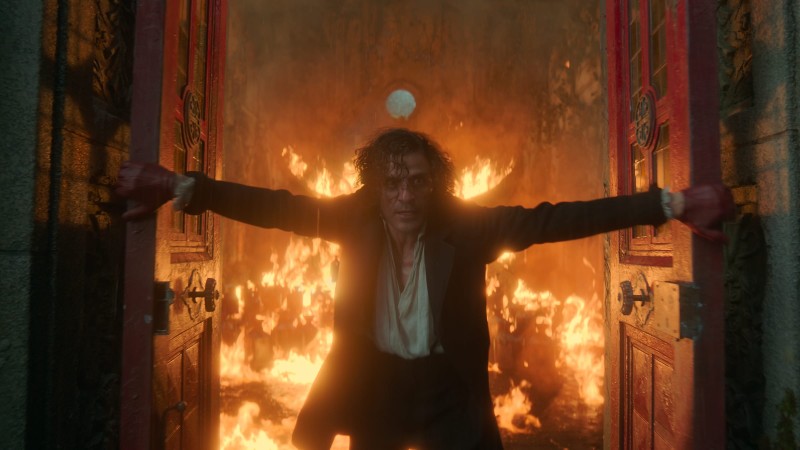
Guillermo del Toro’s Frankenstein
In one of his most personal films, the Oscar-winning director imbues Mary Shelley’s gothic tale with elements of family melodrama and traces of his own Catholic upbringing.
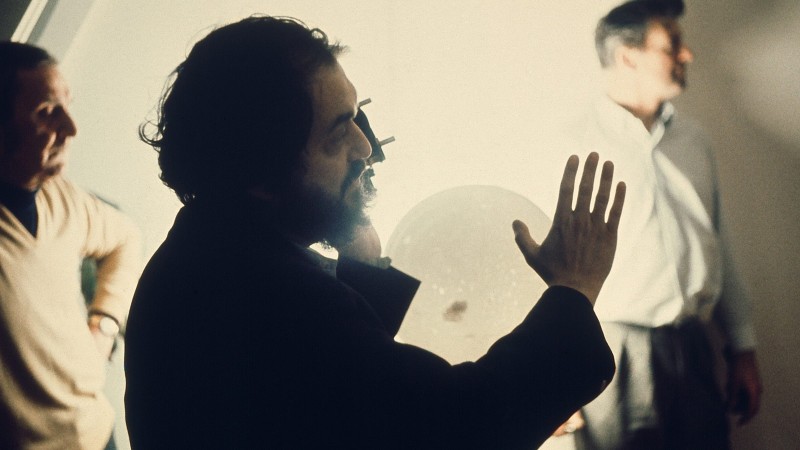
God Laughs: Stanley Kubrick’s Cinema
Throughout his enormously influential body of work, the great director explored the conflict between humankind’s obsession with control and our capacity for error and failure.
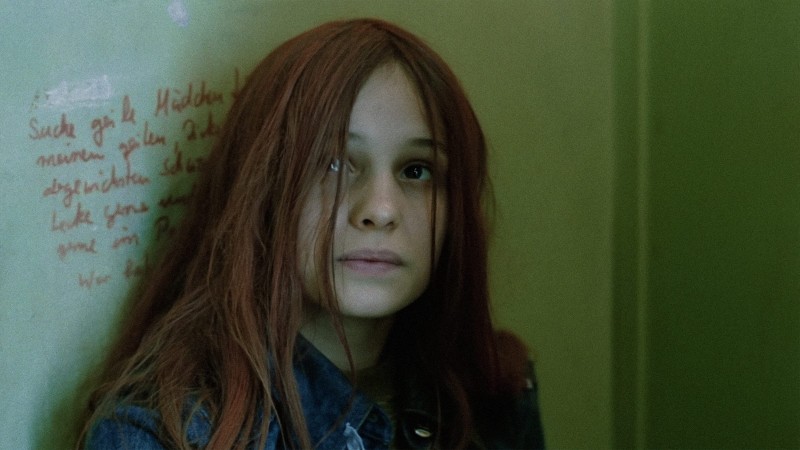
Christiane F.: Up Against the Wall
Uli Edel’s harrowing tale of youth rebellion is one of cinema’s greatest Berlin films, a visceral urban portrait that captures the city’s doom and decadence during the Cold War era.