KPop Demon Hunters: Born to Be
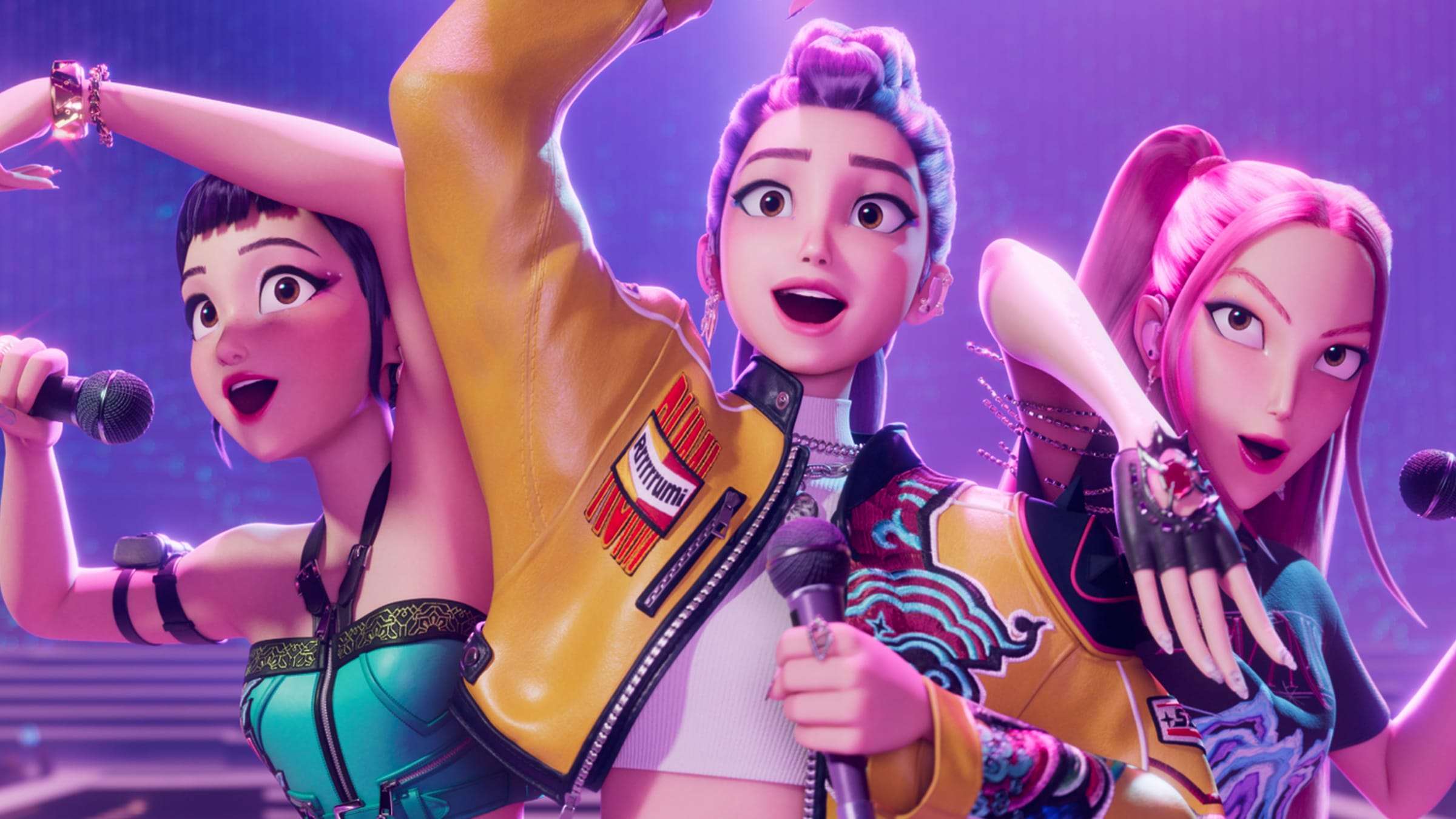
As is only fitting for a movie about K-pop idols fighting against the forces of evil, Maggie Kang and Chris Appelhans’s KPop Demon Hunters (2025) is a feast for the senses, filled with addictive melodies and kaleidoscopic spectacle. What’s remarkable is that the film’s smaller elements are just as memorable as its splashy concert set pieces. In one scene, a blue tiger, acting as a demon’s emissary, emerges from the shadows of an apartment balcony. Rather than lunging forward or demonstrating some incredible supernatural ability, he takes one careful step and accidentally knocks over a flowerpot. Instantly engrossed by the sight of something in disarray, he paws at the planter, repeatedly trying and failing to set it right. This tiny gesture immediately sticks in the mind, not just because of the cuteness of the tiger (named Derpy, for his silly and hapless expression) but because of the scene’s rich layers of detail. From the influence of Korean folk art apparent in the tiger’s design to the fact that the animal’s moonlike, multihued eyes don’t always move in tandem, such nuances are rendered with love and care throughout the film, qualities that have surely contributed to its astonishing impact on popular culture.
To call KPop Demon Hunters a singular, seismic phenomenon is not to engage in hyperbole but to simply tell the truth. It’s a remarkable artistic achievement, as has been recognized by a slew of awards—including Oscars for Best Animated Feature and Best Original Song, Golden Globes for the same categories, and a Grammy. No other film looks quite like it, and no other fictional band, not even the Wonders or Spinal Tap, has broken into the zeitgeist quite like its trio of pop-star heroines. And that success has translated on a commercial level: In the year since its initial release on Netflix—during which it has become the streamer’s most popular film of all time, as well as its first number-one movie at the box office—KPop Demon Hunters has spawned sing-along screenings, McDonald’s tie-in meals, a LEGO set, a collaboration with the iconic instant-noodle brand Nongshim Shin Ramyun, and a plethora of toys (thanks to a rare co-master toy partner deal between giants Hasbro and Mattel). A global concert tour coproduced by AEG Presents and a sequel are still on the way. To paraphrase the movie’s breakout song, “Golden,” it’s KPop Demon Hunters’ moment.

More: Essays
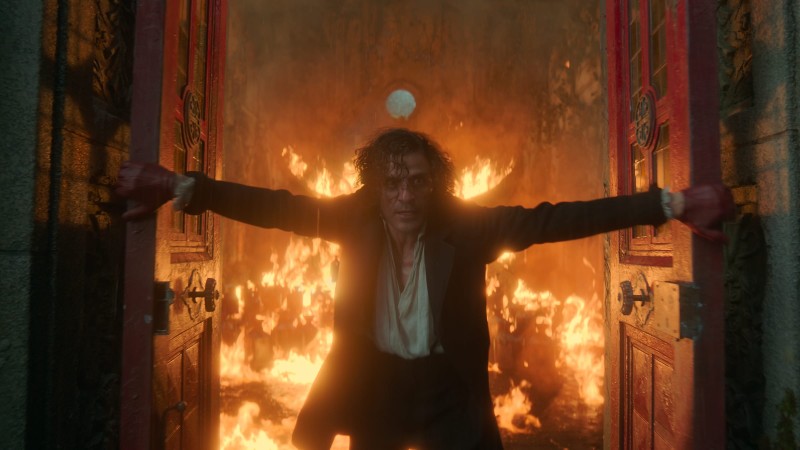
Guillermo del Toro’s Frankenstein
In one of his most personal films, the Oscar-winning director imbues Mary Shelley’s gothic tale with elements of family melodrama and traces of his own Catholic upbringing.
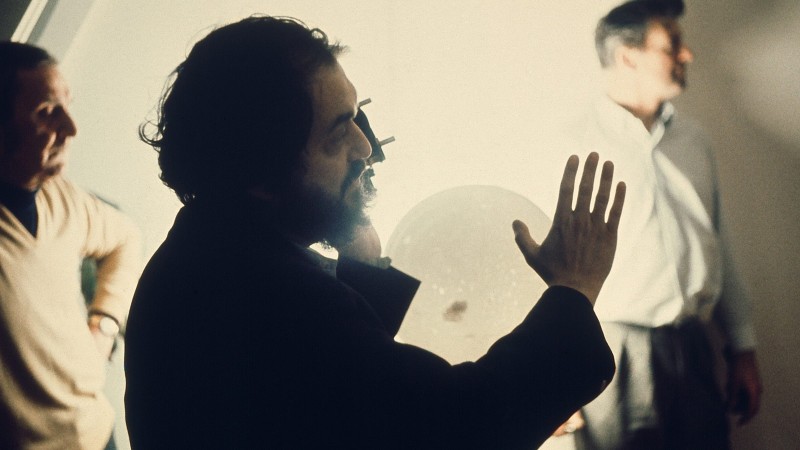
God Laughs: Stanley Kubrick’s Cinema
Throughout his enormously influential body of work, the great director explored the conflict between humankind’s obsession with control and our capacity for error and failure.
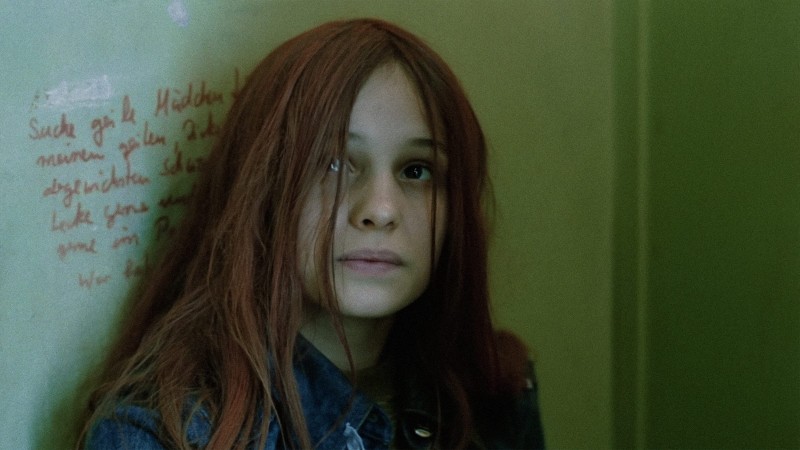
Christiane F.: Up Against the Wall
Uli Edel’s harrowing tale of youth rebellion is one of cinema’s greatest Berlin films, a visceral urban portrait that captures the city’s doom and decadence during the Cold War era.
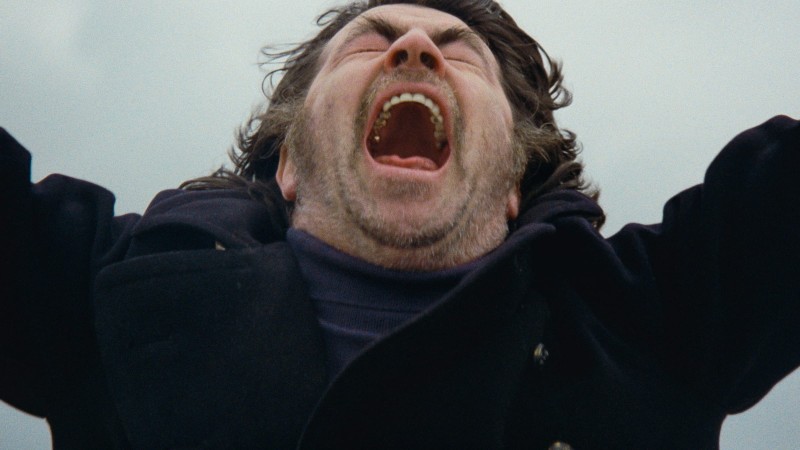
The Shout: Sound and Fury
Blending elements of psychological thriller, social satire, and psychedelic film, Jerzy Skolimowski’s Cannes-award-winning classic uses its audacious sound design to evoke the terror of English civilization.