
Shadows of Forgotten Ancestors: Echo of the Axe
Share
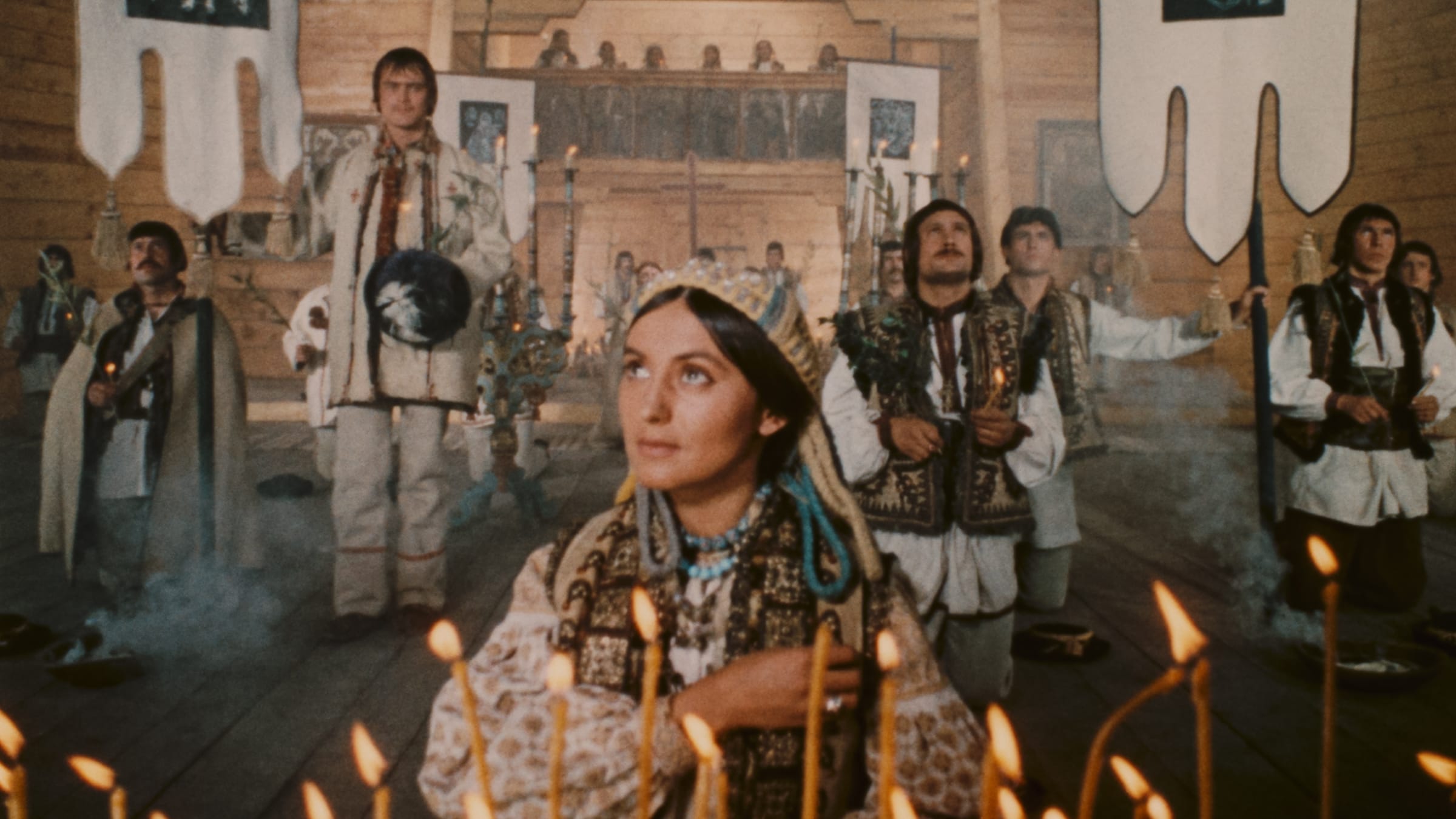
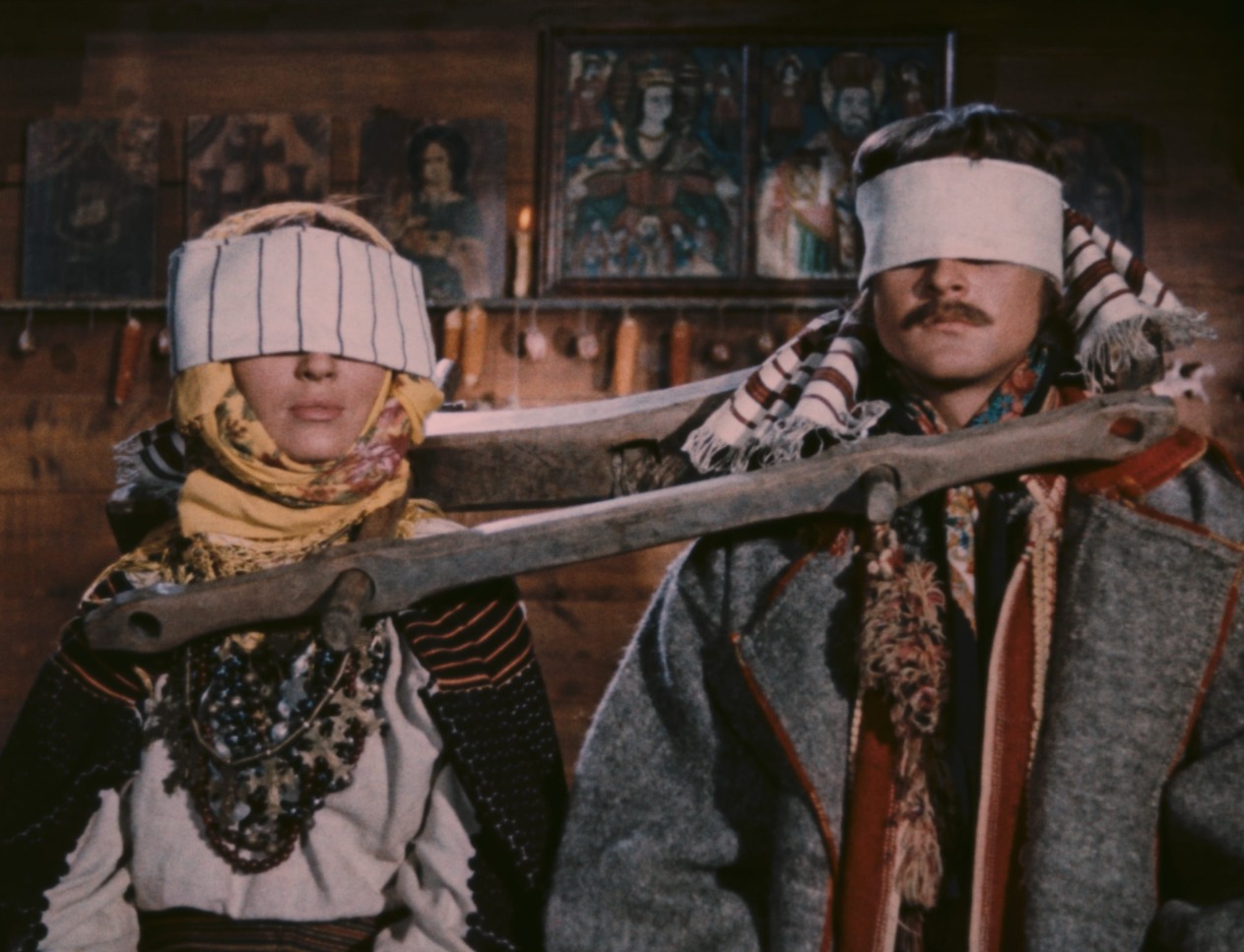
On a summer’s night in 2026, a Russian missile strike damaged the Dovzhenko Film Studio, Ukraine’s national production outfit, and consigned its vast costume collection to flames. In the Soviet era, Sergei Parajanov broke with socialist realism when he made his 1965 Shadows of Forgotten Ancestors for the studio. A rarity for the time as a solely Ukrainian-language Soviet film, it sparked momentum among Kyiv’s intelligentsia for a new national cinema, while also prompting disapproval from the regime for its nonconformism. More than a half century on, Vladimir Putin’s imperialist war machine seeks to destroy the heritage of a Ukrainian culture it cannot absorb.
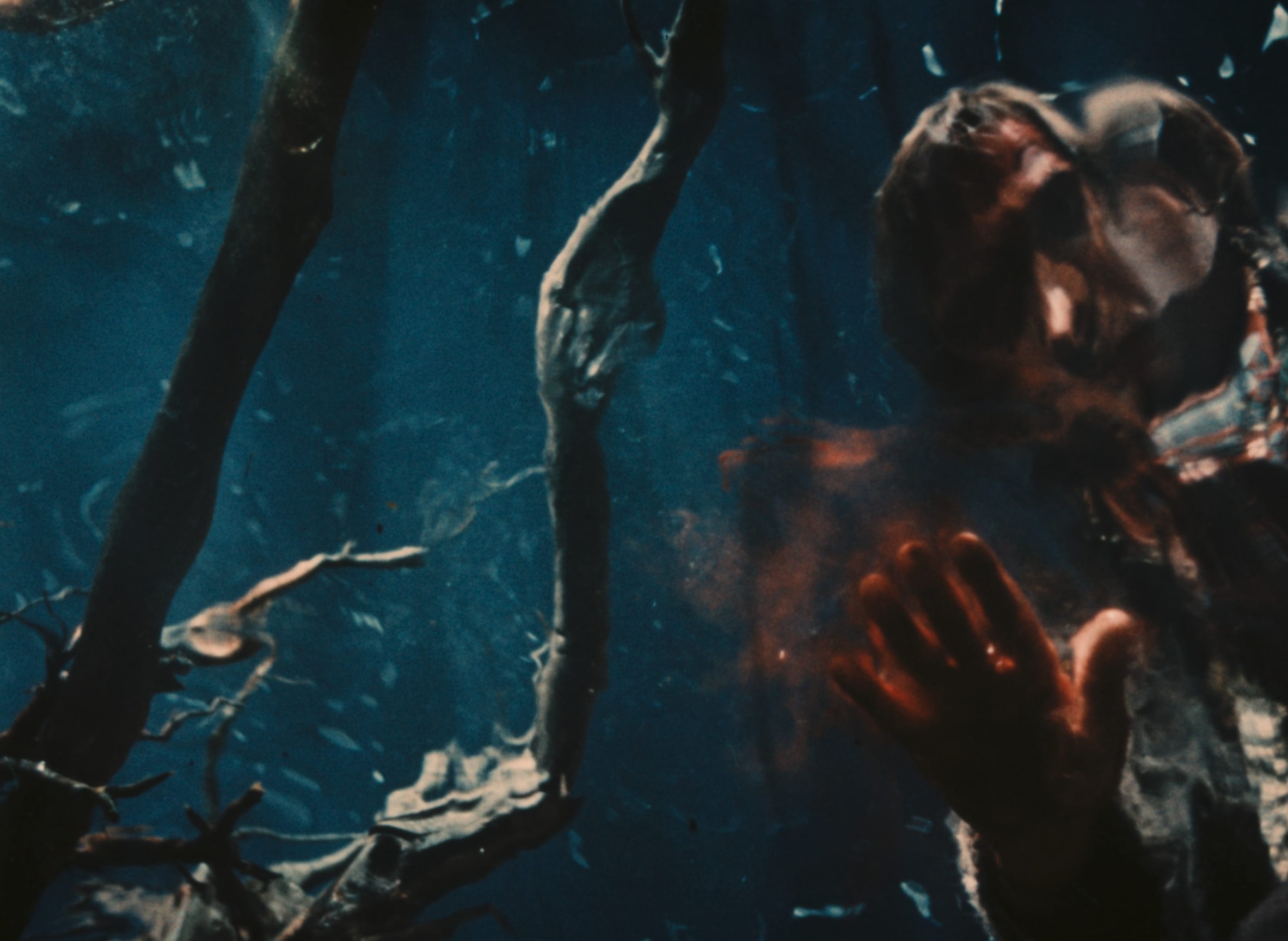
Parajanov, who was born in 1924 in Tbilisi, Georgia, to Armenian parents and later settled in Ukraine, had by his own account three motherlands. All were officially Soviet, but he refused to sacrifice the uniqueness of any of them to the dictates of a centralized Kremlin authority. In his color-saturated films, there is a spiritual charge to objects, which—from bleeding pomegranates to skulls, beads, and rain-soaked manuscripts—are arranged like totems or magic items for initiates.
Even in a labor colony in Ukraine in the 1970s—where Parajanov served several years under laws criminalizing homosexuality—he made art from whatever he could get his hands on. His miniature dolls and collages were defiant commitments to the expression of life, before he could return to filmmaking and complete his Caucasus-set trilogy, mesmeric works that carried on his challenge to Moscow’s status as the nexus of artistic creation, and its suppression of difference and memory. As Shadows had done for Ukraine, the ancient traditions of Armenia, Georgia, and Azerbaijan are celebrated in The Color of Pomegranates (1969), The Legend of Suram Fortress (1985), and Ashik Kerib (1988).
Parajanov was officially rehabilitated in Ukraine posthumously in 2024, when his incarceration was determined to have been politically motivated. He died at just sixty-six in Yerevan, Armenia, globally recognized as one of cinema’s great visionaries, and a patron saint of sorts for rebels and borderless beings. Today in Yerevan, in the Sergei Parajanov Museum, a tribute site of more than 1,500 artworks and other items, a blown-up Kodak image of him hangs, a gold wing to either side of the photograph, above a shrine of objects. It’s a fitting altar to a director for whom reverential devotion was inseparable from playful transgression.
More: Essays
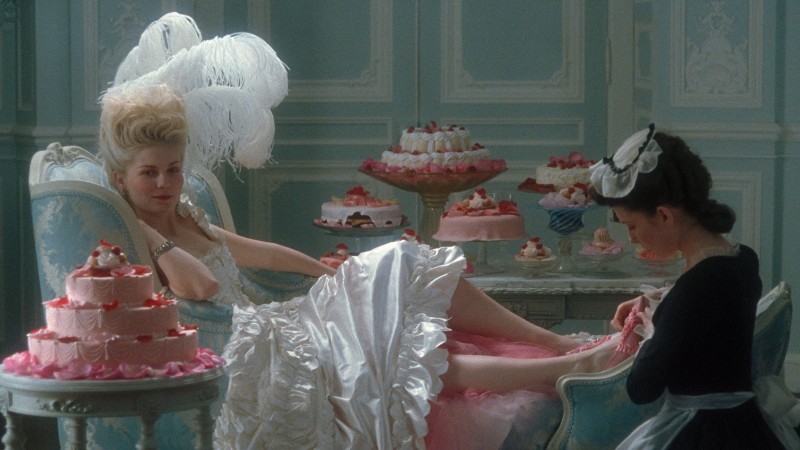
Marie Antoinette: Girlhood in the Hall of Mirrors
In her opulent, richly detailed portrait of the ill-fated French royal, Sofia Coppola takes the iconography of the protagonist’s historical moment and makes it resonate with girls’ lives, as they are now and as they have always been.

KPop Demon Hunters: Born to Be
Maggie Kang and Chris Appelhans’s seismic pop-culture phenomenon is a colorful, musical twist on a classic coming-of-age story, featuring a young protagonist reckoning with the contrast between who she really is and who she’s expected to be.
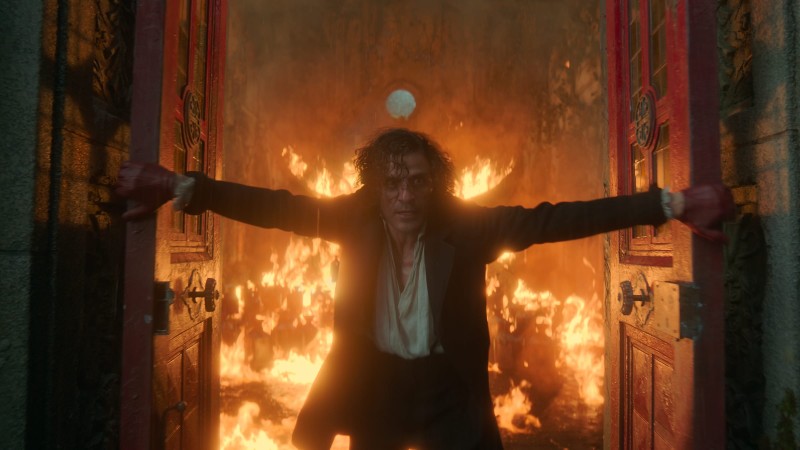
Guillermo del Toro’s Frankenstein
In one of his most personal films, the Oscar-winning director imbues Mary Shelley’s gothic tale with elements of family melodrama and traces of his own Catholic upbringing.
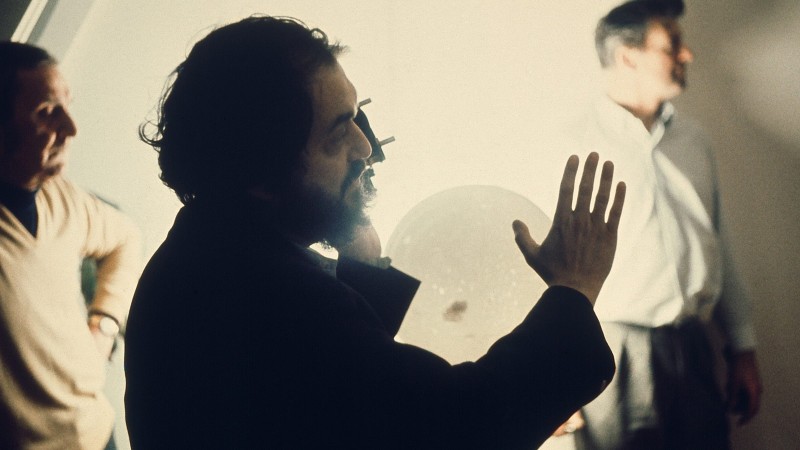
God Laughs: Stanley Kubrick’s Cinema
Throughout his enormously influential body of work, the great director explored the conflict between humankind’s obsession with control and our capacity for error and failure.