Welcome II the Terrordome: The Future Is Furious
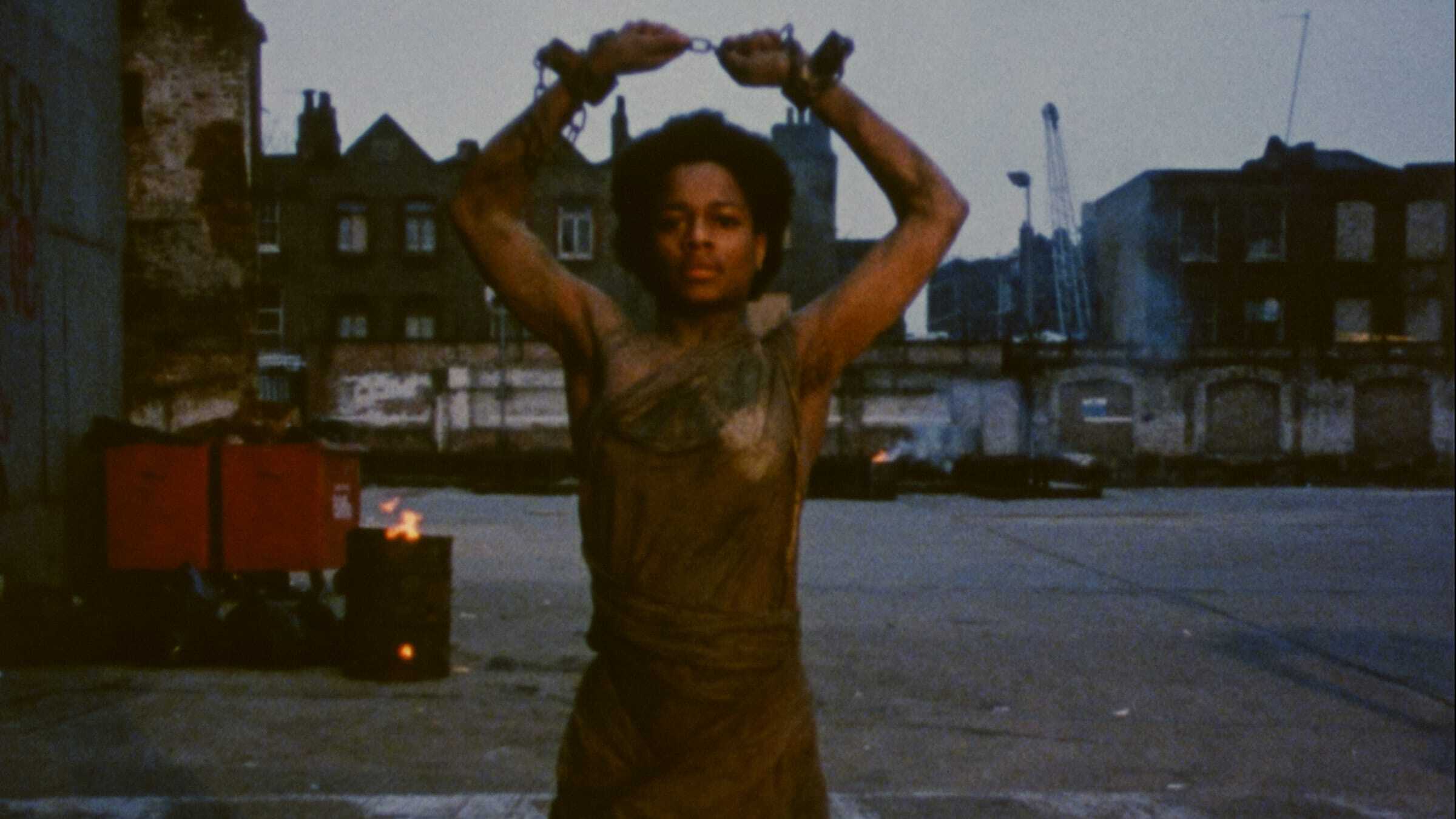
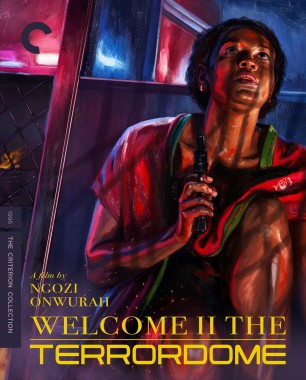
The first theatrically distributed British feature directed by a Black woman was perhaps always destined to be labeled as angry, no matter what it was about. All the same, that adjective is wholly accurate, and one Ngozi Onwurah has used herself to describe her 1995 feature debut, Welcome II the Terrordome, which confronts the lived experience of racial violence, police brutality, and mass incarceration. However, there is a crucial distinction between Onwurah’s use of the word and that of her critics. As Audre Lorde wrote in 1981, anger is “loaded with information and energy,” and when that anger is in response to oppression, “its object is change.” Watching Welcome II the Terrordome—a sci-fi drama set in a dystopian near future where racism has confined Black people to an impoverished ghetto, from which their only way out is fighting the powers that be—it is clear that the kind of fury at its heart is what Lorde describes and that, as such, it “is a liberating and strengthening act of clarification.” And yet when the film came out, critics in both the United Kingdom and the United States found it “nihilistic” (the Daily Telegraph) and “relentlessly misanthropic” and “inflammatory” (Variety).
One word; two worlds.
It isn’t all that surprising that Welcome II the Terrordome’s radical storytelling was received with so much confusion. Onwurah’s vision of how racism and bigotry could look in the future was not sympathetic to the white gaze. It blasted the postracial illusion and did not position white people as saviors or allies but as corrupt, or even plain evil. It showed anti-Blackness as a system that underpins the modern world, and it challenged the idea of the West as a meritocracy, something that many white liberals had long believed in.
If white critics saw Welcome II the Terrordome as provocative or hyperbolic, it was because they could not or did not want to reckon with the real current and historical events that informed the film, be it the crack epidemic of the 1980s and early ’90s, which had destroyed entire communities in the U.S., or the neoliberal policies of Margaret Thatcher, the conservative prime minister from 1979 to 1990, which had resulted in a deep recession and long-term unemployment.
As Sylvia Wynter writes about in the 1977 essay “ ‘We Know Where We Are From’: The Politics of Black Culture from Myal to Marley,” lowly unskilled “native”/“negro” cum casual laborers and school dropouts had been finding themselves redundant in their nations and in an increasingly automated labor market. They were “relegated, thereby, to their criminalized, impoverished ‘inner city ghettos,’ together with the latter’s prison extensions, as a permanent underclass mired in poverty,” she writes.

More: Essays
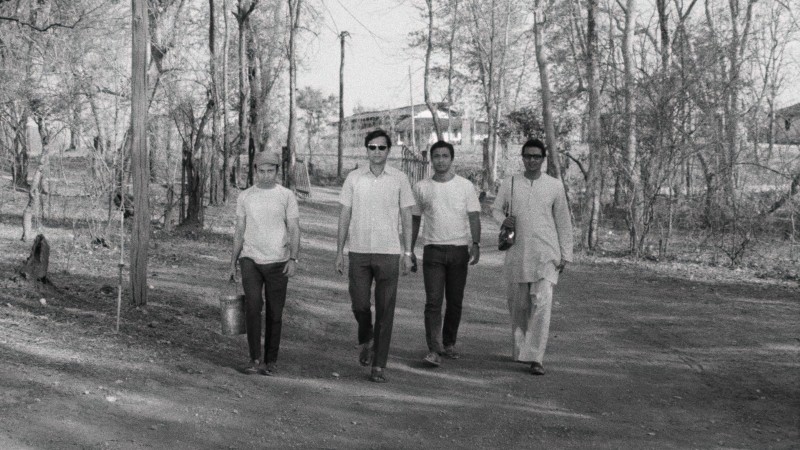
Days and Nights in the Forest: Into the Woods
In this tale of four privileged bachelors who embark on a trip to the Indian countryside, Satyajit Ray balances a biting critique of masculine fragility with splendid visual grace.
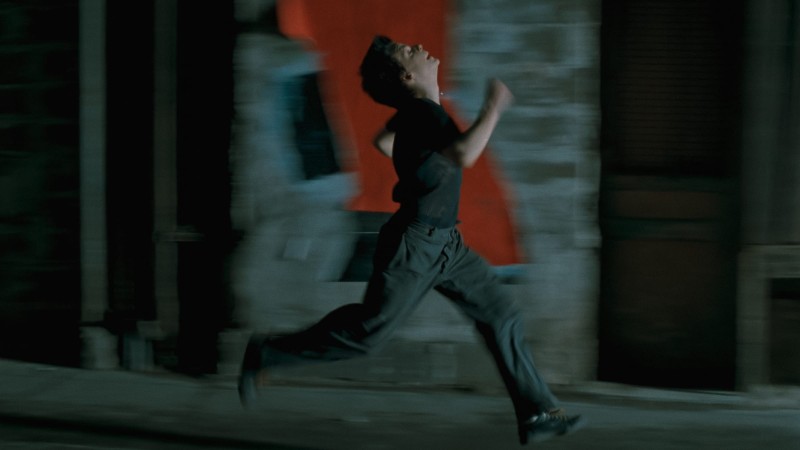
Three Films by Leos Carax: Vital Signs
With their mix of comedy, ecstasy, and aesthetic strangeness, the French auteur’s first three features grant us access to psychic states that we might not otherwise be able to enter.
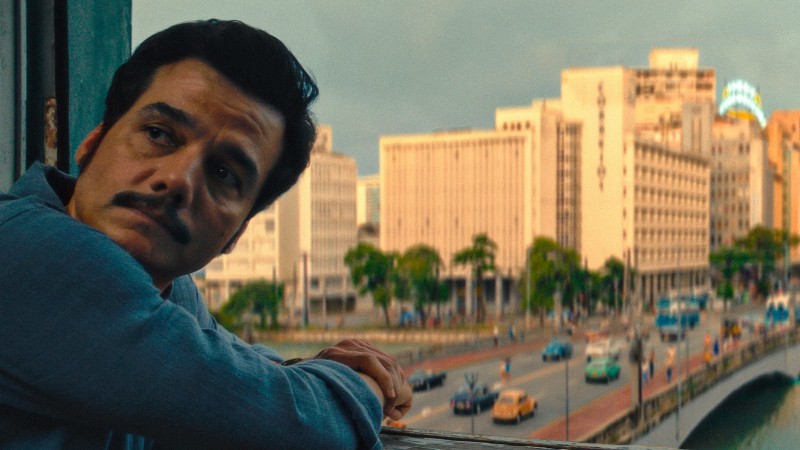
The Secret Agent: Left Out of History
Kleber Mendonça Filho explores the elisions of history and memory in this splendidly polymorphous thriller about a man on the run in 1977 Brazil.
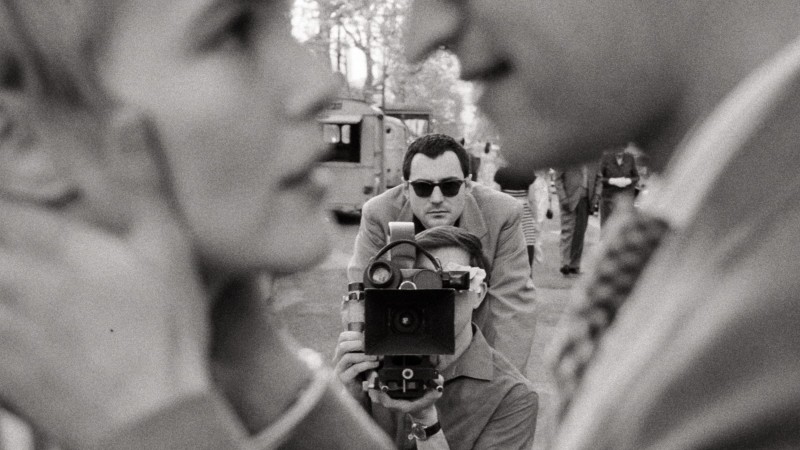
Nouvelle Vague: Insolent Like No One Else
In this exhilarating account of the making of Jean-Luc Godard’s Breathless, Richard Linklater lovingly reconstructs the vanished world of late-fifties Paris and the cinephilic culture surrounding the French New Wave.