British ’80s (and More) in Bristol
Share
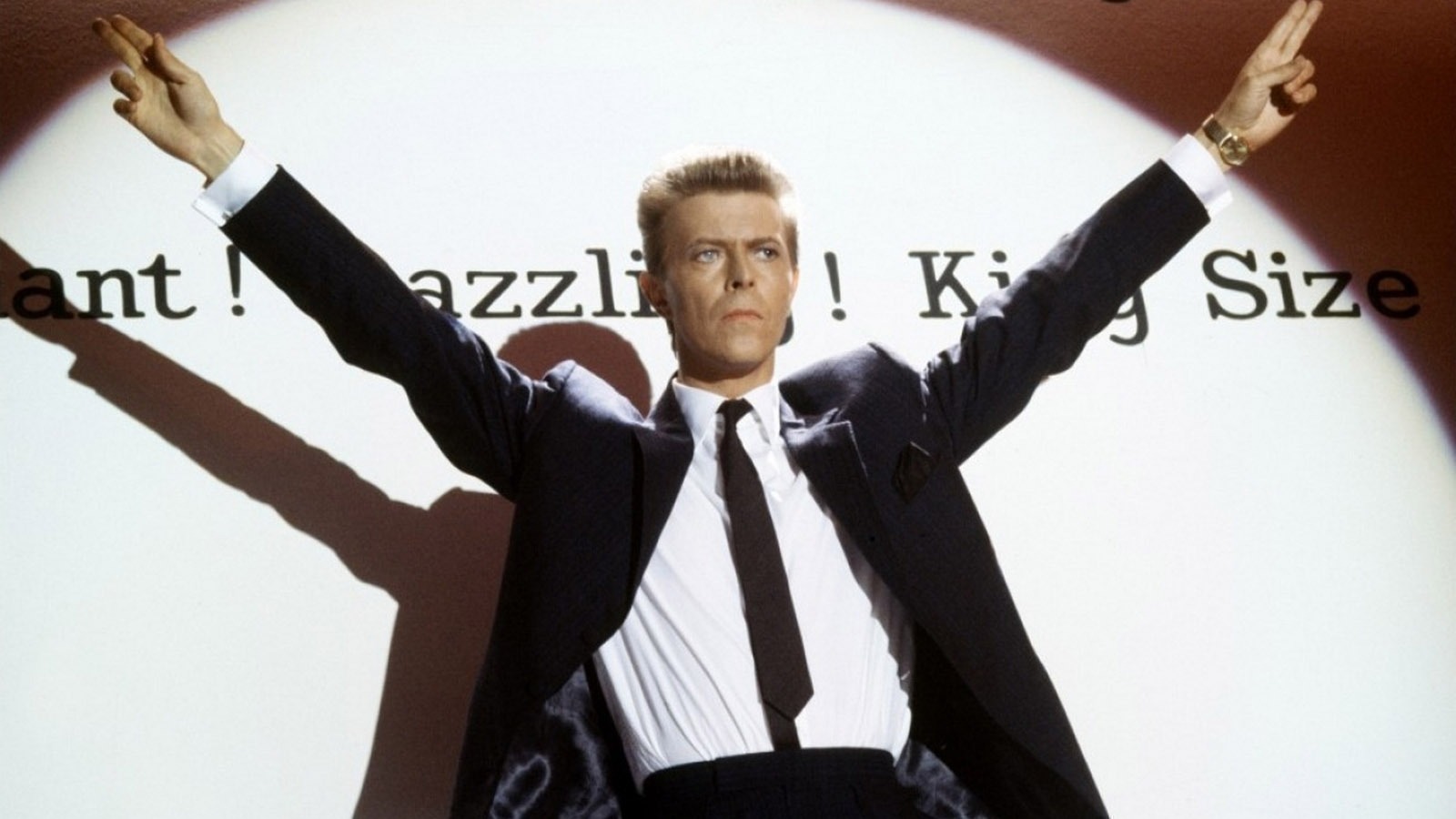
Taking inspiration from Il Cinema Ritrovato, the annual festival of restorations and rediscoveries in Bologna—and with the blessing of Il Cinema Ritrovato director Gianluca Farinelli—curator Mark Cosgrove launched Cinema Rediscovered in Bristol in 2016. The ninth edition opened on Wednesday evening with a keynote address from renowned producer Stephen Woolley followed by the projection of a 35 mm print of one of the films he helped realize, Julien Temple’s Absolute Beginners (1986).
“More than the stylish movie it is, more than the two-hour music video it threatens to become,” wrote Caryn James in the New York Times, “Absolute Beginners is a movie about style—the ’50s roots of ’80s clothes and music, echoed through ’40s musicals. Set in a neon-bright London in 1958, it has some of the ’40s artifice of boys and girls bursting into song, yet is full of ’80s rock stars and ’70s survivors like David Bowie and Ray Davies. Looking through these layers of time, this flashy, extravagant rock musical elevates style to a symptom and cause of social change. And though it aims for more coherence than it delivers, it has endless flair with no self-importance.”
Absolute Beginners, which screens again on Sunday, has launched this year’s main retrospective strand, Against the Grain: 1980s British Cinema. Director Stephen Frears, writer Hanif Kureishi, and actor Gordon Warnecke will be on hand for a fortieth-anniversary screening of My Beautiful Laundrette, the film that, as Graham Fuller has written, “threw a Molotov cocktail of urban chaos, polemical ire, spiky comedy, and mixed-race queer sex into the so-called British Film Renaissance of 1984–86.”
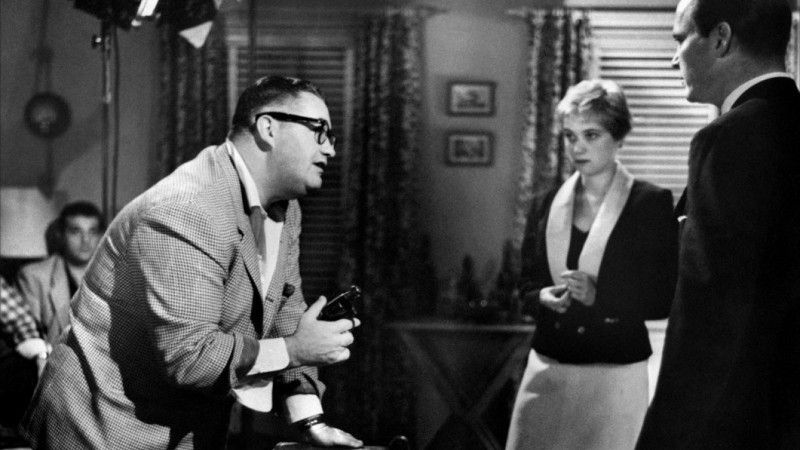
In 2009, Jonathan Rosenbaum found it “worth puzzling over why a film as beautiful, as witty, as imaginative, and as brilliant as Sally Potter’s first feature could have given so much offense to certain spectators in 1983.” The Gold Diggers offers “the grace and beauty of Julie Christie” and “gorgeous images by one of the world’s greatest cinematographers, Babette Mangolte—clearly her best work in black and white, as Mangolte has often maintained herself, and perhaps her most impressive work altogether.” And then there’s “the witty and pungent cross-referencing of film history” that makes The Gold Diggers “perhaps the only English feature that truly qualifies as Godardian, working out of a critical canon that’s no less eclectic and wide-ranging.”
Gabriel Byrne, Greta Scacchi, and Denholm Elliott star in David Drury’s Defence of the Realm (1985), a story inspired by the Profumo affair sparked in the early 1960s by a war secretary’s affair with a woman suspected of dallying with a Soviet naval attaché. “The air of incipient corruption gets an additional boost from the atmospheric score by Richard Harvey, formerly of the folk-rock band Gryphon,” writes Sean Wilson in his survey of the soundtracks for several of these British films at Letterboxd.
Other films in the strand include Neil Jordan’s debut feature, Angel (1982); Derek Jarman’s The Angelic Conversation (1985), structured around Judi Dench’s readings of fourteen of Shakespeare’s sonnets; John Akomfrah’s Handsworth Songs (1986), which Ashley Clark has called “a dynamic document of the civil unrest that swept across [Britain] in 1985”; and Rita, Sue and Bob Too (1987), written by Andrea Dunbar (adapting her own play), directed by Alan Clarke, and according to novelist Adelle Stripe, “as authentic to the working-class 1980s as Abigail’s Party was to the aspirational suburban 1970s.”
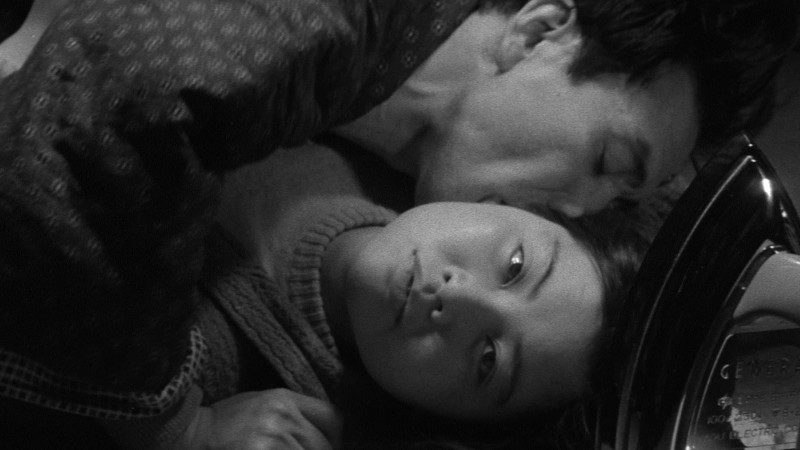
Cinema Rediscovered will screen four of the twenty films director Yasuzo Masumura made with Ayako Wakao, one of Japan’s most popular stars in the latter half of the twentieth century. The ongoing global Masumura revival took off in earnest when Karlovy Vary staged a retrospective in 2023, and as Farran Smith Nehme writes, “audiences seemed thunderstruck . . . It was a pleasure to see how the crowds grew for each Masumura screening, as word got out and enthusiasm intensified.”
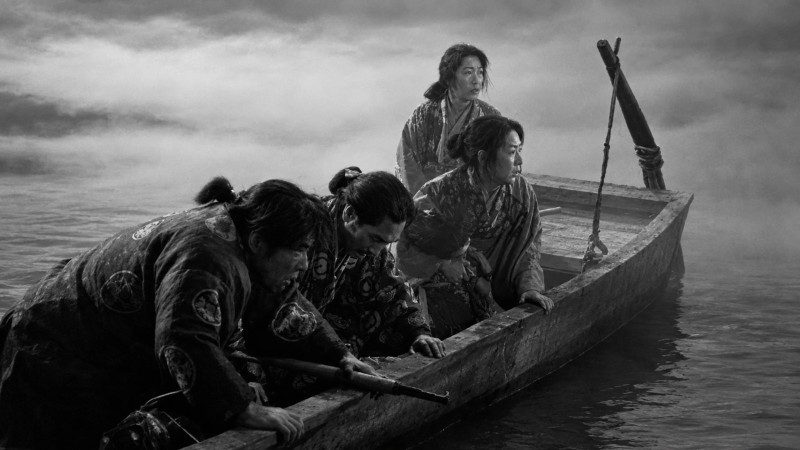
Running through the weekend, the festival will present dozens more fresh restorations, ranging from two works by trailblazing Argentinian filmmaker María Luisa Bemberg, silent features starring Anna May Wong, Stephanie Rothman’s The Working Girls (1974), Věra Chytilová’s Kalamita (1982), the late Souleymane Cissé’s Yeelen (1987), and Ardak Amirkulov’s historical epic The Fall of Otrar (1991) to such popular fare as Miloš Forman’s Amadeus (1984) and Terry Gilliam’s Time Bandits (1981).
Don’t miss out on your Daily briefing! Subscribe to the RSS feed.