The Lost Daughter Tops the Spirit Awards
Share
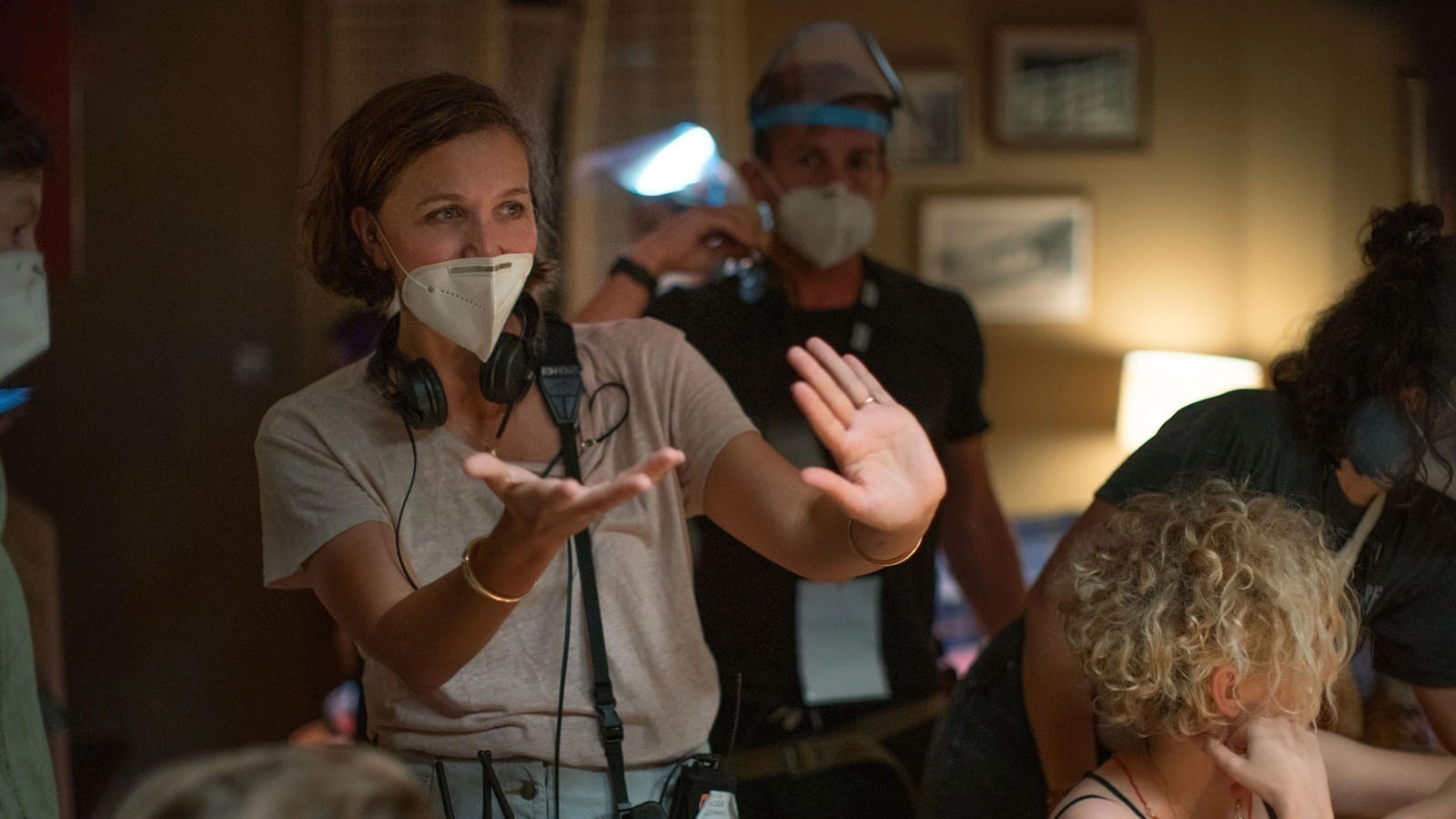
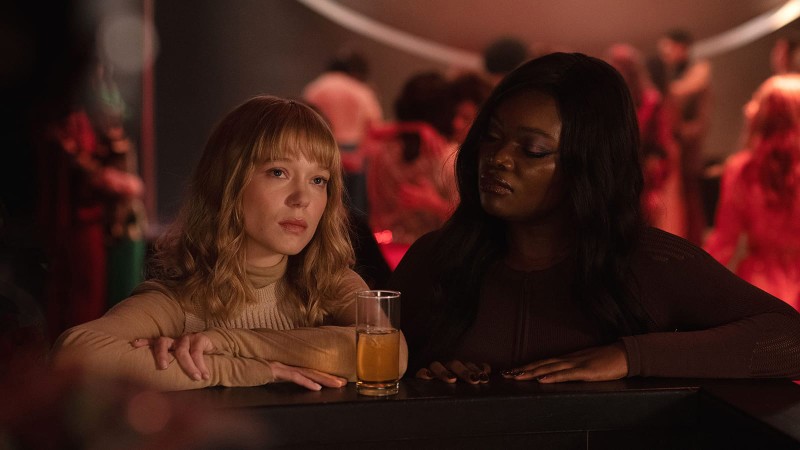
As the Washington Post’s Steven Zeitchik points out, Maggie Gyllenhaal’s The Lost Daughter is the first film in five years to win best feature, director, and screenplay at the Film Independent Spirit Awards. Barry Jenkins was the last writer-director to pull off the hat trick with Moonlight (2016). When Gyllenhaal’s adaptation of Elena Ferrante’s 2006 novel premiered in Venice, she won the award for best screenplay and has since scored Gotham awards for writing and directing her first feature, a Golden Globe, an Oscar nomination, and countless accolades from critics’ groups.
“My film is in an unusual language,” said Gyllenhaal at Sunday’s Spirit Awards. “It’s the language of the minds of women.” Olivia Colman plays Leda, a professor and translator on holiday in Greece, where a young mother, Nina (Dakota Johnson), catches her eye and conjures memories of her younger self (Jessie Buckley), the one who left her daughters before returning to them three years later. For Caitlin Quinlan at Reverse Shot, it’s Gyllenhaal’s “deft grasp of the dynamics between women, not just mothers and daughters, that makes the film compelling.”
Talking to Melissa Denes in the New Statesman, Ferrante herself says that a good adaptation is one that “picks up every impulse of the writing and finds a way of changing it into an image. The effort requires not faithfulness but invention and often betrayal. The goal is to get to the heart of the book, or at least the idea that the screenwriters and the directors have formed of it. If that is achieved, the most unfaithful film can turn out to be mysteriously close to the text. It’s what happened with Gyllenhaal.”
As for Gyllenhaal as a director, she “makes true cinema,” says Ferrante. Gyllenhaal “trusts the images; there’s no voiceover to help the story along; the dialogue is allusive; the gestures are charged even if merely hinted at; the flashes of the past in the present are convincing; there’s an increasing tension that arises naturally from minor events. And then it’s wonderful how she can transform into a style of her own certain images from the book.”
Janicza Bravo’s Zola and Rebecca Hall’s Passing won two awards each on Sunday. Taylour Paige won best female lead for her turn as Zola, a waitress and part-time stripper on a road trip to hell, and editor Joi McMillon won her second Spirit Award—her first was for her work on Moonlight. Ruth Negga won best supporting female for her performance as Clare Bellew, a light-skinned Black woman who passes for white, and Eduard Grau, who shot Passing, won the award for best cinematography.
Simon Rex won best male lead for playing a has-been porn star returning to Texas City in Sean Baker’s Red Rocket, and Troy Kotsur, winner of best supporting male for his portrayal of a father in Sian Heder’s CODA, became the first deaf actor to score a Spirit Award. Questlove’s Summer of Soul won best documentary and the Truer than Fiction award, presented to emerging directors of nonfiction features, went to Jessica Beshir for her debut feature, Faya Dayi.
The John Cassavetes award for the best feature made for less than half a million dollars went to Emma Seligman’s Shiva Baby and Ryusuke Hamaguchi’s Drive My Car won best international film. Hamaguchi and cowriter Takamasa Oe’s adaptation of a story by Haruki Murakami is up for four Oscars, and Sunday night’s win just may give it a boost. Academy members start voting in ten days and the awards will be presented on March 27.
For news and items of interest throughout the day, every day, follow @CriterionDaily.