Panorama: Three Times Four
Share
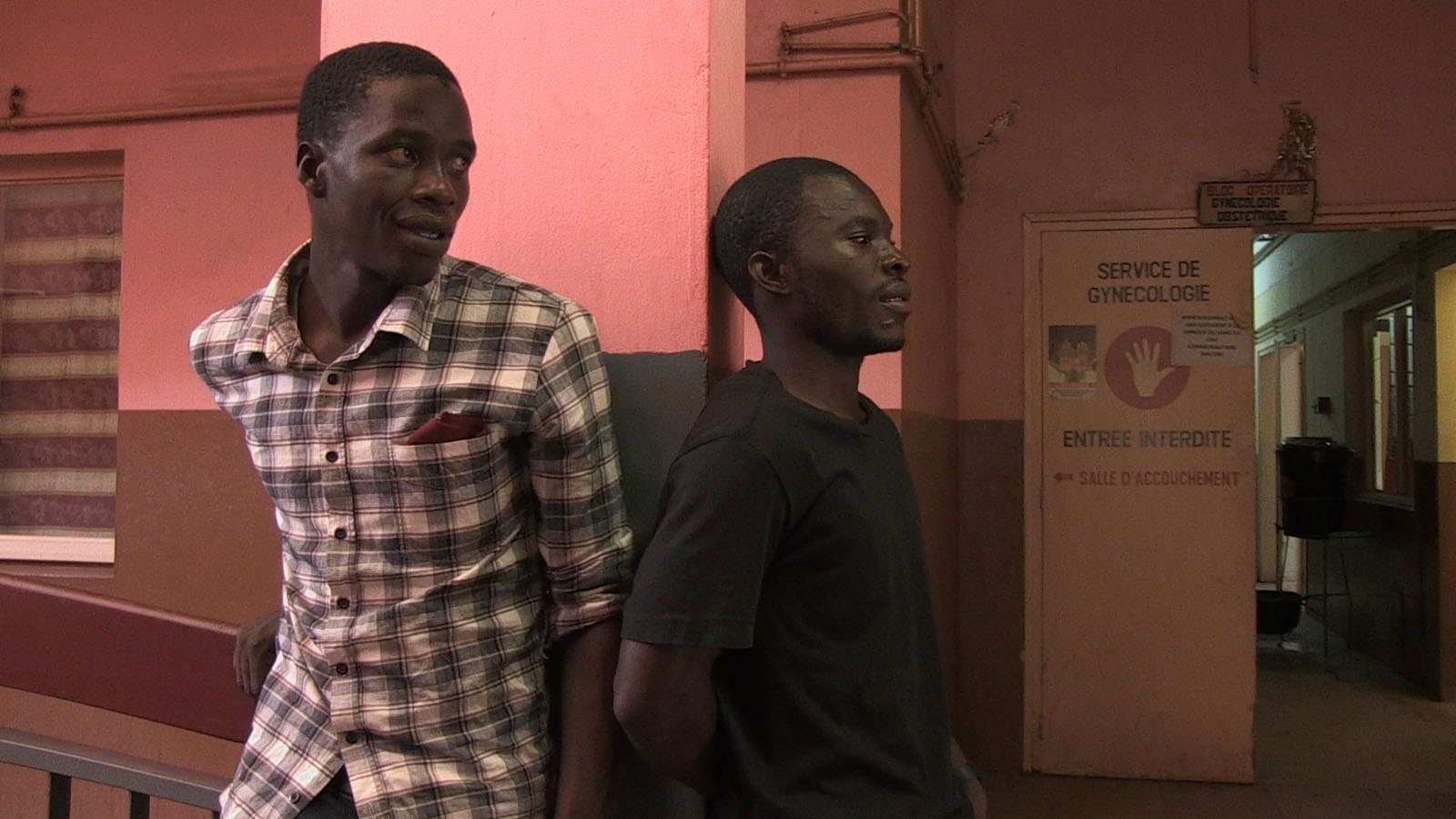
Four young male friends help each other discover and fully realize their true selves in three otherwise quite disparate films premiering in the Berlinale’s Panorama program. We, Students!, the first film from the Central African Republic to screen at the festival, is twenty-four-year-old Rafiki Fariala’s well-shaped video diary of barely scraping by as an economics student at the University of Bangui. Writer, director, and cinematographer Nicolò Bassetti’s beautifully crafted Into My Name tracks four stories of F to M gender transition over the course of two and a half years. And in Beautiful Beings, Guðmundur Arnar Guðmundsson (Heartstone) depicts the brutality of growing up in broken homes teetering along the poverty line in Iceland.
Coproductions aside, a handful of documentaries and a single fictional feature, Bassek Ba Kobhio and Didier Ouenangare’s Le silence de la forêt (2003), make up the entire cinematic output of the Central African Republic, a country only just now beginning to find its footing after decades of internal warfare. In 2017, Rafiki Fariala was the youngest of the few candidates selected—around 150 had applied—to take part in a documentary workshop run at the Alliance française in Bangui by Ateliers Varan, an association of filmmakers based in Paris founded with the support of Jean Rouch.
After his first short, You and Me (2017), screened at festivals in Europe and Canada, Fariala spent three years filming his friends and fellow students Aaron, Benjamin, and Nestor as they shared a single dilapidated room and studied for their final exams. Fariala, a musician who scored something of a hit with his 2013 single “Why War?,” frames We, Students! with his a cappella renditions of new songs of struggle and determination. Together, the four tight friends sing joyfully of their faith in God and in each other.
In an overcrowded classroom, a lecturer declares that as capitalism has proven to be a failed system, young Africans have only one thing to call on if they are to survive: “Initiative!” All four friends have plenty, but Nestor is the only one to fail his exam. He’s not wrong to blame rampant corruption at the university, where the black market seems to be the only market, but his friends have to fight to keep him from slipping into bitter despair.
Aaron, in the meantime, is hauled into court by the mother of his pregnant fifteen-year-old girlfriend. The charge is rape, but the young woman insists that her relationship with Aaron is mutually and fully consensual. It’s only after they marry that the mother eventually agrees to settle for a chicken, a goat, and a few household items. Aaron becomes the father of twin girls, and at their baptism, the charismatic pastor seems determined to yell the Holy Spirit into their tiny bodies. We, Students! is a long overdue look at life as it’s lived on the ground in one of the world’s poorest countries.