Days and Nights in the Forest: Into the Woods
There’s an unforgettable image in Louis Malle’s 1969 documentary Calcutta: From a remote high angle, we see a battle between police and protesters unfold on the streets of the eponymous city (now known as Kolkata). Hundreds of bodies clash and collide like pebbles, the sounds of bullets and bombs punctuate the cacophony of the mob, and gray clouds of tear gas blur the horizon. Shot in 1968, the scene captures a city at the peak of crisis; the 1962 war with China, famines and food shortages, the war in Vietnam, and the brewing conflict in East Pakistan—which would soon claw its independence from West Pakistan to become Bangladesh—had wrecked the economy, filled the streets with angry demonstrators, and sparked brutal state repression.
Then there was the 1967 Maoist uprising in the village of Naxalbari, in northern West Bengal. Led by tribal Santal peasants and Communist leaders, it was soon spreading throughout the countryside, tearing apart a left already beleaguered by the Sino-Soviet split. By 1969, the movement had spilled over into the city: in April of that year, the architects of the Naxalbari revolt announced the formation of a new, revolutionary party—the Communist Party of India (Marxist-Leninist)—in Calcutta. Students dropped out of universities and joined the armed struggle in droves.
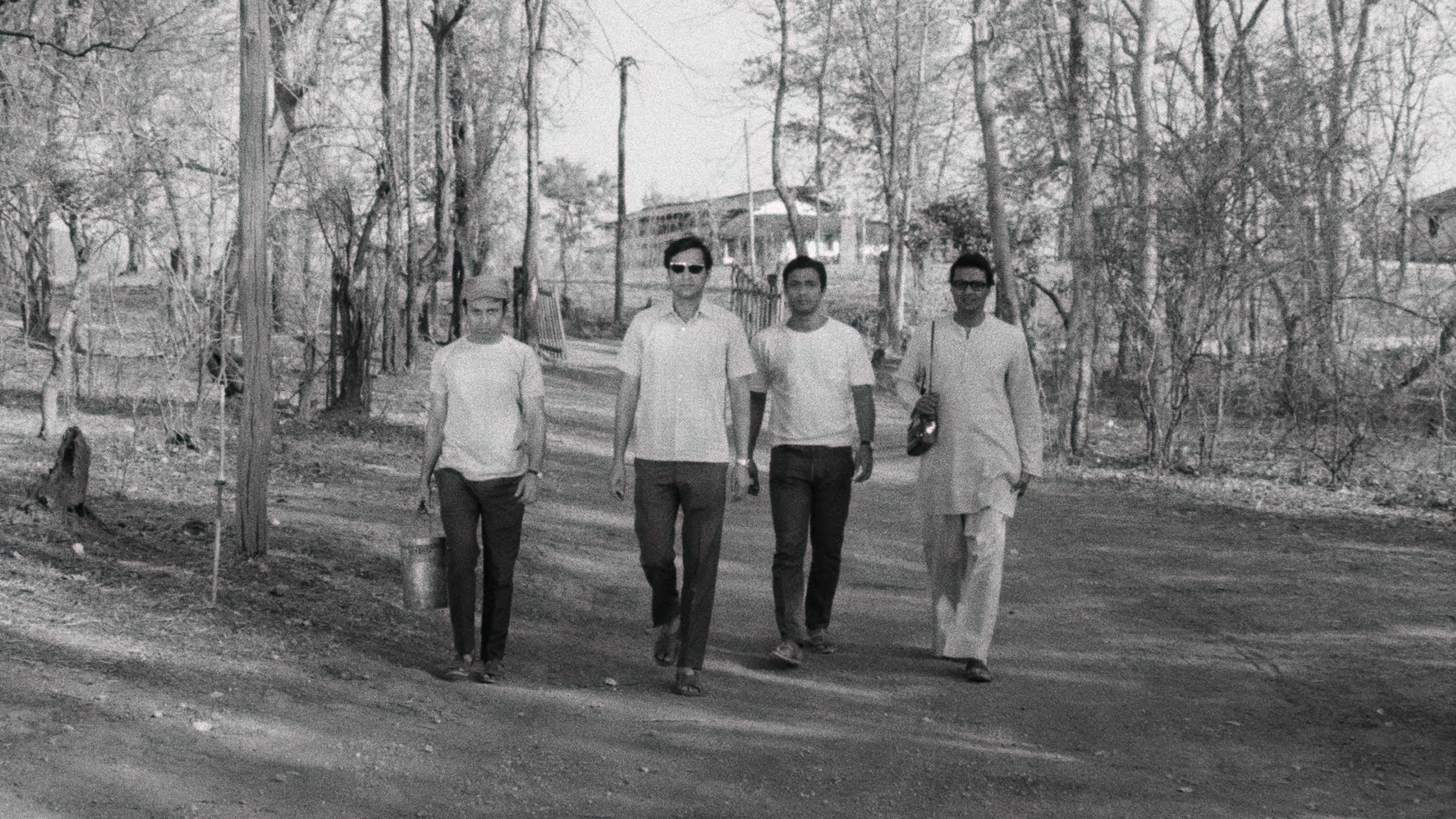
For many of those tumultuous months, Satyajit Ray was not in Calcutta. The situation was not conducive to making films, he had said in a letter to critic and biographer Marie Seton in 1967, before setting out to the forts of Rajasthan and the snowy valleys of Himachal Pradesh to make a musical fantasy for children, Goopy Gyne Bagha Byne (1969). In the early and middle months of 1969, he was in Palamu, a wooded tribal region more than three hundred miles to the west of Calcutta, in what was then the Indian state of Bihar. Ironically, Ray was there shooting Days and Nights in the Forest (1970), a film about four bachelors who also leave the roil of the city for the respite of the countryside. The sole, stray glimpse in the film of the events of the day is a copy of the Calcutta newspaper the Statesman, whose headline—“Another Sino-Soviet Border Clash Reported”—is fuzzily visible as one of the men sets it on fire and declares, “All connection with civilization is over.”
More: Essays
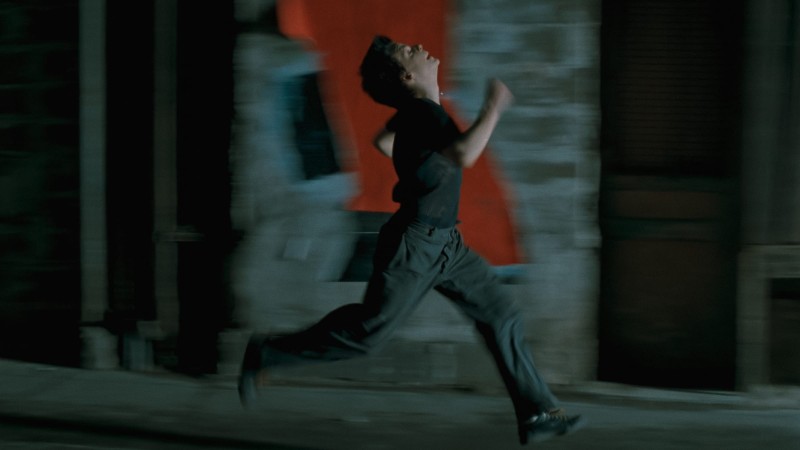
Three Films by Leos Carax: Vital Signs
With their mix of comedy, ecstasy, and aesthetic strangeness, the French auteur’s first three features grant us access to psychic states that we might not otherwise be able to enter.
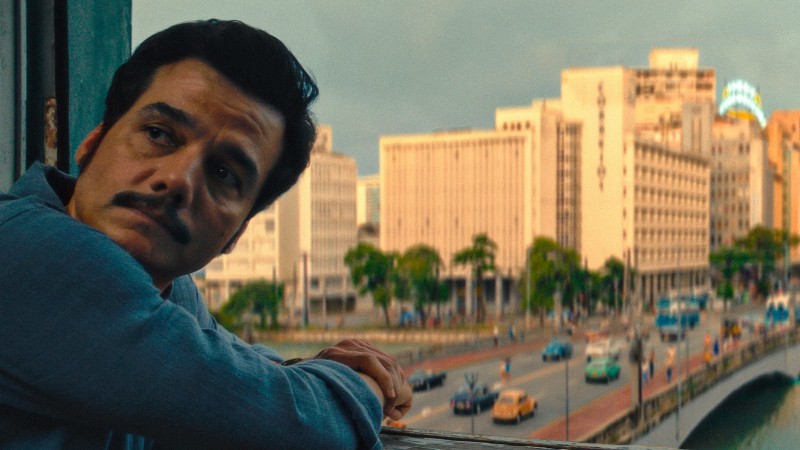
The Secret Agent: Left Out of History
Kleber Mendonça Filho explores the elisions of history and memory in this splendidly polymorphous thriller about a man on the run in 1977 Brazil.
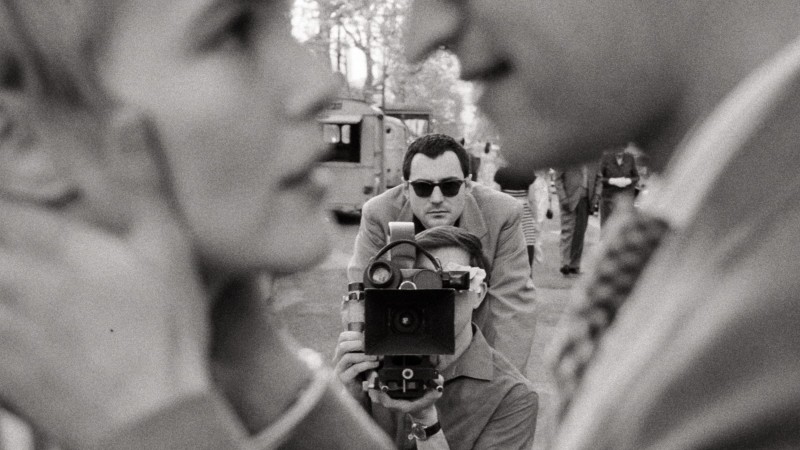
Nouvelle Vague: Insolent Like No One Else
In this exhilarating account of the making of Jean-Luc Godard’s Breathless, Richard Linklater lovingly reconstructs the vanished world of late-fifties Paris and the cinephilic culture surrounding the French New Wave.
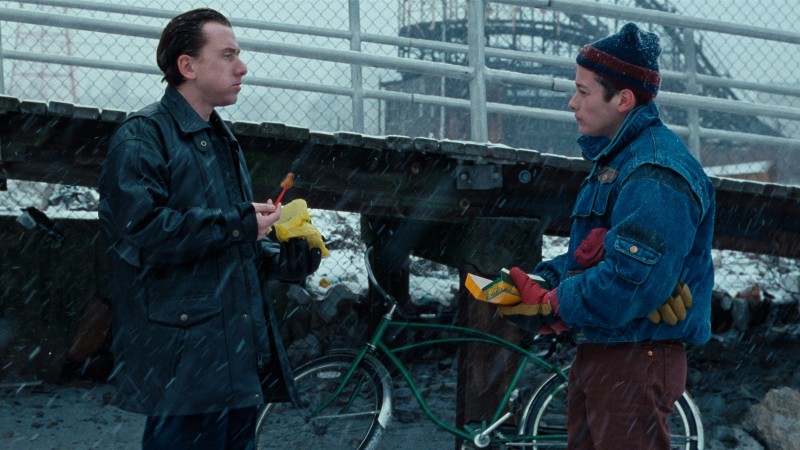
Little Odessa: He Ain’t Heavy, He’s My Brother
James Gray’s extraordinary debut feature is a painstakingly distilled tale of crime and family dysfunction, captured with a merciless gaze and a sharp attention to idiosyncratic detail.