Nouvelle Vague: Insolent Like No One Else
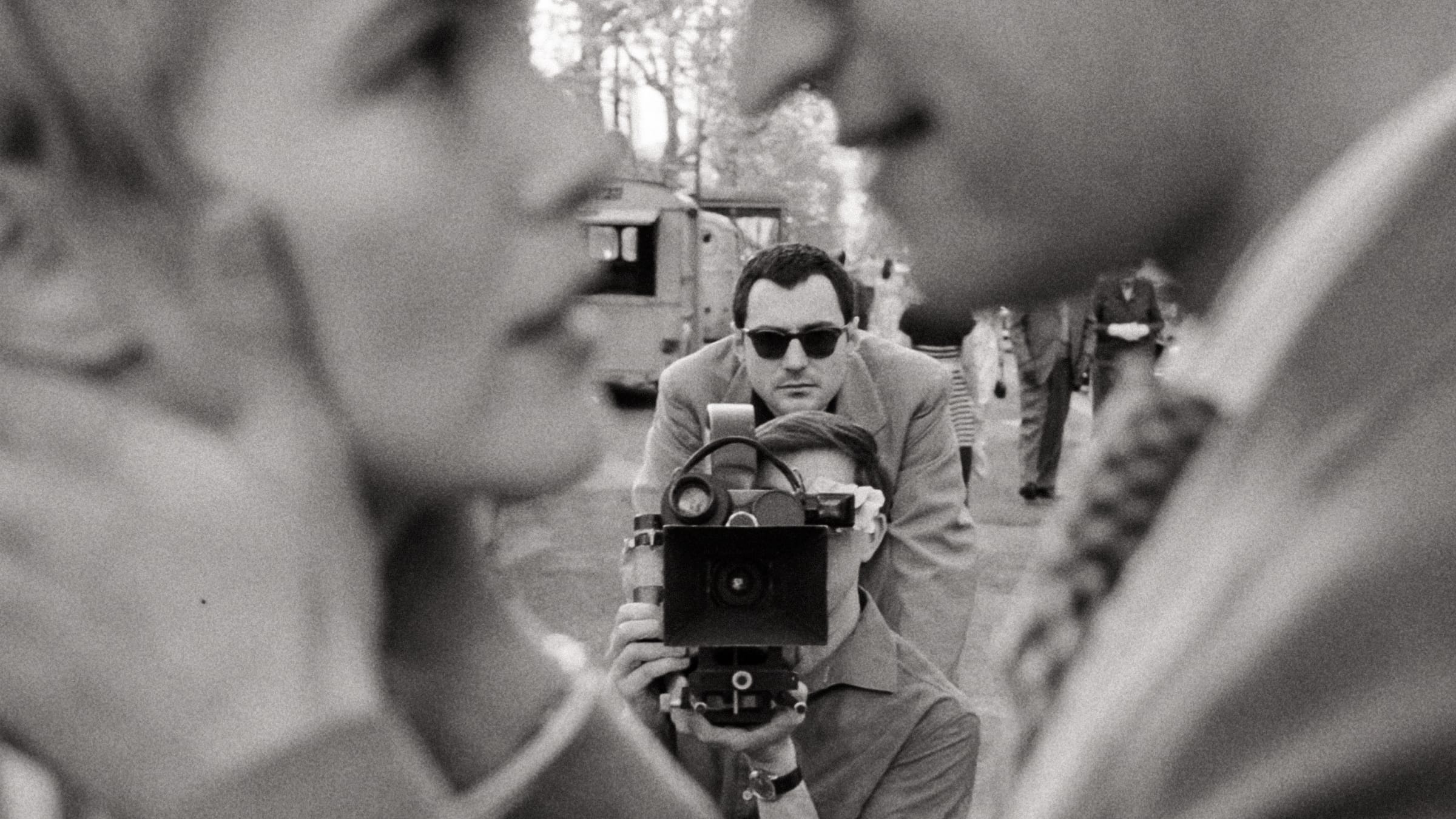
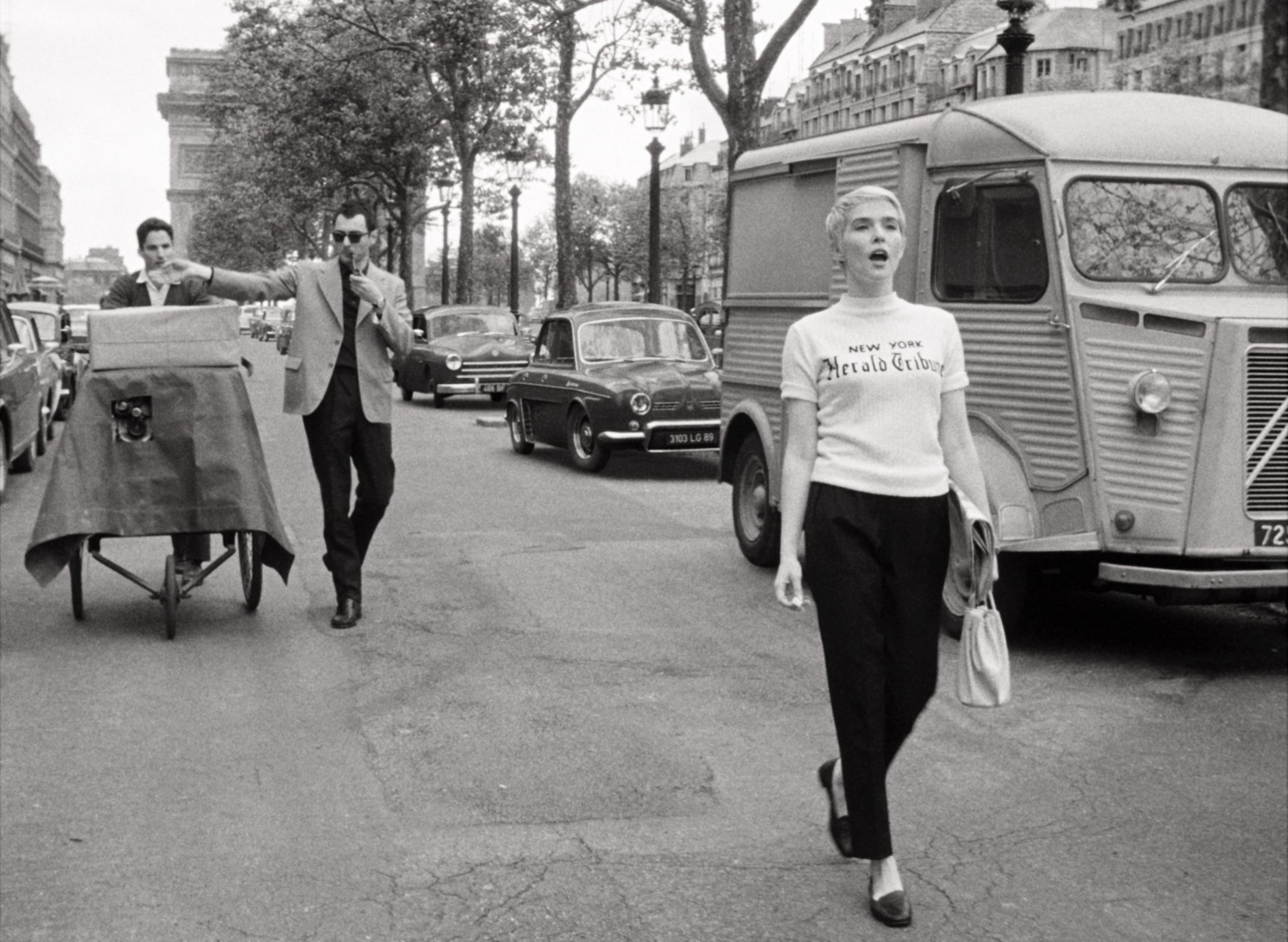
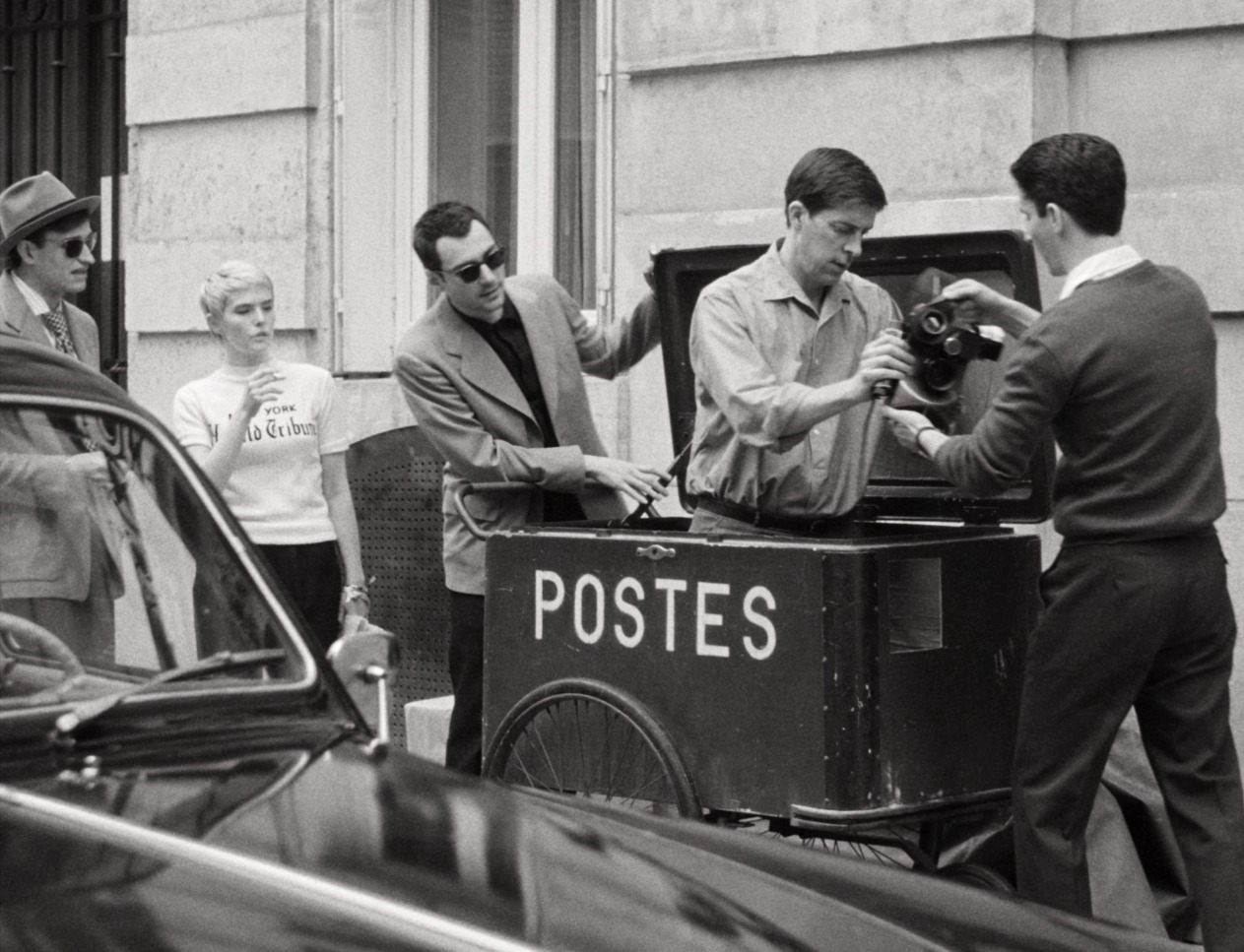
A weight of seriousness has always hung around the critics of the French film journal Cahiers du cinéma who went on to become the directors of the New Wave. Jean-Luc Godard in particular has been revered as an intellectual artist, especially among other European critics and filmmakers. With this fearsome reputation, it is hard to imagine that any of these compatriots would dare attempt to recreate the making of one of Godard’s films, let alone the iconic Breathless—and even if they did, they would be very unlikely to depict the shoot as lighthearted, experimental fun. Perhaps only an American could get away with it, and with Nouvelle Vague (2025), this is precisely what Richard Linklater has done. He makes the filming of Breathless a justification of its title, a magnificently playful, in-the-moment gamble of high stakes.
Certainly, Linklater’s wide-ranging experience, creative curiosity, high-quality filmography, and consistent concern with the promise of youth made him a uniquely apt fit for this material. It also likely helped him bypass any French resistance to an outsider dealing with the country’s cultural legacy. But another easing factor must have been that so much of the discourse within the cinephile community—particularly around the auteur theory, devised by Cahiers gurus André Bazin and Alexandre Astruc and championed in the U.S. by critic Andrew Sarris—has always been a Franco-American love affair, and Nouvelle Vague is a superb continuance of that.
The binational romance between France and the U.S. is, of course, central to the original film, in its match between an American girl in Paris, Patricia Franchini (Jean Seberg), and a young French hoodlum, Michel Poiccard (Jean-Paul Belmondo), as well as in the keen admiration for American cinema shared by the Cahiers directors—all playing supporting roles in Linklater’s film. Another such romance is central to what is probably Linklater’s best-known work, The Before Trilogy, about the enduring romance between the American Jesse (Ethan Hawke) and the French Céline (Julie Delpy), the second installment of which, Before Sunset (2004), takes place in Paris. Nouvelle Vague calls upon all of these resonances.

More: Essays
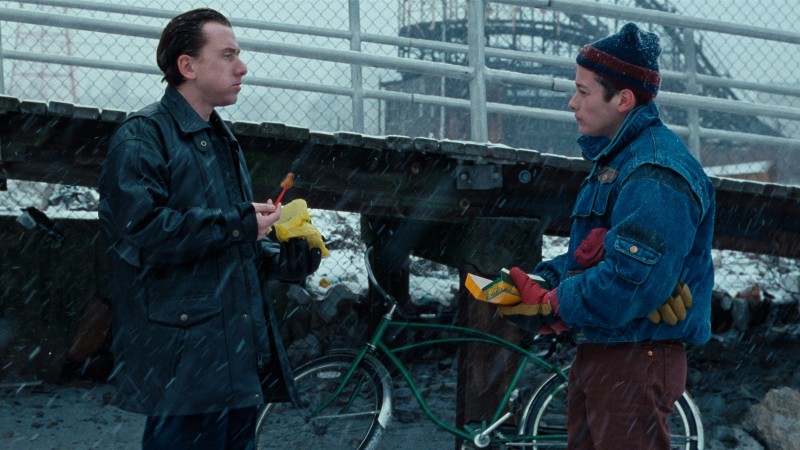
Little Odessa: He Ain’t Heavy, He’s My Brother
James Gray’s extraordinary debut feature is a painstakingly distilled tale of crime and family dysfunction, captured with a merciless gaze and a sharp attention to idiosyncratic detail.
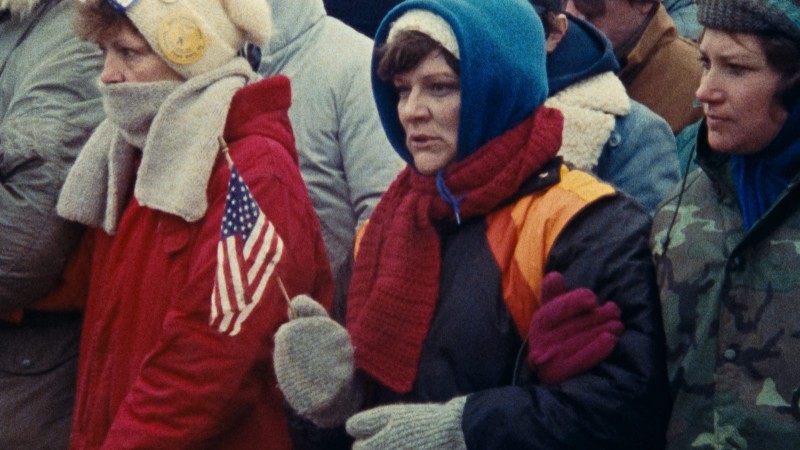
American Dream: The Time Is Right
In her second film, Oscar-winning documentarian Barbara Kopple captures the anguish and perils of disunity in the labor movement and the corrosion of union power during the Reagan era.
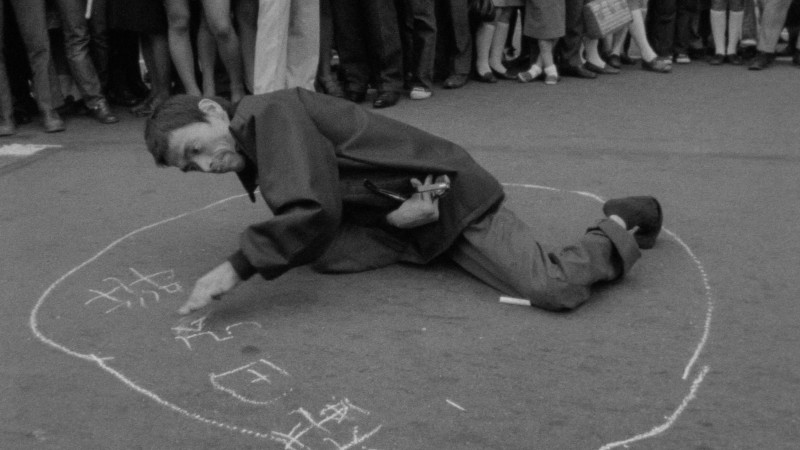
Five Radical Documentaries by Kazuo Hara and Sachiko Kobayashi: Restlessness Refusing Resolution
The pioneering husband-and-wife duo transformed the field of Japanese nonfiction cinema with their portraits of spectacular, edgy personalities and collectives under duress.
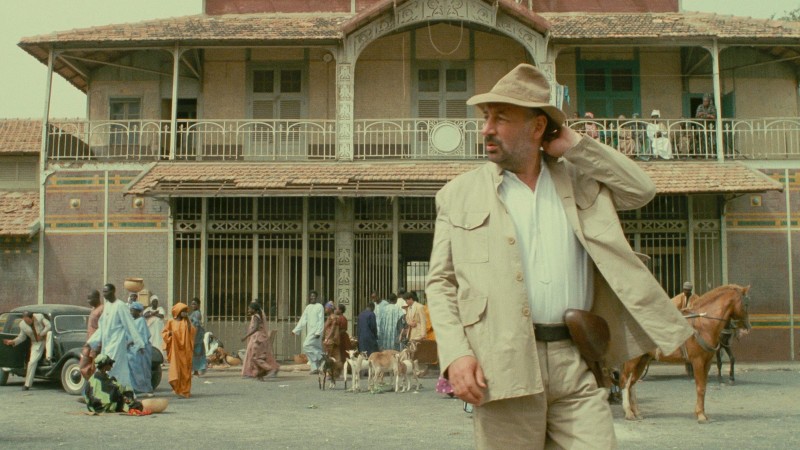
Coup de torchon: “All Crimes Are Collective”
Set in 1930s French West Africa, Bertrand Tavernier’s hard-to-classify adaptation of the Jim Thompson novel Pop. 1280 offers an apocalyptic vision of a society in which institutions have abdicated their moral authority.