The Sudanese Film Group’s Legacy of Political Resistance and Creative Liberation
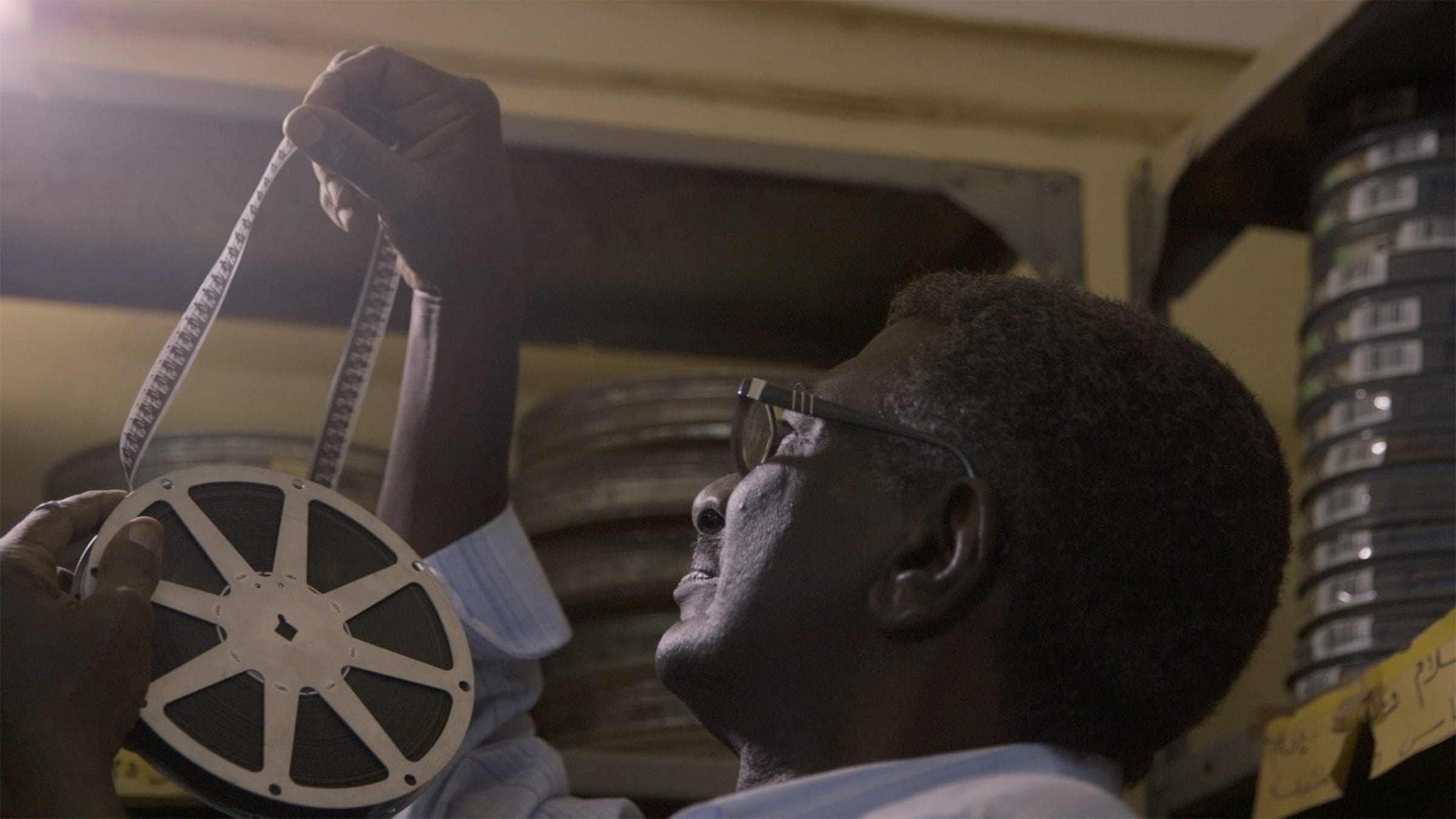
Sudan is full of film lovers. In the past, the country was famous for its open-air cinemas, where celluloid images played after sundown amid the hot desert climate. Before the advent of television, these venues were the primary source of entertainment for families; later, they became a refuge for young people seeking excitement and ways to get out of the house. Post–British colonization, starting in the 1950s, local audiences thrived on a steady diet of Egyptian melodramas, Bollywood musicals, and Bruce Lee action movies, and in metropolitan areas, smaller art films flourished in community spaces. However, starting in the ’70s, the number of movie theaters began to dwindle on account of disinvestment. And due to a lack of infrastructure, local film production has never been able to fully thrive, despite the emergence of a few pioneering filmmakers, like Gadalla Gubara in the 1970s.
The Sudanese Film Group was formed in 1989 with the mission of promoting cinema culture, with an emphasis on boosting both exhibition and production. Four years earlier, a popular uprising ended the sixteen-year dictatorship of Jaafar Nimeiri. Suddenly, hope filled the hearts of the Sudanese people, and democracy and a more equal society seemed possible. With the dream of an artistic renaissance now an achievable goal, Ibrahim Shaddad, Eltayeb Mahdi, and Suliman Mohamed Ibrahim Elnour—founding members of the Sudanese Film Group—sought freedom of expression and wanted to continue the grassroots movement that had taken down the corrupt oligarchy. They had gotten to know one another during their years of working within the Sudanese government’s Ministry of Culture, and had even collaborated on publishing a film journal.
Shaddad, Mahdi, and Elnour had all studied film in Eastern Europe in the seventies and were influenced by leftist ideals. They took inspiration from these experiences abroad, and from the Pan-African and Pan-Arab radical movements taking shape at the time. Their optimism was cut short, though, by a military coup d’état just a few months after they had formed their group. For the next thirty years, Sudan would be ruled by authoritarian military men and their Islamist technocrat partners. The coup’s leader, Omar al-Bashir, would completely change the fabric of the country, leaving no space for cultural enrichment. The Sudanese Film Group was targeted, and Shaddad was arrested and interrogated for pushing a foreign and antigovernment agenda.

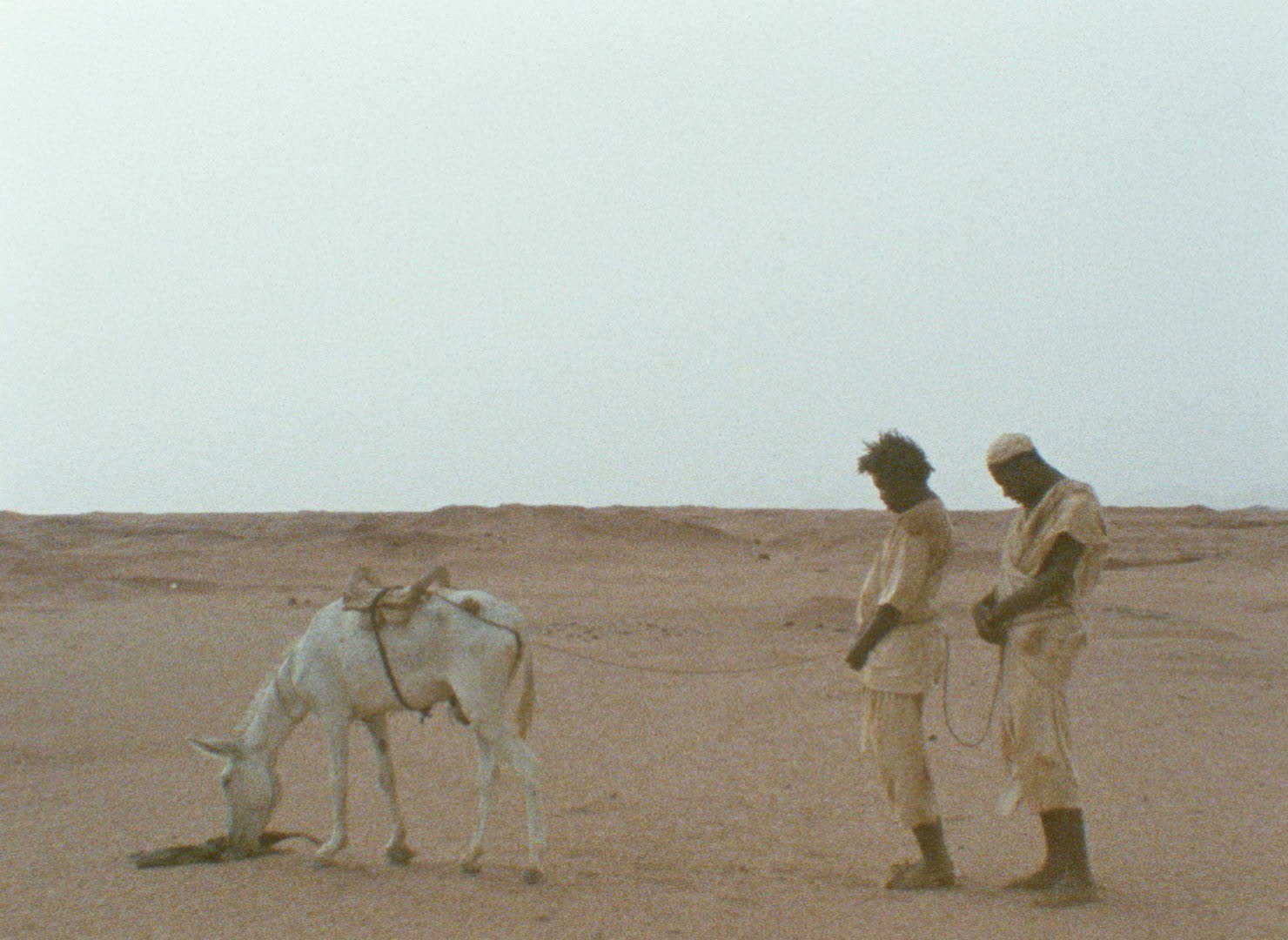
The films that the trio made before they established the SFG give a sense of their shared goals. These works draw on symbolism, folklore, and local traditions to tell radical, forward-looking, and distinctly Sudanese stories that range from the historical to the observational to the expressionistic. Among the highlights is Shaddad’s The Rope (1984), which starts with a shocking image of a crying infant being covered in a white cloth and then punched to death. What follows is an exploration of a 1822 massacre that thwarted the Sudanese people’s attempts to revolt against their colonizers, a traumatic event allegorized through the story of two blind men leading a donkey (or is it leading them?) across the Sahara Desert. Shaddad repeatedly cuts to an image of a fez, the traditional hat worn by the elite Turkish classes, signifying a foreign colonial presence. Foreboding music merges with the sound of the haboob (the Sudanese Arabic word for the big, gusty winds characteristic of the region), while vultures circle overhead, thickening the atmosphere with unease. Taken together, these elements turn the film into a sustained meditation on history and the burdens that persist long after the violence is over. Nothing much happens, because nothing much changes. This use of repetition and stasis can be found in an earlier film by Shaddad, the 1981 documentary A Camel, which depicts the titular animal turning a sesame mill in a never-ending circle of forced labor. The only sound we hear is the camel’s moaning, an abstracted representation of painful and devalued servitude.
Like The Rope, Eltayeb Mahdi’s The Tomb (1978) is a fictional film that engages with real-life events. Sudanese folklore provides the framework for examining the nature of authority and how people create belief systems to avoid confronting an intolerable reality. The protagonist is the keeper of a holy man’s tomb who purports to be a conduit between God and the human realm. Claiming to be able to cure ailments and make dreams come true, he is transparently exploiting his fellow villagers—but are they really so gullible, or do they just need an alternative vision of life to escape into? Faith in spirits and the afterlife is an integral part of Sudanese society, and Mahdi takes a subtle approach to confronting these beliefs, using sparse dialogue and symbolic images that allow audiences to draw their own conclusions.

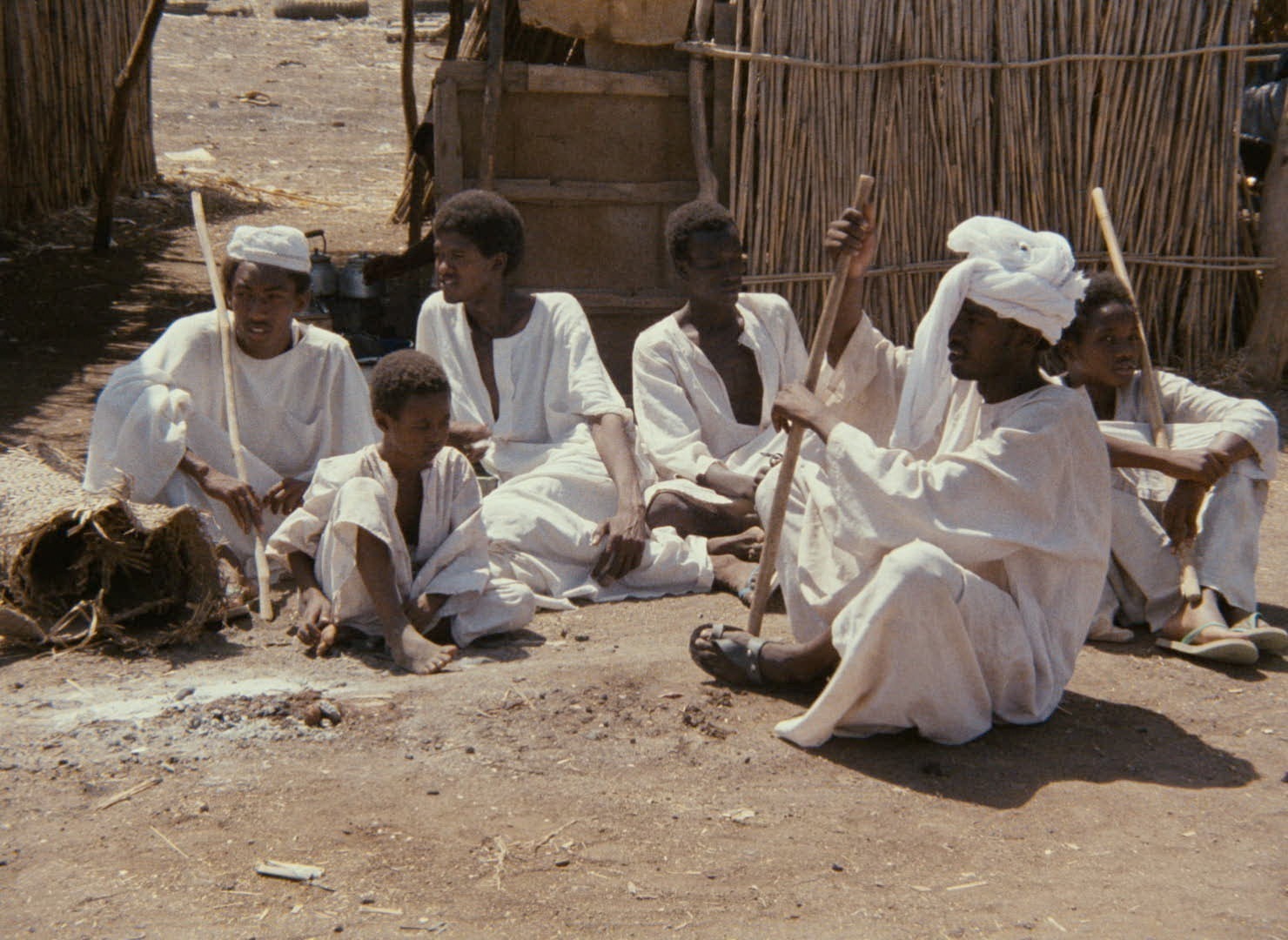
Mahdi’s equally compelling The Station (1989) focuses on the slow rhythms of everyday life at a traditional resting place (al mahatta), a space defined by stillness and waiting. In this microcosm of Sudanese society, people gather, lounge, and do very little in a narrative sense. Their state of repose—a metaphor for the nation’s endurance—is disrupted by a sudden intrusive alarm, the sound of distant geopolitical violence penetrating this enclosed society. Subtle signs of colonial influence also appear on the trucks that bring goods into the station. The film evokes the quiet persistence of life in a communal space beset by global pressures.
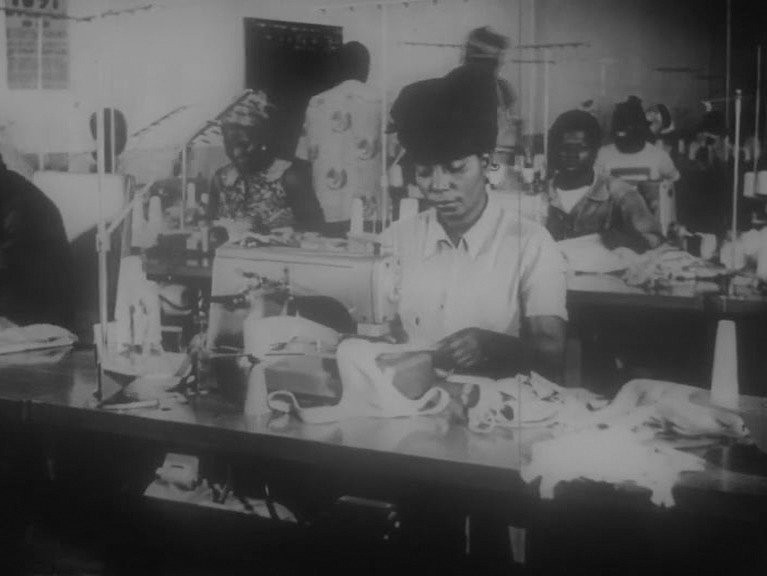
Unlike these works by Shaddad and Mahdi, Africa, the Jungle, Drums and Revolution (1979) is rooted in an outsider’s perspective. Elnour’s graduation thesis film, made while he was studying at the VGIK school in Moscow, juxtaposes archival footage of African heroes and traditional dancing with man-on-the-street interviews with Russian citizens sharing their preconceived notions about Africa. Some of the people whom Elnour engages are well-meaning, with generally positive and inclusive attitudes. But the film reveals a jaundiced and exoticized view of the continent, influenced by colonial depictions that have long permeated the Global North. By documenting such casual ignorance and racism, Elnour’s film anticipates the contemporary discourse around how the racialized gaze can shape our understanding of entire cultures.

As these works demonstrate, the members of the Sudanese Film Group did not make films for mass consumption, as did many of the filmmakers in neighboring Egypt, which had a thriving and commercial movie industry at the time. In contrast, the SFG eschewed the influence of Hollywood and pushed for social change. Using a patient sense of pacing and innovative editing techniques, as well as a storytelling style that made minimal use of dialogue and character psychology, they challenged audiences and took a bold stance in favor of artistic expression.
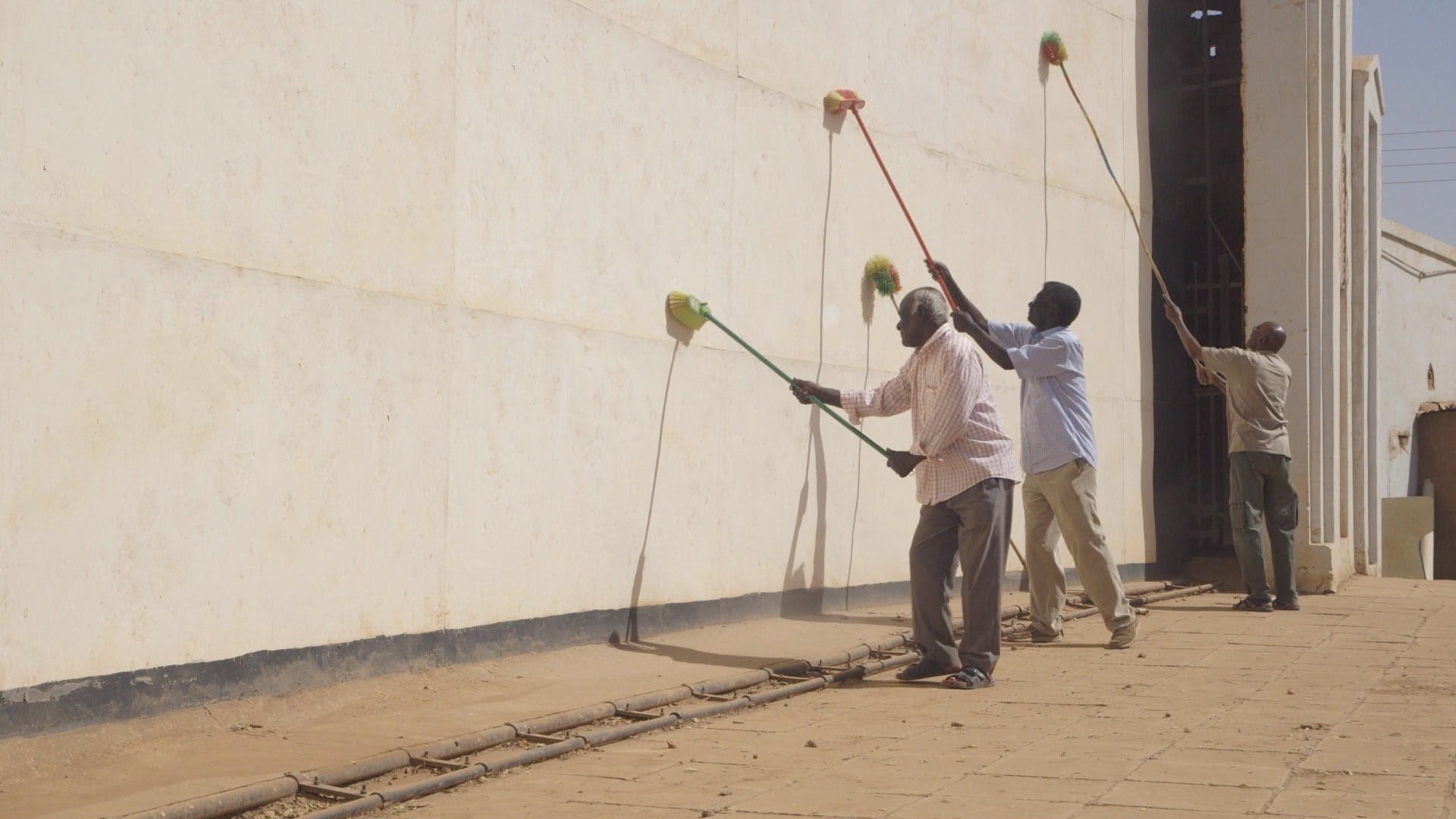
Though the group’s work was interrupted by political upheaval, the men have continued to advocate for cinema’s place in their local culture. Documentarian Suhaib Gasmelbari’s Talking About Trees (2019) catches up with the SFG in middle age. In the film, Shaddad, Mahdi, and Elnour are still friends, and are attempting to revive a dilapidated theater in Khartoum, an effort that requires them to communicate with the authoritarian government. Despite the hurdles they encounter, the tone of the film is playful and optimistic. Its best moments show the trio reminiscing about the projects they haven’t had the chance to make. And while there is heartache in their voices as they recall the arrests and interrogations they experienced under Bashir’s rule, their passion is evident and undiminished.

Gasmelbari’s film, which played at many festivals around the world, has bolstered the SFG’s legacy and led to a revival of their work. Over the past several years, the aesthetic language these pioneers developed has been adopted by a new generation of filmmakers who are carrying the torch for Sudanese cinema into the present. Shaddad’s indelible images of a camel circling around in futility are referenced in 2025’s Khartoum, a documentary directed by a collective of Sudanese filmmakers consisting of Rawia Alhag, Timeea Mohamed Ahmed, Anas Saeed, and Ibrahim Snoopy Ahmad. A chronicle of the fall of Bashir’s dictatorship, the film also explores the aftermath of the revolution, which gave rise to another military coup and the 2023 war that continues to batter the people of Sudan.
At a time when the country is once again engulfed in turmoil, looking back on the films of the SFG is all the more inspiring. The fact that Shaddad, Mahdi, and Elnour were able to accomplish what they did years ago remains a source of hope for young directors today, like the makers of Khartoum, as well as Suzanna Mirghani, whose feature debut, Cotton Queen, premiered at the Venice International Film Festival last year. These artists are contending with new challenges, including war and displacement, but like their predecessors, they continue to overcome extraordinary odds to bring their visions to life.
More: Features
Get Me Out of Here: Harry Dean Stanton in Straight Time
In one of his greatest performances, the celebrated actor shows off his range by fusing the two modes that defined his career: the misanthropic provocateur and the soulful survivor-witness.
Věra Chytilová’s Boldly Antiauthoritarian Take on Teen Horror
A characteristically rebellious work from the Czechoslovak New Wave pioneer, Wolf’s Hole explores the perilous absurdities of groupthink through the story of eleven youths held captive at a skiing retreat.
The Tawdry, Opulent World of James Bidgood’s Underground Classic Pink Narcissus
A labor of love made for cheap in its director’s Manhattan apartment, this audacious queer fantasia endures not only because of its frank sexuality but also its gentle, honest heart.
Speaking Nearby: Kimi Takesue’s Itinerant Gaze
A keen and patient observer who has taken her camera to such far-flung destinations as Peru, Laos, and Uganda, the acclaimed filmmaker immerses viewers in unfamiliar situations that highlight the fluid dynamics of human interaction.