Anthologized: The World of W. Somerset Maugham On-Screen
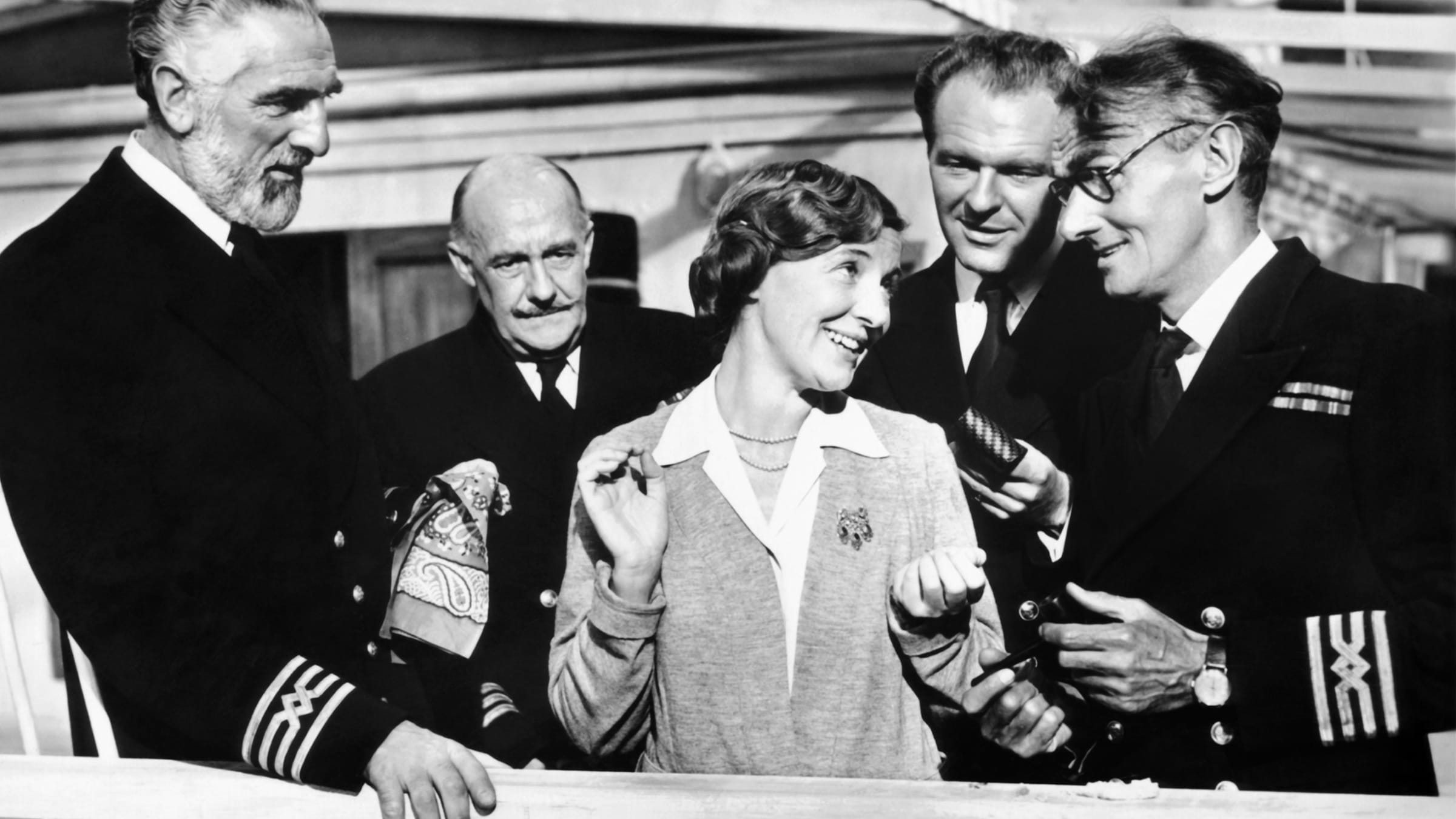
Since the silent era, filmmakers and audiences have been drawn to a form that has been variously known as the omnibus film, the anthology film, the sketch film, and—my preferred term, for its image of a big bag with jumbled-up contents—the portmanteau. Despite the appeal of these multi-episode works, some viewers have objected to what Jonathan Rosenbaum calls their “invariably uneven” quality—an accusation that, he points out, could be made against any short-story collection ever published. On the other hand, those who gravitate to portmanteau films see their unevenness as a possible advantage; if you didn’t enjoy the last thirty minutes, you may like the next half-hour much better. Over the years, directors as varied as Roger Vadim, Woody Allen, and Quentin Tarantino have contributed to this mini-genre, experimenting with short lengths that wouldn’t fly for a standalone release, and extending a rich tradition that dates back to the early years of cinema.
The portmanteau became increasingly popular in the 1940s on both sides of the Atlantic, with filmmakers using the structure to riff on a single motif or subject. The form gained a foothold in the United States with two films by Julien Duvivier: Tales of Manhattan (1942), punningly titled for the tailcoat that links the episodes as it changes hands, and Flesh and Fantasy (1943), where the stories are connected by their supernatural themes. Also released around the same time were Forever and a Day (1943), made by seven different directors to support the British war effort, and Dead of Night (1945), a suite of interlocking horror stories that remains one of the best anthology movies ever made.


More: Features
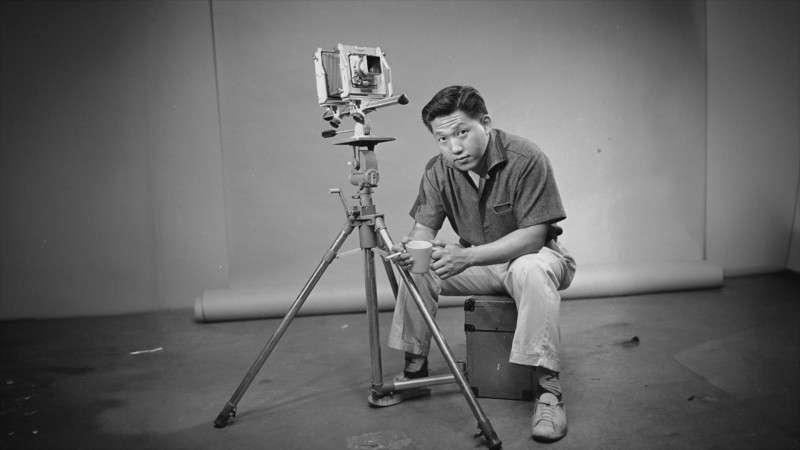
The Banner Is Raised: Robert A. Nakamura’s Groundbreaking Activist Cinema
The pioneering filmmaker paved the way for generations of Asian American artists with his depictions of historical traumas, including the incarceration of Japanese Americans during World War II.
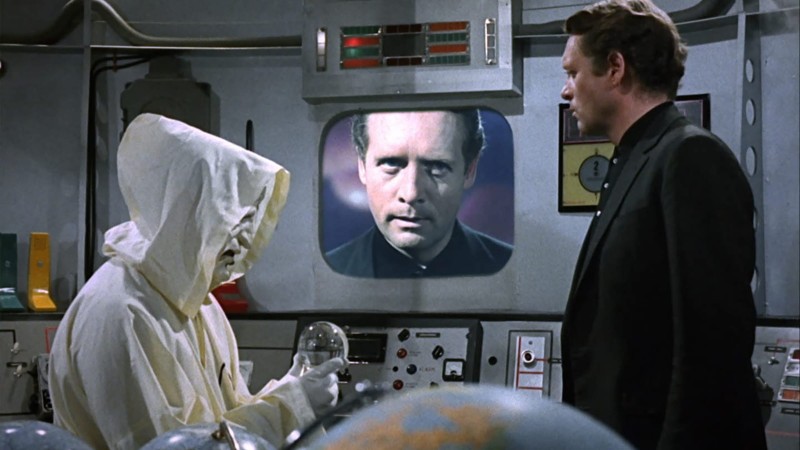
Once Upon a Time: Patrick McGoohan’s The Prisoner
One of the most passionately analyzed shows in television history is a mind-bending investigation of free will and modern surveillance culture, told with an audacious blend of symbolism, philosophy, and avant-garde surrealism.
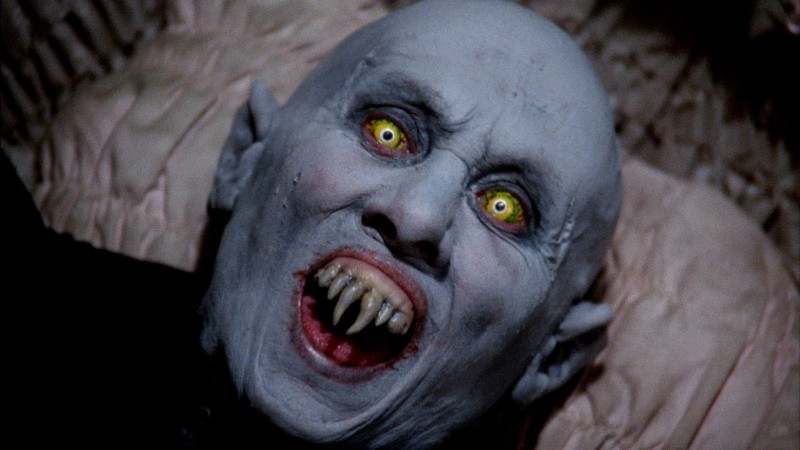
Terror on the Airwaves
In the 1970s, up-and-coming mavericks like Steven Spielberg and John Carpenter honed their craft by bringing a taste of the grindhouse to the small screen.
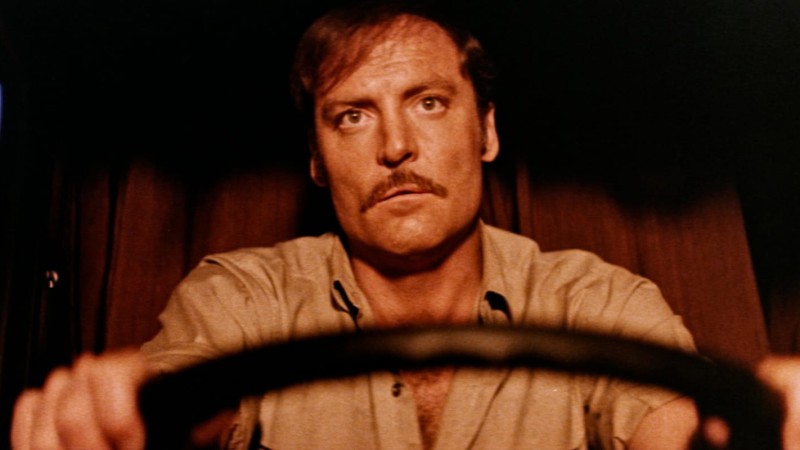
Death Is a Highway
Classics of highway horror, like Road Games, The Appointment, and Race with the Devil, present the open road as a dangerous landscape and automobiles as single-minded killing machines.