Jacques Rivette Envisions a More Human Joan of Arc
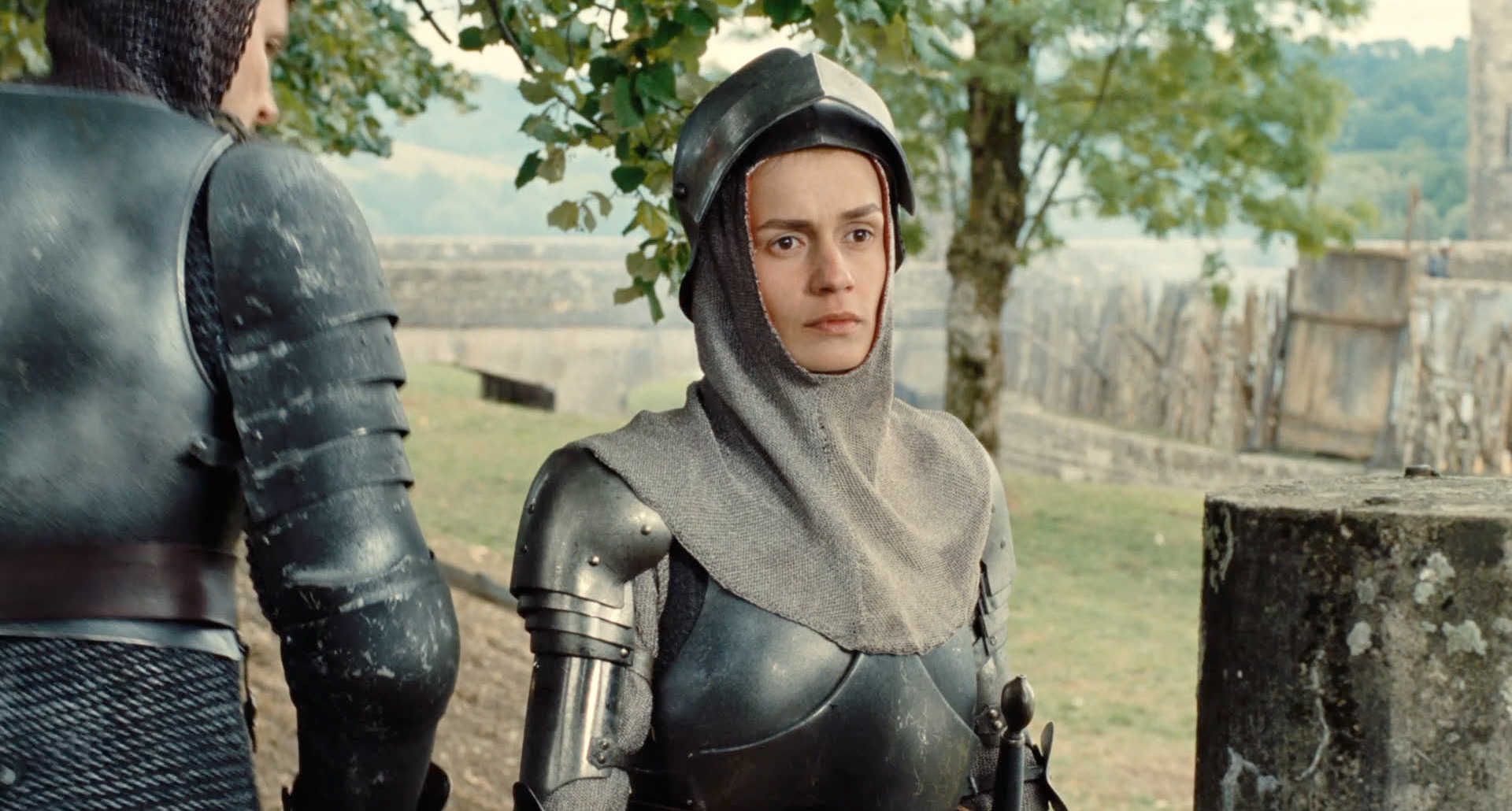
It was hardly an auspicious beginning, when the sixteen-year-old girl calling herself Jeanne la Pucelle arrived at the French court in February of 1429. Here was a young woman, a provincial illiterate in men’s clothes and with her hair cut short, who claimed to have been sent by God. While working in her garden in the village of Domrémy, she had received a series of ecstatic visions, all instructing her to drive out the English invaders and reunite the shattered kingdom of France under the Dauphin Charles, whom she would deliver personally to be coronated in the holy city of Reims. All the court had to do was hand the teenaged mystic command of the royal army, and turn her loose on the besieged city of Orléans.
That the young woman we now call Joan of Arc would achieve all this—and more—is the stuff of national and religious myth. Yet one wonders how, in the moment, this messenger and her convictions must have appeared to the people around her. Is it even possible to know the person behind the myth? This is the task that Jacques Rivette set for himself with Joan the Maid, his epic historical drama from 1994. The French New Wave legend had felt connected to Joan from his childhood in the ancient city of Rouen, where the saint and martyr was convicted of heresy and burned at the stake in 1431. Yet it was only after the international success of 1991’s Cannes Grand Prix–winning La belle noiseuse that the director could assemble the budget to make a proper film about her.
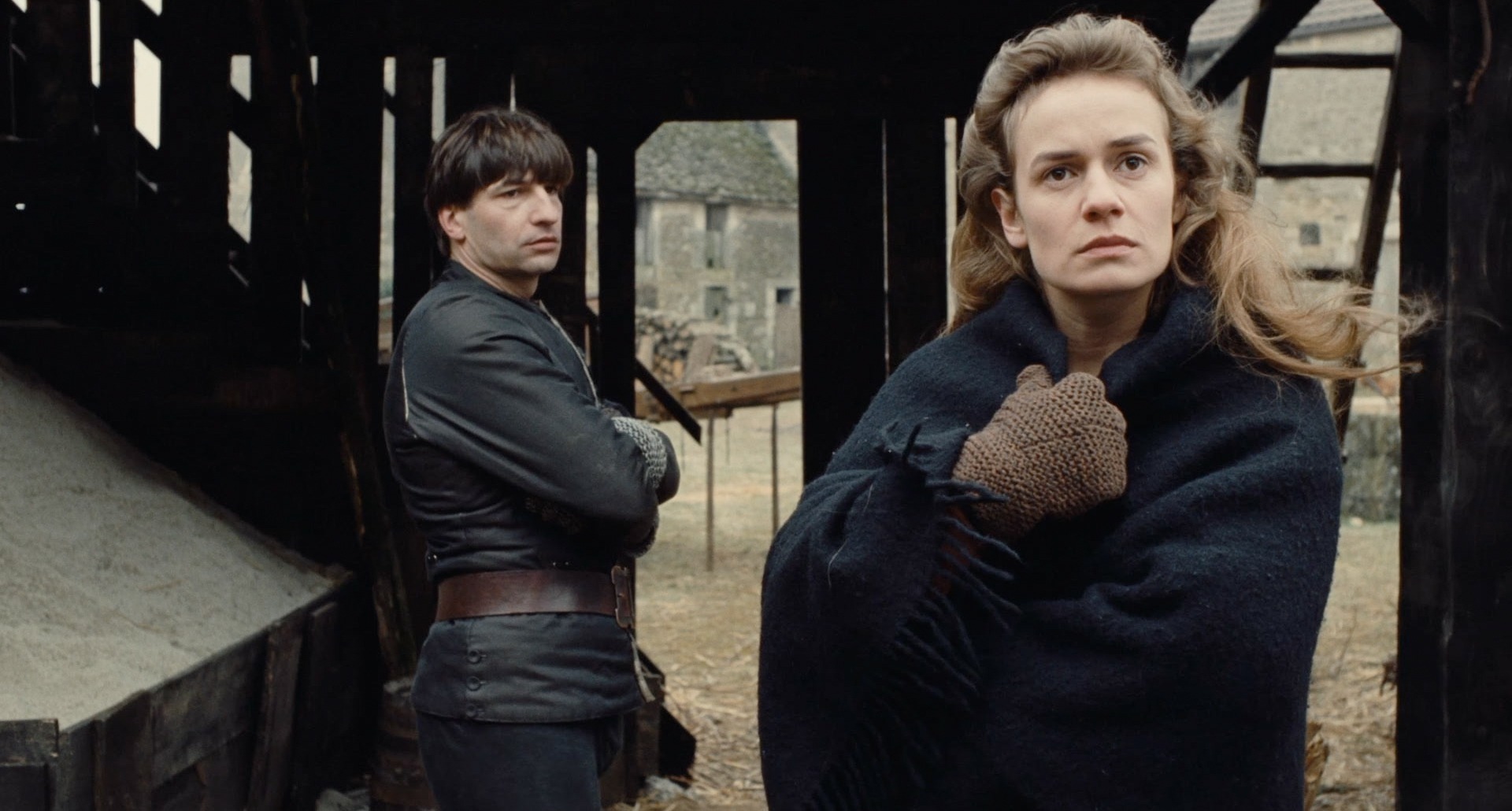
Divided into two parts, The Battles and The Trials, Rivette’s film tells Joan’s story from her first appearance in the walled town of Armagnac to her public execution at the age of nineteen—a three-year period that excludes both her formation and her holy visions. The Maid (art-house icon Sandrine Bonnaire) arrives in the film, then, as a figure of stubborn conviction, privy to a message and mission that we have not seen. When she demands to be taken to see the Dauphin, the authorities doubt her, and dismiss her outright. She spends the rest of The Battles proving herself to them and the whole of The Trials being punished for it.


More: Features
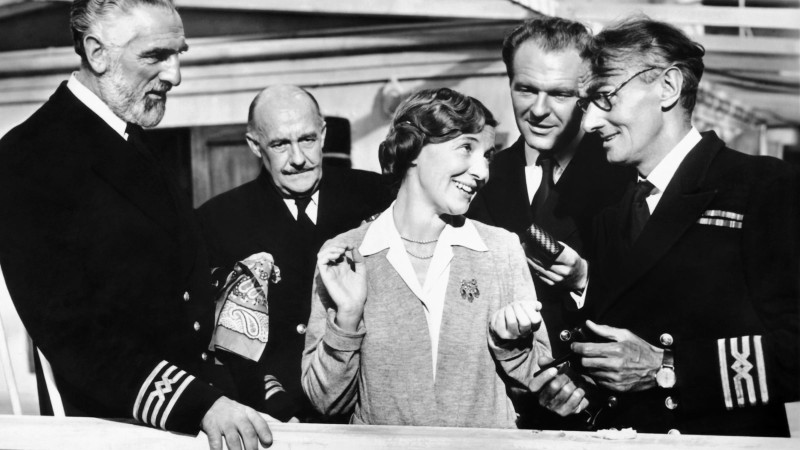
Anthologized: The World of W. Somerset Maugham On-Screen
The elegantly crafted portmanteau films Quartet, Trio, and Encore adapt twelve spellbinding tales of deception and passion from one of the best-selling authors of the twentieth century.

The Inner Worlds of Neon Genesis Evangelion
A Japanese-television phenomenon that sparked a boom in anime production and fandom, Hideaki Anno’s magnum opus is a mind-bending mix of kinetic action, sci-fi spectacle, and introspective human drama.
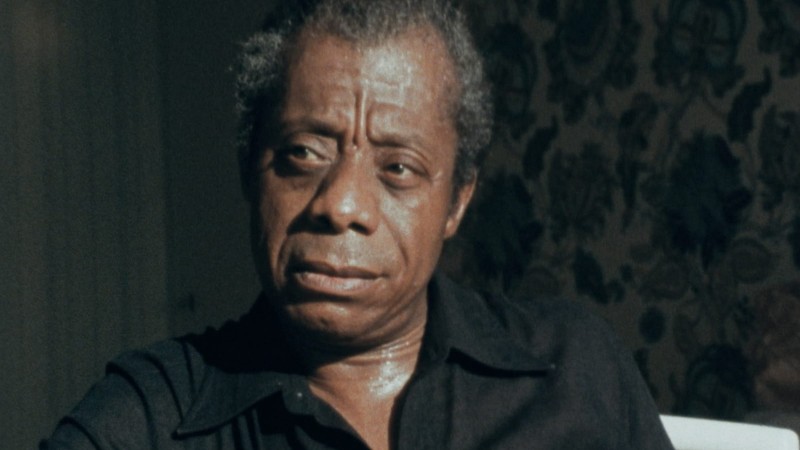
James Baldwin Looks Back
The illuminating 1982 documentary I Heard It Through the Grapevine follows the celebrated author on a journey through the American South, as he attempts to reckon with the legacy and losses of the civil rights movement.
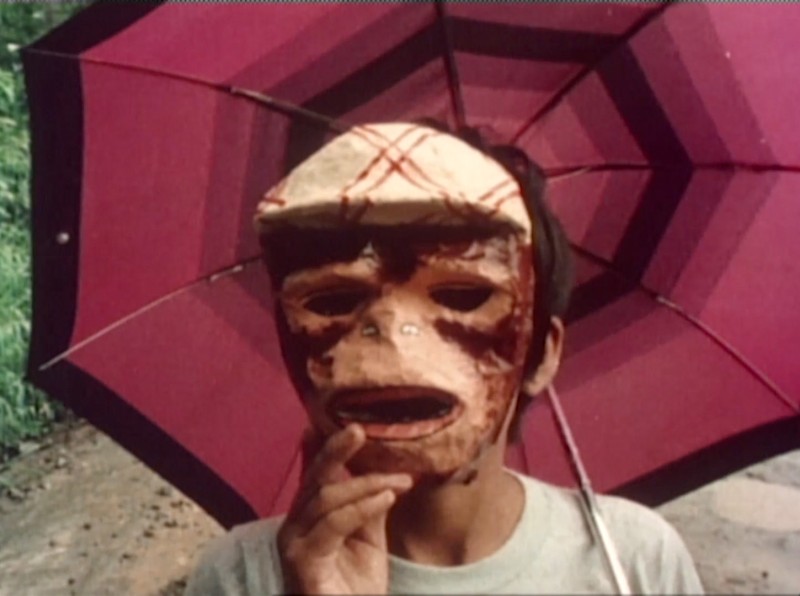
Small Town, Big Money: Capitalism Runs Amok in Turumba
In Kidlat Tahimik’s playful and unpredictable film, a Philippine village is tasked with manufacturing thousands of figurines for the Olympic Games, upending the lives and customs of the local population.