Salò, or The 120 Days of Sodom

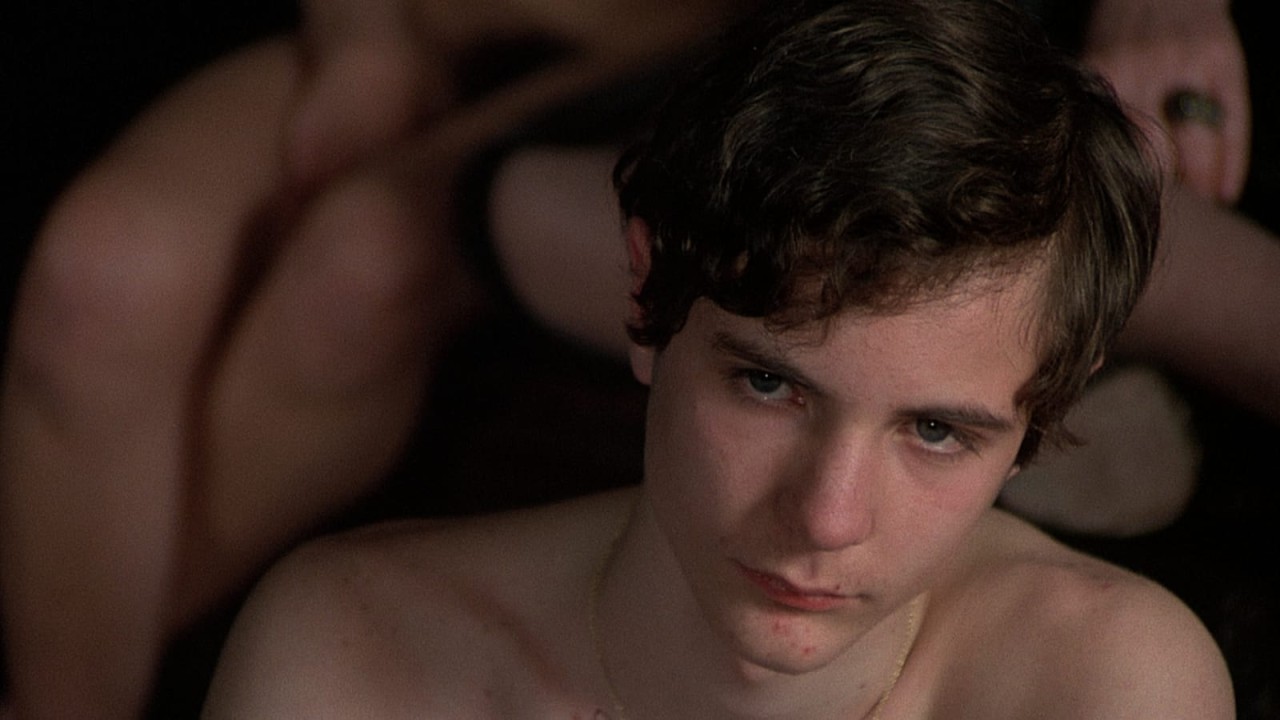
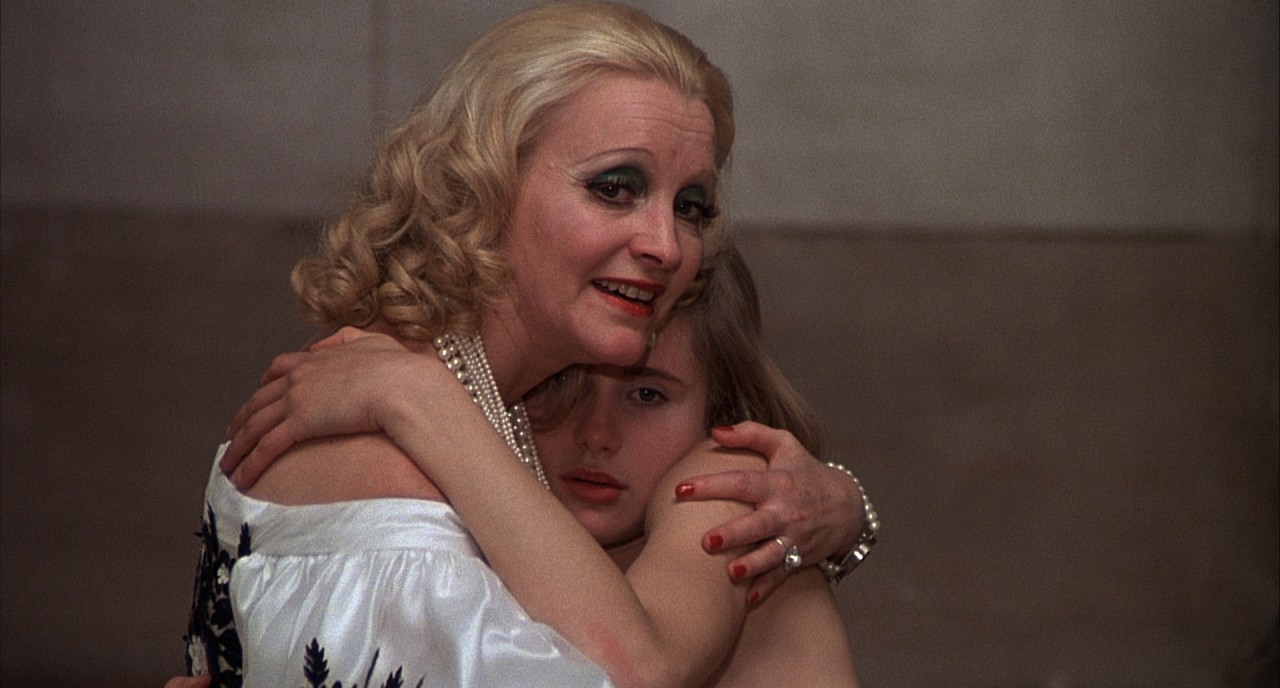
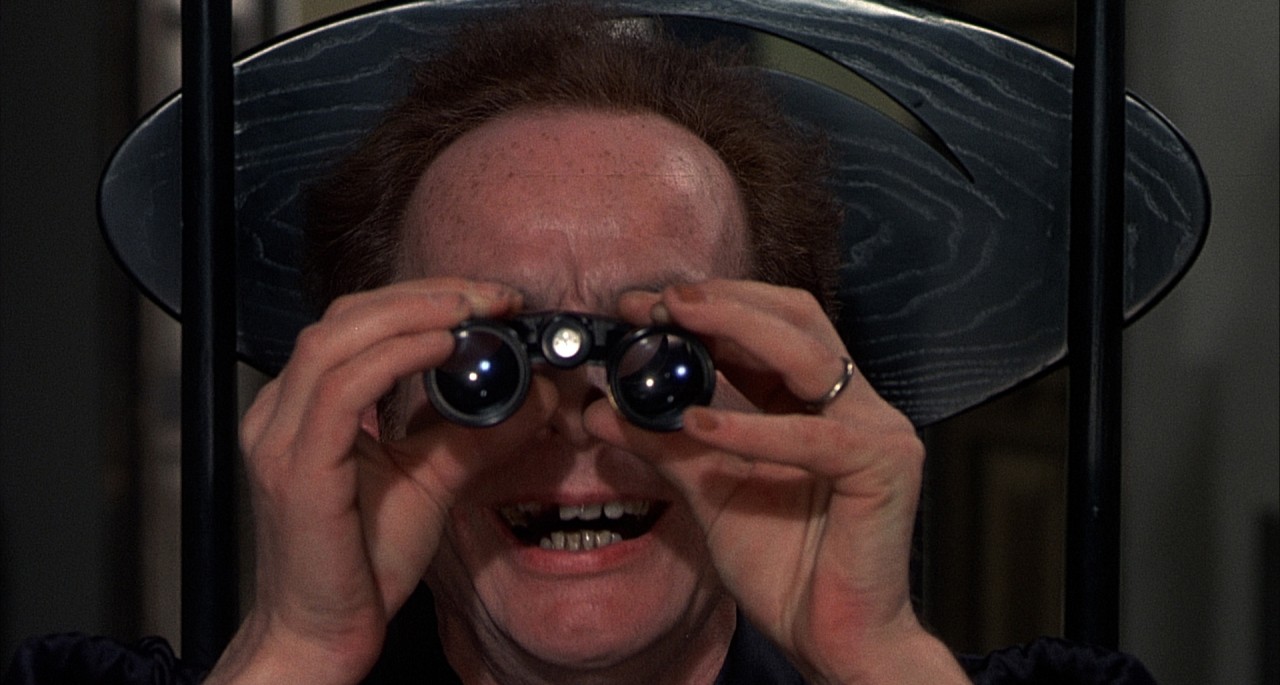
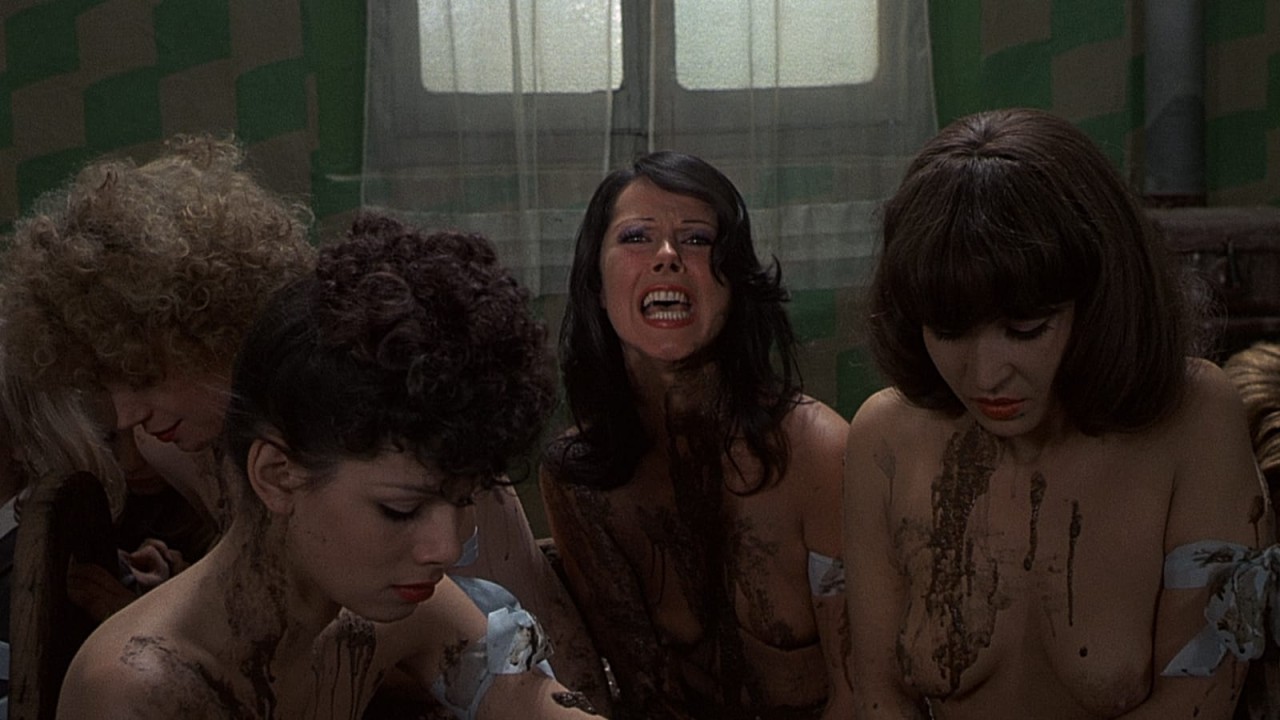
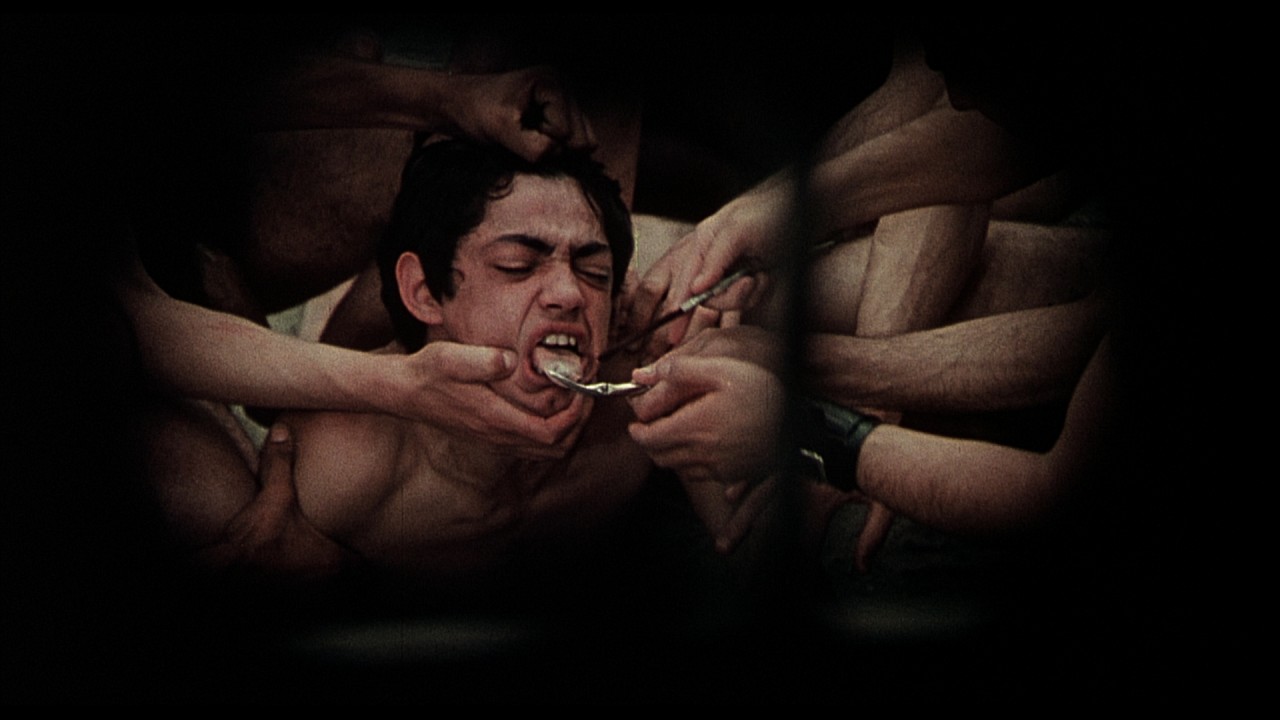
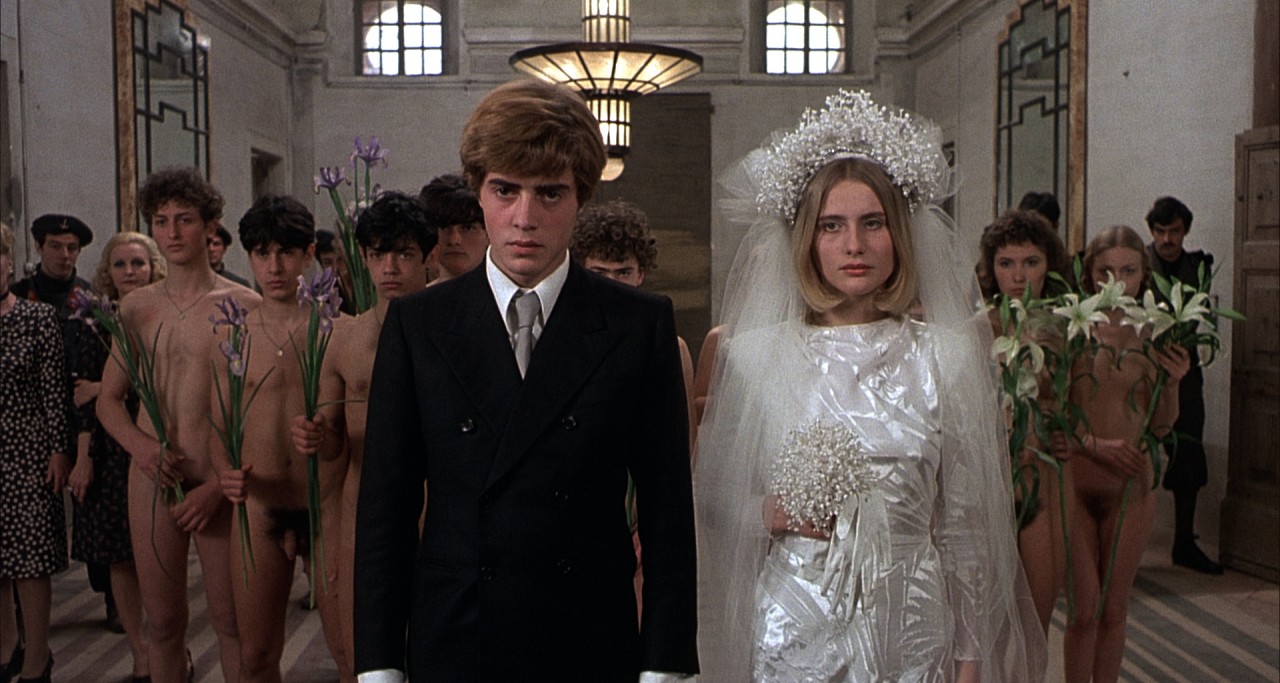
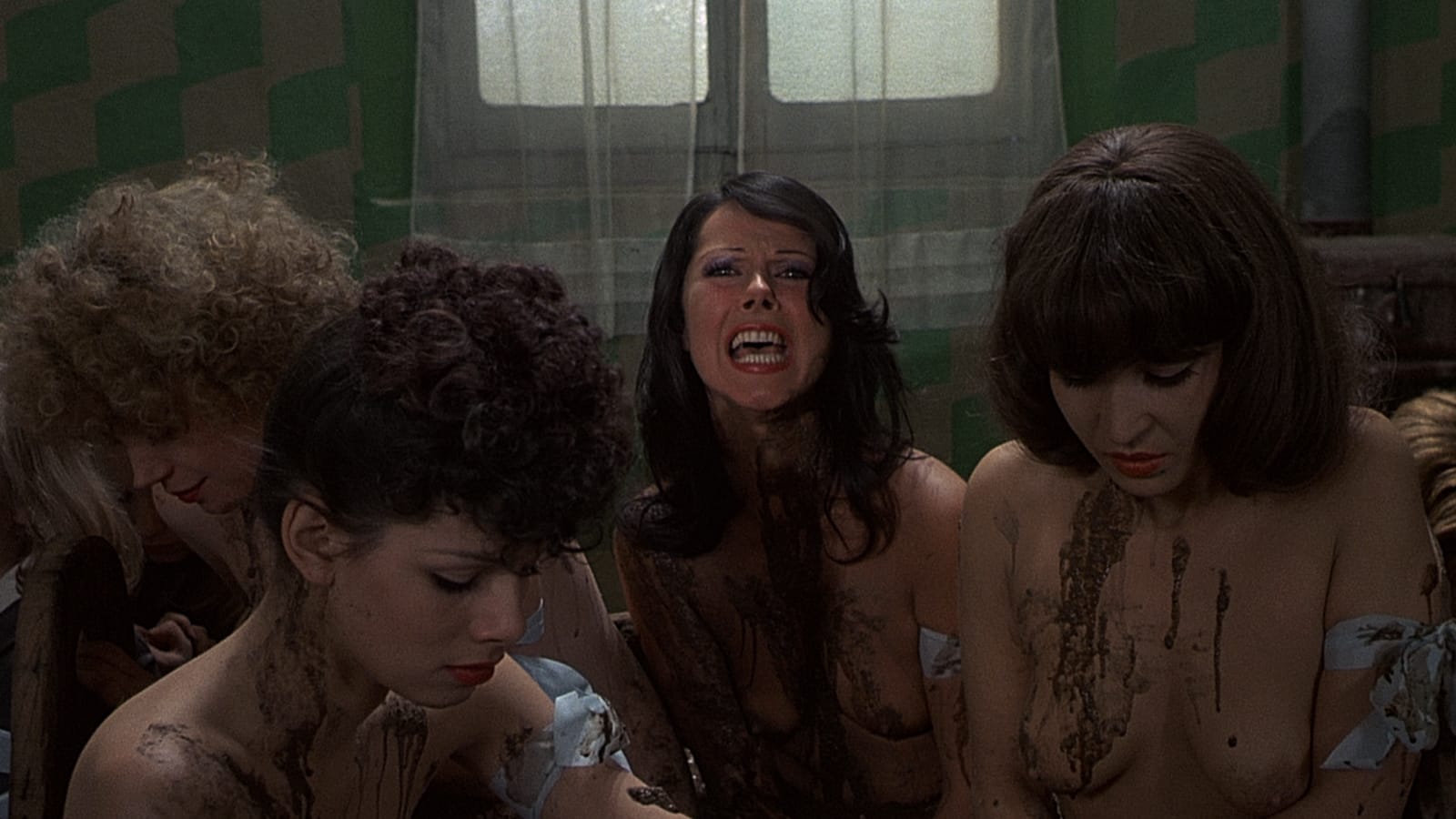
The notorious final film from Pier Paolo Pasolini, Salò, or The 120 Days of Sodom has been called nauseating, shocking, depraved, pornographic . . . It’s also a masterpiece. The controversial poet, novelist, and filmmaker’s transposition of the Marquis de Sade’s eighteenth-century opus of torture and degradation to Fascist Italy in 1944 remains one of the most passionately debated films of all time, a thought-provoking inquiry into the political, social, and sexual dynamics that define the world we live in.
BLU-RAY SPECIAL EDITION FEATURES
- New, restored high-definition digital transfer, with uncompressed monaural soundtrack
- "Salò": Yesterday and Today, a thirty-three-minute documentary featuring interviews with director Pier Paolo Pasolini, actor-filmmaker Jean-Claude Biette, and Pasolini friend Nineto Davoli
- Fade to Black, a twenty-three-minute documentary featuring directors Bernardo Bertolucci, Catherine Breillat, and John Maybury, as well as scholar David Forgacs
- The End of "Salò", a forty-minute documentary about the film’s production
- Video interviews with set designer Dante Ferretti and director and film scholar Jean-Pierre Gorin
- Optional English-dubbed soundtrack
- Theatrical trailer
- PLUS: Essays by Roberto Chiesi and Naomi Greene, and essays by Neil Bartlett, Breillat, Sam Rohdie, and Gary Indiana, and excerpts from Gideon Bachmann’s on-set diary
New cover by Rodrigo Corral
BLU-RAY SPECIAL EDITION FEATURES
- New, restored high-definition digital transfer, with uncompressed monaural soundtrack
- "Salò": Yesterday and Today, a thirty-three-minute documentary featuring interviews with director Pier Paolo Pasolini, actor-filmmaker Jean-Claude Biette, and Pasolini friend Nineto Davoli
- Fade to Black, a twenty-three-minute documentary featuring directors Bernardo Bertolucci, Catherine Breillat, and John Maybury, as well as scholar David Forgacs
- The End of "Salò", a forty-minute documentary about the film’s production
- Video interviews with set designer Dante Ferretti and director and film scholar Jean-Pierre Gorin
- Optional English-dubbed soundtrack
- Theatrical trailer
- PLUS: Essays by Roberto Chiesi and Naomi Greene, and essays by Neil Bartlett, Breillat, Sam Rohdie, and Gary Indiana, and excerpts from Gideon Bachmann’s on-set diary
New cover by Rodrigo Corral
Cast
- Paolo Bonacelli
- Duke
- Giorgio Cataldi
- Bishop
- Umberto P. Quintavalle
- Magistrate
- Aldo Valletti
- President
- Caterina Boratto
- Signora Castelli
- Elsa De Giorgi
- Signora Maggi
- Hélène Surgère
- Signora Vaccari
- Sonia Saviange
- Pianist
Credits
- Director
- Pier Paolo Pasolini
- Writer
- Pier Paolo Pasolini
- With collaboration from
- Sergio Citti
- Producer
- Alberto Grimaldi
- Musical coordinator
- Ennio Morricone
- Director of photography
- Tonino Delli Colli
- Editor
- Nino Baragli
- Production design
- Dante Ferretti
- Costume design
- Danilo Donati


1/8

2/8

3/8
4/8

5/8

6/8

7/8

8/8