The Tales of Hoffmann

Of the 18 movies made by the filmmaking team of Michael Powell and Emeric Pressburger, none was as personally and artistically fulfilling as The Tales of Hoffmann. This dazzling screen adaptation of the Offenbach opera—a visual, sonic, and sensual delight—marked the capstone of their work together, and the end of an era in British cinema.
The Tales of Hoffmann, presented here for the first time in America in its complete 127-minute running time, is a miraculous convergence of talents from the worlds of cinema, music, and the ballet. Powell and Pressburger were two of the most celebrated filmmakers in the world, responsible through their production company, The Archers, for The Red Shoes, Black Narcissus, Stairway to Heaven, I Know Where I’m Going!, A Canterbury Tale, and The Life and Death of Colonel Blimp. It was Sir Thomas Beecham, who had conducted “The Red Shoes Ballet” in The Red Shoes, who first suggested to Powell and Pressburger that they do an operatic film. After some discussion, they agreed that Jacques Offenbach’s 1881 opera The Tales of Hoffmann, with its unusual narrative structure and fantastic plotline, afforded the best opportunity for Powell to realize his long-cherished goal, of “composing” a film to music.
The next step was for The Archers to convince Sir Alexander Korda, the head of London Films, which was financing their films, that Hoffman would work as a movie. Korda was persuaded to do the film based on Powell’s promise to sign Moira Shearer, the star of The Red Shoes.
Powell and Beecham determined early on to adapt Hoffman to film using a pre-recorded music track by Beecham. The conductor would make the recording of the opera—in a brand new translation into English—with his own Royal Philharmonic Orchestra and the Sadler’s Wells Chorus, and recruit the best singers for each part. Then, The Archers would film the opera in an adaptation with newly added ballet parts, danced, acted, and mimed to the pre-recorded music tracks provided by Beecham.
Beecham’s singers included New York City Opera stars Robert Rounseville and Ann Ayars, who also acted their respective parts of Hoffman and Antonia on screen; Margherita Grandi as Giulietta, singing the celebrated “Barcarolle” from Act II; Dorothy Bond as the doomed mechanical doll Olympia; and Bruce Dargavel in a joyously sinister performance as the multiple villains in the various tales that made up the opera.
For their dancers, Powell and Pressburger returned to the cast that they’d assembled for The Red Shoes three years earlier: dancer-choreographer Robert Helpmann, who would play and dance the parts of all four of the opera’s villains; Leonide Massine, already a living legend of 20th century ballet, playing the various knaves and fools on the fringes of Helpmann’s machinations; Ludmilla Tcherina, the celebrated prima ballerina of the Monte Carlo and Paris Ballets, as the sensuous, predatory courtesan Giulietta; and Moira Shearer, the star of The Red Shoes, as Olympia and the lovely Stella, the unrequited object of Hoffman’s affections.
In order to ensure Shearer’s participation in the movie, and, by extension, Korda’s backing for the project, Powell and Pressburger engaged the services of choreographer Frederick Ashton, one of the leading figures in the dance world. To Powell’s delight and surprise, Ashton agreed not only to choreograph the ballet adaptation of the opera, but also to dance two of the roles himself.
Hoffmann, in effect, was created as a “silent” film, shot in purely visual terms, with all of its images based on The Archers’ impressions of the music. The result is one of the purest visual fantasies ever put on film, a phantasmagoric journey into a world of sensual delights and transcendent decadence.
The Tales of Hoffmann found an audience far wider than expected, despite Korda’s misgivings about the movie’s running time and his decision to cut 14 minutes out of the film for its American release. Ironically, The Tales of Hoffmann was to be one of the last major films ever released by Korda, as well as the final important film from The Archers. Over the 41 years since, the movie’s reputation has grown (even on the strength of the truncated American version), influencing such filmmakers as Martin Scorsese and George Romero, while terrifying and seducing three generations of filmgoers.
More: Essays
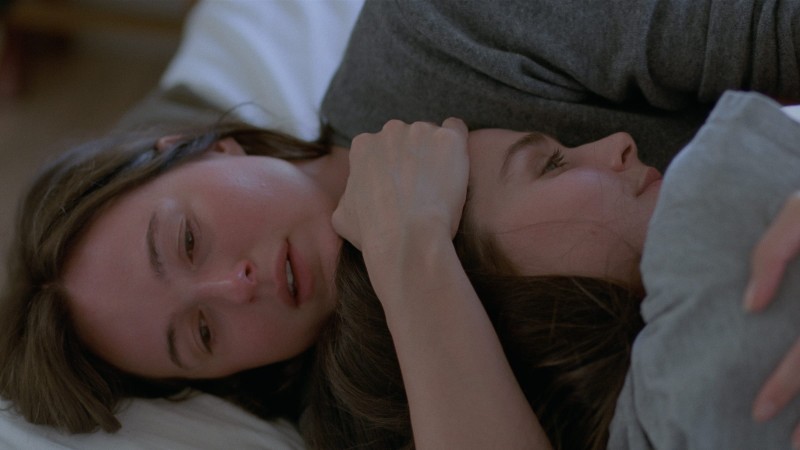
Sentimental Value: Between Trauma and the Sublime
In this powerful drama about family and memory, Joachim Trier explores how the past lives on in us, shapes us, and partly determines who we are and how we feel.
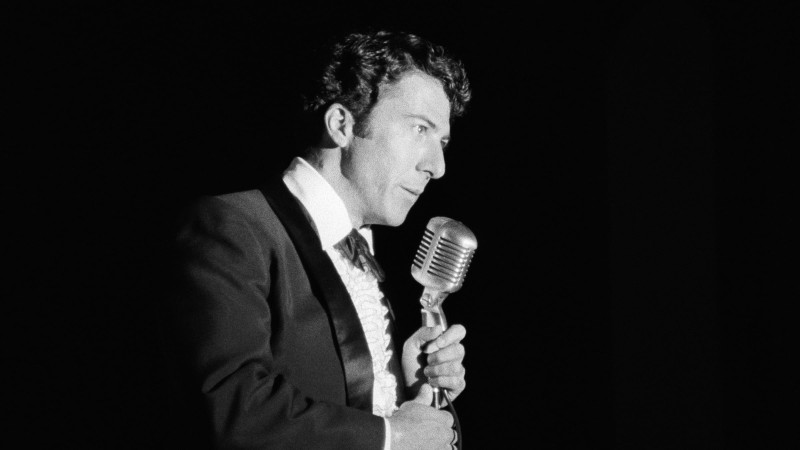
Lenny: High-Wire Act
Featuring a quasi-documentary format that was innovative for its time, Bob Fosse’s complex portrait of stand-up comedian Lenny Bruce is a gesture of postmortem outreach from one prickly, jagged-edged artist to another.
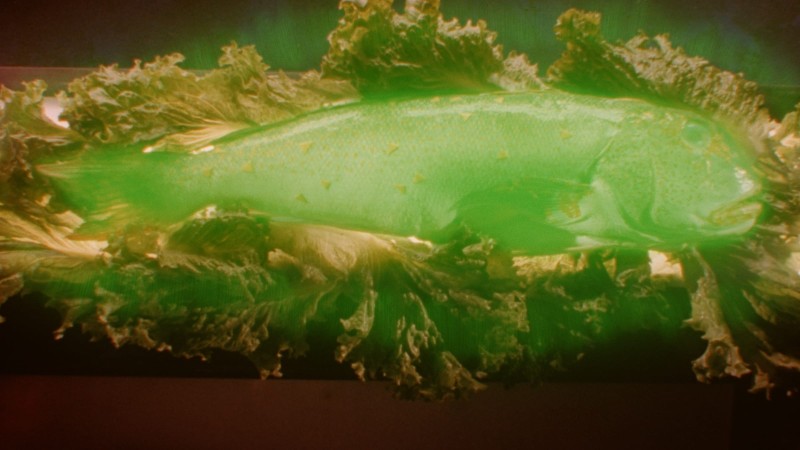
Fresh Kill: Fluid Transmission
New-media pioneer Shu Lea Cheang’s astonishingly prescient dystopian vision takes place in a world where technology feels sticky and bodily, and where networks seep into food, water, and flesh.
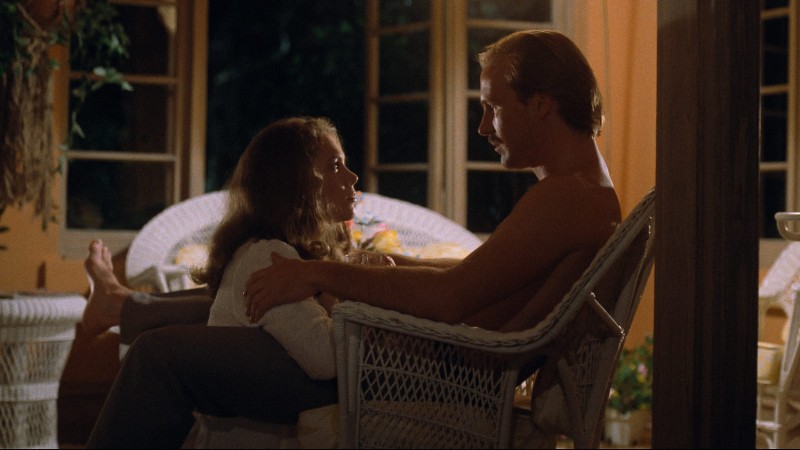
Body Heat: The Trap You Set for Yourself
In his stylish and provocative directorial debut, Lawrence Kasdan uses the vehicle of a sex-and-murder plot to explore the film’s historical moment, which gave rise to the greed and amorality of the Reagan era.