Movies in the Time of MTV
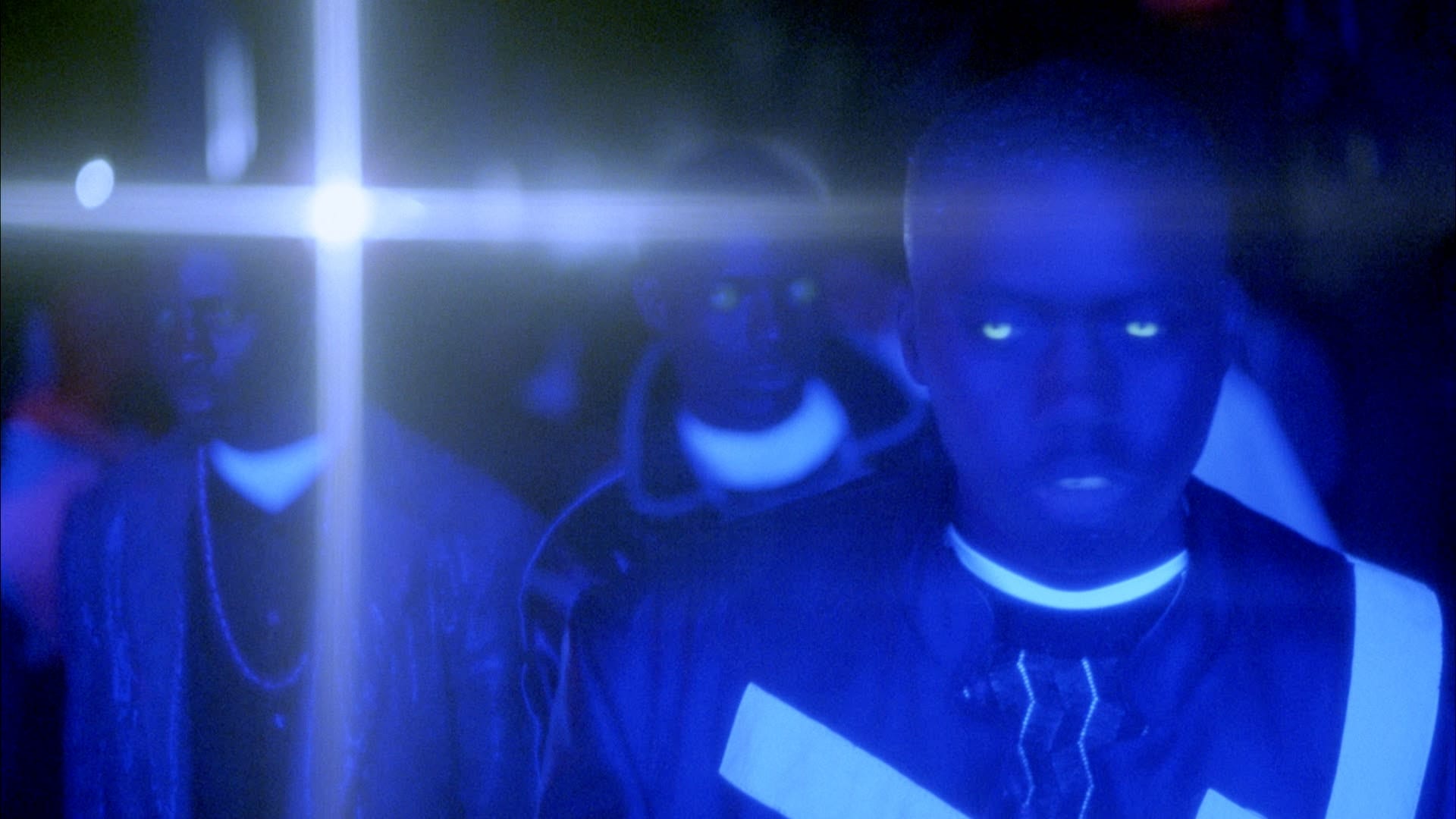
“Each MTVideo says: I got three, four minutes, and in that time my sights and sounds are gonna blitz your brain,” Richard Corliss wrote in a sixteen-page section on music videos in the July-August 1983 issue of Film Comment, published the same year that the channel became available through cable in New York and Los Angeles. “It is all about the death of context; it is the shotgun annulment of character from narrative, the anaesthetizing of violence through chic, the erasing of the past and the triumph of the new.”
At a time when style seemed to trump substance—with a movie star in the White House and the artistic vitality of the New Hollywood domesticated by blockbusters—the music video became an easy target for both aesthetic and sociological critiques that might have been applied more generally. At the outset, the format was understood to be appropriating the production values and visual language of cinema into a disconnected torrent of sexual titillation and elaborate production-design conceits. Music videos were shot with multiple film stocks and color palettes and edited at key-jangling speed, and they often cut between a number of nonnarrative scenarios. The result was a rhythm of instant gratification for passive consumers with short attention spans.
Almost immediately after video killed the radio star, the epithet “MTV style” was being applied to the world of cinema, where the hallmarks of music videos had begun to appear: reviewing the concert film Stop Making Sense in 1984, Pauline Kael praised director Jonathan Demme for “avoid[ing] hotsytotsy, MTV-style editing.” Within the next decade, the influence of MTV aesthetics was inescapable in film culture, thanks to the emergence of a generation of filmmakers who had gotten their start in the new format. “MTV style” would ultimately adhere to the work of these directors, including Michael Bay (“I Touch Myself”; Bad Boys), who made the most successful transition from MTV to the top of the blockbuster ecosystem. Bruce Willis, speaking to the New York Times in 2002, complained that “all the great acting scenes [in Armageddon] are on the cutting-room floor and were sacrificed for this sort of MTV version, Michael Bay’s vision of filmmaking.”

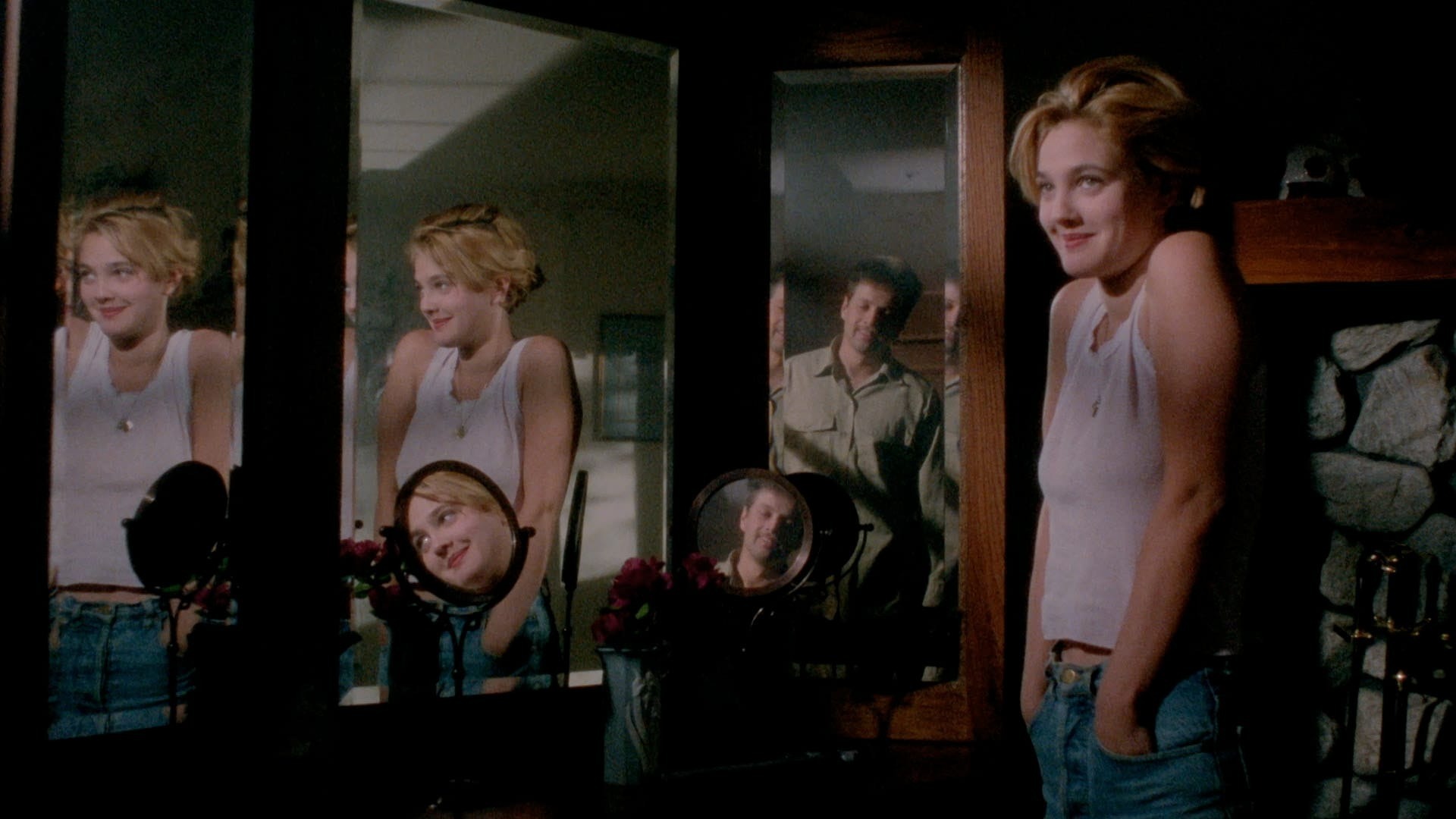
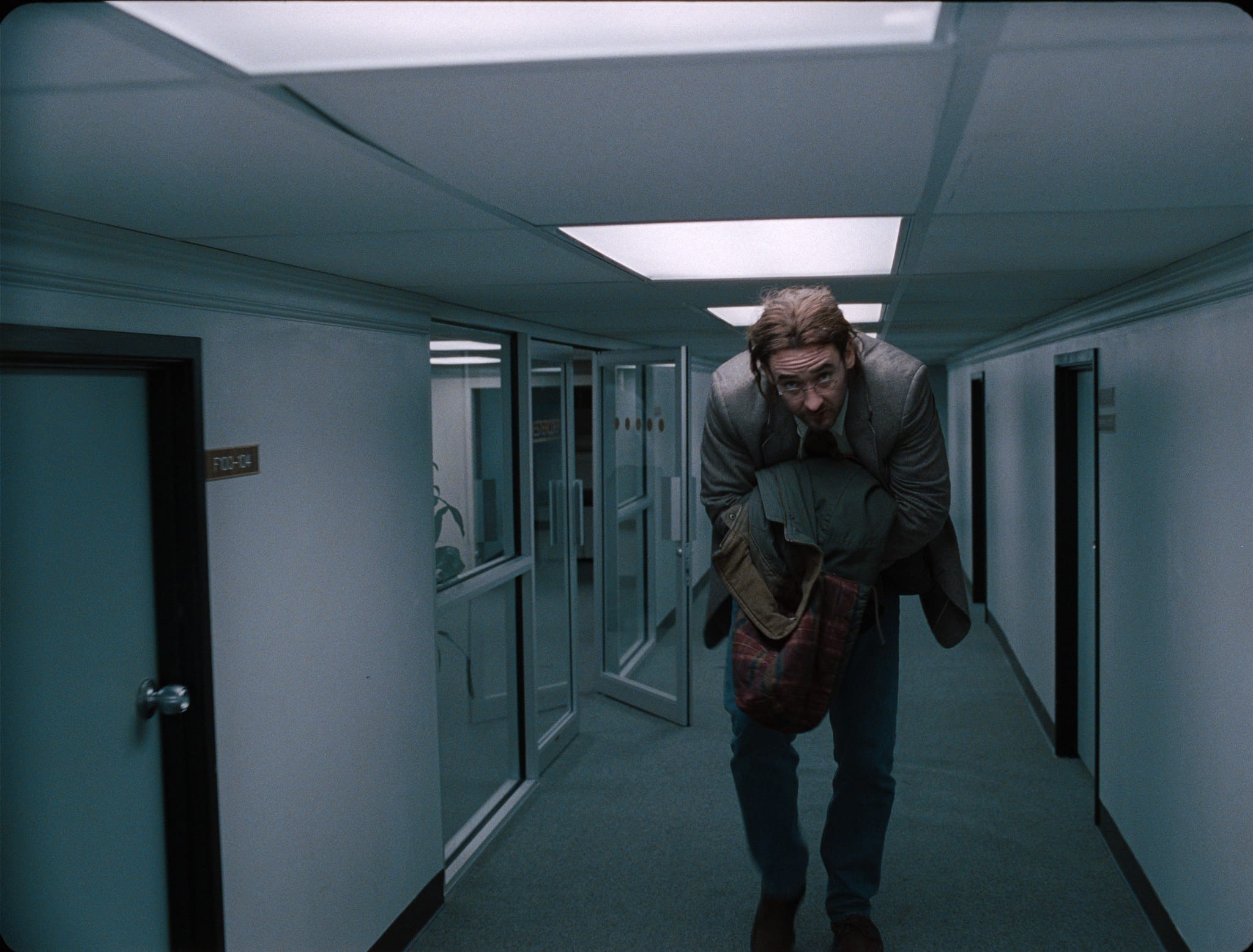
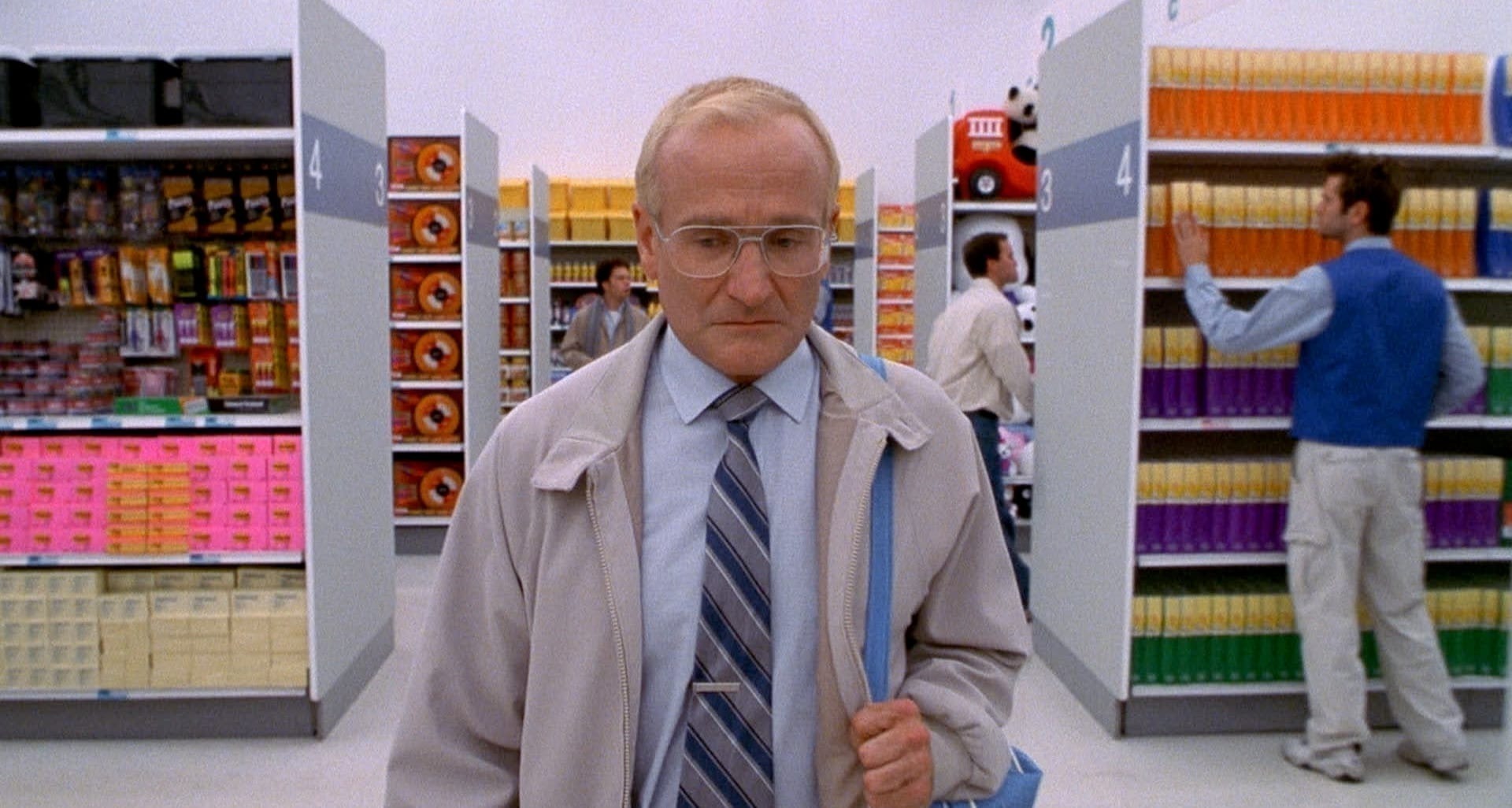
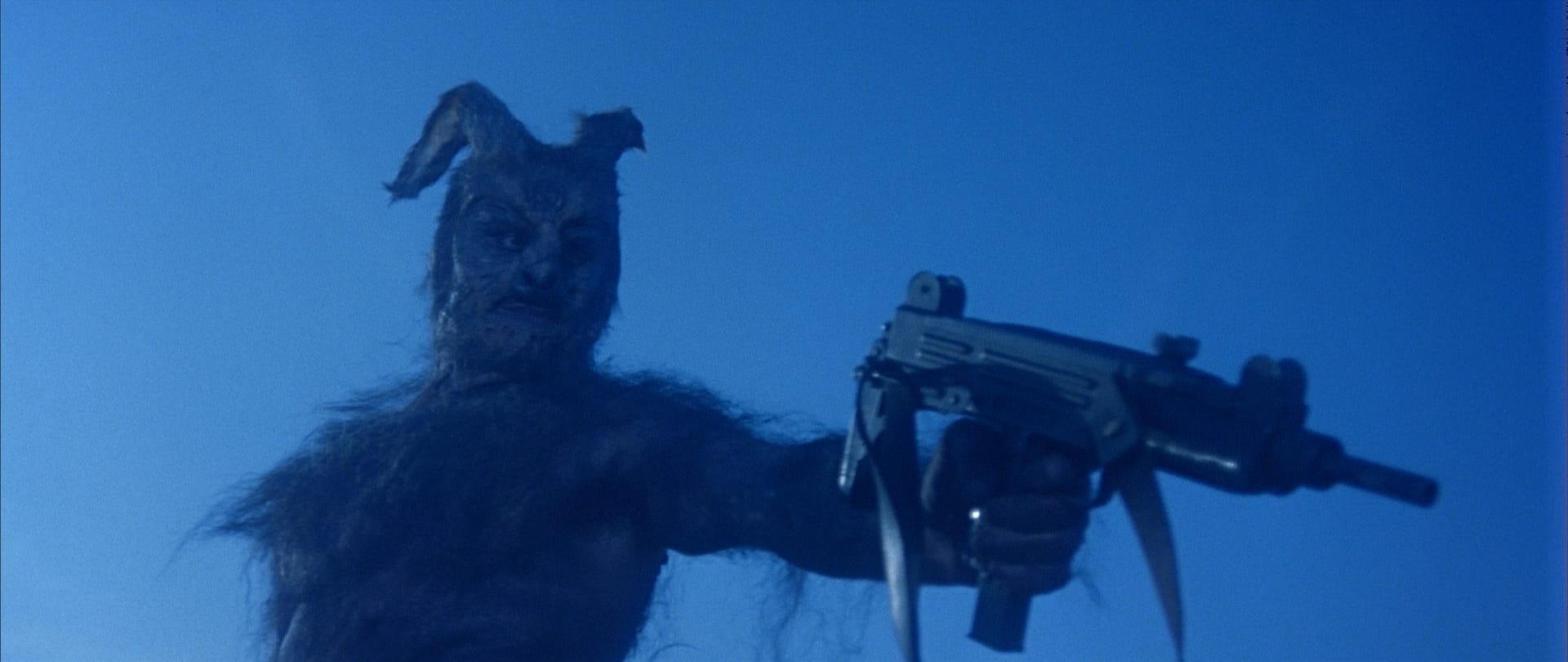
Glazer is the MTV stylist whose flair for the a-contextual standalone effect is wielded to the most authentically ambiguous ends, making him the most highbrow of his cohort. Having debuted with a zeitgeisty genre movie, his most recent film is an Oscar-winning Holocaust drama. The cycle—upstart, establishment, fogey—is complete.
“A lot of studio executives hear ‘hot video director,’ and without thinking they’ll send me the action comic book movies or the seventies TV show movies,” Romanek complained to the Times in 2002, continuing, not unfairly: “Sometimes I think if Martin Scorsese was a video director, all the things we regard as his exciting and aggressive cinematic technique would be derided by half the critics as video flash.” Now, something like the opposite of this is true: just as music-video directors innovated but did not invent an exultant postmodern aesthetic, now they, no less than Marvel enemy and World Cinema Project founder Scorsese, are custodians of an art form with its elbows up as it tries to maintain its position on the cutting edge of visual culture.
With MTV now given over largely to hours-long blocks of the comedy clip show Ridiculousness, the music video now exists on phones, where it is one form of short-form video among many. Or, really, not that short: to stop scrolling for the duration of an entire pop song now seems like an eternity. Make way for tomorrow!

More: Features

The Banner Is Raised: Robert A. Nakamura’s Groundbreaking Activist Cinema
The pioneering filmmaker paved the way for generations of Asian American artists with his depictions of historical traumas, including the incarceration of Japanese Americans during World War II.
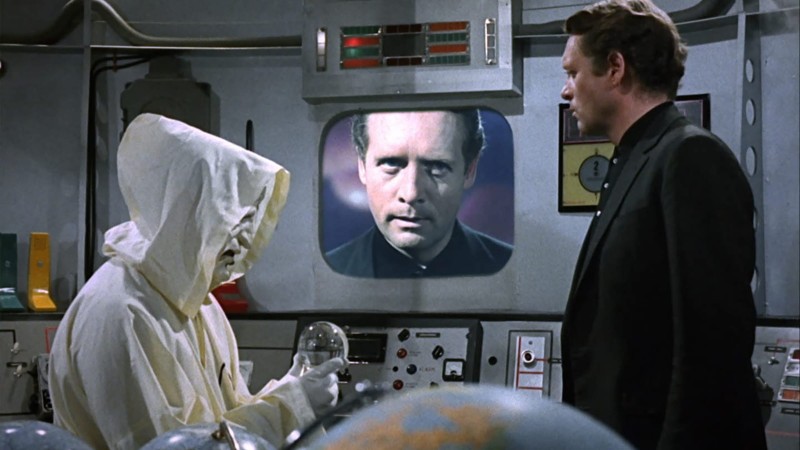
Once Upon a Time: Patrick McGoohan’s The Prisoner
One of the most passionately analyzed shows in television history is a mind-bending investigation of free will and modern surveillance culture, told with an audacious blend of symbolism, philosophy, and avant-garde surrealism.

Terror on the Airwaves
In the 1970s, up-and-coming mavericks like Steven Spielberg and John Carpenter honed their craft by bringing a taste of the grindhouse to the small screen.
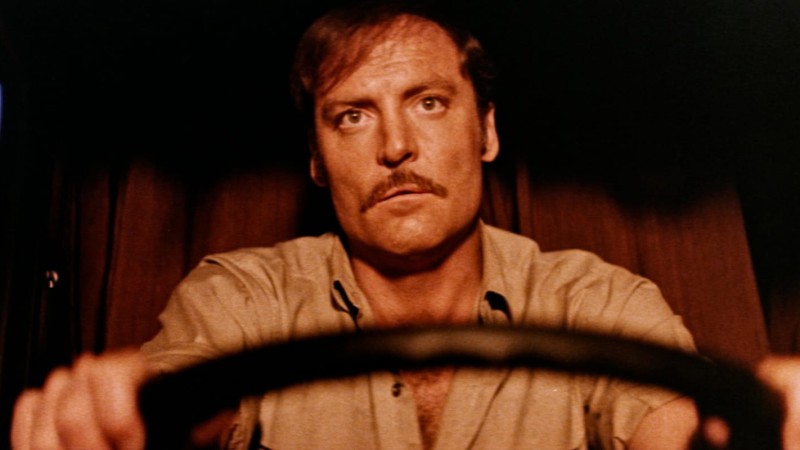
Death Is a Highway
Classics of highway horror, like Road Games, The Appointment, and Race with the Devil, present the open road as a dangerous landscape and automobiles as single-minded killing machines.