The Third Man

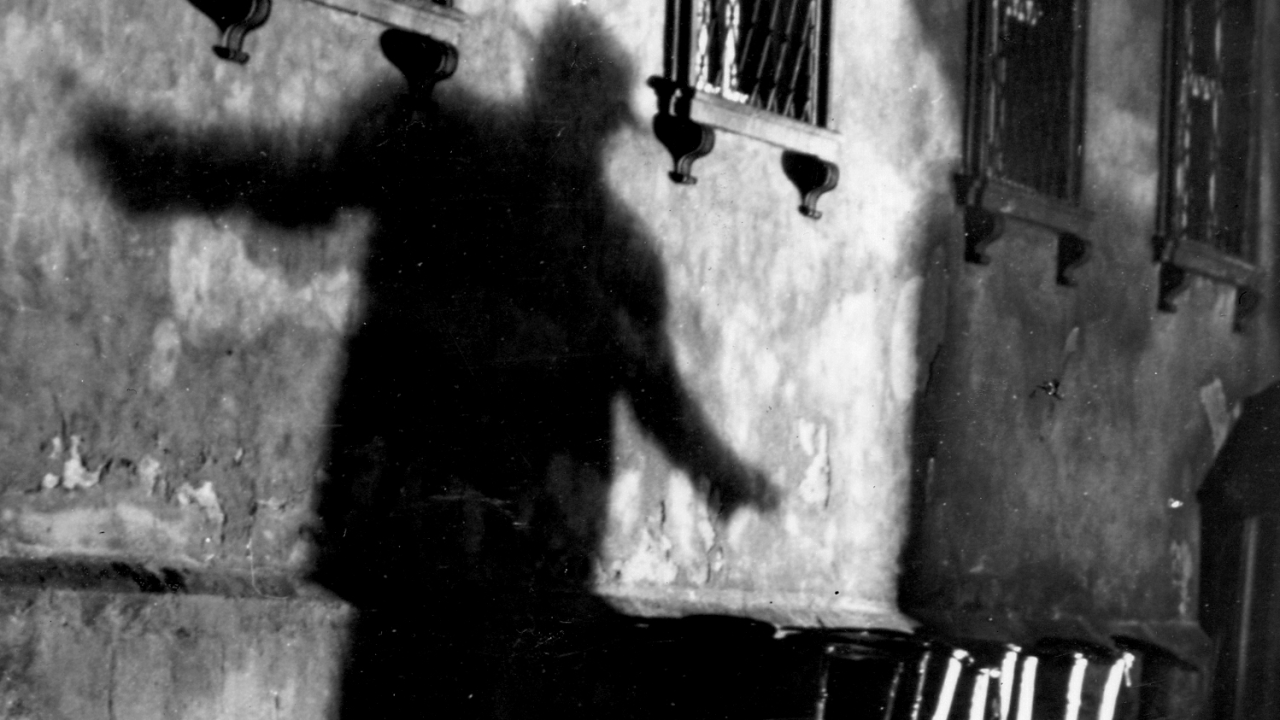
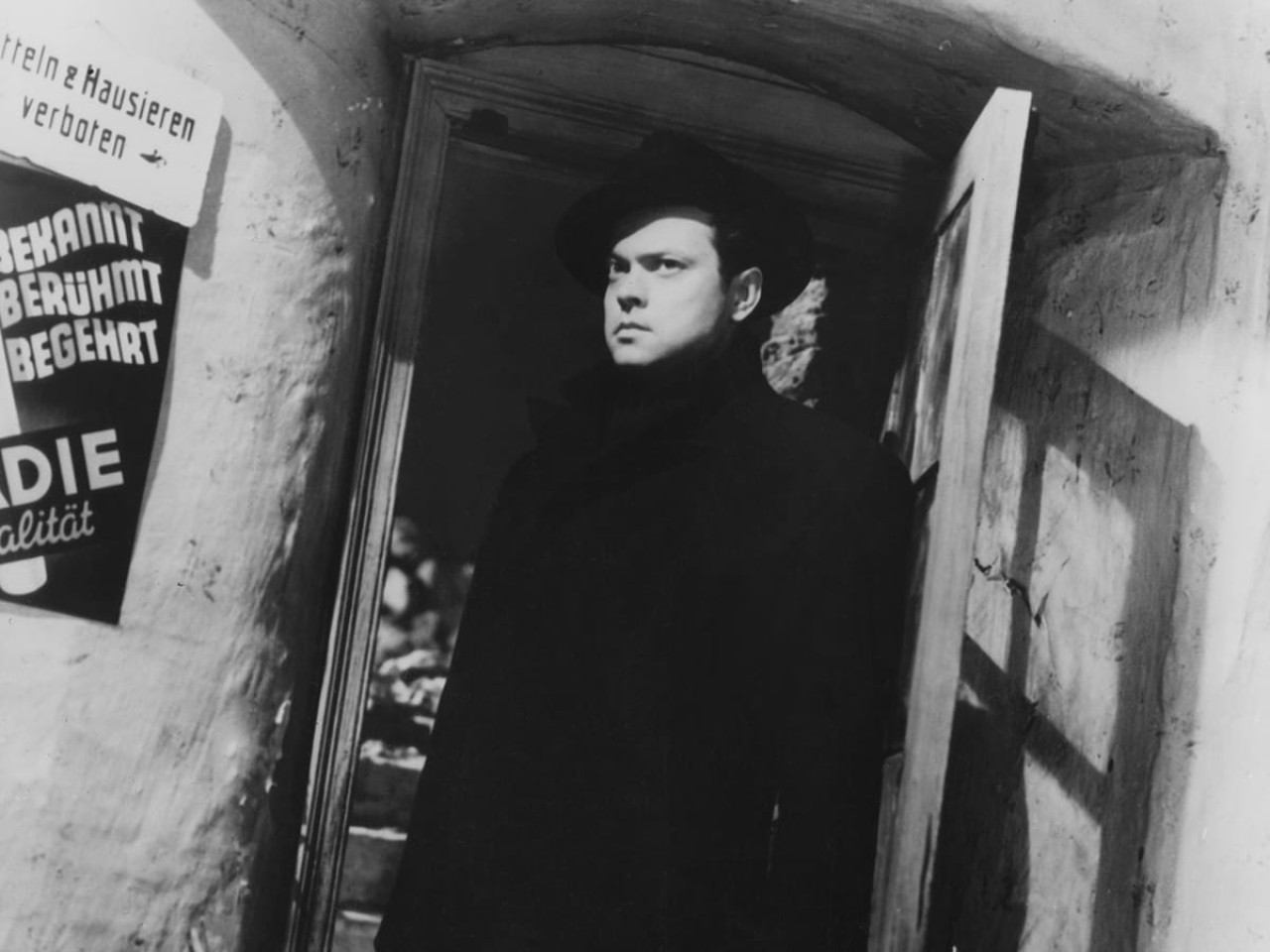
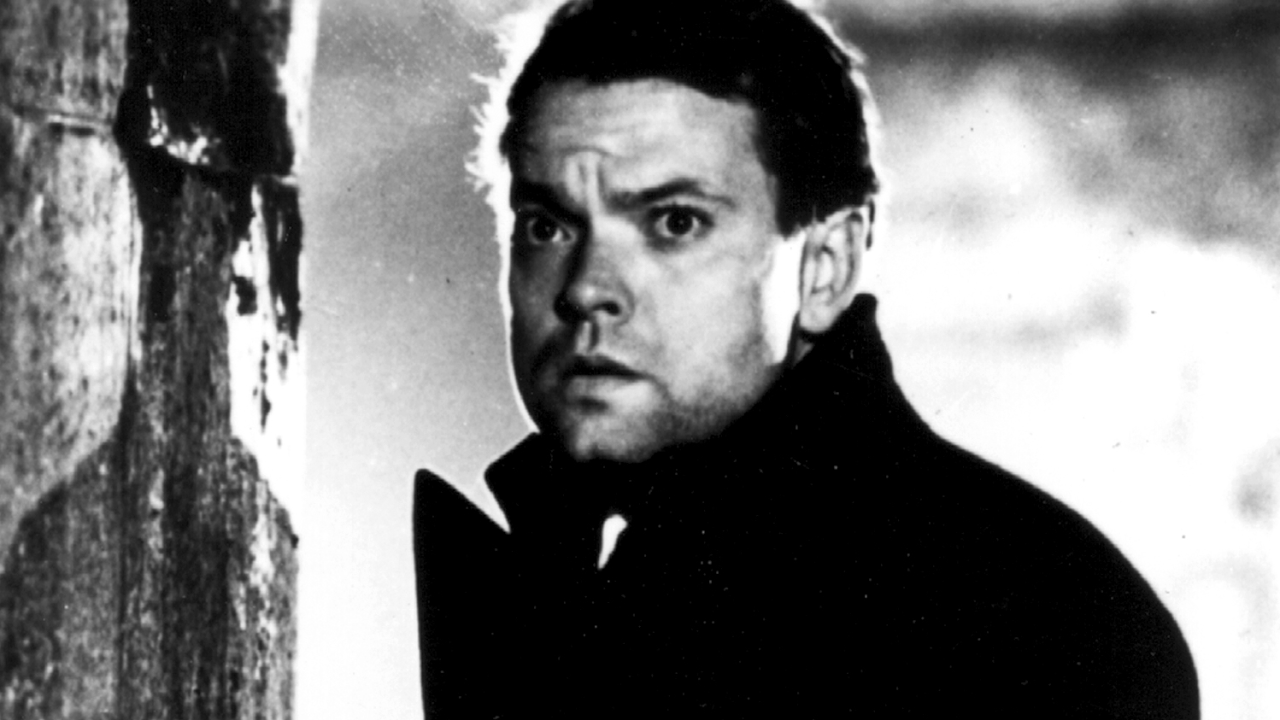
Pulp novelist Holly Martins travels to shadowy, postwar Vienna, only to find himself investigating the mysterious death of an old friend, black-market opportunist Harry Lime—and thus begins this legendary tale of love, deception, and murder. Thanks to brilliant performances by Joseph Cotten, Alida Valli, and Orson Welles; Anton Karas's evocative zither score; Graham Greene’s razor-sharp dialogue; and Robert Krasker’s dramatic use of light and shadow, The Third Man, directed by the inimitable Carol Reed, only grows in stature as the years pass.
Special Features
- New, restored digital master, with uncompressed mono soundtrack on the Blu-ray edition
- Introduction by writer-director Peter Bogdanovich
- Two audio commentaries: one featuring filmmaker Steven Soderbergh and screenwriter Tony Gilroy, and one featuring film scholar Dana Polan
- Shadowing "The Third Man" (2005), a ninety-minute feature documentary on the making of the film
- Abridged recording of Graham Greene’s treatment, read by actor Richard Clarke
- "Graham Greene: The Hunted Man," an hour-long, 1968 episode of the BBC's Omnibus series, featuring a rare interview with the novelist
- Who Was the Third Man? (2000), a thirty-minute Austrian documentary featuring interviews with cast and crew
- The Third Man on the radio: the 1951 “A Ticket to Tangiers” episode of The Lives of Harry Lime series, written and performed by Orson Welles; and the 1951 Lux Radio Theatre adaptation of The Third Man
- Illustrated production history with rare behind-the-scenes photos, original UK press book, and U.S. trailer
- Actor Joseph Cotten’s alternate opening voice-over narration for the U.S. version
- Archival footage of postwar Vienna
- A look at the untranslated foreign dialogue in the film
- English subtitles for the deaf and hard of hearing
- PLUS: Essays by Lucy Sante (DVD and Blu-ray), Charles Drazin (DVD only) and Philip Kerr (DVD only)
Cover by Lucien S. Y. Yang
Collector's Sets
Collector's Set

Special Features
- New, restored digital master, with uncompressed mono soundtrack on the Blu-ray edition
- Introduction by writer-director Peter Bogdanovich
- Two audio commentaries: one featuring filmmaker Steven Soderbergh and screenwriter Tony Gilroy, and one featuring film scholar Dana Polan
- Shadowing "The Third Man" (2005), a ninety-minute feature documentary on the making of the film
- Abridged recording of Graham Greene’s treatment, read by actor Richard Clarke
- "Graham Greene: The Hunted Man," an hour-long, 1968 episode of the BBC's Omnibus series, featuring a rare interview with the novelist
- Who Was the Third Man? (2000), a thirty-minute Austrian documentary featuring interviews with cast and crew
- The Third Man on the radio: the 1951 “A Ticket to Tangiers” episode of The Lives of Harry Lime series, written and performed by Orson Welles; and the 1951 Lux Radio Theatre adaptation of The Third Man
- Illustrated production history with rare behind-the-scenes photos, original UK press book, and U.S. trailer
- Actor Joseph Cotten’s alternate opening voice-over narration for the U.S. version
- Archival footage of postwar Vienna
- A look at the untranslated foreign dialogue in the film
- English subtitles for the deaf and hard of hearing
- PLUS: Essays by Lucy Sante (DVD and Blu-ray), Charles Drazin (DVD only) and Philip Kerr (DVD only)
Cover by Lucien S. Y. Yang
Cast
- Orson Welles
- Harry Lime
- Alida Valli
- Anna Schmidt
- Trevor Howard
- Major Calloway
- Ernst Deutsch
- Kurtz
- Joseph Cotten
- Holly Martins
- Paul Hoerbiger
- Porter
- Erich Ponto
- Dr. Winkel
Credits
- Director
- Carol Reed
- Producer
- Carol Reed
- Screenplay
- Graham Greene
- Cinematography
- Robert Krasker
- Presented by
- Alexander Korda
- Presented by
- David O. Selznick
- Assistant director
- Guy Hamilton
- Editing
- Oswald Hafenrichter
- Associate producer
- Hugh Perceval
- Music
- Anton Karas
- Sets
- Vincent Korda


1/1