Empire of Passion

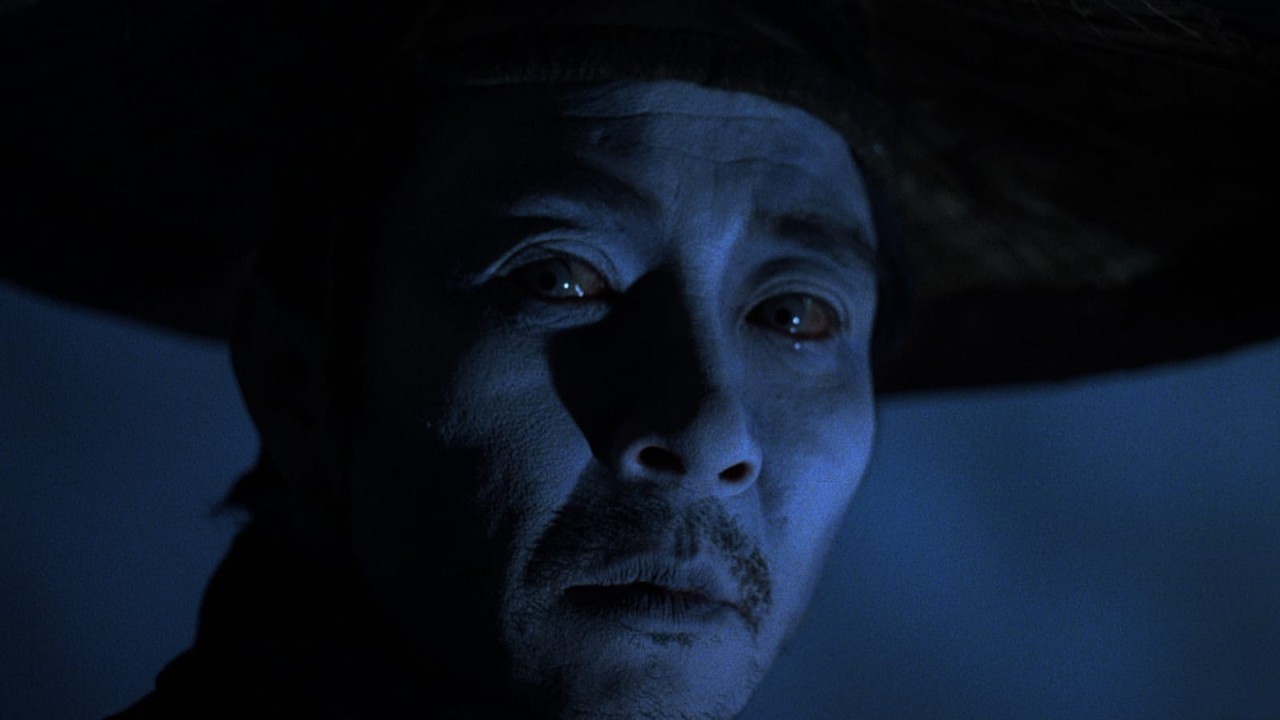
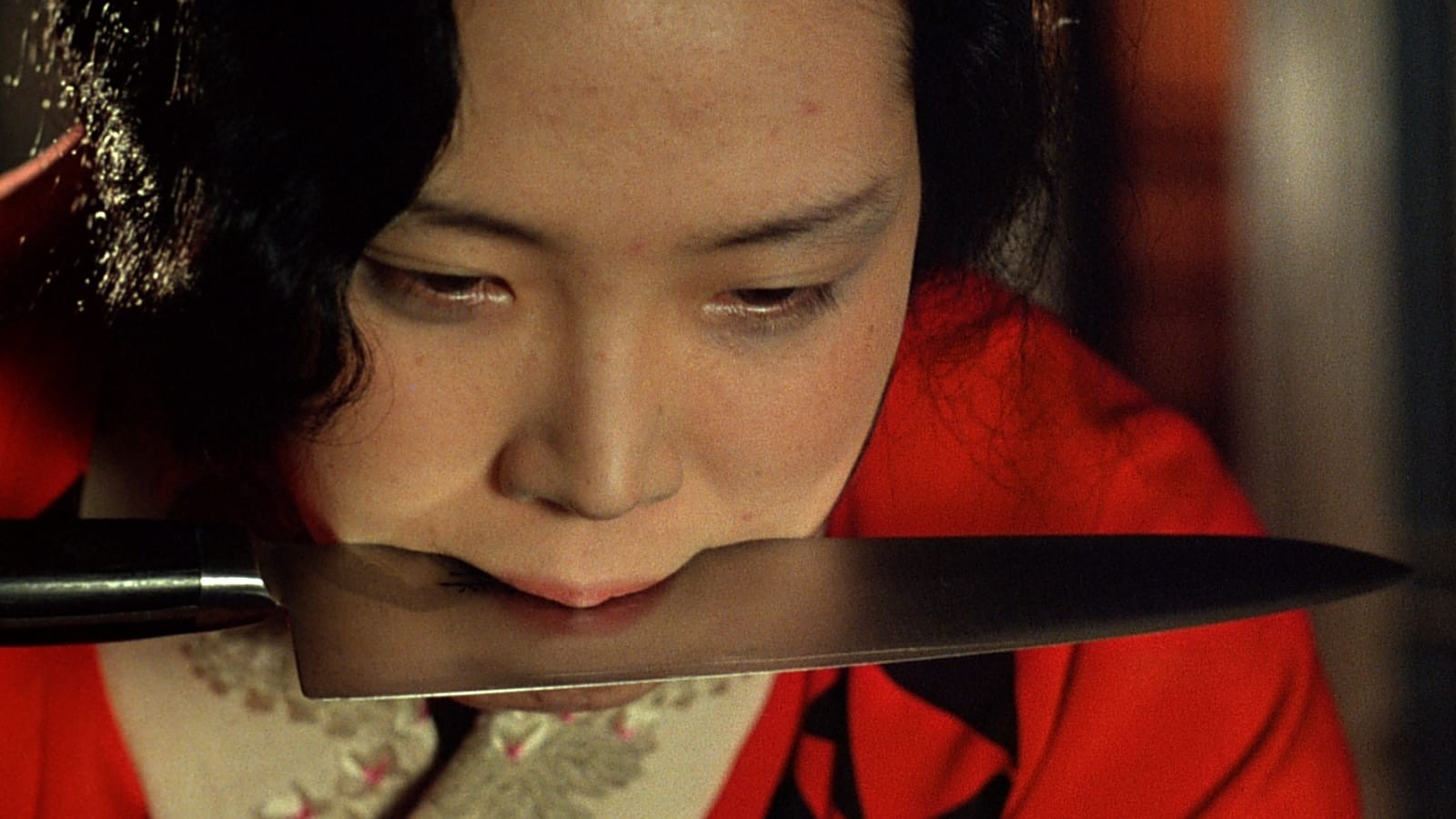
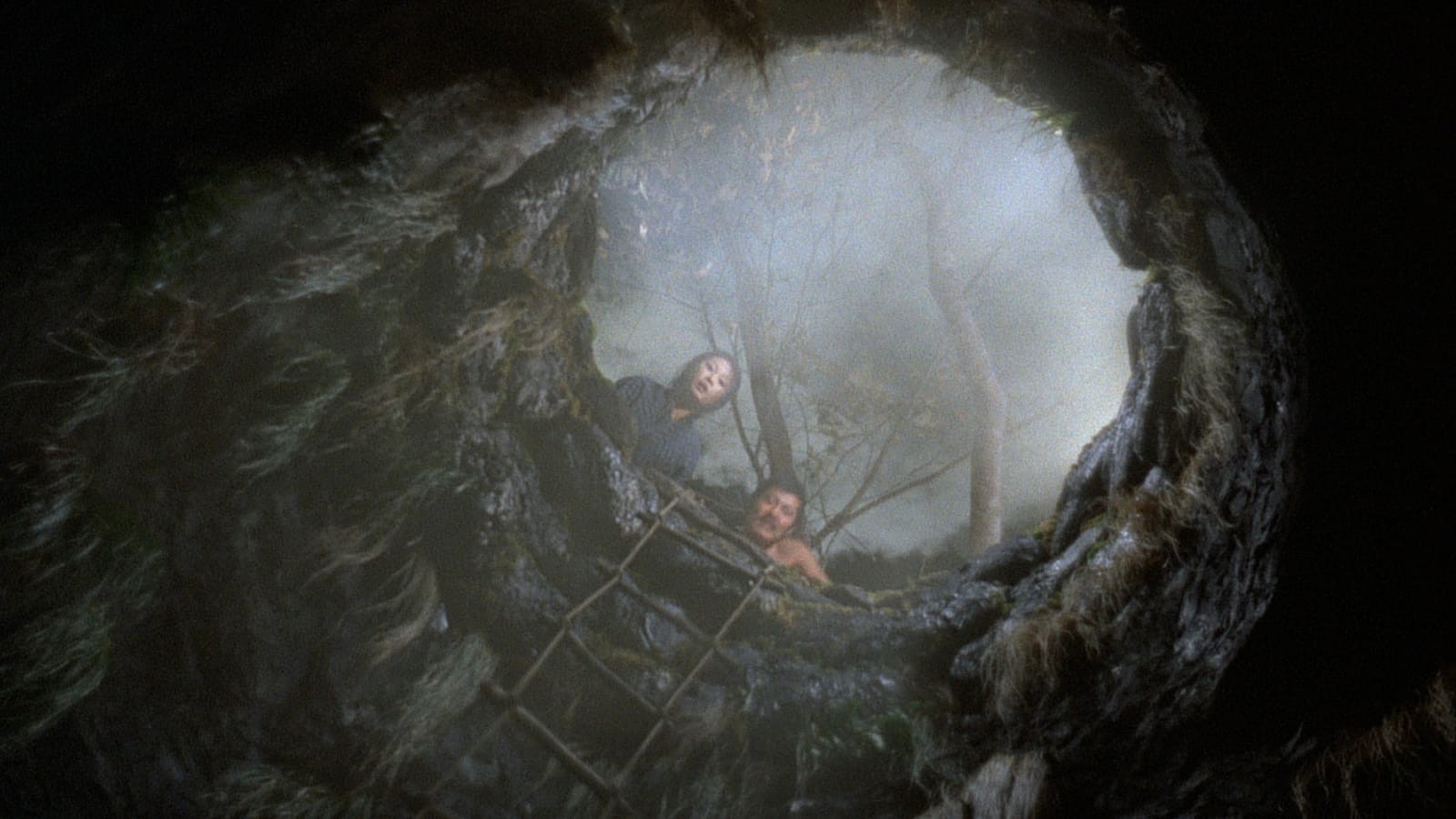
With an arresting mix of eroticism and horror, Oshima plunges the viewer into a nightmarish tale of guilt and retribution in Empire of Passion (Ai no borei). Set in a Japanese village at the end of the nineteenth century, the film details the emotional and physical downfall of a married woman and her younger lover following their decision to murder her husband and dump his body in a well. Empire of Passion was Oshima’s only true kaidan (Japanese ghost story), and the film, a savage, unrelenting experience, earned him the best director award at the Cannes Film Festival.
SPECIAL EDITION FEATURES
- Restored high-definition digital transfer
- Double Obsession: Seki, Sada, and Oshima, a video essay by film historian and critic Catherine Russell
- Interviews with actors Kazuo Yoshiyuki and Tatsuya Fuji
- An interview program from 2003 featuring production consultant Koji Wakamatsu and assistant directors Yusuke Narita and Yoichi Sai
- U.S. trailer
- Optional English-dubbed soundtrack
- PLUS: An essay by renowned critic and historian Tony Rayns and a 1978 interview with Nagisa Oshima
Cover by Neil Kellerhouse
SPECIAL EDITION FEATURES
- Restored high-definition digital transfer
- Double Obsession: Seki, Sada, and Oshima, a video essay by film historian and critic Catherine Russell
- Interviews with actors Kazuo Yoshiyuki and Tatsuya Fuji
- An interview program from 2003 featuring production consultant Koji Wakamatsu and assistant directors Yusuke Narita and Yoichi Sai
- U.S. trailer
- Optional English-dubbed soundtrack
- PLUS: An essay by renowned critic and historian Tony Rayns and a 1978 interview with Nagisa Oshima
Cover by Neil Kellerhouse
Cast
- Tatsuya Fuji
- Toyoji
- Kazuko Yoshiyuki
- Seki
- Takahiro Tamura
- Gisaburo
- Takuzo Kawatani
- Officer Hotta
- Masami Hasegawa
- Shin
- Akiko Koyama
- Landowner’s mother
- Taiji Tonoyama
- Toichiro
Credits
- Director
- Nagisa Oshima
- Producer
- Anatole Dauman
- Screenplay
- Nagisa Oshima
- Based on a book by
- Itoko Nakamura
- Cinematography
- Yoshio Miyajima
- Lighting
- Kenichi Okamoto
- Editing
- Keiichi Uraoka
- Music
- Toru Takemitsu
- Production design
- Jusho Toda
- Sound
- Tetsuo Yasuda
- Sound
- Alex Pront
- Production consultant
- Koji Wakamatsu


1/3

2/3

3/3