Osaka Elegy
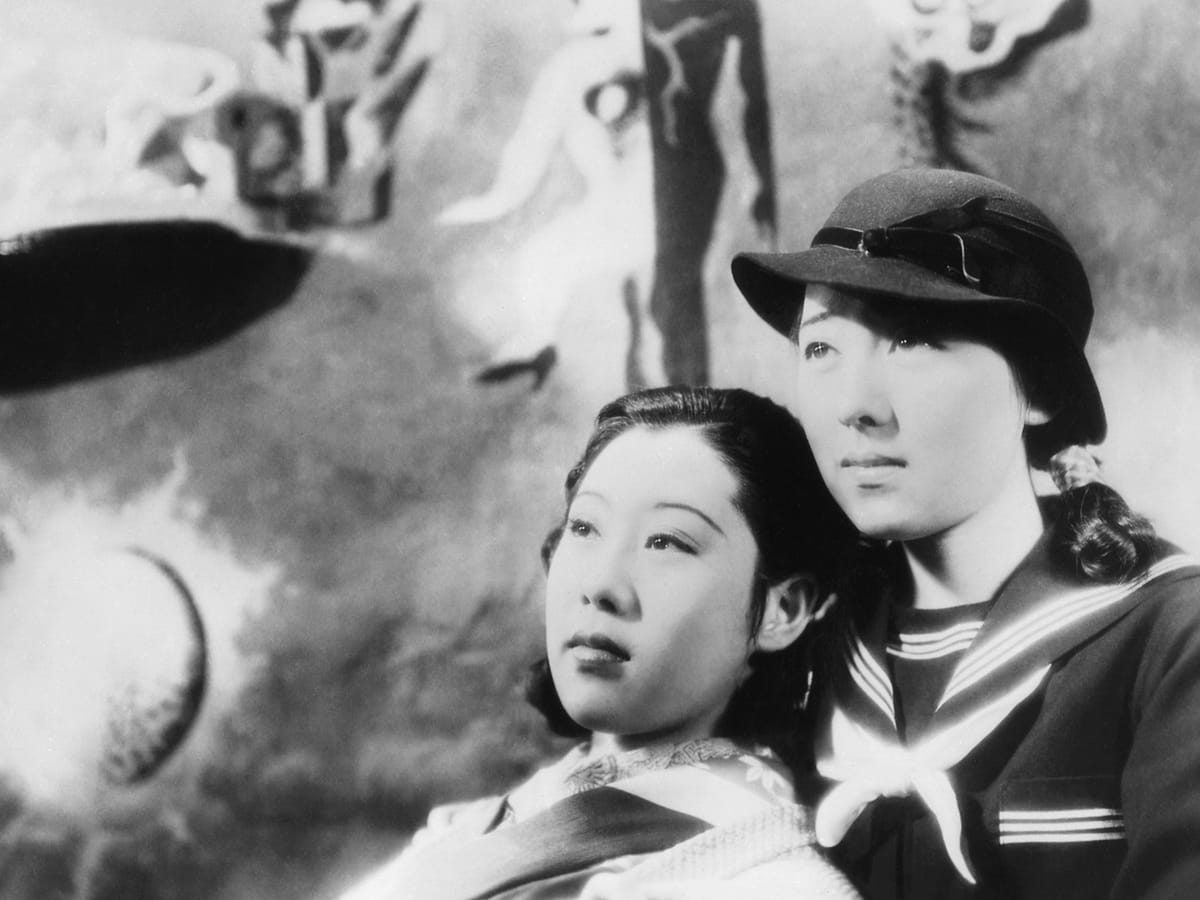
Kenji Mizoguchi departed abruptly from his earlier sentimental films into a world of acute realism with Osaka Elegy. Boldly critiquing the position of women in contemporary Japanese society, the film examines a young woman’s victimization and descent into prostitution. Together, Mizoguchi’s direction and Isuzu Yamada’s powerful performance create sorrowful, timeless poetry.
An incongruously brisk and romantic big band melody plays to Osaka Elegy‘s first shot, a neon-studded skyline; it gives the impression, as Mizoguchi intends, of a thoroughly modern metropolis, the flowering, perhaps, of a thoroughly modern civilization. But no sooner does the director float that illusion before us than he reveals a society old in its cruel pragmatism, feudal hierarchy and its system of intricately linked obligations. Caught precisely at the juncture of the two worlds, his heroine Ayako—bright, hopeful, and innocently daring, with her lipstick, cigarettes and jaunty hats—is brought down through faithful adherence to the most ancient of Japanese values: giri, the lifelong obligation one owes parents and family members, the obligation that can never adequately be repaid.
A detail of Kenji Mizoguchi’s life that is seldom left out of any biographical note is the fact that his older sister was sold into prostitution when he was a child. The practice was not uncommon among poverty-stricken Asian families, and while horrifying enough, the boy’s future was linked to her bondage. After the death of their parents she supported him, and her eventual marriage to a wealthy patron made his education possible. According to the tenets of Japan’s institutionalized sexism, the sacrifice of the less-valued girl child for the well-being of a son would have been taken for granted. But the themes and meaning of the director’s entire body of work attest that for him at least, it never was. Over his long career, through more than eighty films, Mizoguchi would constantly champion women wronged and discarded: Osaka Elegy, Sisters of the Gion, A Woman of Osaka, A Geisha, and Street of Shame. His portrayal, with merciless depth, of the workings of a society that nurtured male privilege and sanctioned second-class citizenship for women, suggests a sensibility on the cutting edge of giri.
In Osaka Elegy, Mizoguchi’s visual composition evokes, and then subtly undermines, a milieu in which men maintain control and women serve and wait. This kingdom of men is a potent illusion, constructed like a beautiful toy made of sliding screens, paper walls, and thin partitions, the interior environments appearing maze-like and timeless through the director’s use of deep focus and long shots. Women bow, kneel, and walk behind. But illusion works both ways, and even as Mizoguchi sets his male authority figures to loom in the foreground of his shots, it is often to shroud their features in darkness or to otherwise compromise their power. When Ayako’s would-be sweetheart Nishimura makes a call at her family home, back lighting gives him an impressive shadow on the half-open screen of the door, but the towering shadow only makes the man himself small and inconsequential, providing Mizoguchi’s first clue to his true character.
It is simultaneously demanded that Ayako perform as obedient daughter, responsible sister, dutiful employee, and appropriately chaste prospective wife. These obligations are irreconcilably in conflict with each other in the world in which she lives. Her choices are to preserve her respectability by taking no action—which would be unfilial–or to save her father and enjoy the skewed freedom of an outcast. The results of either are much the same, and Mizoguchi reveals that the constraint of the home is hardly different from that of Ayako’s situation, as a kept woman in a sleek apartment where the windows are symbolically barred.
Between our first glimpse of her, impatiently caged in a switchboard operator’s cubicle at Asai Pharmaceutical, and the last shot, the film’s stylistically jarring one and only close-up of her face, Ayako loses the fight for freedom with respectability. The grasping father, the selfish brother, and the timid suitor have declared no compromise between the purity of their feminine ideal and the cravenness of their expectations. Reflections of the neon lights in the film’s opening are finally seen glittering around floating refuse at a bridge where Ayako contemplates her fate. In the hands of many another director, such a shot might be trite. Mizoguchi’s matter-of-fact symmetry render it right and achingly poignant.

More: Essays

Sentimental Value: Between Trauma and the Sublime
In this powerful drama about family and memory, Joachim Trier explores how the past lives on in us, shapes us, and partly determines who we are and how we feel.
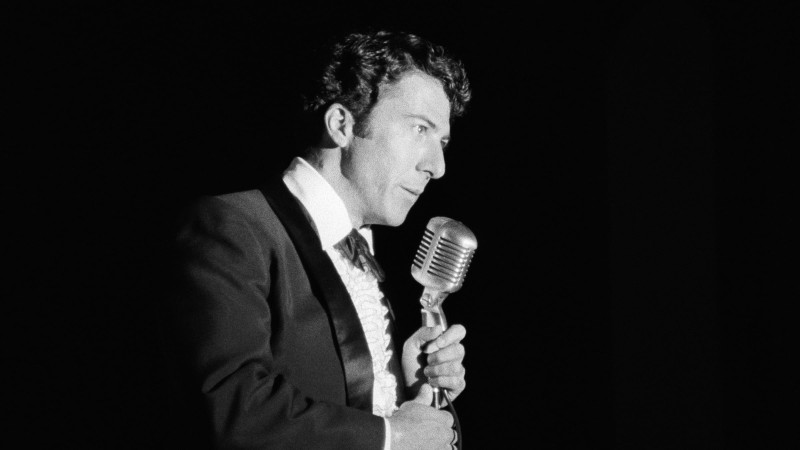
Lenny: High-Wire Act
Featuring a quasi-documentary format that was innovative for its time, Bob Fosse’s complex portrait of stand-up comedian Lenny Bruce is a gesture of postmortem outreach from one prickly, jagged-edged artist to another.
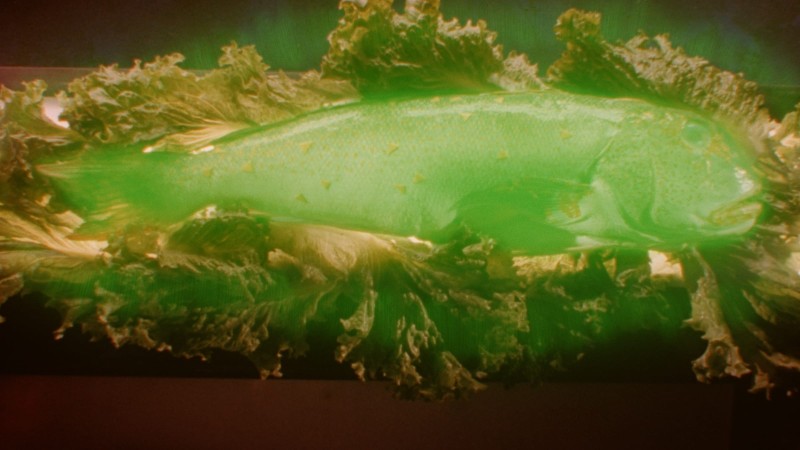
Fresh Kill: Fluid Transmission
New-media pioneer Shu Lea Cheang’s astonishingly prescient dystopian vision takes place in a world where technology feels sticky and bodily, and where networks seep into food, water, and flesh.
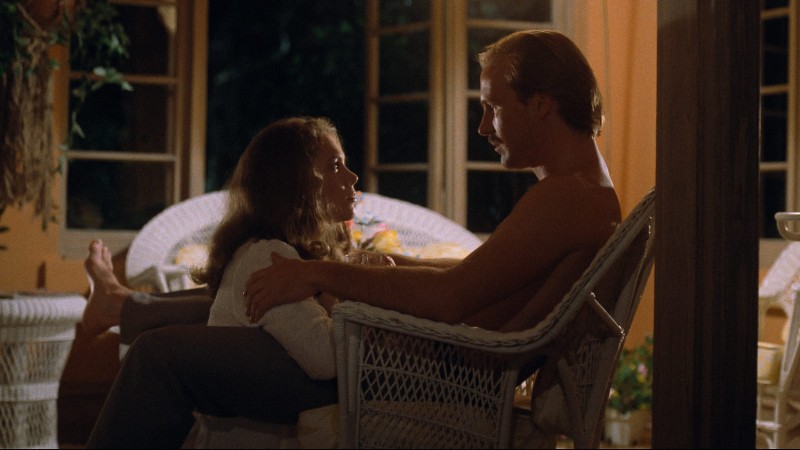
Body Heat: The Trap You Set for Yourself
In his stylish and provocative directorial debut, Lawrence Kasdan uses the vehicle of a sex-and-murder plot to explore the film’s historical moment, which gave rise to the greed and amorality of the Reagan era.