Children of Paradise
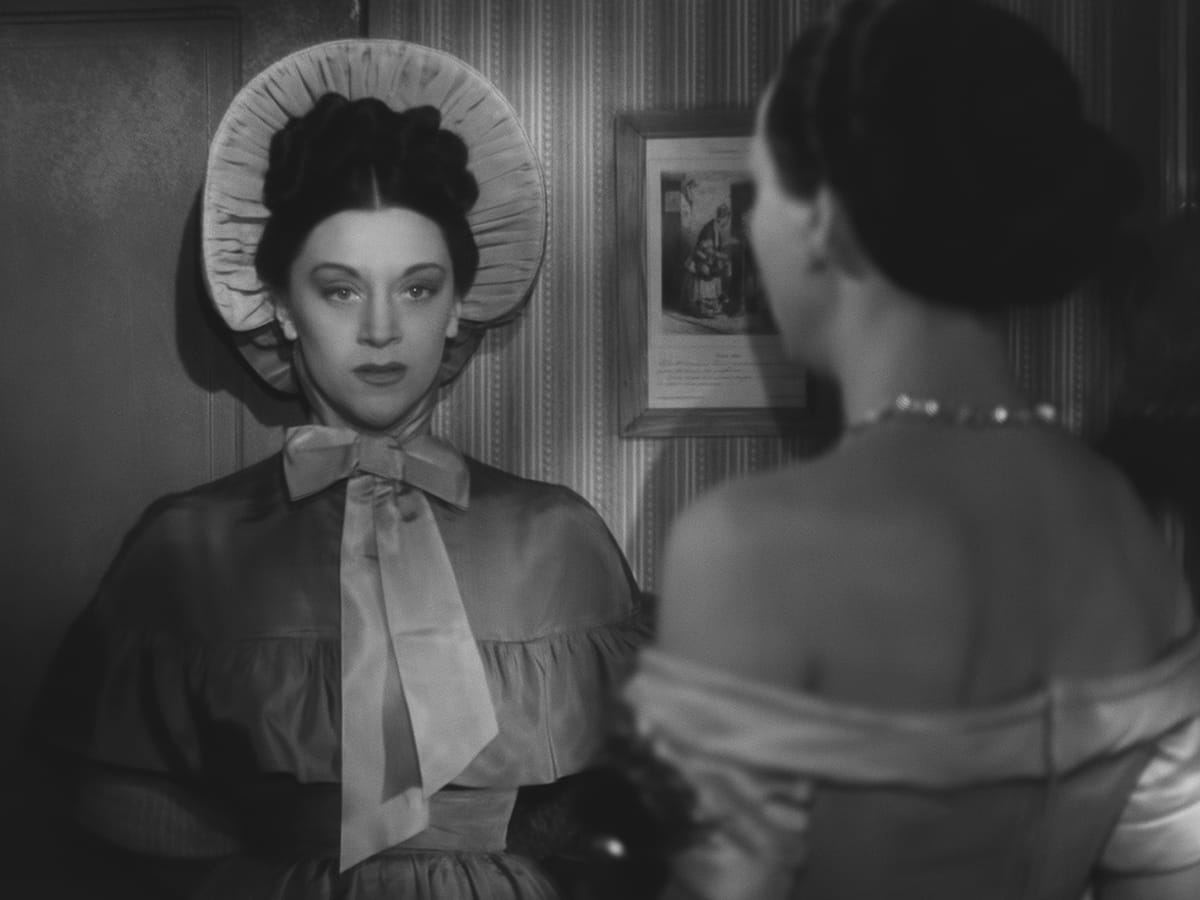
Children of Paradise is the high-water mark of the Golden Age of French cinema. This is the movie that is routinely ranked number one of all time, in surveys of French film critics of French movies. More than once it has been called the “Gone with the Wind of French films,” for the fondness in which it is held. Children of Paradise is always playing in a Paris moviehouse, just as Gone with the Wind is in permanent residence in Atlanta. Unlike the Civil War epic, it is not set in a wartime—Part One, according to the script, is set in “1827 or 1828” in Paris, and Part Two a few years later—but Children of Paradise was filmed during a war, strongly marking its production.
Written under the German occupation of France, and produced with the sanction of occupation censors, the film began shooting on August 17, 1943, at the Victorine Studios in Nice. Rumors of a possible Allied landing in nearby Italy prompted authorities to shut down the production and send cast and crew back to Paris, where other scenes could be shot. Production resumed in Nice in February of 1944 and concluded shortly before the Allied landing at Normandy in June of that year. The huge production staff was practically a model of the French nation at this troubled time. One crew member, secretly active in the Resistance, was eventually caught and arrested on the set by the Gestapo. Another, a featured member of the cast (playing, in fact, a police spy) was known to be a collaborator, and had to flee for his life early in the production; his scenes had to be reshot with a new actor. These and other physical hardships surrounding the shooting of the film in a time of severe rationing are completely hidden in this most lavish production.
Yet the tenuous political atmosphere surrounding its creation gives Children of Paradise its unique flavor—and invites readings of political subtexts that may or may not be there. In the opening scene, for instance, a pretty woman (who works in the carnival as the naked subject of “Truth in her Bath”) is arrested in the crowd, under the false suspicion of having pickpocketed someone. This is not the last time in the film that Garance (played by Arletty) will be “the victim of a judicial error.” On the stage before them, the humbled, abused little mime Baptiste Deburau, played by Jean-Louis Barrault, for whom the part was written—tells, in pantomime, the true story of the pickpocketing, and so liberates Garance.
It is tempting to see in this an allegory of how art can liberate the spirit of a people under occupation. But director Marcel Carné and writer-poet Jacques Prévert so skillfully covered their tracks that you can never be sure. The film must “conceal” the truth—that Frenchmen are being arrested and deported and killed by an alien occupying force—yet its message of hope may appear in disguise. So we get a movie that moves between nakedness and disguise, between falsehood and truth and back again, as it gives us a behind-the-scenes view of the members of a theatrical company in 19th-century Paris, and what becomes of them later.
This is, after all, a backstage film, a movie that tells us, in the style of poetic realism, how theater people live—and how the stage mirrors and transmutes what they experience in life. Marcel Carné, as he tells us in an exclusive interview on this disc, explicitly conceived the film as “cinema’s homage to the theater.” Children of Paradise: The name refers, at least initially, to the “kids” who sit in the cheapest (and highest) seats at the local vaudeville house. But the title expands to cover the actors whose offstage lives we enter, and eventually includes us as their audience.Above all, this is a love story: how four different men loved the same woman in four different ways.
And it’s an adventure story full of transformations, duels, and yes, even murder. Three of the main characters are historical. Baptiste Deburau (1796-1846) and Frederick Lematre (1800-1876; played by Pierre Brasseur) were two of the most famous stage performers of their day. Pierre-Francois Lacenaire (1800-1836; played by Marcel Herrand) was a famous criminal and dandy, on whom Dostoevsky based the character of Raskolnikov in Crime and Punishment. Carné and Prévert used documents from the period, including engravings of Paris’ colorful boulevard life at the time, in part to inspire designer Alexandre Trauner’s breathtakingly deep sets, and also to give historical ballast to their own multi-decked story.This is classic cinema: a moment in time and in the history of the imagination, captured with extraordinary visual richness and bravura performances.

More: Essays
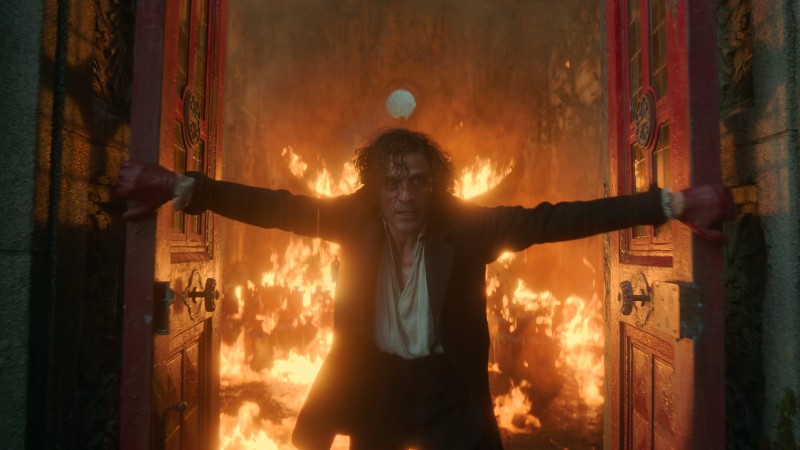
Guillermo del Toro’s Frankenstein
In one of his most personal films, the Oscar-winning director imbues Mary Shelley’s gothic tale with elements of family melodrama and traces of his own Catholic upbringing.
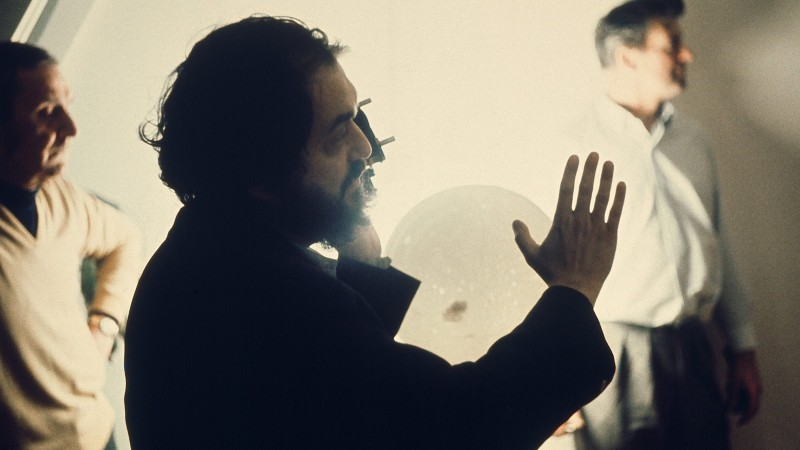
God Laughs: Stanley Kubrick’s Cinema
Throughout his enormously influential body of work, the great director explored the conflict between humankind’s obsession with control and our capacity for error and failure.
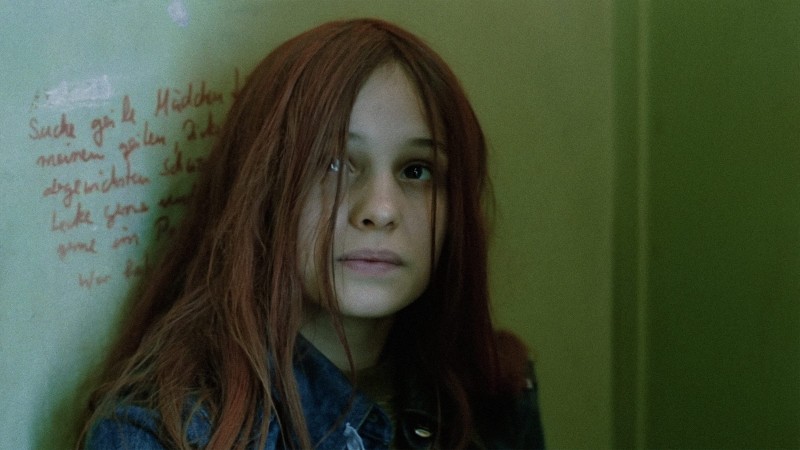
Christiane F.: Up Against the Wall
Uli Edel’s harrowing tale of youth rebellion is one of cinema’s greatest Berlin films, a visceral urban portrait that captures the city’s doom and decadence during the Cold War era.
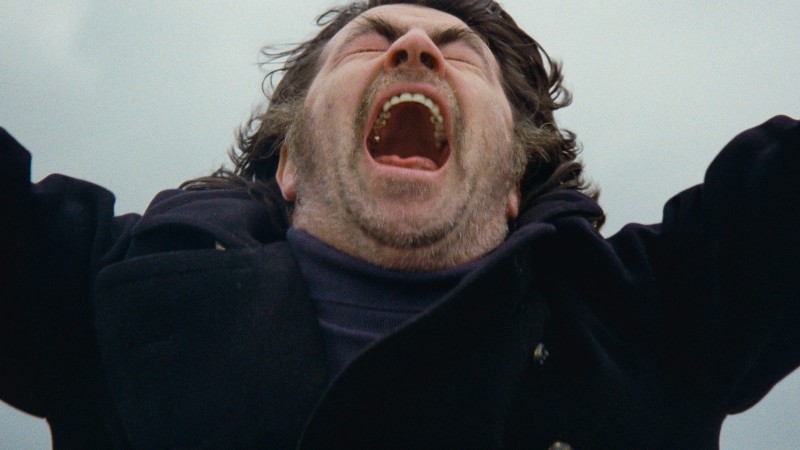
The Shout: Sound and Fury
Blending elements of psychological thriller, social satire, and psychedelic film, Jerzy Skolimowski’s Cannes-award-winning classic uses its audacious sound design to evoke the terror of English civilization.