Variety Lights

Variety Lights (Luci del varietà, 1950) is the ironically grandiose title of an Italian movie featuring the onstage and backstage antics of a provincial troupe of lovably inept vaudeville performers. Their hand-to-mouth existence is bathed in a warm glow of compassion typical of the Italian cinema since World War II. Variety Lights has taken its place in the classical repertory as the first film directed by Federico Fellini (1929–1993), though in tandem with Alberto Lattuada (b. 1914), a lesser known and grossly unappreciated directorial talent. Actually, it was Lattuada who enabled Fellini to enter the ranks of directors inasmuch as he (Lattuada) had been writing and directing his own films since 1943, and had already collaborated with Fellini as a screenwriter, in addition to being married to the female star of Variety Lights, Carla Del Poggio. For his part, Fellini had earned his spurs as a screenwriter for Roberto Rossellini, and was married to the female costar of Variety Lights, Giulietta Masina. She, of course, would later achieve worldwide fame as Fellini’s Gelsomina in La Strada (1954), his Cabiria in Nights of Cabiria (Le Notti di Cabiria, 1957), and his Giulietta in Juliet of the Spirits (Giulietta degli spiriti, 1965).
The plot of Variety Lights bears a striking resemblance to that of All About Eve (also from 1950), without all the gloss and glamour of Joseph L. Mankiewcz’s witty classic of backbiting in the theaters of Broadway. The characters of Fellini and Lattuada work on a much smaller scale, with the denizens of a pathetically provincial vaudeville troupe traveling laboriously from one small town to another for little pay and ever-uncertain receptions. This is post-neorealism with a vengeance, given that both Fellini and Lattuada had been drifting away from themes of social significance toward the self-enclosed worlds of quixotic loners, grifters, and outcasts. Lattuada’s gifts for dramatic narrative were joined in Variety Lights for the first and last time with Fellini’s flair for cartoonish satire and lyrical sentiment.
A seedy, self-styled impresario, played by Peppino De Filippo, tries to play Svengali to a seemingly naïve country girl, played by Del Poggio at first as a sweet kid trying to break into showbiz, but later—to the impresario’s dismay—as a shrewdly calculating temptress prepared to do anything short of murder to get ahead. All the while his pitifully loyal girlfriend, played by Masina, looks on helplessly as her hopelessly deluded lover makes a complete fool of himself, and spends all her savings in the process.
Yet this very bitter narrative is tempered by the warm camaraderie shared by a small community of losers, and by the amusement generated with a series of grotesquely amateurish “acts” performed with the utmost gravity and self-importance. Fellini and Lattuada are among the most eminent inheritors of the Italian cinema’s glorious tradition of expressing compassion for the inhabitants of the underside of bourgeois society. It is through their love for their rumpled characters that Fellini and Lattuada can make us smile and identify with their endless travails. In this respect, at least, they remain faithful to the humanist precepts of neorealism.

More: Essays
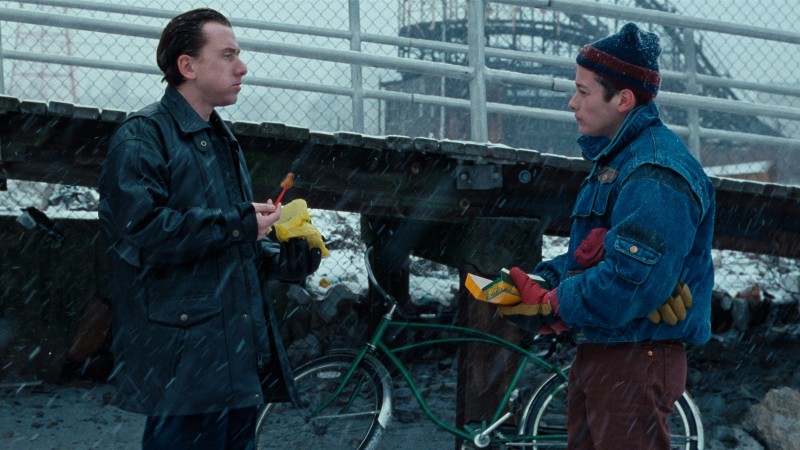
Little Odessa: He Ain’t Heavy, He’s My Brother
James Gray’s extraordinary debut feature is a painstakingly distilled tale of crime and family dysfunction, captured with a merciless gaze and a sharp attention to idiosyncratic detail.
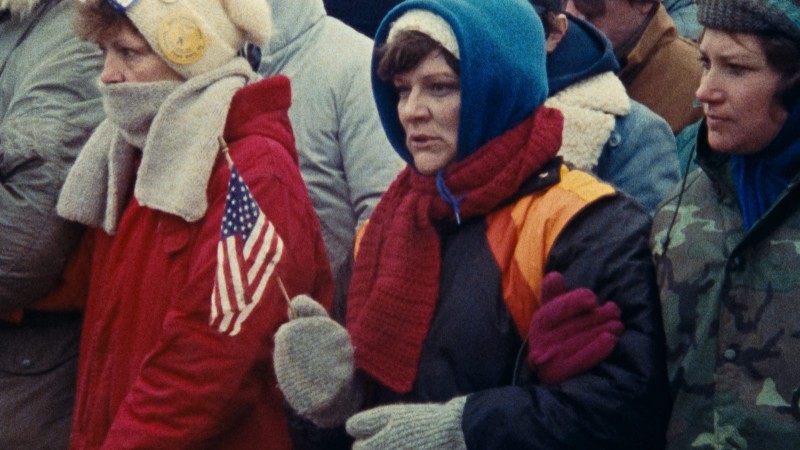
American Dream: The Time Is Right
In her second film, Oscar-winning documentarian Barbara Kopple captures the anguish and perils of disunity in the labor movement and the corrosion of union power during the Reagan era.
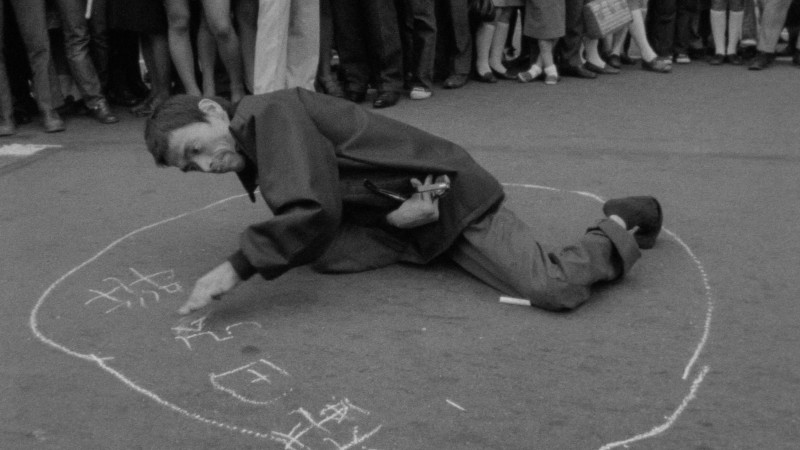
Five Radical Documentaries by Kazuo Hara and Sachiko Kobayashi: Restlessness Refusing Resolution
The pioneering husband-and-wife duo transformed the field of Japanese nonfiction cinema with their portraits of spectacular, edgy personalities and collectives under duress.
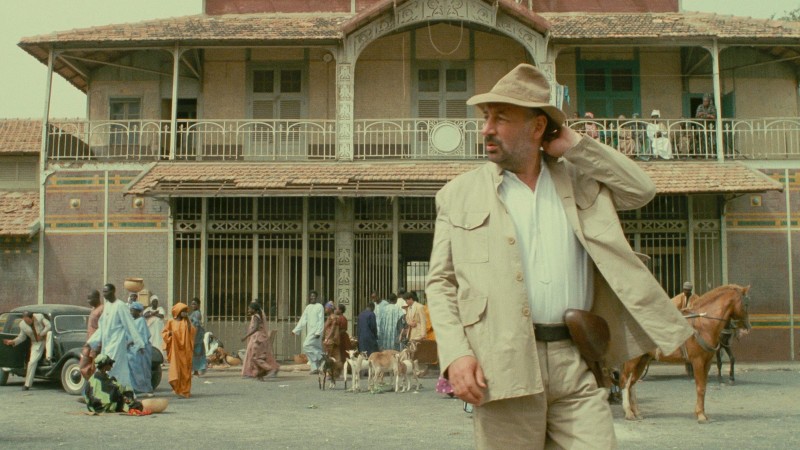
Coup de torchon: “All Crimes Are Collective”
Set in 1930s French West Africa, Bertrand Tavernier’s hard-to-classify adaptation of the Jim Thompson novel Pop. 1280 offers an apocalyptic vision of a society in which institutions have abdicated their moral authority.