The Golden Coach
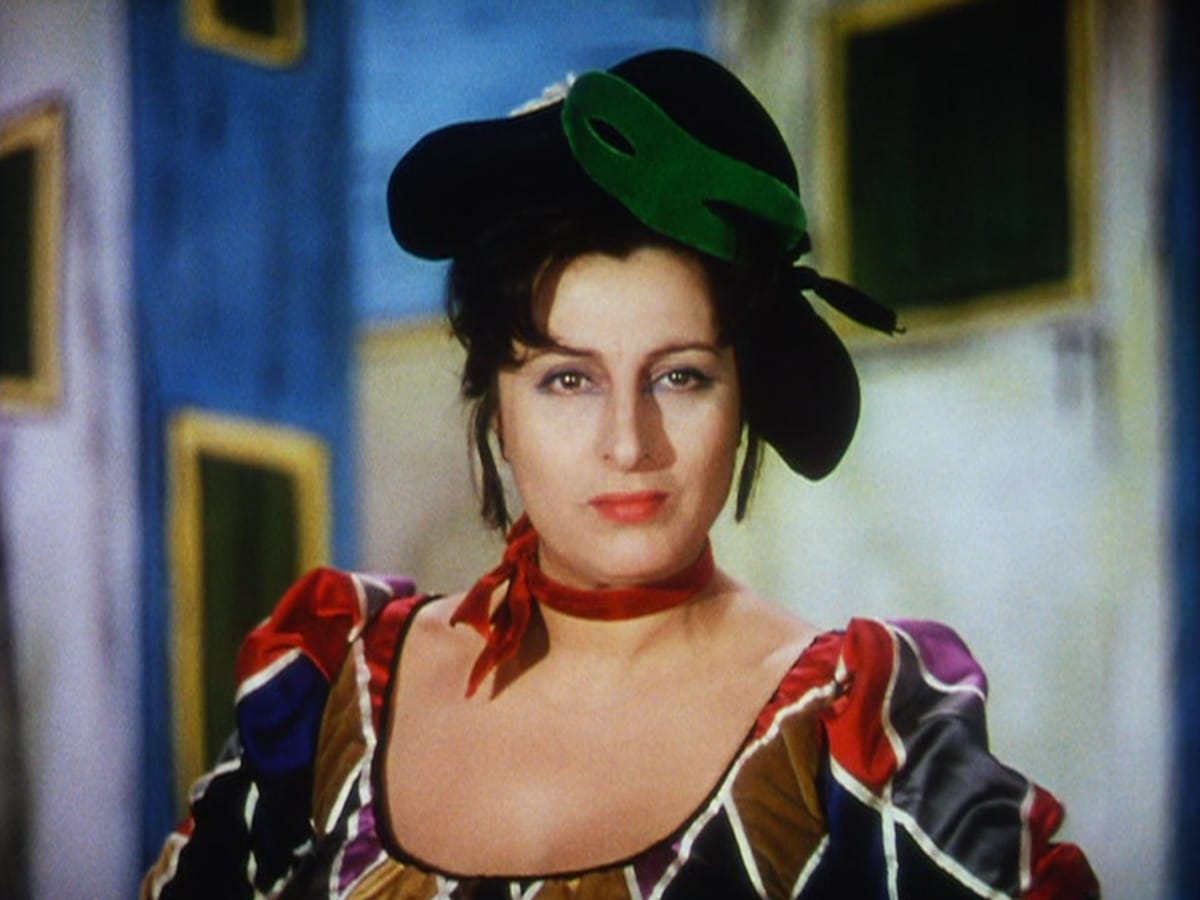
The Golden Coach, adapted very freely from Prosper Mérimée’s Le Carosse du Saint Sacrément, takes place in the eighteenth century and revolves around the golden coach that the viceroy of Peru had delivered from Europe. His mistress hopes that he will give it to her as a love token, but he chooses instead to bestow it on Camilla, the star of a touring commedia dell’arte company from Italy. The viceroy’s ministers threaten to depose him if he goes through with his ruinously extravagant gesture. Camilla resolves the impasse by donating the coach to the bishop of Lima.
“My principal collaborator on this film,” Renoir recalls in his sketchily autobiographical My Life and My Films, “was the late Antonio Vivaldi. I wrote the script while listening to records of his music, and his wit and sense of drama led me on to developments in the best tradition of the Italian theater.”
Nonetheless, the film, as well as the coach itself, was conceived primarily as a vehicle for the tempestuous talents of Anna Magnani. Renoir considered her incarnation of Camilla “dazzling” and clearly built the film around her. Her flair for demotic street comedy was transfigured into stylized nobility by sumptuous costuming and Renoir’s formal camera work.
In its own time, however, The Golden Coach was an international failure in all three language versions with both the critics and the public. (Produced at Cinecittà in Rome, it was premiered in its French version in Paris in February 1953. Renoir repeatedly preferred the English version presented in this release to the Italian version.) The fifties were not a time for subtextual analysis of movies. Yet even Bosley Crowther, the powerful no-nonsense critic of the New York Times, was compelled to acknowledge the sensuous texture of the color photography as he dismissed the film’s apparently naïve plot and its supposedly “beauteous” and “ravishing” star. “But what we see in Miss Magnani,” the captious Crowther cackled, “is a bar refinement of a female guttersnipe, a lusty and lumpish termagant with more raucous vitality than charm.”
Seen today by the international community of cinephiles as a truly “beauteous” and “ravishing” comic fantasy from Jean Renoir’s late period, The Golden Coach can best be appreciated as an illustrious filmmaker’s elegant tribute to the theater. The “comedy” does not consist of laugh-provoking gags or expertly timed slapstick, but is based instead on a clear-eyed vision of art’s denial of “normal” life. Instead of seeking the nonexistent “psychology” of the characters, one must follow the flowing images as a mobile painting driven by Magnani and Vivaldi across the canvas of an Italianate spectacle. Eric Rohmer has described The Golden Coach as “the open sesame” of all Renoir’s work. The two customary poles of his work—art and nature, acting and life—take shape in two facing mirrors, which reflect each other’s images back and forth until it is impossible to tell where one ends and the other begins.
To claim, as reviewers of the time did, that Renoir had failed to produce a convincing narrative, is to scorn Matisse and Picasso for not painting plausible pictures. Jean Renoir, the son of Auguste Renoir, became a modernist of the cinema in the manner of Cézanne’s assertion that he was painting pictures, not apples. Renoir films ideas out of pictures. He seduces the mind through the eyes. To the untutored eye the acting, aside from Magnani, ranges from inadequate to indifferent. The dialogue ranges from the functional to the feckless. Yet the film concludes on a note of sublime eloquence when Don Antonio, the stage manager, addresses the Columbine of Anna Magnani: “You were not made for what is called life. Your place is among us, the actors, acrobats, mimes, clowns, jugglers. You will find your happiness only on stage each night for the two hours in which you ply your craft as an actress—that is, when you forget yourself. Through the characters that you will incarnate, you will perhaps find the real Camilla.”
Then Don Antonio asks Camilla if she misses her three vanished lovers. After a moment’s meditation, the gloriously ambivalent Magnani replies, “A leetle.” The brilliant, unforced ironies of The Golden Coach remind us that conventional cleverness and facility are no substitutes for genius. One must not merely look at The Golden Coach. One must look through it to discern the cinematic brush strokes of a great artist.

More: Essays
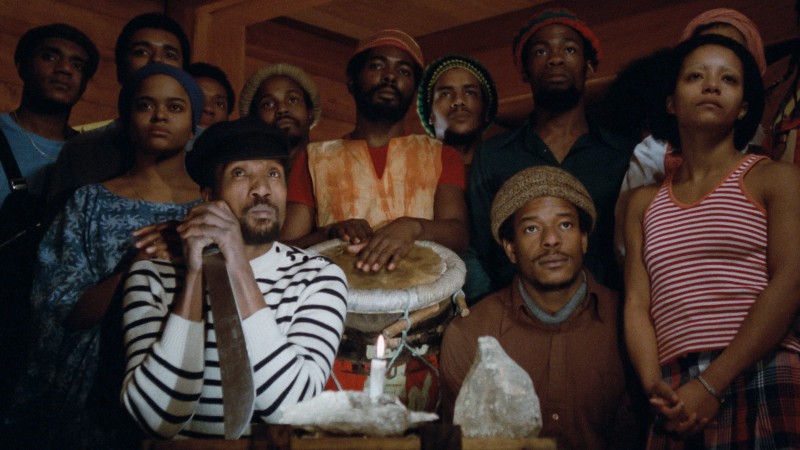
West Indies: The Fugitive Slaves of Liberty: Torrents of Fire, Torrents of Blood
Unfolding in a blaze of vivacious color, Med Hondo’s musical masterpiece is a wildly ambitious exploration of the history of French colonial aggression, the enslavement of African peoples, and their subsequent liberation struggles.

Sentimental Value: Between Trauma and the Sublime
In this powerful drama about family and memory, Joachim Trier explores how the past lives on in us, shapes us, and partly determines who we are and how we feel.
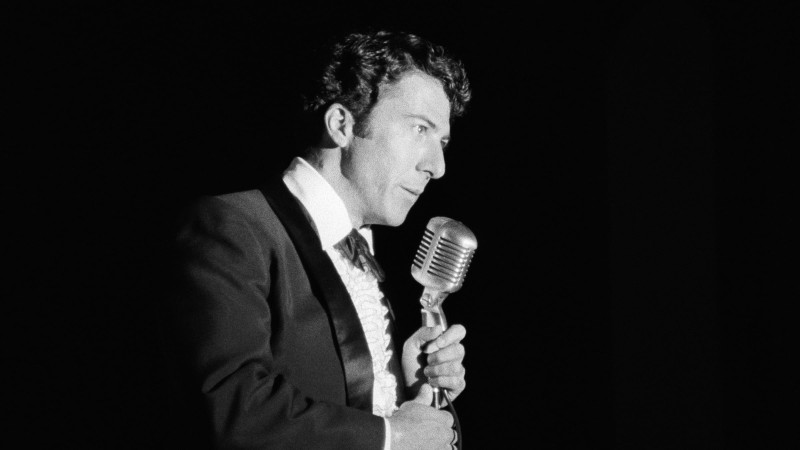
Lenny: High-Wire Act
Featuring a quasi-documentary format that was innovative for its time, Bob Fosse’s complex portrait of stand-up comedian Lenny Bruce is a gesture of postmortem outreach from one prickly, jagged-edged artist to another.
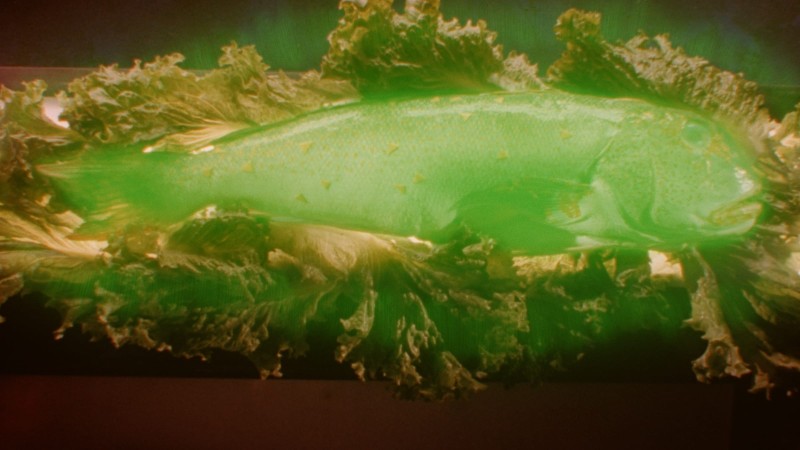
Fresh Kill: Fluid Transmission
New-media pioneer Shu Lea Cheang’s astonishingly prescient dystopian vision takes place in a world where technology feels sticky and bodily, and where networks seep into food, water, and flesh.