Diabolique

After finishing Diabolique, heralded French director-screenwriter Henri-Georges Clouzot (1907–1977) confessed that all he had intended was to make a picture that would “amuse myself” and please a young girl who hid under the covers and asked her father to frighten her with a bedtime story. He shrugged: “I just produced it as I would a game.” Yet the “child’s game” was soon recognized everywhere as an adult terror classic, far too chilling for the children of the world.
Indeed, prior to Alfred Hitchcock’s Psycho, Clouzot’s eerie masterwork was considered the most frightening and artistic horror picture ever made. In fact, just as Hitchcock was a major influence on France’s master of suspense, Hitchcock admitted an equal debt to Clouzot, and not just because they had similar disrespect for actors (whereas Hitchcock called them “cattle,” martinet Clouzot called them “instruments”). Not only can we see traces of Psycho throughout Diabolique—note the many similar plot elements and story twists, suspense devices, shocks, quirky characters, and morbid humor—but Hitchcock even borrowed Clouzot’s successful ploy of insisting no one be admitted to theaters once the film began. Hitchcock’s fondness for Clouzot was evident two years before, when he made Vertigo. That equally sordid tale was adapted from the book D'entre les morts by Pierre Boileau and Thomas Narcejac, the writers of Diabolique’s source novel, C’elle qui n’etait plus.
The setting is a provincial boys school run by the dictatorial Michel Delassalle (Paul Meurisse) and his gentle, brutalized wife, Christina (Vera Clouzot, the director’s wife), who has a heart condition. If she dies, the school will belong to him. Delassalle is openly having an affair with a teacher, Nicole Horner (Simone Signoret), and has taken to beating her as well. Both trapped by this domineering brute, the headmistress with the bad heart and the mistress with the black eye plot to murder Delassalle. They carry out their plan, drowning him in a bathtub far away from the school and then surreptitiously dumping his body into the school’s swimming pool. But when the pool is drained there is no corpse. Is the young student telling the truth when he insists he just spoke with Delassalle? And could Delassalle be the figure standing in the window behind the boys in a school photograph? And who picked up Delassalle’s clothing from the dry cleaner? The two women are understandably disturbed by these strange developments and begin to squabble. Left alone at night in the deserted school, Christina’s heart begins to feel the strain as she wanders the dark corridors. There are spooky sound effects and music, and no actress since Fay Wray has exhibited pure terror better than the director’s wife.
Like Psycho, Diabolique has been imitated so many times that its twist ending probably won’t surprise first-time viewers—although the climactic sequence should give anyone the creeps. Impressive, nevertheless, is thecinematic virtuosity of Clouzot, particularly in the finale, as disturbing in its bleak vision as his earlier gems, Le Corbeau and Wages of Fear. As always, his film is strongly acted, strikingly paced for tension and suspense, and exhibitsa perverse nastiness of character and environment that is oppressive and unsettling. It is a film where the heroine—the nicest person in the story—plans a cold-blooded murder; an entire scene at the school centers around the serving and eating of spoiled fish (rumor has it that the director actually made his actors eat the fish so they’d better understand the nature of the school and the characters); the dilapidated school, rowdy boys, and terrible teachers are a matched set; and where water, a symbol of purity and birth/life, is equated with death (as in Psycho). Diabolique is most definitely the work of an angry artist who spent several years of his adult life in sanitariums recovering from his illness but not his cynicism.
More: Essays
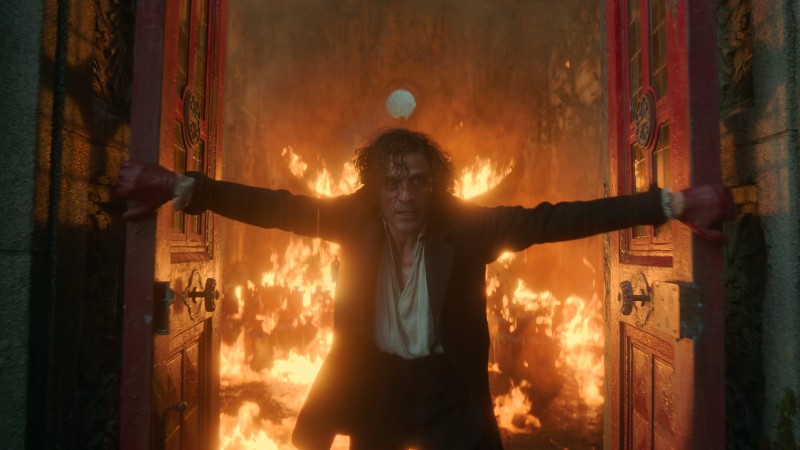
Guillermo del Toro’s Frankenstein
In one of his most personal films, the Oscar-winning director imbues Mary Shelley’s gothic tale with elements of family melodrama and traces of his own Catholic upbringing.
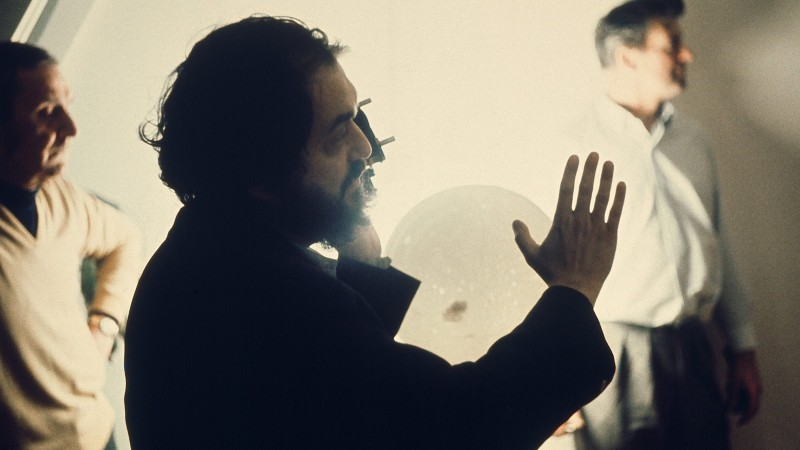
God Laughs: Stanley Kubrick’s Cinema
Throughout his enormously influential body of work, the great director explored the conflict between humankind’s obsession with control and our capacity for error and failure.
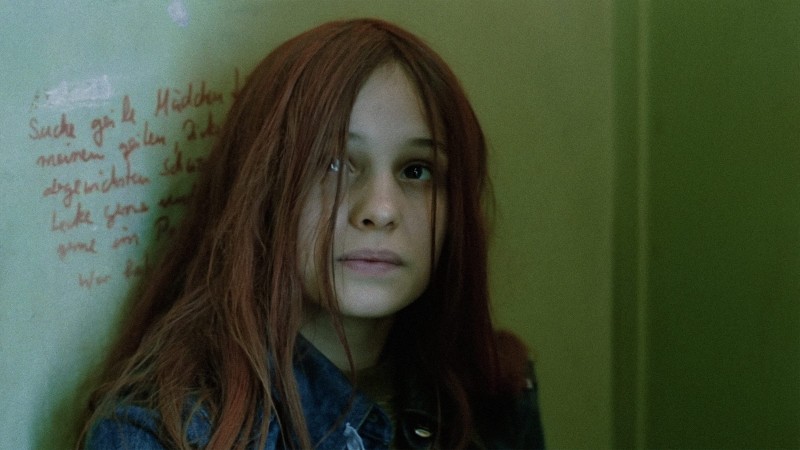
Christiane F.: Up Against the Wall
Uli Edel’s harrowing tale of youth rebellion is one of cinema’s greatest Berlin films, a visceral urban portrait that captures the city’s doom and decadence during the Cold War era.
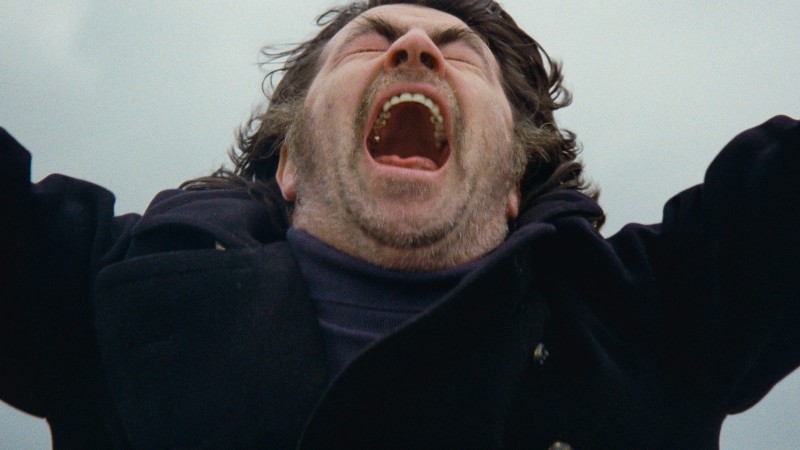
The Shout: Sound and Fury
Blending elements of psychological thriller, social satire, and psychedelic film, Jerzy Skolimowski’s Cannes-award-winning classic uses its audacious sound design to evoke the terror of English civilization.