The Naked Kiss

Abeautiful woman is mysteriously beating the bejesus out of a drunk when he suddenly pulls at her hair and it comes off. The now totally bald woman continues smacking him around with her shoe until he falls to the ground. Soon, she stops hitting him and starts going through his wallet. He’s got a giant wad of cash, but she only takes the $75 that’s coming to her. She’s sadistic but honest.
So begins The Naked Kiss, written, produced, and directed by Samuel Fuller, a fundamentally American filmmaker with a reputation for full-blown melodrama. The Naked Kiss lives up to his reputation.
Samuel Fuller was born in 1911. He got his first job as a teenage crime reporter for the San Diego Sun, and was soon cranking out short stories and pulp novels like Burn Baby Burn (1935). He started writing screenplays (Gangs of New York, 1938), but got sidetracked into World War II, where he won a Bronze Star, a Silver Star, and a Purple Heart while fighting for the First Infantry Division in Africa. He came back to Hollywood and directed his first film, I Shot Jesse James, in 1949.
Like Hitchcock, Fuller is now considered a master of popular entertainment. In films like Pickup on South Street (1953), Underworld U.S.A. (1961), Merrill’s Marauders (1962), and Shock Corridor (1963), Fuller’s politics may have been crude and macho, but hisfilmmaking power was undeniable. He moves his camera expertly, using stark dramatic lighting, overly theatrical dialogue, and music that almost never stops.
To an American, Fuller’s films might seem like routine pulp melodramas, straight off the pages of dime-store crime magazines. But to a foreigner, those very qualities make his films consummate portraits of America. He’s been proclaimed a quintessential American director by the international film community, which means he’s fascistic, virile, and shamelessly manipulative. (Fuller is somewhat of a cult heroin France, which almost redeems their infatuation with Jerry Lewis.) Fuller’s arty compositions and artificial dialogue would seem to play better in subtitles. It’s sultry and passionate discourse, full of innuendo. People only talk like this in movies.
The Naked Kiss, Fuller’s seventeenth film, takes place in a quaint time when grabbing a snort meant having a drink, when all women were dames and all men were heels. Kelly starts outside society, enters it, finds it corrupt, and leaves. Despite her occasional penchant for violence, we end up endorsing all her actions. She’s a woman of two worlds trying to find redemption in a world controlled by men. After the surprisingly violent opening, Fuller goes just a wee bit overboard to let us know this woman is not what she seems. In the next shot, Kelly shows up in Grantville, a suburb where everyone is artificially decent. Another Fuller film, Shock Corridor, is playing at the only theater in town, and overhead there’s a banner proclaiming an upcoming fashion show for handicapped children at the Grantville Orthopaedic Medical Center. This is obviously a town that cares about its children, so the first thing Kelly does is give a crying baby a bottle. Soon, she turns into Mother Teresa, quoting Goethe and teaching cripples to walk.
Due to Fuller’s unique ability to cast unknowns destined to stay unknowns, there’s nobody in The Naked Kiss you’re likely to recognize except for Candy, the madame, played by Virginia Grey, who was Little Eva in Uncle Tom’s Cabin (1927), and Edy Williams (of Russ Meyer fame), who makes a brief appearance as a cheap floozy called Hatrack (because every guy who comes in wants to hang his fedora on her). It’s an odd cast, full of actors who are utterly transparent. You know everything about them the first time you see them.
Fuller also manages to disobey several of the laws of civilized filmmaking, including jump cuts (editing from one shot to another take of the same shot), long inner monologues, and one of the most inappropriate and maudlin musical numbers ever filmed.
Fuller’s films were often critically rejected for their self-conscious pessimism, but even his detractors had to admit that he was an auteur. Fuller himself has left us quite a legacy. Andrew Sarris called him “an American primitive,” and Peter Wollen said that “Fuller’s cinema is the opposite of naturalistic cinema. He shows moral qualities, not physical appearances.” He’s one of the few filmmakers who uses his art to instruct, and his films are all moral tracts.
None of this made any difference to Fuller. “Film is like a battleground,” Fuller once said, “with love, hate, action, violence, death . . . in one word, emotion.” Welcome to the world of “emotion pictures.”
More: Essays
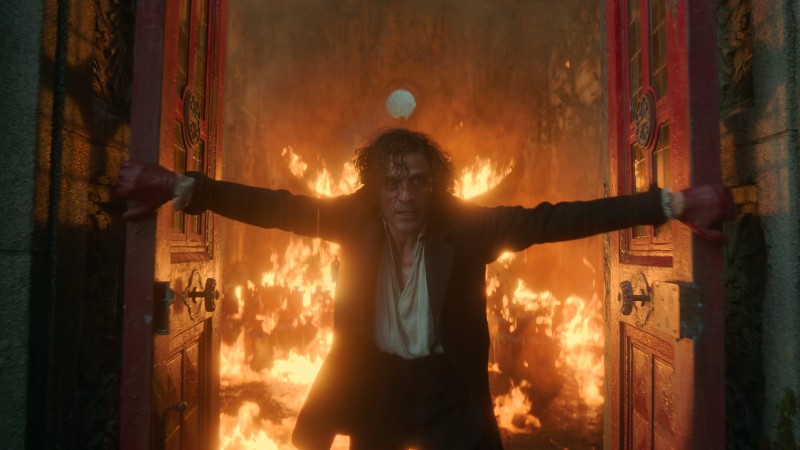
Guillermo del Toro’s Frankenstein
In one of his most personal films, the Oscar-winning director imbues Mary Shelley’s gothic tale with elements of family melodrama and traces of his own Catholic upbringing.
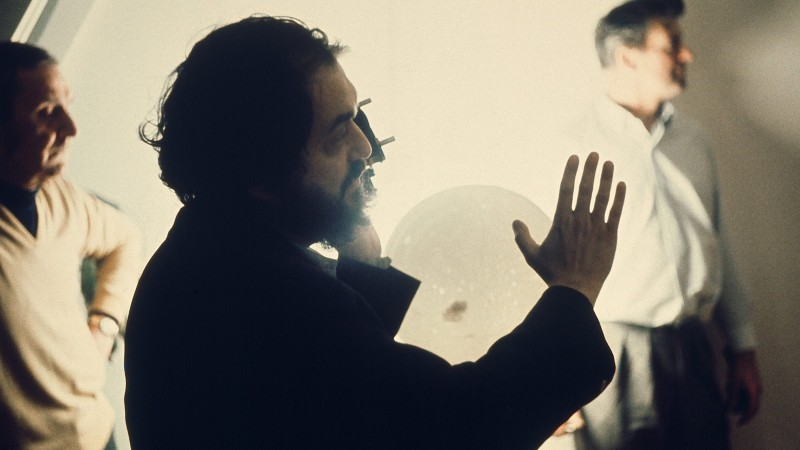
God Laughs: Stanley Kubrick’s Cinema
Throughout his enormously influential body of work, the great director explored the conflict between humankind’s obsession with control and our capacity for error and failure.
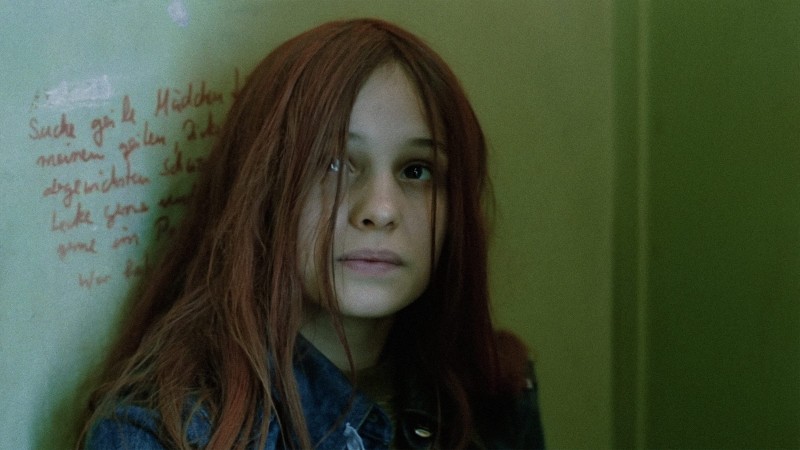
Christiane F.: Up Against the Wall
Uli Edel’s harrowing tale of youth rebellion is one of cinema’s greatest Berlin films, a visceral urban portrait that captures the city’s doom and decadence during the Cold War era.
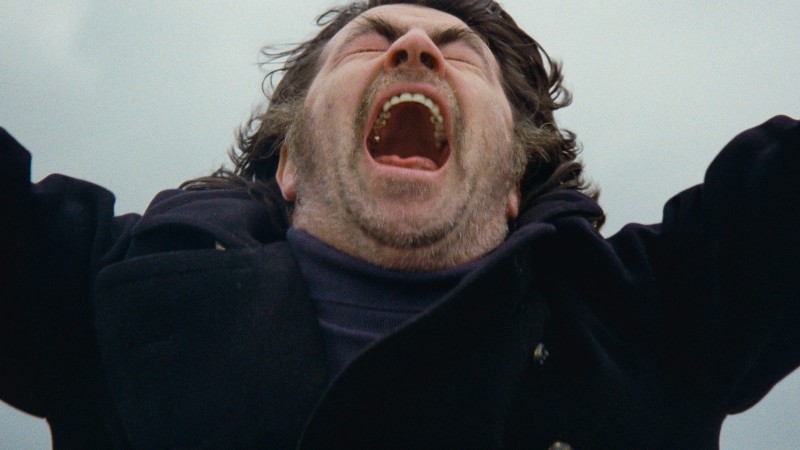
The Shout: Sound and Fury
Blending elements of psychological thriller, social satire, and psychedelic film, Jerzy Skolimowski’s Cannes-award-winning classic uses its audacious sound design to evoke the terror of English civilization.