Flesh for Frankenstein
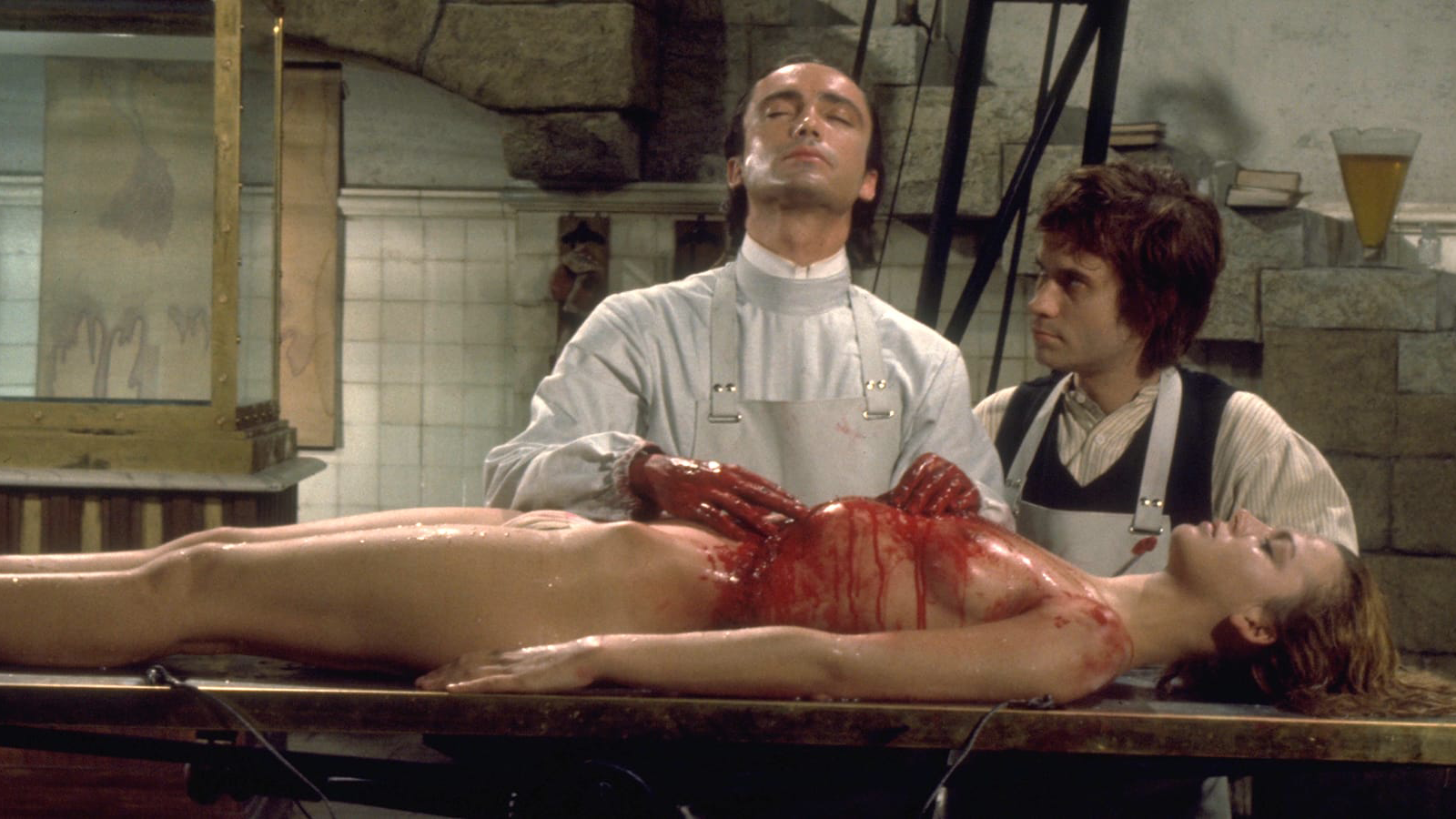
Paul Morrissey’s Flesh for Frankenstein is one of the goriest film comedies ever made. Yet despite its schlocky sensationalism, it’s still a Paul Morrissey film. That means it has some passionately felt things to say about how we live—and mainly waste—our lives today. Specifically, it blames sexual liberty and individualistic freedom for destroying our personal and social fibre by turning people into commodities. As in his Blood for Dracula (1974) and Beethoven’s Nephew (1985), Morrissey suggests that the moral failure exposed in his contemporary films—such as the Flesh trilogy (1968–72), Mixed Blood (1984), and Spike of Bensonhurst (1988)—derives from historical romanticism.
Morrissey deliberately lets his characters speak clichés for his satiric purpose. He lets them act inconsistently to suggest the vagaries of mortal whim. He goes way, way overboard, especially on the in-your-face gore in the rare 3-D version, because he considers both the horror genre and the 3-D fad to be ridiculous indulgences, romantic and commercial respectively. The film is absurd, but that’s calculated—and right in line with Morrissey’s familiar underlying moral spin.
Morrissey’s key target here is sexual indulgence. The mad Baron Frankenstein (Udo Kier) is married to his sister, Katrin (Monique Van Vooren). With theirtwo children they live a demented sitcom family’s life; hubby rushes off to his lab and wife complains of neglect. With his trusty servant, Otto (Arno Juerging), the baron has constructed a heroic female and now plans to make her a male mate. For him he needs the brain of a lustful primitive “who wants to make love to anything.” Things go awry when the baron transplants the head of a would-be monk (Srdjan Zelenovic) instead of the lusty peasant (Joe Dallesandro), who becomes the baroness’ lover, while the baron is engaged in a barren act of reproduction in his laboratory.
For Morrissey, the baron’s science represents a sexuality detached from human emotion. The incestuous couple, victims of their parents’ libertinism, show no love in their union. The baron shows no sexual interest in his sister/wife nor jealousy at her infidelities. In contrast, Dallesandro’s peasant suggests a sexuality that is free and natural. With his energy and dedication to his friend, this character is the most positive role that Morrissey gave Dallesandro.
Yet pointing up the destructiveness of unbridled sexuality, the baroness is killed when she commands the zombie to satisfy her, while the baron and Otto literally forget the place of sexuality in life. Further, by framing the film with shots of the malevolent children, Morrissey suggests that man’s corruption has contaminated the future.
Finally, there is that sensationalist 3-D—the projectiles show Morrissey’s tongue in cheek. Morrissey shoves man’s physicality at us when he juts his corpse’s feet out of the screen, with the various tumbling guts and spouting blood, and the climactic spearing out of the baron’s guts. Morrissey is satirizing film violence and the genre’s gore in these shots, because they clearly refer more to other films than to reality: “To know death, Otto, you have to. . .” is a pointed parody of Marlon Brando’s pretentious line from Last Tango in Paris.
As Alfred Hitchcock often demonstrated, in rather different tones, comedy and horror, laughter and fear, are closely related experiences. In few films are they yoked as exuberantly as in Paul Morrissey’s Flesh for Frankenstein.

More: Essays
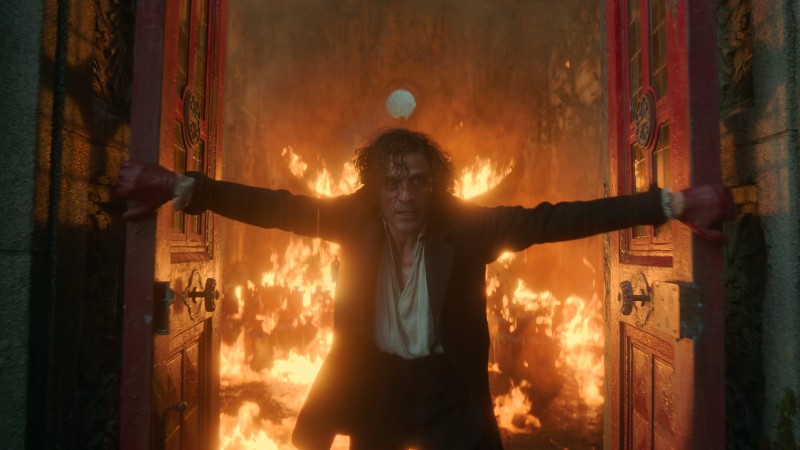
Guillermo del Toro’s Frankenstein
In one of his most personal films, the Oscar-winning director imbues Mary Shelley’s gothic tale with elements of family melodrama and traces of his own Catholic upbringing.
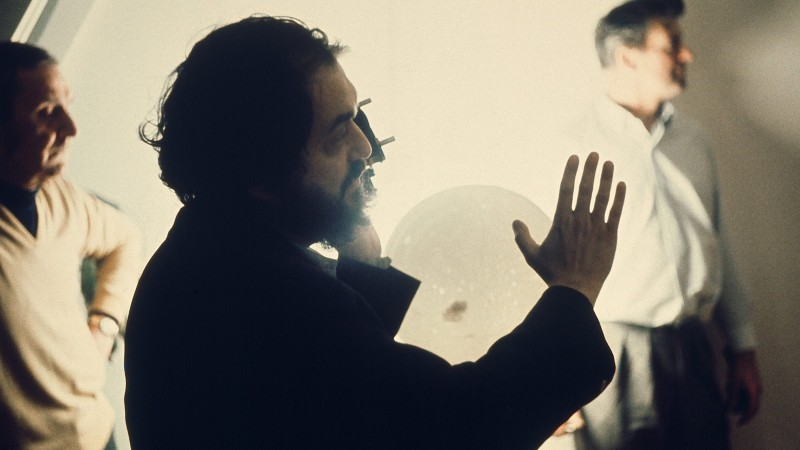
God Laughs: Stanley Kubrick’s Cinema
Throughout his enormously influential body of work, the great director explored the conflict between humankind’s obsession with control and our capacity for error and failure.
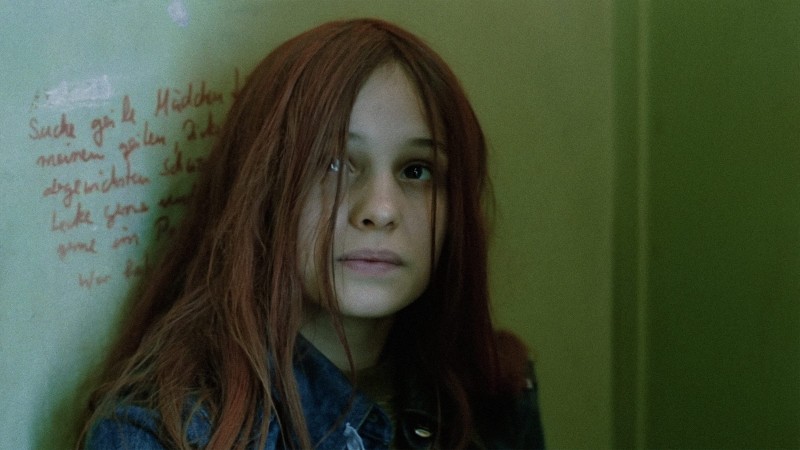
Christiane F.: Up Against the Wall
Uli Edel’s harrowing tale of youth rebellion is one of cinema’s greatest Berlin films, a visceral urban portrait that captures the city’s doom and decadence during the Cold War era.
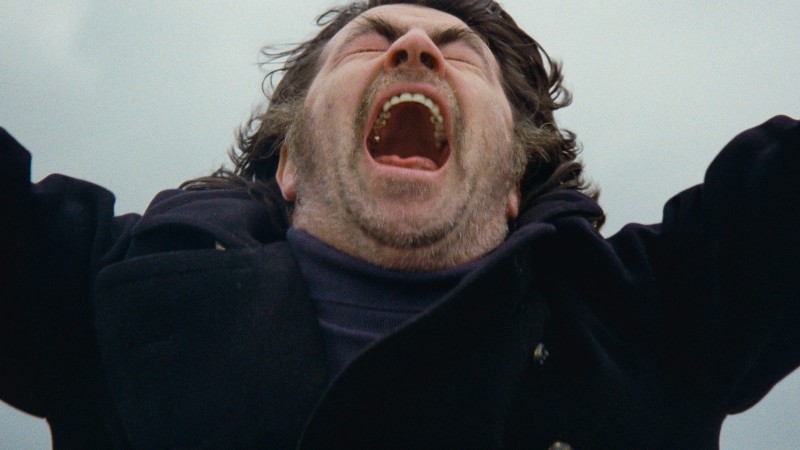
The Shout: Sound and Fury
Blending elements of psychological thriller, social satire, and psychedelic film, Jerzy Skolimowski’s Cannes-award-winning classic uses its audacious sound design to evoke the terror of English civilization.