The Last Wave
Asense of foreboding pervades an opening scene of Peter Weir’s The Last Wave, though the sun shines and young children play cricket as usual during recess at school. Then, suddenly, the wind picks up, dust rolls in like waves from the distance, and the children and their teacher race indoors, where bricks of hail pierce the windows and gouge their fragile skin. It is a classic horror image—only here the victims are not so much shocked as creepily fascinated. Destruction, seemingly unexpected, has answered their intimations of cataclysm and bliss.
From Picnic at Hanging Rock (1975), where schoolgirls float off during an outing at Australian aboriginal sacred grounds, to The Truman Show (1998), where the hero braves death to escape the clichés of American television, all of Peter Weir’s films defy simple definitions of reality. But The Last Wave, Weir’s first film to be released in America, goes further—insisting on the tangible power of spiritual life.
The Last Wave involves a Chinese box of mysteries—from the sudden death of a healthy Australian aboriginal to the conundrum of a white Australian’s dreams. The plot line follows a Sydney corporate tax lawyer, David, who takes on a legal aid case involving a group of aboriginals accused of murdering a man outside their tribe. While the black men assure David that they are innocent, they refuse to divulge evidence that could save their lives. They fear something more terrifying than death, David figures, and he commits himself to discover what and why.
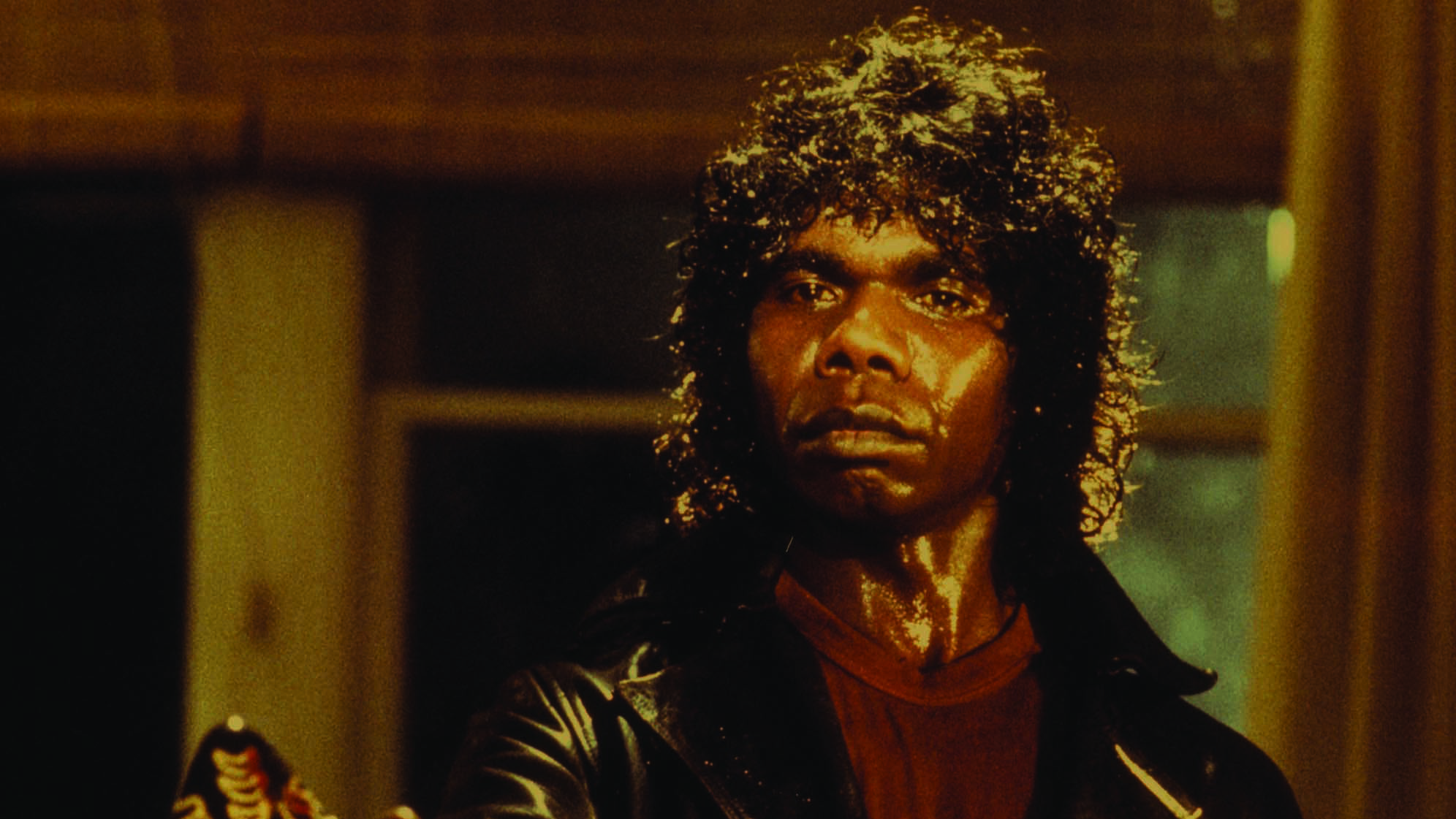
Peter Weir said he got the idea for The Last Wave when he asked himself, “What if someone with a very pragmatic approach to life experienced a premonition?” Fittingly, David’s preoccupation with the aboriginal murder is triggered by his own bad dreams. To understand his clients, he steeps himself in aboriginal history, then gets drawn to their tribal mysteries as well. Chris (Gulpilil), one of the defendants, becomes David’s spiritual guide, and the lawyer’s nightmares increasingly invade his waking hours as bathwater gushes off the landing of David’s staircase, and the skies shower soot on the windshield of his car.
Visually stunning from start to finish, The Last Wave exudes the excitement of the so-called “new Australian cinema,” which in the 1970s burst onto the international scene. Where the French New Wave auteurs had reacted against their predecessors, the films of Australia were practically suis generis—for a quarter century, Australian movie screens had been completely dominated by imported Hollywood (and sometimes British) product. Australians’ screen idols were John Wayne and Elizabeth Taylor; their movie landscapes were the streets of London and the American West. Then, in 1970, John Gorton’s government legislated an Australian film industry into existence: opening a state-financed film school and underwriting the early works of Gillian Armstrong (My Brilliant Career), Fred Schepisi (The Chant of Jimmy Blacksmith), Bruce Beresford (The Getting of Wisdom), and Phillip Noyce (Newsfront) as well as Peter Weir.
Along with these other gifted filmmakers, Weir set out to explore the nature of Australian identity. The Last Wave, like Schepisi’s The Chant of Jimmy Blacksmith, grapples specifically with the dilemma of a native black race ruled by immigrant whites. City aboriginals are “no different culturally than depressed whites,” a colleague flippantly informs David, but the thrust of the film suggests the opposite—that aboriginals possess a powerful separate and more spiritual identity that whites ignore at their own risk.
Many of the great pleasures of The Last Wave derive from its acting. Richard Chamberlain brings a febrile intensity to the emotionally confused David, while the gifted Gulpilil, playing Chris, David’s alter-ego, manages to convey fierce tribal loyalty while flirting with the logic of the white man’s world. Chris’s tribe leader, Charlie, is far more intractable. Played with disconcerting calm by the arresting Nandjiwarra Amagula (who was a tribe leader in real life), Charlie represents the spiritual leader as both a dignified artist and a merciless god.
In the film’s seductive conclusion, David follows Chris through a cavern filled with talismanic paintings, then confronts apocalypse in the form of a swelling sea. But the ending is admirably ambiguous. For while Weir’s hypnotic images inspire the predictable awe and terror, The Last Wave refuses to resolve either the political or the spiritual issues it so eloquently pursues.

More: Essays
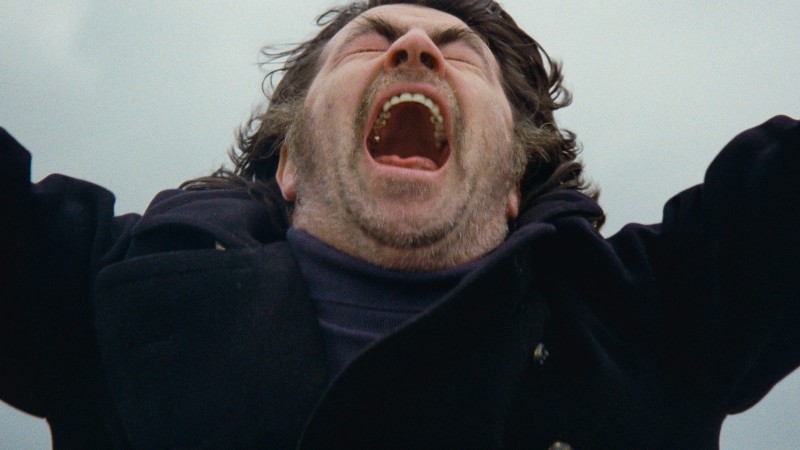
The Shout: Sound and Fury
Blending elements of psychological thriller, social satire, and psychedelic film, Jerzy Skolimowski’s Cannes-award-winning classic uses its audacious sound design to evoke the terror of English civilization.
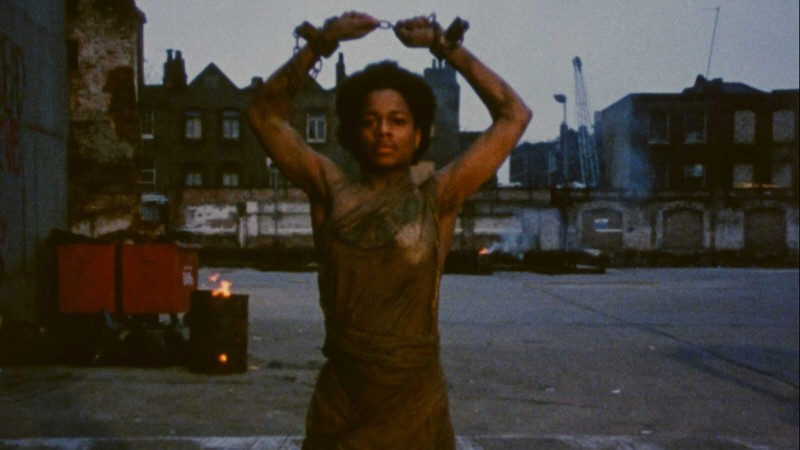
Welcome II the Terrordome: The Future Is Furious
A dystopian drama that draws on the influences of African mythology and hip-hop, Ngozi Onwurah’s debut feature uses a mix of speculative forms to expose anti-Blackness as a system that underpins the modern world.
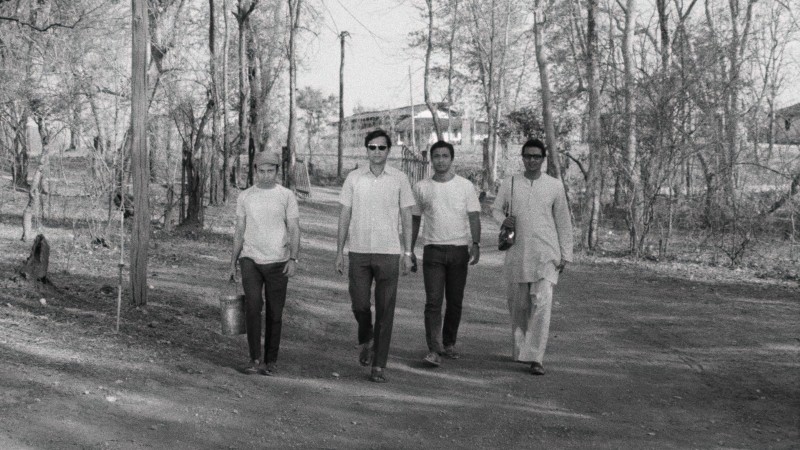
Days and Nights in the Forest: Into the Woods
In this tale of four privileged bachelors who embark on a trip to the Indian countryside, Satyajit Ray balances a biting critique of masculine fragility with splendid visual grace.
Three Films by Leos Carax: Vital Signs
With their mix of comedy, ecstasy, and aesthetic strangeness, the French auteur’s first three features grant us access to psychic states that we might not otherwise be able to enter.