Sullivan’s Travels
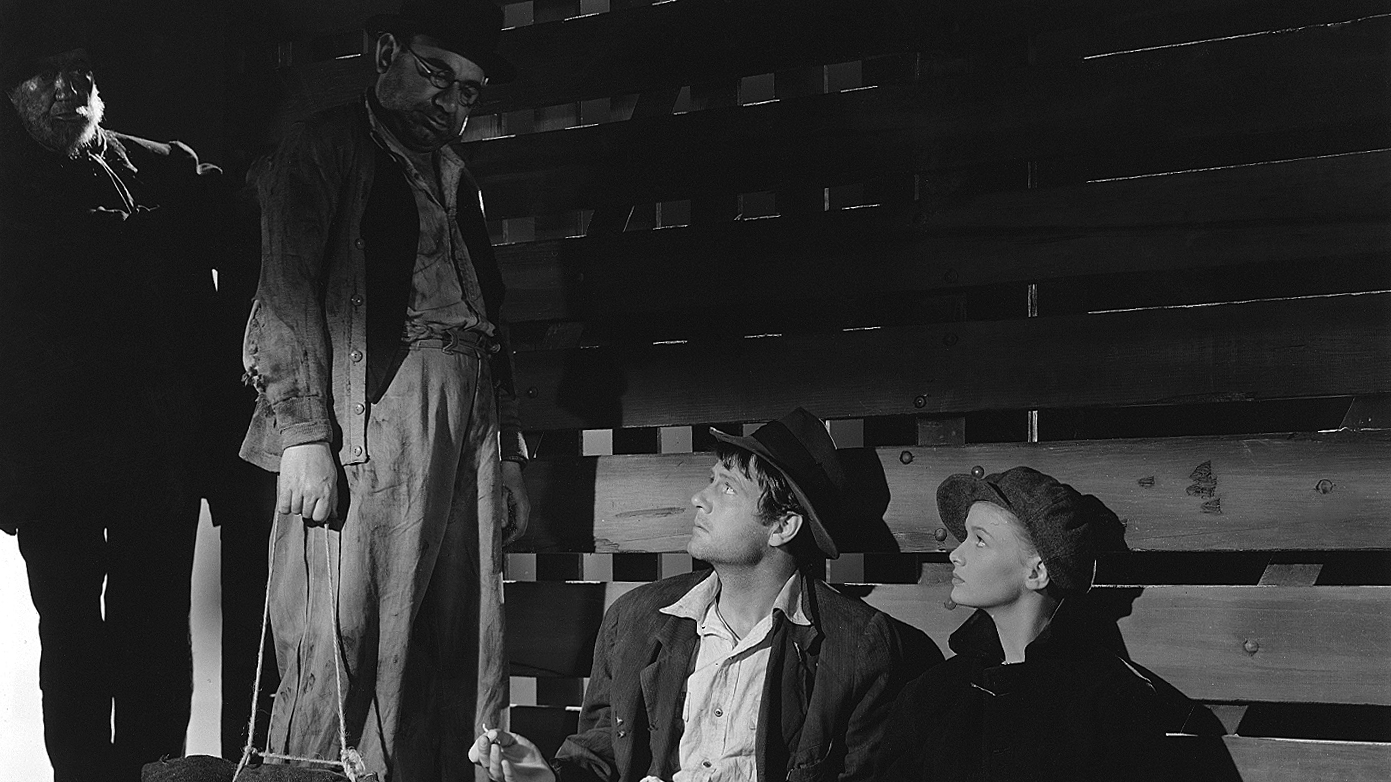
The sweetest, most generous-hearted satire of the Hollywood film industry the town has ever produced, Sullivan’s Travels was the fourth of the eight films Preston Sturges made during his astonishingly prolific streak between 1940 and 1944. Deserving of eternal veneration as the first screenwriter to decisively break through as a director, Sturges paved the way for the likes of John Huston, Billy Wilder, and Joseph L. Mankiewicz. Sturges’ reputation surpassed even those screen giants in the sense that he was, in every respect, the author of his films, working without a collaborator and always from his own original stories. Having already made his mark as a Broadway playwright, he was the first filmmaker to function like a playwright/theatrical impressario at a major studio, not only creating his own material but assembling his own troupe of players. More than anyone in that era of Hollywood, he fully deserved the authorial billing on the title card: “Sullivan’s Travels by Preston Sturges.”
One of the secrets as to how Sturges was able to maintain such a triumphantly productive pace was his dedication to the precepts of a self-help book called How Never to Be Tired: Two Lifetimes in One. Another was the fact that the first three screenplays he directed at Paramount—The Great McGinty (for which he won an Oscar), Christmas in July and The Lady Eve—were older works, taken from his shelf and dusted off. Sullivan’s Travels, therefore, was the first script Sturges wrote in full knowledge that he would direct it himself.
From the hilarious, seven-minute opening scene—in which successful comedy director John L. Sullivan persuasively argues with his resistant studio bosses that the time has come for him to make a serious, socially significant drama “like Capra” and gets the okay to set out on a hobo’s journey to discover poverty and suffering first-hand—the question can plausibly be asked: Is Sully Preston Sturges? The answer, as revealed over the course of the picture, is yes and no. Sturges was a curious combination of low-brow aristocrat and melancholy wiseguy. His mother, Mary Desti (art maven and best friend to Isadora Duncan), had dragged little Preston through the museums and opera houses of Europe when he wasn’t packed off to exclusive boarding schools; his stepfather, Solomon Sturges, was a vastly successful Chicago businessman whom Preston adored. In the critic Manny Farber’s view, Sturges’ unique background “made him a logical candidate for Hollywood, whose entire importance in the history of culture resides in its unprecedented effort to merge art and big business.” Sullivan’s Travels, which by its very title boldly invites comparison to one of the greatest satires ever composed in the English language, pivots on the theme of art vs. commerce—a theme that represents a central duality in Sturges’ personality.
None of this complexity is evident in Joel McCrea’s Sullivan, whose affable if acerbic blandness makes one wary of his proposed filmic examination of the lower depths, O Brother, Where Art Thou?—no doubt its studied sincerity and superficiality would have qualified it for an Academy Award. Furthermore, Sturges explicitly distances himself from Sullivan via the titles of the latter’s two recent hits, Hey, Hey in the Hayloft and Ants in Your Plants of 1939, never suggesting that Sully is a writer. No, the director here is not meant to be a “genius,” which is how Paramount actually promoted its wonder boy at one point, but someone resembling most successful Hollywood directors, a guy who lucked out and amassed wealth and luxury quite incommensurate to his modest talent. So while Sullivan’s Travels may be Sturges’ most personal film, and the most direct expression of his allegiance to the muse of comedy over tragedy (and his choice of popular entertainment over High Art), for a more credible self-portrait the viewer would do well to turn to Rex Harrison’s temperamental orchestra conductor in Unfaithfully Yours.
But Sullivan’s relative opaqueness helps make him an utterly genial companion on his Swiftian tour of America at the moment before the Great Depression crashed on the beachhead of World War II. Awaiting the release of The Lady Eve, Sturges began writing Sullivan’s Travels in early February 1941, and shot it from May 12 to July 21. It was at this time of Sturges’ greatest autonomy, when he ranked as the seventh-highest earning individual in Hollywood, that the reins of power at Paramount were transferred from Sturges champion William LeBaron to songwriter Buddy DeSylva, who just two years later would fire the studio’s most famous writer-director. DeSylva and Sturges’ very first argument was over the casting of the female lead: Sturges insisted upon Veronica Lake, while the boss proposed Ida Lupino, Frances Farmer, Claire Trevor, Lucille Ball, Betty Field, or Ruby Keeler. To be sure, more than one of these actresses would have brought the Girl a more authentic voice of experience and tough times. But Sturges stuck by his choice, even when he learned at the beginning of shooting that Lake was six months pregnant (imperceptibly so at the start, but by June, her condition had to be creatively concealed by costume designer Edith Head).
The reward for the casting of McCrea and Lake, whatever their limitations compared to Hollywood’s very best actors, is that Sullivan’s Travels stands as Sturges’ warmest achievement. The film does play subtle mischief with the censors (Sturges skirts the stricture against couples occupying the same bed by having Sully and the Girl sleep together on the floors of the train boxcar and the flophouse) and has its moments of formal daring (notably the entirely silent seven-minute tour of shantytown), but there can be little argument that other Sturges films are more outrageously subversive (The Miracle of Morgan’s Creek) or perfectly structured (The Lady Eve). And yet Sullivan’s Travels is one of the few Hollywood films that summons emotions similar to those elicited by the work of Charlie Chaplin (who knew what the lower depths were all about, and made poverty the subject of much of his most endearing and enduring work). It has survived its initial mixed critical reception and non-hit status to rank as one of Sturges’ most beloved films. Conceived as a self-justification for the creative path he had chosen, this film evolved into one from the heart, the single picture that moves through all the pratfalls and pranks and witticisms and barbs and in-jokes to achieve a synthesis that is both terribly funny and deeply moving.

More: Essays
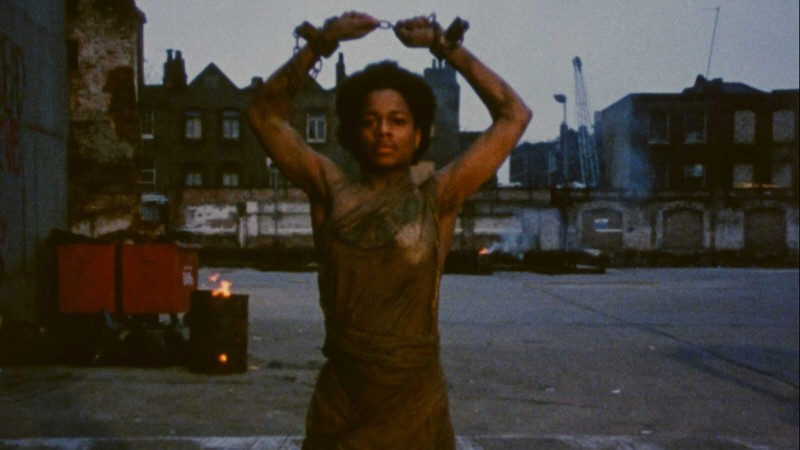
Welcome II the Terrordome: The Future Is Furious
A dystopian drama that draws on the influences of African mythology and hip-hop, Ngozi Onwurah’s debut feature uses a mix of speculative forms to expose anti-Blackness as a system that underpins the modern world.
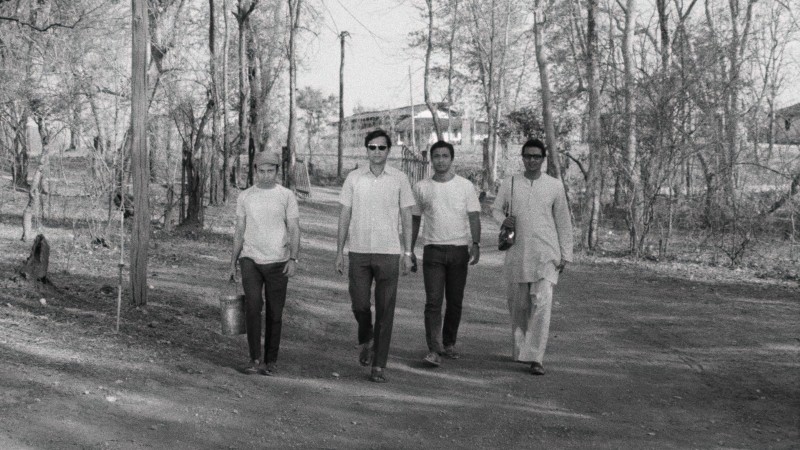
Days and Nights in the Forest: Into the Woods
In this tale of four privileged bachelors who embark on a trip to the Indian countryside, Satyajit Ray balances a biting critique of masculine fragility with splendid visual grace.
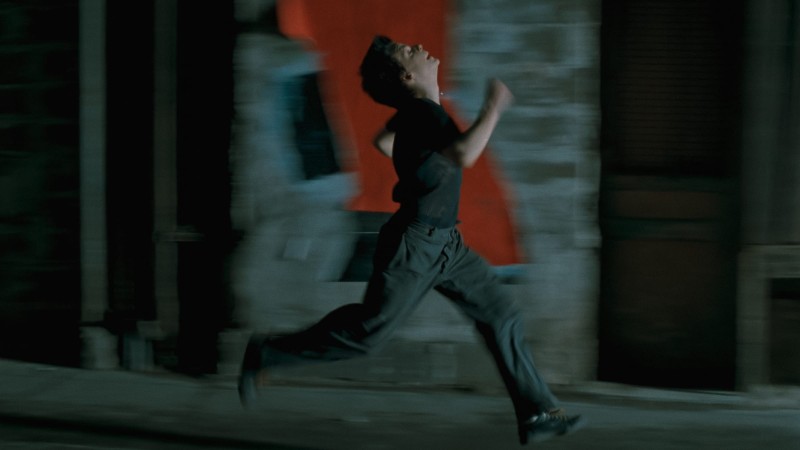
Three Films by Leos Carax: Vital Signs
With their mix of comedy, ecstasy, and aesthetic strangeness, the French auteur’s first three features grant us access to psychic states that we might not otherwise be able to enter.

The Secret Agent: Left Out of History
Kleber Mendonça Filho explores the elisions of history and memory in this splendidly polymorphous thriller about a man on the run in 1977 Brazil.