The Criterion Collection
Search
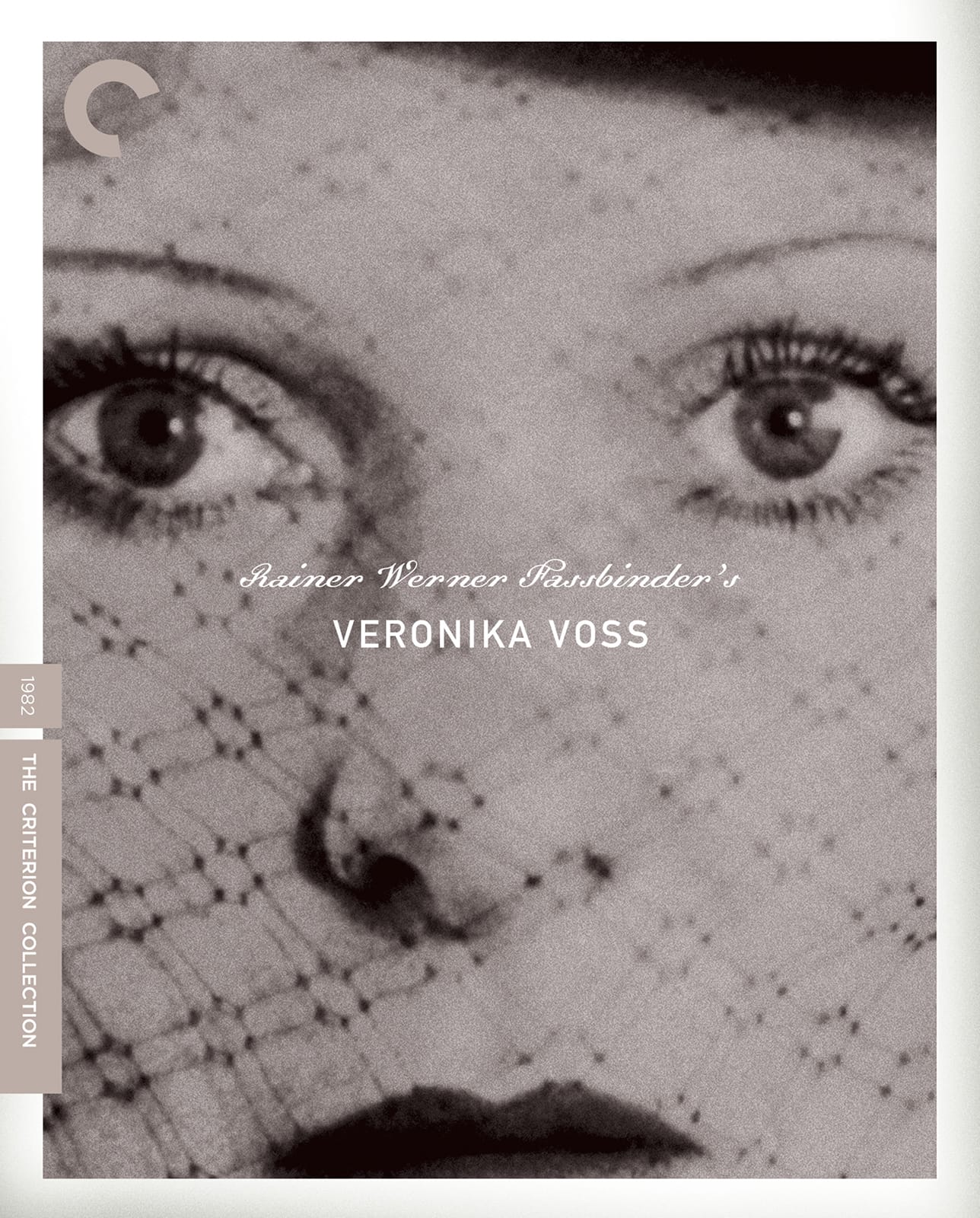


Sep 29, 2003 — In May 1981, in the midst of shooting Lola, Rainer Werner Fassbinder sketched out his next film project: Sybille Schmitz. On the cover, he had written, “Story for a Feature Film*.” The asterisk pointed to this footnote: “It is possible...
Veronika Voss in Vancouver
In Theaters
Aug 4, 2016 — The Vancity Theatre is screening Rainer Werner Fassbinder’s penultimate feature, the second installment of his BRD trilogy, a series of films centered on women in postwar Germany.
Michael Töteberg is the author of Rainer Werner Fassbinder (Rowohlt Verlag, Reinbek 2002) and has edited, in Germany, three volumes of Fassbinder’s screenplays as well as Peter Märthesheimer and Pea Fröhlich’s scripts for Fassbinder’s BRD trilogy: The Marriage of Maria...
Sep 29, 2003 — Rainer Werner Fassbinder dedicated his final energies to bringing the lost, gray years of postwar Germany back to life.
The Criterion Channel’s October 2026 Lineup
On the Channel
Sep 17, 2026 — Our Halloween programming includes a tour of cinema’s scariest road movies, an anthology of TV-movie nightmares, and collections built around our fears of sinister intruders and mysterious possessive forces.
Oct 28, 2022 — The role of the vampire has given talented actors throughout film history—from Bela Lugosi to Catherine Deneuve—the chance to embody physical and moral extremity.
Bitter Harvest
Features
Jun 4, 2015 — Rainer Werner Fassbinder stocked the cast of The Merchant of Four Seasons with friends and colleagues from his experimental theater days.
Film Fantastique
The Daily
Oct 30, 2023 — Halloweenish movies from France will screen every Tuesday in New York through mid-December.
Sep 29, 2003 — “Gray literature” is the term German film historians use to describe the material written purely for publicity purposes and made available to the press, but not meant for official publication. Often this gray literature, which is only accessible to film...
Candy-Colored Fassbinder in Madison
In Theaters
Dec 6, 2018 — Repertory Picks Since September, the Cinematheque at the University of Wisconsin–Madison has devoted its Sunday-afternoon screening series at the Chazen Museum of Art to the work of New German Cinema icon Rainer Werner Fassbinder. And this weekend, the retrospective’s second...